 By Jenny Smith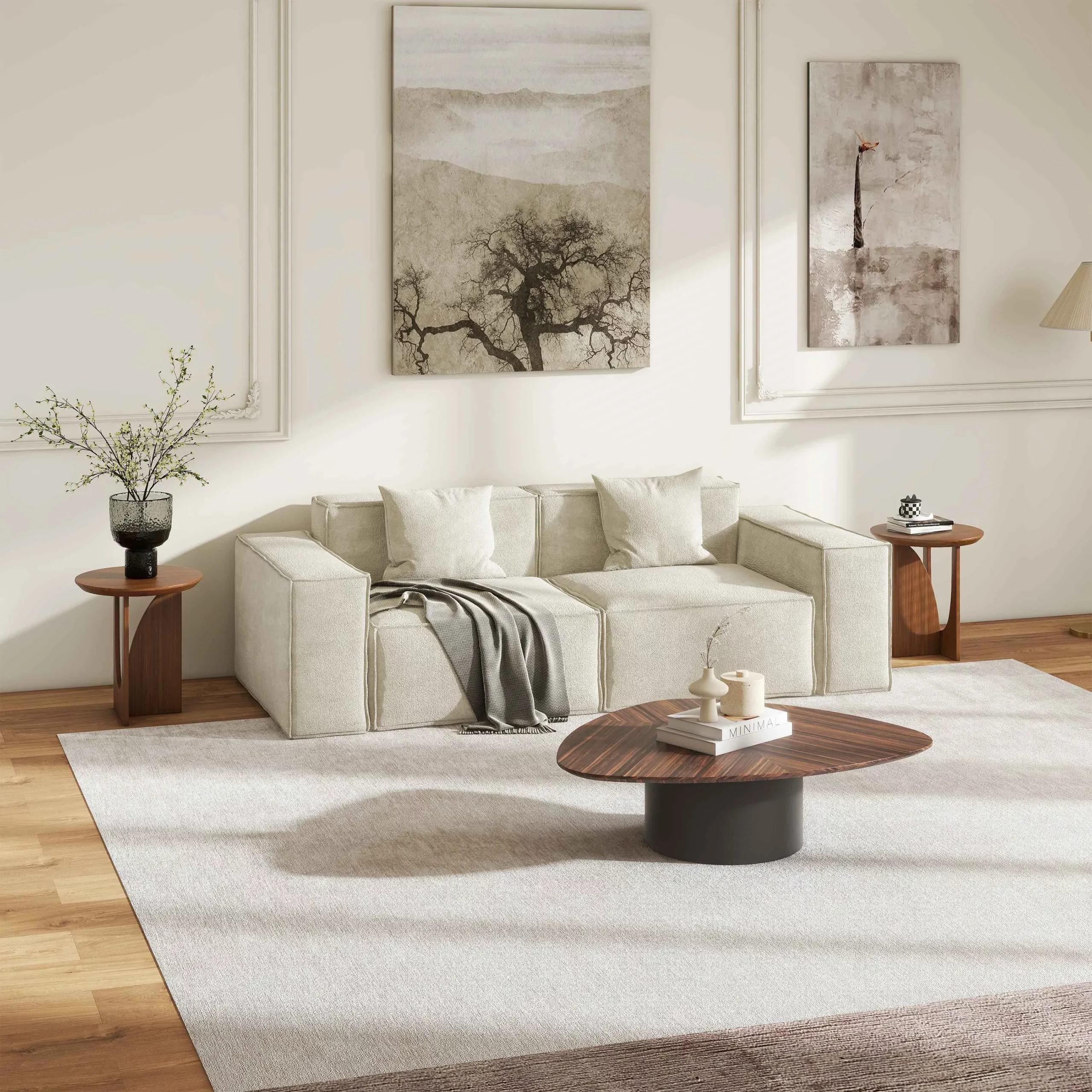
In 2026, choosing between sustainable bamboo furniture vs solid wood is no longer just a style preference—it’s a climate decision. Homeowners want fewer, better pieces that last, look beautiful, and align with their values. At the same time, design trends like “quiet luxury” and nature-focused interiors are everywhere, pushing more people to ask: should my next dining table, bed frame, or bamboo patio furniture be bamboo, solid wood, or a mix of both? This guide walks you through the trade-offs so you can decide what fits your lifestyle, budget, and rooms right now. (The Guardian)
2026 Snapshot: How Sustainable Furniture Trends Are Evolving
From Color-Drenching to Wood-Drenching: Natural Surfaces Everywhere
Painted everything is fading; “wood-drenching” is in. Designers now wrap rooms in continuous wood or wood-look surfaces—floors, walls, cabinetry, and furniture all in coordinated tones. Homes & Gardens highlights wood-drenched rooms as a key 2026 trend, where warm oak, walnut, and even engineered bamboo create cocoon-like spaces. In real projects, I often see a matching furniture set in solid wood anchoring the room, then lighter bamboo shades or woven chairs softening the look. Indoors and out, woven textures—rattan, bamboo chairs, cane panels—bridge living rooms, sunrooms, and terraces for a seamless indoor–outdoor feel. (House Beautiful)
Bamboo, Reclaimed Wood & FSC Timber as Hero Materials
Sustainable materials lists for 2025–2026 almost always mention bamboo, reclaimed wood, cork, and FSC-certified timber as go-to options for low-impact, natural interiors. (Green Building Canada) At the same time, the eco-friendly furniture market itself is booming—one analysis projects it will grow from about $43 billion in 2022 to $83.8 billion by 2030, a robust 8.6% CAGR (according to a 2024 report by Grand View Research). That growth is a big reason you now see more solid wood furniture made in USA workshops alongside bamboo furniture lines. Tools like the Wood Furniture Scorecard and FSC certification make it easier to check whether that “sustainable” label actually means anything. (World Wildlife Fund)
Why Eco-Conscious Buyers Are Comparing Bamboo vs Solid Wood Now
Climate anxiety, smaller homes, and a shift to “quiet luxury” (fewer, better things, with real materials) mean buyers are scrutinizing what their furniture is made of. (The Guardian) People want solid wood bedroom furniture that can be passed down—or sleek bamboo bedroom furniture that feels light, contemporary, and guilt-free. Instead of asking “Which material wins forever?”, the 2026 question is more nuanced: for this specific room, budget, and lifestyle, is sustainable bamboo furniture vs solid wood the better choice?
Material Basics: What “Sustainable Bamboo” and “Sustainably Sourced Solid Wood” Actually Mean
How Sustainable Bamboo Furniture Is Made
Bamboo is technically a grass, not a tree, and many species reach harvestable maturity in about three to five years—far faster than timber forests that can take decades to grow. (Green Building Canada) For furniture, raw culms are usually split into strips, dried, treated, then laminated into:
- Bamboo panels or boards for cabinets, desks, and bedroom furniture solid wood–style builds.
- Bamboo scrimber / engineered bamboo, where fibers or bundles are impregnated with resin and hot-pressed into very dense boards. (MDPI)
This processing is what gives bamboo its strength and sleek look—but it also introduces adhesives, heat, and electricity use. In other words, the sustainability of bamboo furniture depends heavily on the resins used, energy sources, and factory practices, not just on how fast the plant grows. (ResearchGate)
What Makes Solid Wood Furniture “Sustainable”?
“Solid wood furniture” isn’t automatically eco-friendly. The sustainability story depends on where the wood comes from and how it’s harvested. Responsibly sourced solid wood often means:
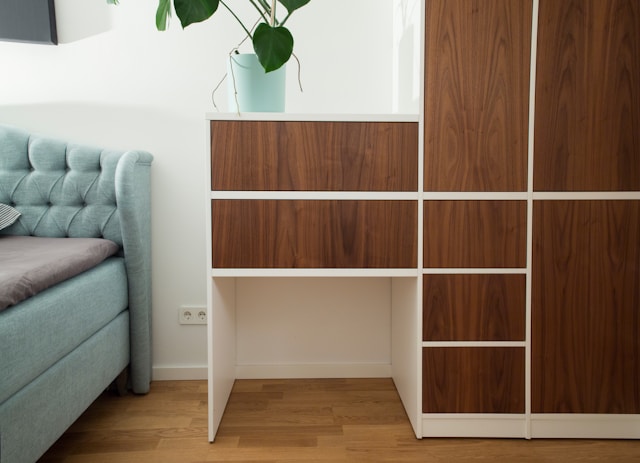
- FSC-certified wood from forests managed to protect biodiversity, limit clear-cutting, and respect local communities.
- Reclaimed or salvaged wood, a growing 2025–2026 trend that gives beams, flooring, and old furniture a second life instead of using new timber.
Species matter too—oak and walnut wear differently than acacia or rubberwood—but forestry practices matter even more. A modest acacia desk from a responsible source can be greener than a luxury exotic hardwood table with no clear sourcing at all.
Environmental Impact: Bamboo vs Solid Wood Across the Life Cycle
Renewability, Land Use & Forest Impact
From a renewability standpoint, bamboo is hard to beat. It can be harvested repeatedly from the same root system and regenerate quickly, so it doesn’t require replanting each time. Studies from climate agencies show bamboo stands can absorb significantly more CO₂ per hectare annually than many tree species, making them powerful carbon sinks. (climate.gov.ph)
Well-managed forests, however, are also climate allies. FSC-certified and similar programs push brands toward reduced deforestation, selective harvesting, and protections for wildlife habitat. (World Wildlife Fund) When you buy solid wood office furniture or solid wood bedroom furniture sets with credible certifications, you’re effectively voting for forests to stay as forests instead of being cleared for agriculture or development.
Carbon Footprint & LCA Findings (2024–2025 Research)
Recent life cycle assessments offer useful nuance. A 2025 LCA across 25 furniture pieces found that the pre-production stage—raw materials and processing—accounts for an average of 76% of total environmental impact, regardless of the furniture type (according to a 2025 open-access study on PMC).
For bamboo, a 2025 study of bamboo scrimber flooring measured a carbon footprint of 3.11 kg CO₂-eq per m², lower than conventional wood-based panels, but it also showed that drying, carbonization, and adhesive use are the main emission hotspots (as detailed in an LCA published in Fibers in 2025). (ResearchGate)
The takeaway: there’s no pure hero or villain. Well-designed products with efficient processing and cleaner adhesives matter more than simply “bamboo good, wood bad” or vice versa.

Performance & Everyday Use: How Bamboo and Solid Wood Feel in Real Life
Strength, Hardness & Moisture Behavior
Bamboo’s big surprise is performance: engineered bamboo has an excellent strength-to-weight ratio and can slightly outperform many hardwoods in durability tests. That’s why you see more bamboo furniture for sale in high-traffic spaces like cafes and co-working lounges.
Solid wood, on the other hand, is naturally hygroscopic—it expands and contracts with humidity, which can lead to warping or hairline cracks if room humidity swings wildly. Cabinet makers and furniture guides stress keeping indoor humidity roughly in the 40–60% range to avoid issues. (Venta Air GmbH) When I helped a client with solid wood bedroom furniture clearance pieces, simply adding a small humidifier made their “mysteriously sticky” dresser drawers behave again.
Indoor Air Quality: Finishes, VOCs & Adhesives
For indoor air quality, the base material (bamboo vs wood) matters less than what’s added on top. Stains, lacquers, and glues can off-gas VOCs like formaldehyde, especially in composite wood or bamboo panels. Certifications such as UL GREENGUARD Gold and regulations like CARB Phase 2 / TSCA Title VI set strict limits for formaldehyde and chemical emissions from composite wood products. (UL Solutions)
When shopping for affordable solid wood furniture or engineered bamboo, prioritize: low- or zero-VOC finishes, GREENGUARD Gold or similar low-emission labels, and “TSCA Title VI compliant” or “CARB Phase 2 compliant” wording on products that use MDF or plywood.
Maintenance, Patina & Longevity
Day-to-day care for both materials is similar: wipe spills quickly, use coasters, avoid harsh cleaners, and keep them out of prolonged direct sun. Solid wood tends to develop a patina—small dents, color shifts, mellowed grain—that many people love and associate with heirloom pieces. Bamboo usually keeps a cleaner, more contemporary look with subtler patina, especially in light or caramel tones.
Total lifespan is crucial for sustainability. A well-made FSC solid wood dining table that lives 30+ years can be greener than a trendy, thin-veneered bamboo outdoor furniture set that fails after a few seasons. When I downsized, I kept my old solid oak desk but paired it with a sleek bamboo chair; the chair may be replaced someday, but the desk feels like a lifetime piece.
Quick comparison
| Aspect | Bamboo Furniture | Solid Wood Furniture |
| Durability | High, especially engineered bamboo | High; varies by species and construction |
| Scratch resistance | Generally good; may show dents | Good; hard species (oak, maple) perform best |
| Water tolerance | Stable with good finishes; edges vulnerable | Sensitive to standing water; finish is key |
| Refinishability | Possible but more complex on laminated boards | Usually easy to sand and refinish |
| Expected lifespan | 10–25+ years with quality build | 20–40+ years with proper care |
Design, Aesthetics & Price: Matching Materials to Your 2026 Home
Design-wise, bamboo naturally leans modern and minimal. Its fine, linear grain reads clean and calm, ideal for Scandi-Japandi interiors or smaller spaces where you want furniture to visually “disappear.” Bamboo garden furniture and bamboo patio furniture sets also pair beautifully with greenery and stone, giving terraces a resort-like feel.
Solid wood is more versatile across styles. Rustic oak, mid-century walnut, or painted solid wood bedroom furniture can all start from the same core material. There’s also a wide price spectrum: from affordable solid wood furniture made of rubberwood or pine to premium pieces from the best solid wood furniture brands using North American or European hardwoods. Bamboo can be similarly tiered—cheap pieces with mystery glues or high-end engineered bamboo with precise joinery and low-VOC finishes.
In general, bamboo often delivers a sleek, contemporary look per dollar, while premium solid wood offers long-term value and emotional warmth, especially in statement pieces like beds, dining tables, and media consoles.
How to Shop Smart in 2026: A Practical Decision Framework
Use this simple decision flow when comparing sustainable bamboo furniture vs solid wood:
- Step 1 – Room & use: High-wear zones (family dining, kids’ rooms) favor robust, easily refinishable pieces—often solid wood. Light-use zones (guest rooms, home office corners) can be great for bamboo experiments.
- Step 2 – Lifespan: Ask yourself honestly: “Will I keep this for 10+ years?” If yes, invest in better materials and joinery.
- Step 3 – Climate & placement: Humid bathroom storage? Consider well-sealed bamboo or engineered wood. Stable, climate-controlled bedroom? Solid wood bedroom furniture shines.
- Step 4 – Proof of sustainability: Look for FSC logos, reclaimed content, or clear sourcing policies plus low-VOC / GREENGUARD or similar labels. (World Wildlife Fund)
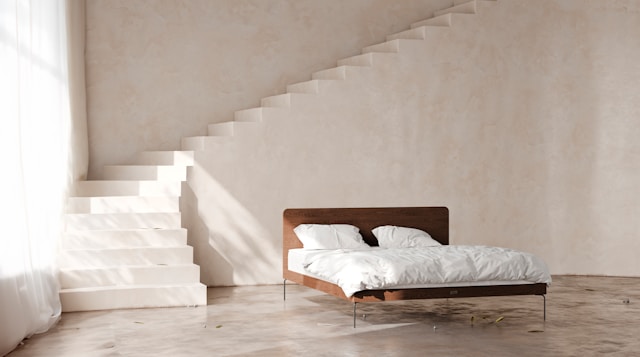
- Step 5 – Budget reality: When money is tight, go for one or two “hero” solid wood pieces (like a bed frame or desk) and support them with simpler, lighter bamboo or mixed-material items.
Conclusion
If you love a light, modern aesthetic and want a rapidly renewable material, bamboo is a fantastic choice—especially for chairs, shelving, and indoor–outdoor spaces. If you crave patina, heirloom potential, and easy refinishing, sustainably sourced solid wood furniture is hard to beat. In 2026, the smartest homes mix both: perhaps a solid wood bed anchored by vintage bamboo furniture accents, or a reclaimed wood table surrounded by airy bamboo chairs. The key is not perfection, but thoughtful choices you’ll live with—and love—for a long time.
FAQ: Quick Answers About Sustainable Bamboo Furniture vs Solid Wood
Is bamboo furniture more sustainable than solid wood in 2026?
Not automatically. Bamboo grows and renews much faster than trees and can store significant carbon, which gives it an advantage at the resource stage. But LCAs show that processing, adhesives, and finishes heavily influence the final footprint for both materials. The most sustainable choice is a well-made, long-lasting piece—bamboo or wood—with responsible sourcing and low-VOC finishes.
Does bamboo furniture last as long as solid wood?
High-quality, engineered bamboo can be very durable, with a strength-to-weight ratio that slightly edges many hardwoods.However, cheaper bamboo furniture with poor glues or thin veneers may fail sooner. A robust solid wood table, especially from hardwood species, can often be repaired and refinished for decades. Plan on 10–25+ years for good bamboo pieces and 20–40+ for well-built solid wood, assuming normal use and care.
Is engineered bamboo or engineered wood safe and eco-friendly?
Engineered products can be both strong and resource-efficient, but they rely on adhesives and resins. Look for third-party certifications and labels like GREENGUARD Gold, CARB Phase 2, or TSCA Title VI compliance to ensure low formaldehyde and VOC emissions. Check whether the cores use FSC-certified or recycled wood or bamboo; that combination of low emissions plus responsible sourcing is your best bet.
Can I mix bamboo and solid wood in the same room?
Absolutely. Mixing bamboo and solid wood can make a room feel layered and intentional, especially with 2026’s wood-drenching and natural-texture trends. (Homes and Gardens) Match undertones (warm with warm, cool with cool), then vary textures—perhaps a smooth solid wood dining table with woven bamboo chairs or a solid wood media unit next to a vintage bamboo side table. Aim for repetition: use each material at least twice so it feels deliberate.
How do I know if a furniture brand is genuinely sustainable?
Look for clear sourcing policies, FSC or equivalent certifications, and transparent reporting on materials and finishes. Tools like the Wood Furniture Scorecard highlight brands that back up their claims with action. Truly sustainable brands often provide care guides, offer repairs or replacement parts, and focus on timeless design over fast-changing trends—signs they want furniture to stay in your home, not the landfill.


