 By Jenny Smith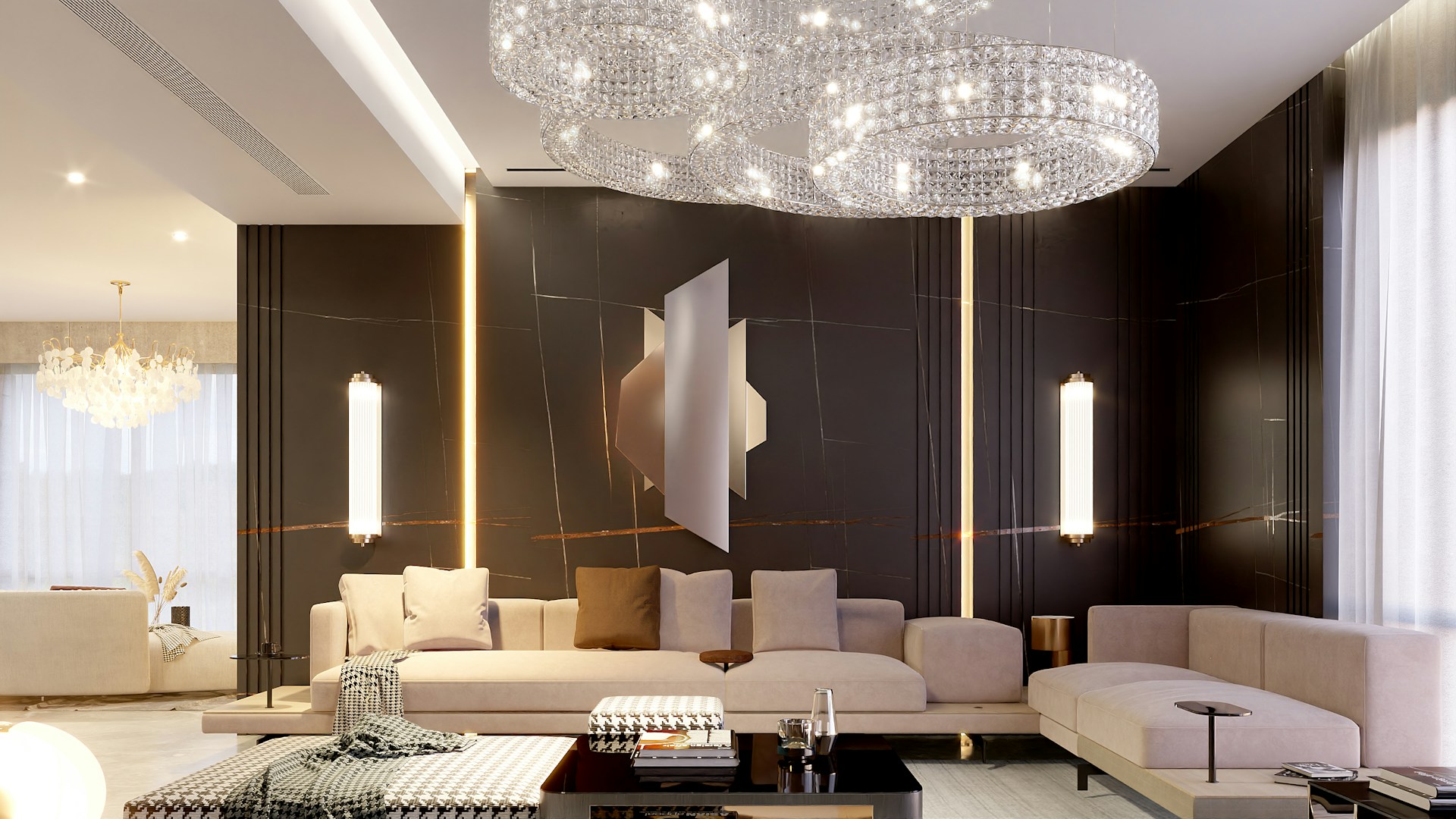
In 2026, the biggest mistake people make with their living rooms isn’t color or style—it’s scale. Choosing between small space furniture and large-scale living room sets affects how you move, host, work, and even relax at home. With more of us mixing remote work, streaming nights, and family time in the same room, getting proportions right is the fastest way to make a space feel “designed,” not cramped or empty. This guide walks you through Small Space Furniture vs Large-Scale Living Room Sets so you can pick (and mix) what truly fits your square footage and lifestyle.
What Counts as “Small Space Furniture” vs “Large-Scale Living Room Sets”?
Small Space Furniture in a Nutshell
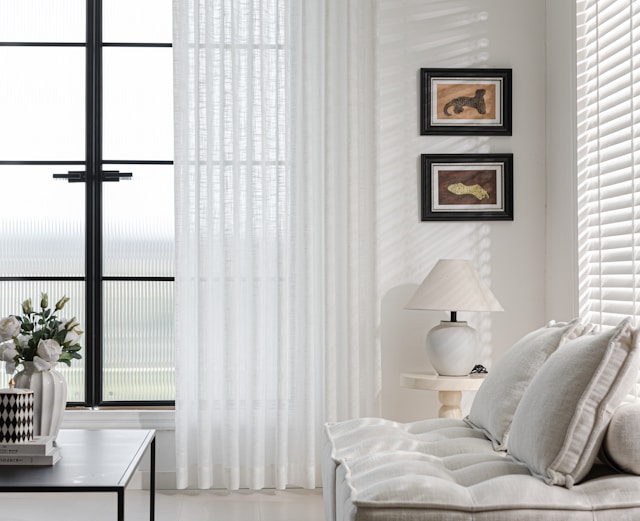
Small space furniture is all about a compact footprint and slim profiles. Think narrow-arm sofas, apartment-sized sectionals, nesting coffee tables, and space-saving furniture for small apartments like sofa beds or lift-top coffee tables. These pieces often do double duty—storage ottomans, wall-mounted shelves, compact desks tucked behind a sofa—and are light enough to rearrange without help. Well-chosen small space living room furniture sets can still feel cozy and inviting; the key is clean lines, visible legs, and pieces that don’t block natural light or traffic flow.
Large-Scale Living Room Sets in a Nutshell
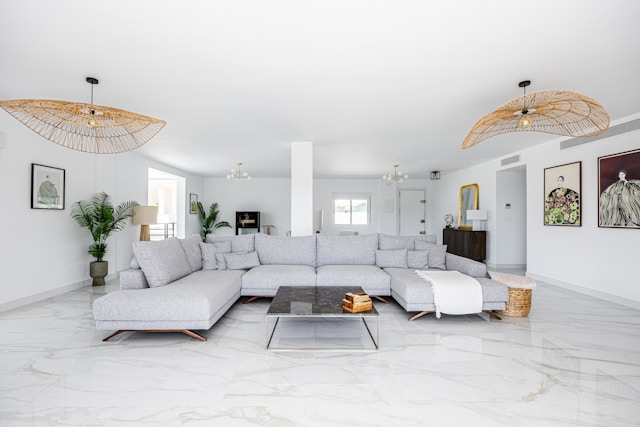
Large-scale living room sets are designed to fill generous rooms: oversized sofas or U-shaped sectionals, wide coffee tables, matching side tables, and big media units. They shine in open-plan spaces where a big sofa and rug help “zone” the living area. The best sectional living room sets for large rooms often include deep seats, chaise extensions, and plenty of cushions for sprawling. These sets usually read as one cohesive scene—great if you like a polished, ready-made look and have the floor area to let everything breathe.
Pros & Cons at a Glance
Advantages of Small Space Furniture
Small space furniture is ideal if you’re renting, likely to move, or living in a compact apartment. Because pieces are lighter and often modular, it’s easier to experiment with how to arrange living room furniture in a small space—rotate the loveseat, tuck stools under a console, or slide a slim bench under a window. You can layer in small space bedroom furniture with similar proportions for a consistent look throughout a studio. Overall, you gain flexibility, easier cleaning, and less stress when it’s time to rearrange or relocate.
Advantages of Large-Scale Living Room Sets
Large-scale living room sets maximize comfort and togetherness. Deep cushions, long chaises, and wide arms invite family movie marathons, pets, and kids. If you entertain often, one big sectional plus a generous coffee table can seat a crowd without dragging extra chairs from other rooms. Because everything is designed to match, it’s easier to create that “magazine spread” feeling—especially when paired with a large wall art set for the living room and an oversized rug to visually anchor the zone.
Trade-Offs You Need to Know
The truth is that big sets can overpower your layout, while small pieces might occasionally feel a little “bitsy” or light if you overdo them. Large sets require more money up front and more logistical work for delivery and relocation, while small space furniture may not last as long if you use inexpensive materials. When deciding between large-scale living room sets and small-space furniture, use this brief comparison as a gut feeling:
| Criteria | Small Space Furniture | Large-Scale Living Room Sets |
| Space Taken | Minimal footprint; works in tight rooms | Requires generous floor area and wall length |
| Comfort | Cozy but usually shallower seats | Deep, lounge-ready seating for long hangs |
| Flexibility | Easy to move, reconfigure, and repurpose | Layout mostly fixed once placed |
| Budget | Lower entry cost; can build up over time | Higher upfront cost, but often better value per seat |
| Move-Friendly | Great for renters and frequent movers | Heavy and bulky; moving can be challenging |
How Your Room Size, Layout & Lifestyle Should Drive the Decision
Room Size and Layout Basics
Start by measuring your room and sketching doors, windows, and walkways. In the U.S., the average apartment is about 908 square feet as of 2024, and although sizes have inched up, many urban living rooms are still compact. (The National Apartment Association (NAA)) In tight spaces, furniture for small space layouts should keep at least 30 inches of main circulation space free. In larger, open-plan rooms, a big sectional and rug can act like a soft “wall,” defining the living zone without blocking sightlines across the space.
Who Lives Here and How You Use the Space
Next, think about who actually uses the room and how. If it’s mostly you, a partner, and a cat watching shows, a compact 2–3 seat sofa plus an accent chair may be enough. If you’re hosting weekly game nights, a large sectional or expansive living room furniture set starts to make sense. Picture a family of four in an open-plan home: a deep L-shaped sectional gives everyone a spot during movie night, while a big ottoman doubles as a board-game table and extra seat. Your daily rituals—not Pinterest—should choose your layout.
Budget, Longevity and Flexibility
Tell the truth about your spending limit and the duration of your stay in this house. Small space furniture and modular pieces lower risk if you want to relocate within two or three years because they are easy to sell and adapt to new layouts. With proper maintenance, a high-quality large-scale set can last up to ten years if you’re settled and prepared to make an investment. Consider adaptability as well: storage ottomans, modular sectionals, and nesting tables allow you to change when you add children, roommates, or a work-from-home arrangement.
2026 Living Room Trends: What’s Hot for Small Spaces vs Big Sets
Small Space Furniture Trends for 2026
For 2026, small space living room furniture leans heavily into multifunctionality: sofa beds, storage coffee tables, and modular “mini” sectionals that can be rearranged as your life changes. The global multifunctional furniture market was valued at about USD 7.21 billion in 2023 and is forecast to grow at 6.6% annually through 2030—clear proof that flexible, space-saving furniture for small spaces is no fad. (Grand View Research) Expect soft neutral bases (beige, greige, warm white) with a few accent colors in cushions or throws, plus durable performance fabrics that stand up to pets and everyday life.
Large-Scale Living Room Set Trends for 2026
On the big-room side, 2026 is all about deep, soft, sink-in “lazy luxury” seating and curved silhouettes. Design editors highlight sculptural, soft furniture and nature-inspired palettes—earth tones, warm neutrals, and textured fabrics—as key living room trends for 2026. (Better Homes & Gardens) Large-scale living room sets are leaning toward generous chaise ends, rounded corners, and chunky wood coffee tables that feel substantial enough to match the sofa. Think big, cozy, and tactile rather than stiff and formal.
Trends Worth Following vs Fads to Ignore
Some ideas are worth investing in for at least five years: modular layouts, comfort-first design, and high-quality fabrics fall into that category. These work whether you choose small space furniture or a large living room set. Shorter-lived trends—hyper-saturated colors, ultra-specific patterns—are better in pillows, rugs, or a single accent chair. For example, if you love a bold 2026 color, bring it in through cushions and a throw instead of committing to an entire bright sectional. That way, your core pieces stay timeless while your styling stays current. (Houzz)
Real-Life Scenarios: What Works Best in Spaces Like Yours
Example 1: Compact Apartment Living Room
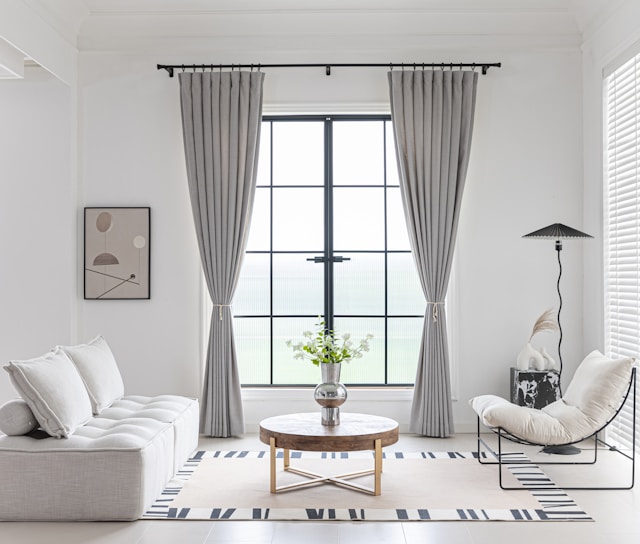
Imagine a small open-plan apartment where the front door opens straight into the living room. Here, the best small space furniture strategy is to keep everything visually light: a slim 2–3 seat sofa, a space-saving coffee table with hidden storage, and wall-mounted shelves instead of bulky bookcases. Organize small space furniture by pushing the sofa slightly off the wall, leaving room for a floor lamp and making it feel intentional. A large sectional would dominate this footprint, block walking lanes, and make the room feel like a furniture showroom instead of a flexible living space.
Example 2: Open-Plan Family Living Room
Now picture a big family room connected to the kitchen and dining area. This is where large-scale living room sets shine. A deep U-shaped sectional defines the living zone, with a wide coffee table for snacks and games and a big rug that matches the sofa width. To avoid the “too much furniture but still not useful” problem, start with the main pieces only: sectional, rug, coffee table, media console. Live with that for a few weeks before adding side tables or extra chairs so you don’t clog pathways to the kitchen or patio. It’s a layout I’ve tried in my own home, and the biggest difference is how much longer people linger in the living room after dinner.
Mix-and-Match: Combining Small and Large Pieces
You don’t have to commit 100% to one side. In a medium-size room, you might use a generous 3-seat sofa as your anchor, then pair it with small side tables that can tuck under the arms. Or choose a compact sofa but go bold with a large rug and oversized wall art set to create drama without sacrificing floor space. Tall floor lamps, slim consoles behind a big sofa, and single statement chairs are all smart ways to balance different scales and keep the room feeling harmonious.
A Simple 2026 Buying Framework
- Step 1: Write down how your living room is used 80% of the time—streaming, working, kids’ play, guests, pets—and decide what must be comfortable first.
- Step 2: Measure your space and tape out both a “small space” layout and a “large set” layout on the floor; walk through them to feel the difference.
- Step 3: Match your budget to your priorities: invest in the core sofa first, then layer in flexible small pieces like ottomans or side tables over time.
- Step 4: Plan for future changes—potential moves, a baby, or a dog—so you’re choosing furniture that can adapt instead of becoming clutter or waste.
A growing share of homeowners say they’re renovating to prioritize everyday comfort and self-care, with living rooms among the top spaces they plan to upgrade. (1stDibs)
Conclusion: You Don’t Have to Pick a Side Forever
The real win in 2026 isn’t choosing “team small space” or “team large-scale”—it’s choosing pieces that fit your actual room and real life. Small space furniture keeps apartments flexible and renter-friendly, while large-scale living room sets turn big rooms into soft, welcoming hubs. As your home, budget, or family changes, you can always rebalance: swap in a bigger sofa, break up a sectional, or layer in smart space-saving pieces. Scale is a tool, not a rule—and you’re allowed to change your mind.
FAQs
Can I put a large sectional in a small living room?
Yes, but choose carefully. A single, well-proportioned sectional can work better than multiple small pieces if it leaves clear walkways and doesn’t block doors or windows. Go for low backs, slim arms, and a chaise instead of a full U-shape, and pair it with a light, compact coffee table to keep the room from feeling overloaded.
Which option is better if I’m renting and may move in a couple of years?
Small space furniture is usually safer for renters. Apartment-sized sofas, modular chairs, and nesting tables are easier to get through narrow stairwells and to adapt to different floor plans. You can always add one larger anchor piece later, but flexible, space-saving small furniture reduces stress, moving costs, and the risk of buying something that won’t fit in your next place.
How do I keep a large living room set from looking too formal or “showroom-like”?
Mix in contrast and personality. Instead of matching everything, pair your large sectional with side tables in another material, a textured rug, and varied throw pillows. Add a few items that feel personal—books, art, or travel mementos—so the room reflects you rather than a catalog. Vary lighting heights with floor and table lamps to soften the overall look.
What 2026 trends should I prioritize if I want pieces that age well?
Focus on comfort-first seating, modular layouts, and quality neutral fabrics. Soft curves, nature-inspired tones, and durable performance textiles are likely to stay relevant beyond 2026. Use bolder trends—colors, patterns, metals—in smaller décor like cushions, accent chairs, or lamps. That way, your core investment pieces stay timeless while accessories let you play with each new season.


Great point about mixing and matching small and large pieces depending on the space! It’s easy to overlook how much the proportions of furniture affect the vibe of a room.