 By Jenny Smith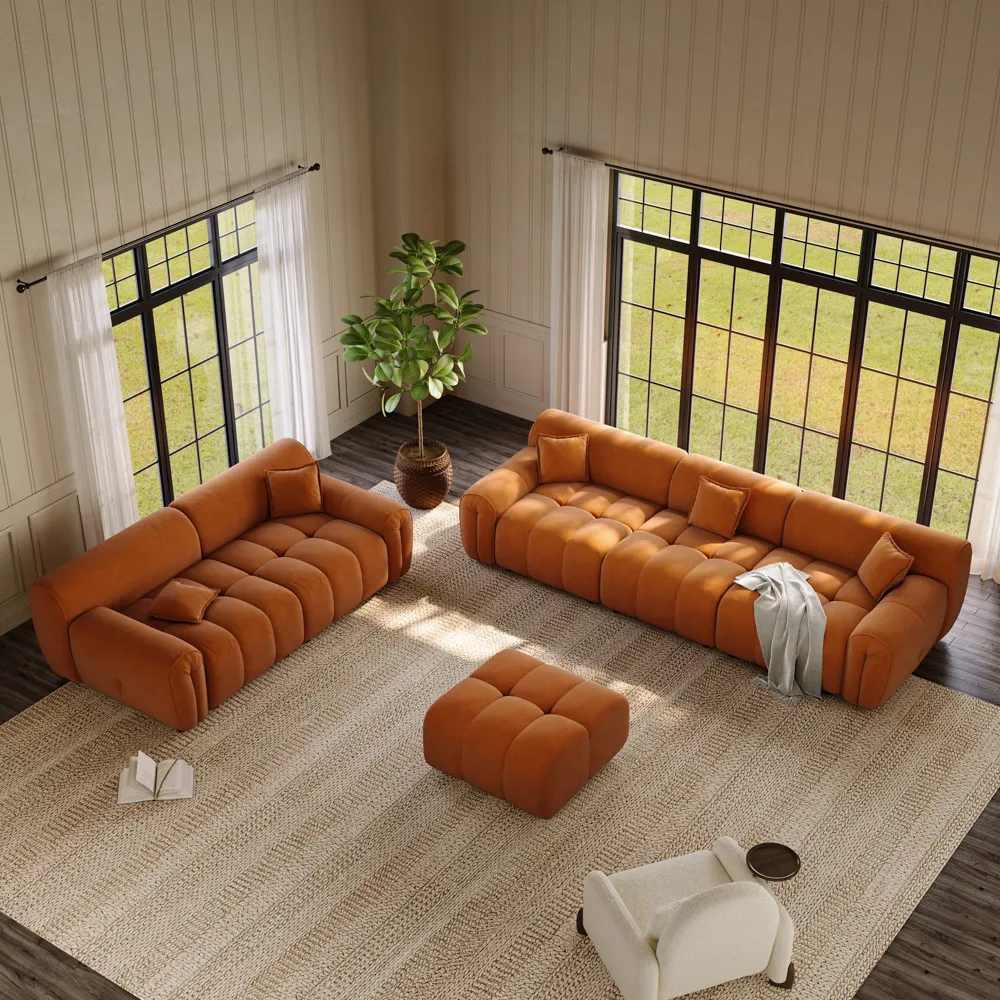
Introduction – Why Furniture Arrangement Matters More Than You Think
A comfortable living room isn’t just about a nice sofa or pretty cushions. The way you plan your living room furniture arrangements affects how easily people move, how naturally conversations start, and whether the room feels calm or chaotic. We spend the vast majority of our time indoors, so the spaces we relax in really matter (source: U.S. Environmental Protection Agency, National Human Activity Pattern Survey). (PubMed) This guide focuses on real homes, not showrooms. You’ll get simple rules plus ready-to-copy layout ideas so you can finally stop dragging the sofa around in circles.
Step 1 – Decide Your Living Room’s Purpose and Focal Point
Clarify How You Actually Use the Room
Before you worry about how to arrange living room furniture, get honest about how you live. Do you mostly watch TV, read, work from the sofa, play with kids, host movie nights, or all of the above? List your top three activities and rank them. Your main activity should get the best seat and lighting, not a random corner. I often see families unlock their space just by admitting, “We actually game here more than we watch TV,” and shifting the layout to support that reality.
Choose a Strong Focal Point
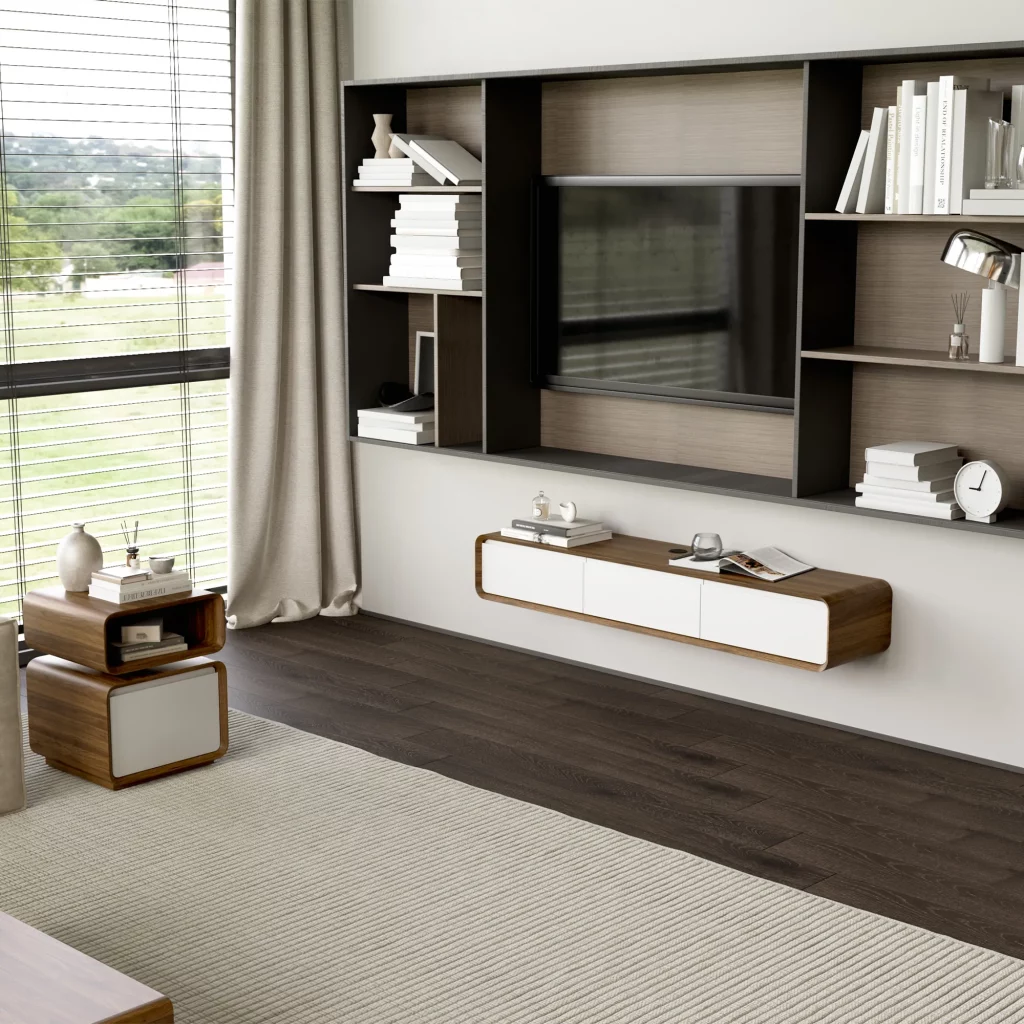
Every comfortable living room needs one clear focal point: a TV wall, fireplace, large window, gallery wall, or even a statement bookcase. Base your living room furniture arrangements around that anchor first, then layer in everything else. If you have both a TV and a fireplace, let one be visual (fireplace) and one be functional (TV), then angle seating so people can see both without twisting.
Step 2 – Plan Comfortable Traffic Flow and Conversation Zones
Draw Traffic Lanes Through the Room
Imagine “invisible paths” across your floor: entry to sofa, sofa to balcony, sofa to dining area, hallway to kitchen. These are your traffic lanes, and they should stay open and easy to walk through. Aim for about 24–36 inches (60–90 cm) of space wherever people need to pass between furniture. Place large pieces just outside these lanes instead of directly in them. You’ll notice the room instantly feels calmer when people no longer have to squeeze behind chairs or shuffle sideways past the coffee table.
If you’re a numbers person, here’s a quick spacing cheat sheet based on common interior-design guidelines:
Living Room Spacing Cheat Sheet (Backed by Designer Guidelines)
Create a Cozy Conversation Circle
Good layouts bring faces toward each other, not just toward a screen. Whenever possible, arrange your sofa and chairs in an L or U shape, or at least have one chair angled toward the sofa so people can talk without shouting across the room. Keep 3–8 feet (about 1–2.5 m) between seats so voices travel easily and no one feels too exposed. Try to keep seat heights within about 4 inches of each other so everyone feels equally supported and the seating group looks balanced.
Use Furniture to Define Separate Zones
In larger or open-plan rooms, your furniture becomes your walls. The back of a sofa can neatly separate the living zone from the dining or office area. Rugs help visually mark each zone, so a living room rug might sit under sofa and chairs, while a second rug anchors the dining table. Slim console tables or open bookcases work as gentle dividers: they signal “this is a different area” without blocking light or making the room feel chopped up.
Step 3 – Get the Sofa and Key Pieces Right
Start With the Sofa – But Don’t Push It Against the Wall
Your sofa is the main character, so place it first. nd if you’re considering a deep seated sofa for extra lounging comfort, make sure its size still allows good traffic flow around the room. Many people instinctively push it flat against the wall to “save space,” but interior designers generally advise leaving at least a small gap instead, because a sofa that doesn’t touch the wall makes the room feel less cramped and more balanced (Homes & Gardens). Even pulling the sofa several inches forward can create the illusion of extra space and keep the layout from looking tight, especially in smaller living rooms (The Spruce).
Pulling the sofa 4–12 inches off the wall can actually make the room feel deeper and give you space for lamps or curtains behind it. If your room allows, try floating the sofa entirely in the middle, facing your focal point, with a console table behind it to hold lamps and baskets.
Position Chairs and Secondary Seating
Once the sofa is set, add chairs or a loveseat to complete the conversation area. Start by placing at least one seat opposite or at a right angle to the sofa so people can make eye contact. Avoid tall, bulky chairs that block views from the entry or kitchen; lower backs and open frames keep sightlines clear. Recliners and swivel chairs work best slightly off to the side, where they can rotate toward the TV or chat zone without dominating the whole arrangement.
Right-Size Coffee Table and Side Tables
A coffee table that’s too small feels useless; one that’s huge becomes an obstacle course. A good rule is to choose a coffee table about half to two-thirds the length of your sofa, placed 14–18 inches away so you can reach it without bumping your knees. Each seat should have a table—coffee table or side table—within a comfortable arm’s reach for drinks, books, or remotes. Nesting tables are great backup surfaces that tuck away when not needed.
Step 4 – Layout Ideas for Different Living Room Shapes & Sizes
Small Living Room Layouts
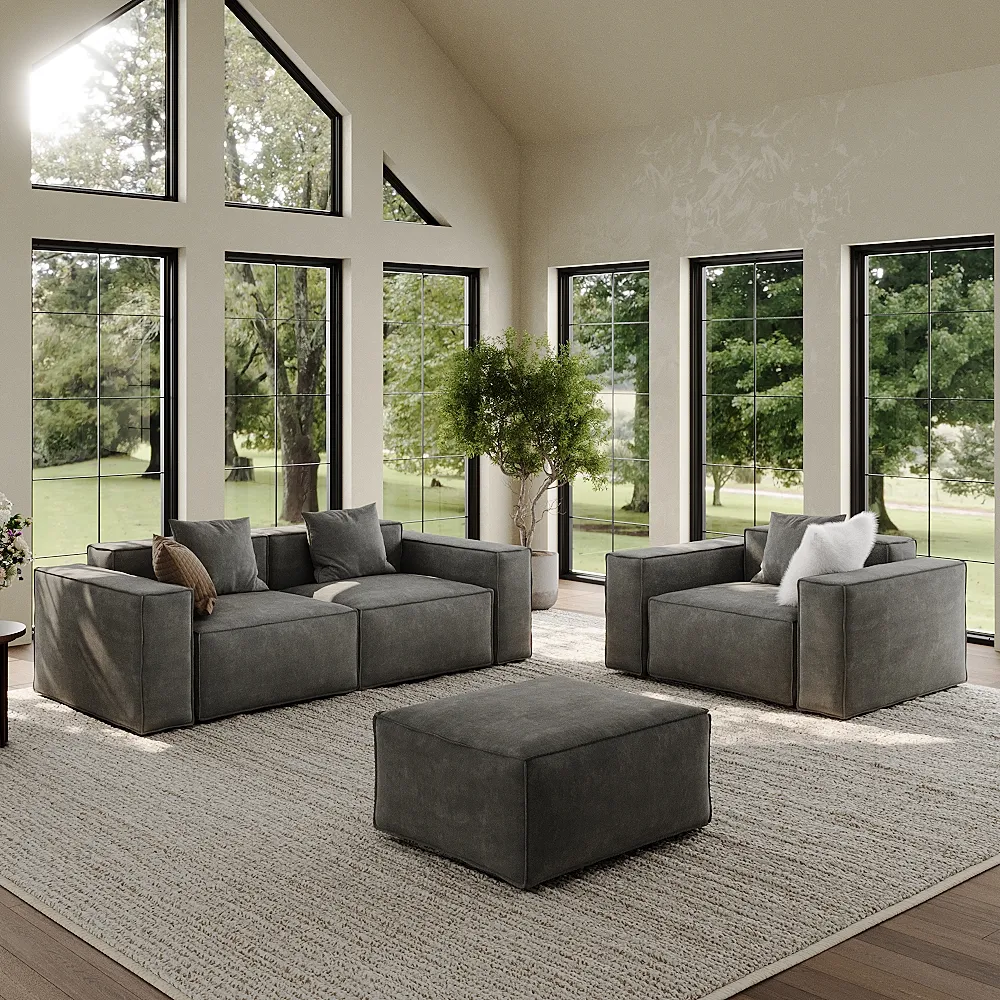
In small spaces, your priorities are clear traffic and compact, flexible seating. Keep one main walkway open, usually from the entry to the far side of the room. Use a slim sofa or loveseat on the longest wall and a single accent chair you can swivel or move easily when guests arrive.
- Layout ideas: sofa against the longest wall plus one small accent chair; or a loveseat paired with a compact armchair and nesting tables instead of a bulky coffee table for extra flexibility.
Leggy furniture, wall-mounted shelves, and lighter furniture color choices help the space feel airy instead of crowded.
Long or Narrow Living Rooms
Long, narrow rooms can feel like a bowling alley if everything hugs the walls. Break the space into two shorter zones: for example, a TV-watching area near one end and a reading or game nook at the other. Float the sofa across the room instead of along it to visually shorten the length. On the other side of the sofa, use a bench, two small chairs, or a console rather than a giant sectional, which can make the room feel even more tunnel-like.
Square Living Rooms
Square rooms love symmetry. Try two sofas facing each other with a coffee table in between, or one sofa facing two matching chairs. A round coffee table softens all the right angles and makes it easier to move around. If you have both a fireplace and a TV centered on different walls, consider placing the TV on a swivel mount or in a corner so you can angle it slightly without fighting the fireplace as your visual focal point.
Open-Plan Living Rooms
In open-plan spaces, start with rugs to define zones: one rug for the living area, another under the dining table, and maybe a third for a small office nook. Let the back of the sofa face the dining area to mark where the living room begins, then place chairs to complete the seating group on the living-room side only. Try to route main traffic pathways around the seating area, not straight through the middle, so people aren’t constantly walking between you and the TV or cutting across conversations during dinner.
Step 5 – Layer Comfort With Rugs, Lighting, and Accessories
Use Rugs to Anchor the Seating Area
Rugs are the “underline” beneath your living room furniture arrangements. Choose a rug large enough that at least the front legs of your sofa and chairs sit on it; this visually connects all the pieces into one cozy island. In a small room, let the rug echo the room’s shape (rectangular rug in a rectangular room) to make it feel more intentional. I’ve seen many living rooms transform from “floating furniture mess” to “magazine ready” just by upgrading from a tiny rug to one that truly anchors the group.
Create a Lighting Triangle
Think beyond the single overhead light. Aim for a “lighting triangle”: one ceiling or main light, one floor lamp, and one table lamp or wall sconce in different corners of the room. This mix lets you create bright light for cleaning, softer light for TV nights, and focused light for reading without straining your eyes. Picture a Sunday evening with a floor lamp glowing behind the sofa while someone reads on the chaise and another person scrolls on the armchair—everyone has enough light and no one is blinded.
Side Tables, Ottomans & Storage That Support Daily Life
Finishing touches are what make a living room work day after day. Add a slim side table wherever someone naturally drops a drink or phone. Use an upholstered ottoman instead of a second coffee table if you like to put your feet up or need extra kid-friendly seating. Closed storage—like a media console or lidded baskets—keeps toys, remotes, and blankets out of sight so the room still feels calm after a busy day. In one family home, simply adding a lidded ottoman next to the sofa ended the nightly “where’s the remote?” hunt.
Conclusion – Turn Your Living Room Into a Space You Love to Live In
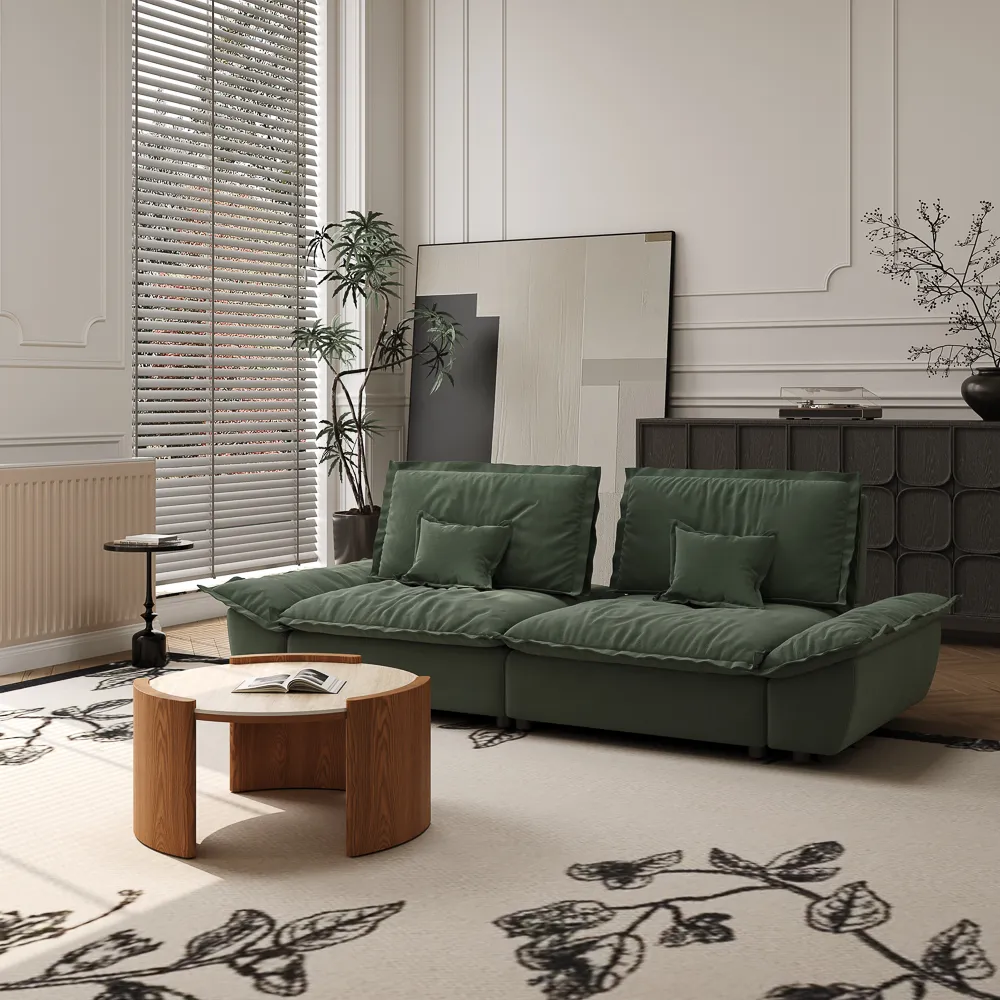
When you understand how to arrange furniture in living room spaces step by step—purpose, focal point, traffic flow, key pieces, then layers—you stop guessing and start designing. Thoughtful living room furniture arrangements make it easier to relax, host, and feel proud of your home. You don’t need a huge budget or a designer on call; you just need a plan and a willingness to move things around until the room finally feels like you. Start with one change today, test it for a week, and keep refining.
Quick FAQ About Living Room Furniture Arrangements
How do I arrange living room furniture around both a TV and a fireplace?
Pick one as your main focal point and let the other be secondary. Place the sofa facing the primary focal point, then angle chairs so they can see both without twisting uncomfortably. A swivel chair or slightly angled TV stand can help you enjoy both without making the room feel confused.
Where should I put a sectional sofa in the living room?
Place the longest side of the sectional along or near your main focal point (TV, fireplace, or window), and use the shorter side to help define the seating area. Avoid letting the chaise block key traffic paths. In open-plan rooms, a sectional can act as a soft divider between living and dining zones.
How do I arrange living room furniture in a room with lots of doors and windows?
Start by mapping all door swings and main walkways, then place your sofa where it won’t block these paths—often across from the largest window or between two openings. Use lower-back chairs near windows to keep views open. If wall space is limited, consider floating furniture with a rug to anchor the seating group.
How can I arrange living room furniture for both TV watching and conversation?
Think of the TV wall as one side of the “conversation circle.” Place the sofa facing or slightly angled toward the TV, then add chairs at 90 degrees so people can turn easily between screen and faces. Keep the seating distance moderate so you’re not too far from the TV but still close enough for relaxed chatting.


