 By Jenny Smith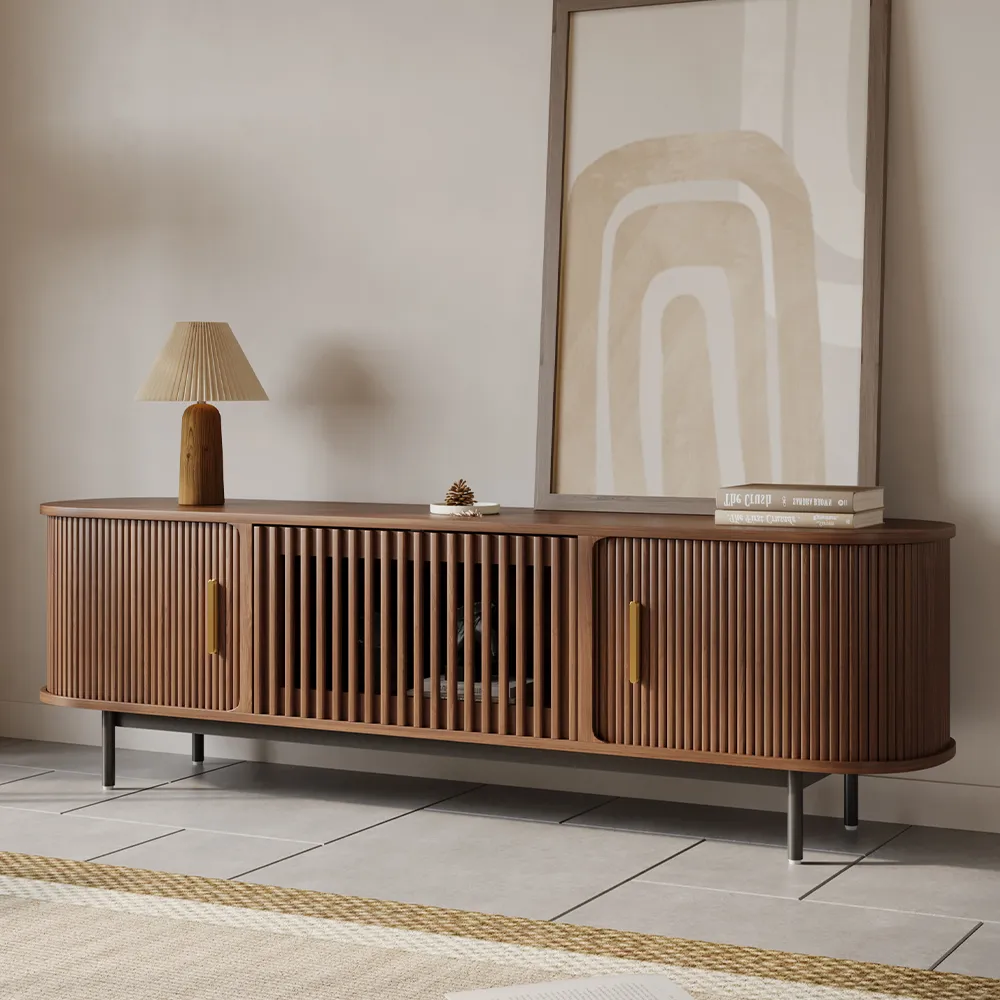
Most people obsess over wall paint, then pick furniture color at the last minute. But the truth is, walls and furniture work as a team. Together, they set the mood of your home, change how big a room feels, and even influence how relaxed or energized you are. With a bit of color know-how, you can turn your home into a space that actually feels like you.
Color Basics – How Furniture and Wall Colors Interact
The Color Wheel Made Simple for Home Decorating
You don’t need an art degree to use the color wheel. Think of it as a map for matching your furniture color with your walls:
Complementary colors sit opposite each other, like blue and orange. A navy sofa against a soft tan wall feels dynamic and balanced. Analogous colors sit side by side, like blue, teal, and green; they create easy, harmonious rooms. Monochromatic schemes use one color in different depths—dusty blue walls with a deeper blue armchair and pale blue cushions—great if you love calm, layered spaces.
Major design magazines note that the color wheel is a standard tool for choosing paint and décor: Architectural Digest describes it as a key guide for selecting colors that work together, while Real Simple recommends using complementary and analogous combinations from the wheel to build harmonious home palettes.
Warm vs Cool Colors on Walls and Furniture
Warm colors (beige, tan, terracotta, warm white) make a room feel cozy and social. Cool colors (grey, blue, soft green) feel fresh and airy. One easy rule: pair warm walls with cooler furniture, and cool walls with warmer furniture. For example, warm greige walls with charcoal and blue furniture feel balanced, while cool grey walls love camel leather, walnut color furniture, or warm cream upholstery.
If your home feels flat or chilly, add warmth through furniture color: wood tones, cognac leather, and cream fabrics. If it feels heavy or stuffy, cool it down with blue-grey textiles, soft green walls, or pale stone-colored pieces.
Value (Light vs Dark) and Contrast
“Value” is how light or dark a color is. Most homes look best when walls are lighter than furniture, so the room doesn’t feel like a cave. A mid-tone sofa against an off-white wall is a classic because it grounds the room without overwhelming it.
High contrast vs low contrast is where style really shows:
| Scheme type | Look & feeling | Best for… |
| High contrast (e.g., white walls + black furniture) | Bold, graphic, “photo-ready,” more dramatic | Modern interiors, small vignettes, spaces you want to energize |
| Low contrast (e.g., beige walls + taupe furniture) | Soft, calm, minimalist, visually quiet | Bedrooms, relaxing living rooms, wellness-focused homes |
Minimal homes often use low-contrast palettes, while statement spaces use high contrast in doses—such as a dark TV stand against pale walls.
What Color Furniture Goes with Grey Walls?
Best Furniture Colors for Cool and Warm Grey Walls
Grey walls can read icy or cozy depending on undertone. Cool grey walls with blue or green hints pair well with warm furniture colors: tan, cognac leather, walnut furniture color, and off-white upholstery. This mix keeps grey from feeling like an office.
Warm greys (often called “greige”) work beautifully with cooler furniture—charcoal, deep blue, slate, or even black. If you’re wondering what color furniture goes with grey walls in a small apartment, go for light wood, soft beige, and pale grey fabric; they keep the room airy while still coordinated.
Bold Combinations with Grey Walls
Grey walls are a neutral stage for bolder choices. For a modern look, combine mid-grey walls with emerald green accent chairs and black metal legs. If you love color but fear commitment, keep main pieces neutral and introduce bolder hues in one hero item, like a cobalt armchair or rust-colored bench.
How to Make Brown Furniture Work with Your Wall Color
Understand Your Brown Furniture Before Choosing Wall Color
“Brown furniture” covers a huge range—dark espresso, medium walnut, rustic oak, light tan, brown leather. Before asking what color walls go with brown furniture, check two things:
Depth: Is it dark espresso, mid-tone walnut, or light honey?
Undertone: Does it lean red (cherry), yellow (oak), or grey (taupe brown)?
Dark espresso or wenge often suits lighter walls: warm white, pale greige, or soft stone. Walnut color furniture loves gentle warm neutrals, sage green, or dusty blue. Light tan or oak looks fresh with white, but also with warm clay or mushroom tones that echo natural wood. These details shape all your brown furniture wall color ideas.
What Color Goes with Brown Furniture? Wall Colors That Brighten and Balance It
If you’re stuck on what color goes with brown furniture, think “contrast, then repeat.” Cream, warm white, and soft greige brighten dark brown wood or brown leather. Sage and olive greens create a quiet, organic look. For living room color schemes with brown leather furniture, try warm white walls, a soft grey rug, and black metal accents—modern but still cozy.
For a more contemporary twist, pair brown furniture with muted blue-grey or even charcoal accent walls. This works especially well in rooms with lots of natural light. Add lighter textiles to avoid the room feeling too heavy.
Room-by-Room Furniture Color & Wall Color Strategies
Living Room
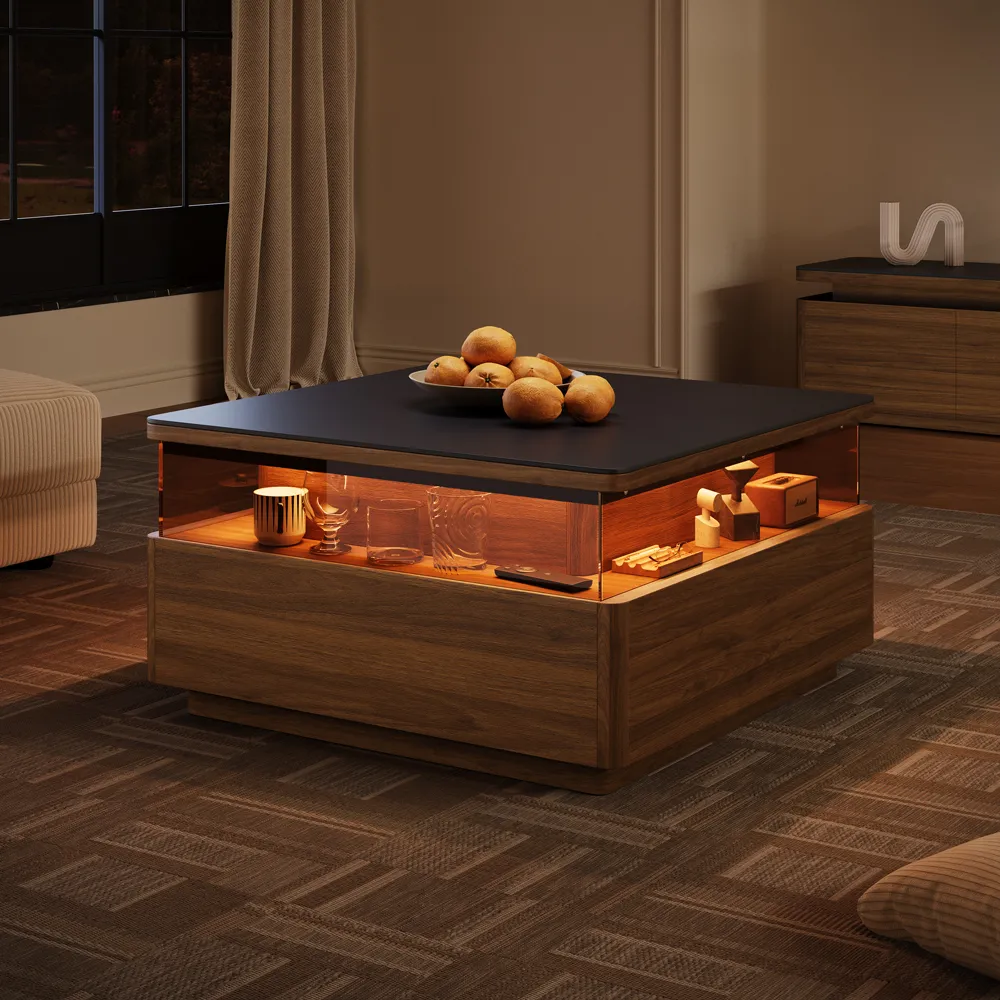
Your living room has to look good in real life and in photos. Aim for one main wall–sofa pairing as your “color story.” For example, a warm white wall + taupe sofa + walnut coffee table + black TV stand feels polished. In open plans, repeat the same wood tone in coffee table and media unit so furniture color doesn’t look random.
Bedroom
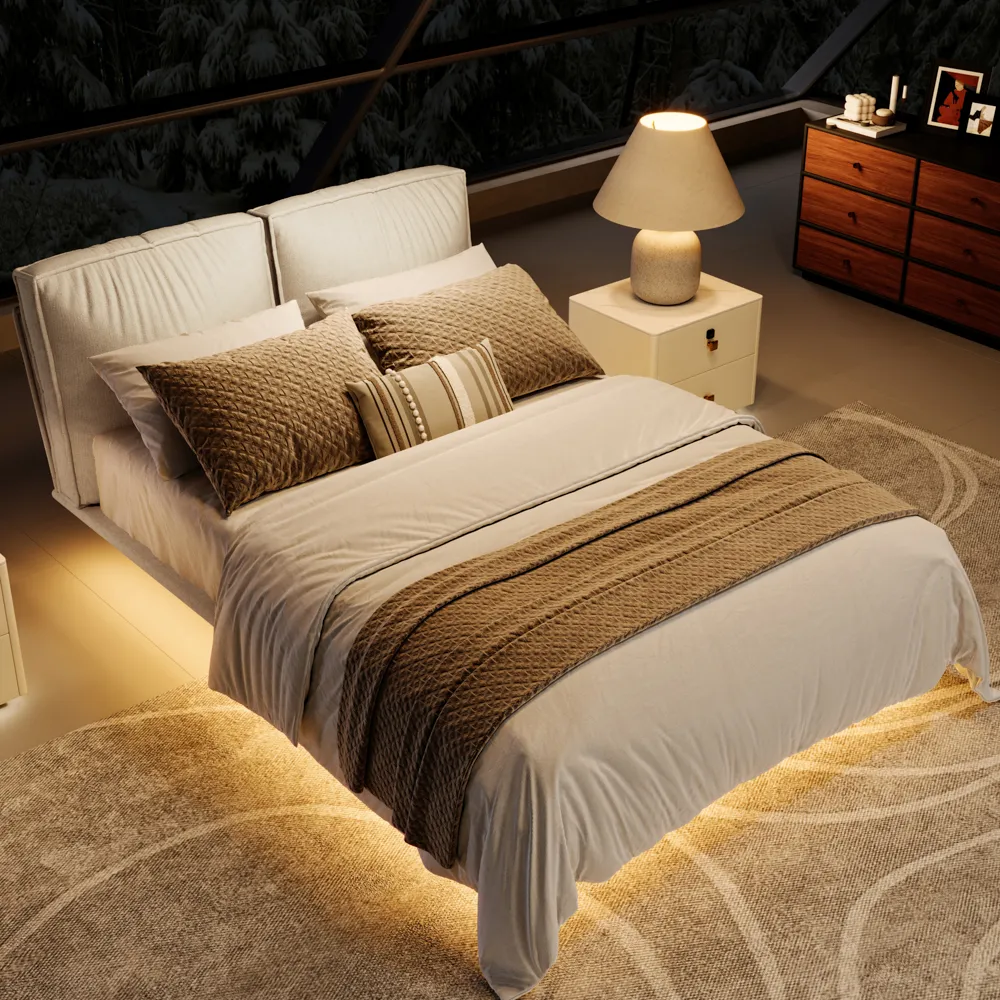
Bedrooms love low-contrast, soft palettes. Try warm white or pale greige walls with a mid-tone upholstered headboard and light wood nightstands. If your headboard is very dark, the best wall color is often a soft, warm neutral so the contrast doesn’t feel harsh when you wake up. Choosing bedding that echoes both wall and headboard colors makes everything feel calm and intentional.
Dining Room
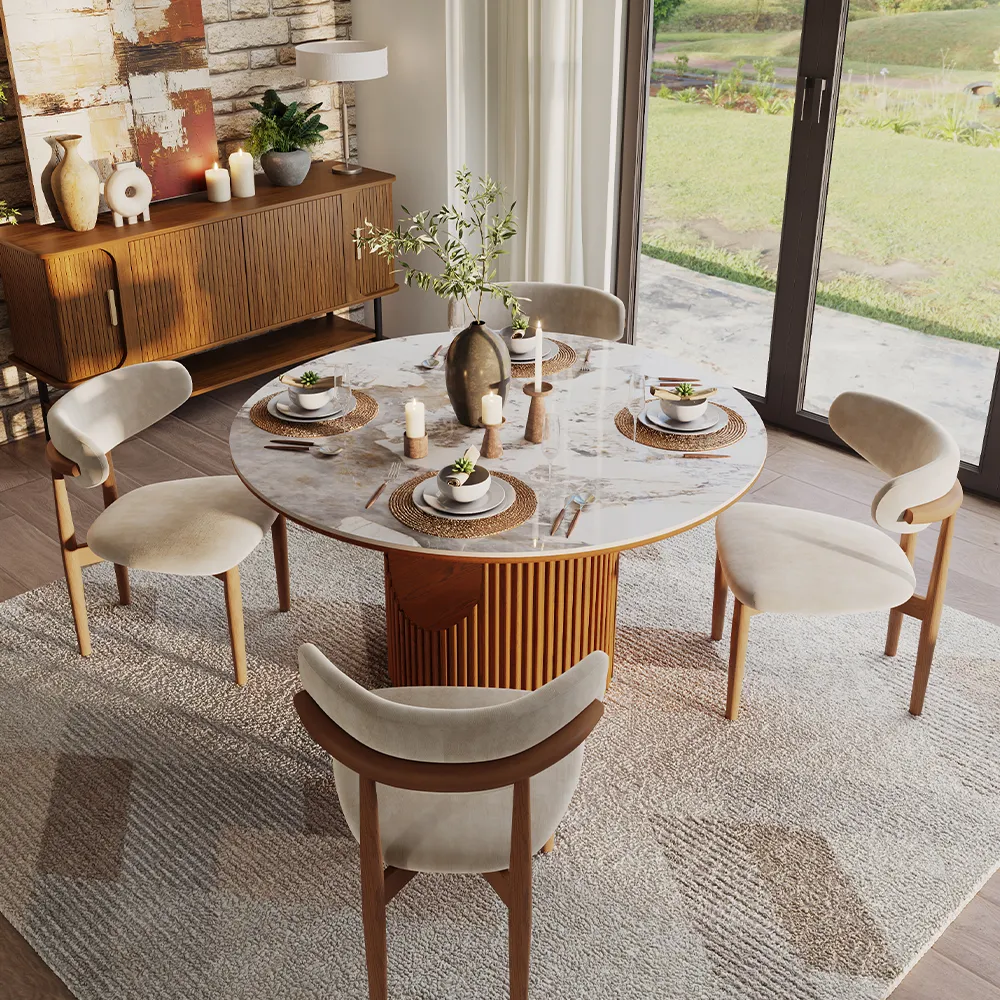
Dining rooms can handle more drama. Deep green or charcoal walls look incredible behind oak or walnut dining tables. If you have grey walls + wooden dining sets, warm things up with caramel leather chairs or wicker textures. For brown furniture wall color ideas in dining spaces, consider mushroom, clay, or sand tones that echo natural materials and make food look richer.
Home Office
In a home office, color affects focus. Cool neutrals—soft grey, blue-grey, sage—paired with black or walnut desks are great for concentration. Avoid high-gloss bright white desks in front of stark white walls; the glare is tiring. If you want creativity, add a colored chair or bookcase instead of painting the whole room neon. That way your video-call background stays calm, but your mind gets a nudge of color.
Material, Texture & Finish – The “Hidden” Color Factors
Why Wood Species and Stain Affect Perceived Furniture Color
Two “brown” TV stands can look totally different against the same wall. Oak with a light, golden stain feels sunny and casual. Walnut furniture color looks richer and slightly cooler. Espresso stains can even read black in low light.
Fabric and Leather: Matte vs Sheen
Matte fabrics like linen and cotton make colors seem softer and more muted. Velvet and leather add sheen, so colors appear deeper and slightly darker. A charcoal velvet sofa looks more dramatic than charcoal cotton in the same room.
Performance fabrics often have a subtle sheen that reflects light. On dark colors, this can be your friend in small rooms, stopping them from feeling too dense.
Metal Finishes and Glass
Metal and glass are the jewelry of your room. Black metal sharpens a palette and works beautifully with grey walls and light wood. Brass reads warm and glamorous, especially next to deep blues, greens, and walnut color furniture. Chrome and polished steel pair well with cooler schemes—think grey flooring, white walls, and charcoal furniture.
Glass tables almost disappear visually, making bold furniture color easier to live with. If your walls are dark or moody, glass helps the room feel lighter without adding another competing color.
Sustainable Materials and Low-VOC Finishes
Eco-friendly, low-VOC finishes often have a softer sheen than high-gloss lacquers, so colors appear more subtle and “natural.” That’s great if you love the 2025 furniture color trends of warm neutrals, natural woods, and earthy greens.
How to Test Furniture Color Before You Commit
Using Fabric and Wood Swatches at Home
Swatches are your low-risk lab. Tape fabric and wood samples directly on the wall near your existing furniture and flooring. Look at them:
- In the morning, when light is cool
- In the afternoon, when light is warmest
- At night, with your artificial lighting on
According to a 2023 Statista report, 39% of homeowners regretted their paint color choice mainly because they didn’t account for lighting properly (Statista, 2023). Testing swatches in real light is the easiest way to avoid joining that group.
AR Apps & Online Room Planners
AR apps and online planners are amazing for testing what color furniture goes with grey walls or how black furniture will feel in your bedroom. Just remember they often brighten everything and may not show subtle undertones. Use AR to narrow options, then always return to real-world samples and daylight checks before you spend.
Screenshots from brands, POVISON product pages, and Pinterest can become a simple mood board. Drop images into Canva or any collage app: your wall color, flooring, sofa, TV stand, coffee table, and rug. This isn’t color-perfect, but it shows if your furniture color story is calm, bold, or chaotic. Pay attention to whether metals, woods, and textiles all feel like they live in the same “temperature” family.
Inspiration: Effortless Color Pairings with Ready-to-Use Furniture
If you don’t want to design from scratch or spend hours assembling pieces, look for fully assembled furniture. That way, you can focus your energy on choosing the right furniture color and wall color instead of tools and manuals. Brands like POVISON offer TV stands, sideboards, and dining tables that come pre-assembled and available in consistent finishes within the same series, so it’s easier to mix and match pieces that naturally look related.
For example, you might choose a walnut TV stand and matching coffee table from the same collection, then place them against warm white or pale greige walls and echo the walnut tone in picture frames or a dining bench. You’re not buying a “complete pre-styled set,” but the shared wood color and design language remove a lot of guesswork, reduce decision fatigue, and still make your space feel intentional rather than randomly pieced together.
Conclusion – Make Furniture Color Work for You, Not Against You
When you understand undertones, contrast, and how walls and furniture color interact, decorating stops feeling like a guessing game. Whether you’re wondering what color furniture goes with grey walls or what color goes with brown furniture in a cozy dining room, the process is the same: test, observe light, and repeat your best colors with intention. Start with one room, build a simple palette you love, and let the rest of your home slowly follow that story.
FAQ About Furniture Color and Wall Color
Should furniture be lighter or darker than my walls?
Most of the time, it works best when furniture is slightly darker than the walls. Light or mid-tone walls create a soft backdrop, and deeper sofas, media units, or beds help anchor the room. The exception is very small rooms, where pale furniture and pale walls together can make the space feel bigger and airier.
Can I mix white furniture with wood furniture in the same room?
Yes—white and wood are a timeless pair. Keep either the white or the wood as the dominant “hero,” then repeat it at least three times in the space. For example, white TV stand, white shelves, plus wood coffee table, side table, and chairs. This repetition makes the mix look intentional instead of mismatched.
What color furniture goes with grey walls in a small apartment?
In small spaces, pair grey walls with light, warm furniture: pale oak, beige, cream, and soft greige upholstery. These colors brighten grey and keep the room from feeling cold. Add one or two deeper accents—like a charcoal chair or black side table—to stop the space from feeling too flat.
What color goes with brown furniture if I want a modern look, not traditional?
To modernize brown furniture, skip yellow creams and heavy reds. Instead, use off-white, greige, or muted blue-grey walls. Add black metal, simple silhouettes, and clean lines. For living room color schemes with brown leather furniture, think: warm white walls, slim black floor lamp, graphic rug, and minimal accessories.
How do I coordinate furniture color across an open-plan living–dining space?
Choose one main wood tone and one main metal finish for the whole area, then let wall color tie them together. For example, walnut furniture color + black metal + warm white walls in both living and dining zones. Repeat colors in smaller pieces—chairs, side tables, and art—so the entire open plan feels like one cohesive story.


