 By Jenny Smith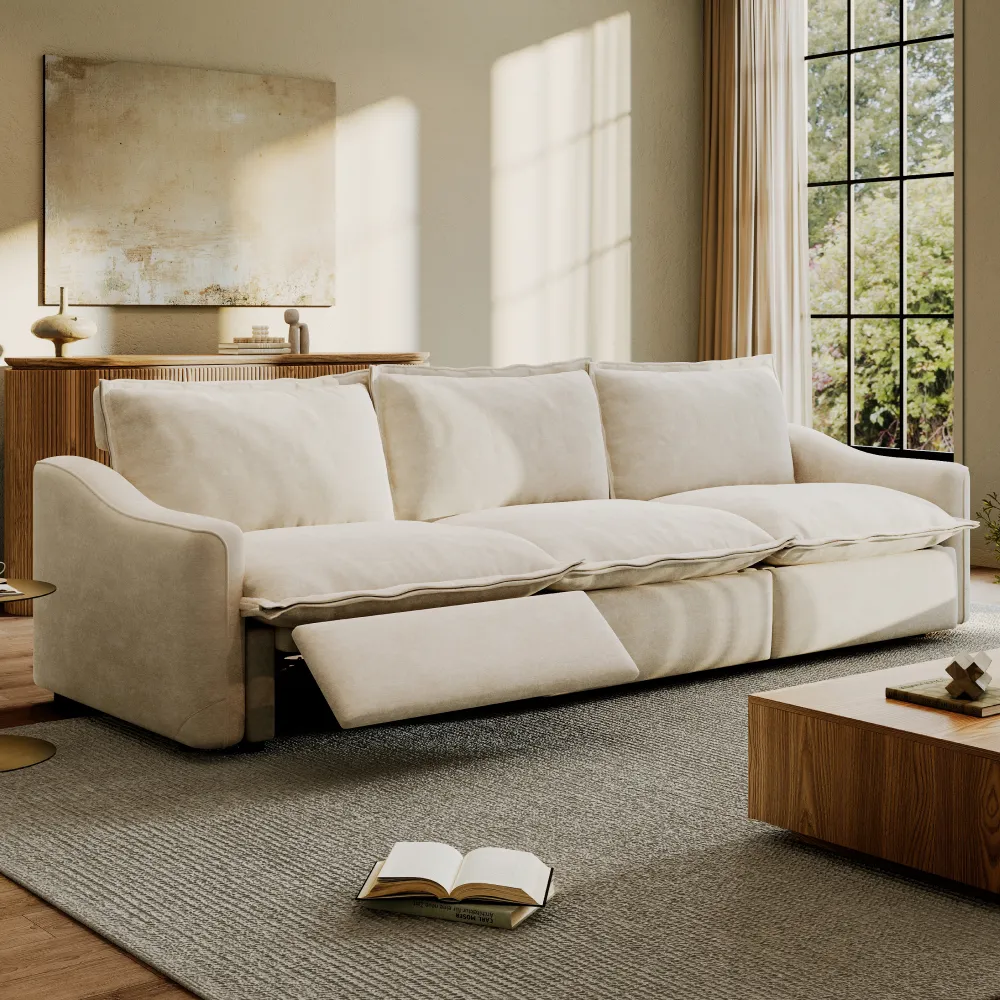
Introduction: Why “Pet-Friendly Furniture” No Longer Means “Ugly but Practical”
Pets are no longer “just animals”—they’re family. An estimated 71% of U.S. households, about 94 million families, now own at least one pet (via Insurance Information Institute) That’s why pet friendly furniture has evolved from bulky, dark “sacrifice sofas” into design-forward pieces that still stand up to claws, fur, and everyday mess. With modern materials, smarter construction, and better styling strategies, you can have a home that’s both beautiful and fully ready for real life with pets.
What Does “Pet-Friendly Furniture” Really Mean?
Beyond “Scratch-Resistant”: The 5 Real Requirements of Pet-Friendly Furniture
True pet friendly furniture is about a whole system, not just one magic fabric. It has durability to handle jumping and wrestling, cleanability so mud and drool wipe away, and stain resistance for the occasional accident or coffee spill. It also needs comfort for both humans and pets, plus safety—no sharp corners, toxic finishes, or wobbly frames. When you look at a sofa or chair through this lens, you start judging everything together: fabric, frame, cushions, seams, and finishes all have a role to play in how well that piece survives a house full of paws.
How Pets Actually Use Furniture and Why Does That Matters?
Most pets don’t politely “sit.” They launch themselves onto cushions, dig and knead before settling, nap along arms and backs, and shed fur into every crevice. Dogs may drool on the front edge of seats, while cats test seams and piping with their claws. Occasional accidents or hairballs target the easiest-to-reach spot—often the center cushion. That’s why pet friendly furniture needs reinforced seams, sturdy legs, supportive cushions, and fabrics that can handle friction and moisture where it actually happens: arms, edges, and high-contact zones, not just the middle of the seat.
Style Versus Durability: Why You Don’t Have to Choose
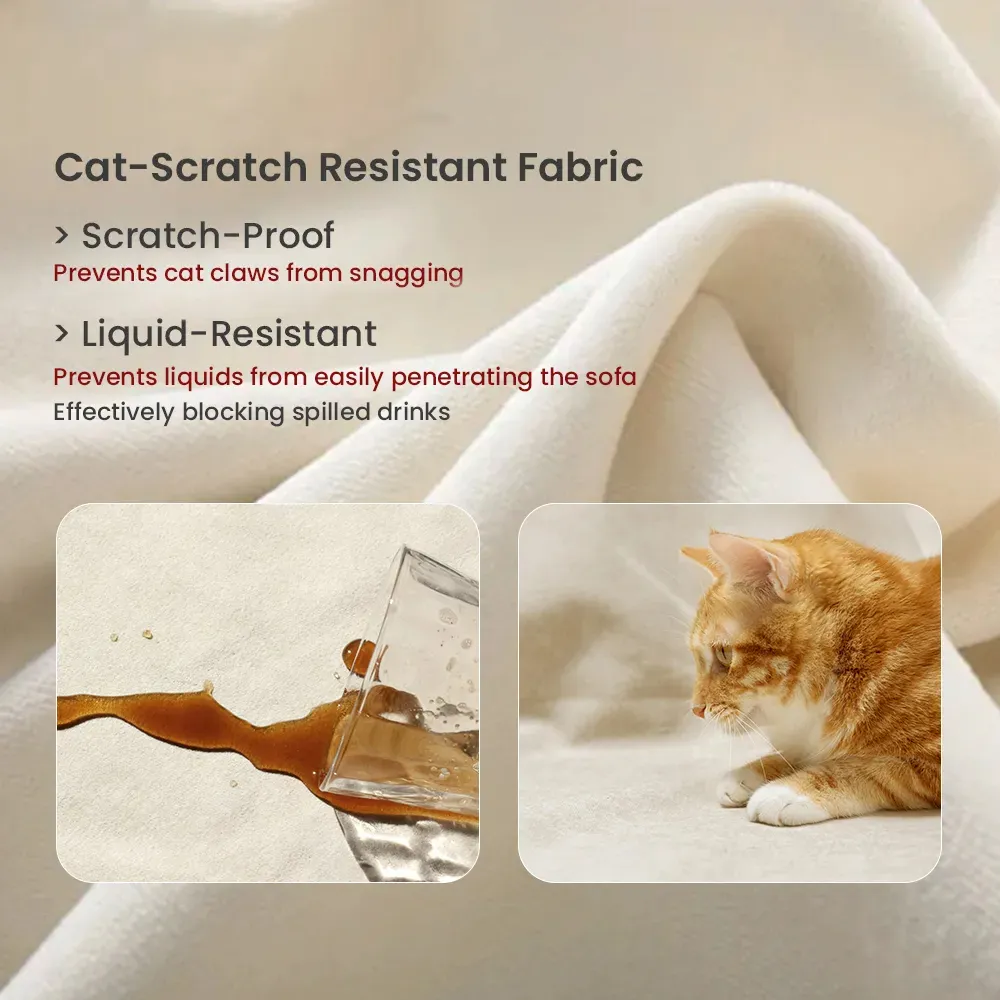
Choosing “practical” used to mean using thick, dark, scratchy materials. These days, you may enjoy sleek, contemporary styles without worry thanks to tightly woven performance materials, modular designs, and detachable, washable coverings. You can select pet-friendly leather furniture that looks elegant and wipes clean, or soft, tactile materials that are resistant to spills, stains, and snags. Povison’s Performance Pet-friendly Fabric sofa offers detachable, washable, stain-resistant comfort that strikes a compromise between fashion and functionality. It is OEKO-TEX® Standard 100 certified with anti-fur cling.
Core Design Features That Make Furniture Truly Pet-Friendly
Performance Fabrics: Your First Line of Defense
The best pet friendly furniture usually starts with a tight, durable weave. Flat, closely packed fibers snag less on claws, trap less fur, and allow easier wipe-downs. Performance fabrics add stain-resistant treatments and moisture barriers, so spills bead up instead of soaking in. Natural fibers like cotton and linen can be beautiful but often absorb oils and stains more easily, while certain synthetics and treated blends perform far better in busy, pet-filled homes.
| Fabric Type | Snag Resistance | Stain Resistance | Ease of Cleaning | Pet-Friendliness |
| Cotton | Low–Medium | Low | Medium | Fair |
| Linen | Low | Low | Medium | Fair |
| Velvet | Medium | Medium | Medium | Style-first |
| Performance Woven (polyester/olefin blend) | High | High | High | Excellent |
| Leather | High (no weave) | High vs liquids | High (wipeable) | Excellent, with caveats |
Frames and Structure: Built for Jumping, Wrestling and Naps
Pets add impact. A frame that survives years of kids plus pets is usually kiln-dried hardwood or quality engineered wood, with joints that are glued, screwed, and sometimes corner-blocked. Lightweight, hollow metal frames or soft woods can wobble or bend under repeated jumping. Wide, stable legs and a low-to-medium seat height help reduce tipping risks when a dog launches onto one side. For truly pet friendly furniture, look for weighty, well-balanced pieces that feel solid when you rock them—your pets will stress-test them daily.
Cushions and Fill: Keeping Their Shape Over Time
Cushions take the brunt of bouncing, pacing, and curling up. High-density foam cores wrapped in softer layers keep their shape much longer than flimsy foam that compresses and never recovers. Down-blend cushions can be cozy but need frequent fluffing and may trap fur and dander. Removable, zip-off covers make deep cleaning much less intimidating.
Spotlight on Pet Friendly Leather Furniture
Is Leather a Good Idea with Pets? The Honest Pros and Cons
Many people search for pet friendly leather furniture thinking it’s the ultimate low-maintenance option. Leather does have perks: it doesn’t trap fur, it’s easy to wipe, and it can age with a nice patina. But with real pets and daily use, scratches, punctures, and stretching are hard to avoid, especially with active dogs or cats. Even “pet-friendly leather furniture that doesn’t scratch easily” still shows marks over time. For most busy households, high-performance polyester pet-friendly fabrics offer a softer feel, better scratch tolerance, and more forgiving maintenance than leather, while still looking elevated.
Faux Leather and High-Performance Alternatives:
Not all “leather-look” materials are created equal. Some vinyls and low-quality faux leathers look great at first but can crack or peel when exposed to claws, body oils, and temperature swings. High-performance polyurethane or hybrid surfaces fare better, offering a flexible, soft hand and strong abrasion resistance. If you’re hunting for pet-friendly leather furniture that doesn’t scratch easily, look for thicker, textured finishes, matte surfaces, and performance-rated materials tested for abrasion and peeling. In hot climates, consider breathability and temperature: some faux leathers can feel sticky or too warm against skin and fur.
Styling a Home with Pet Friendly Furniture (Without Looking Like a Kennel)
Color and Pattern Strategies That Hide Fur and Everyday Mess
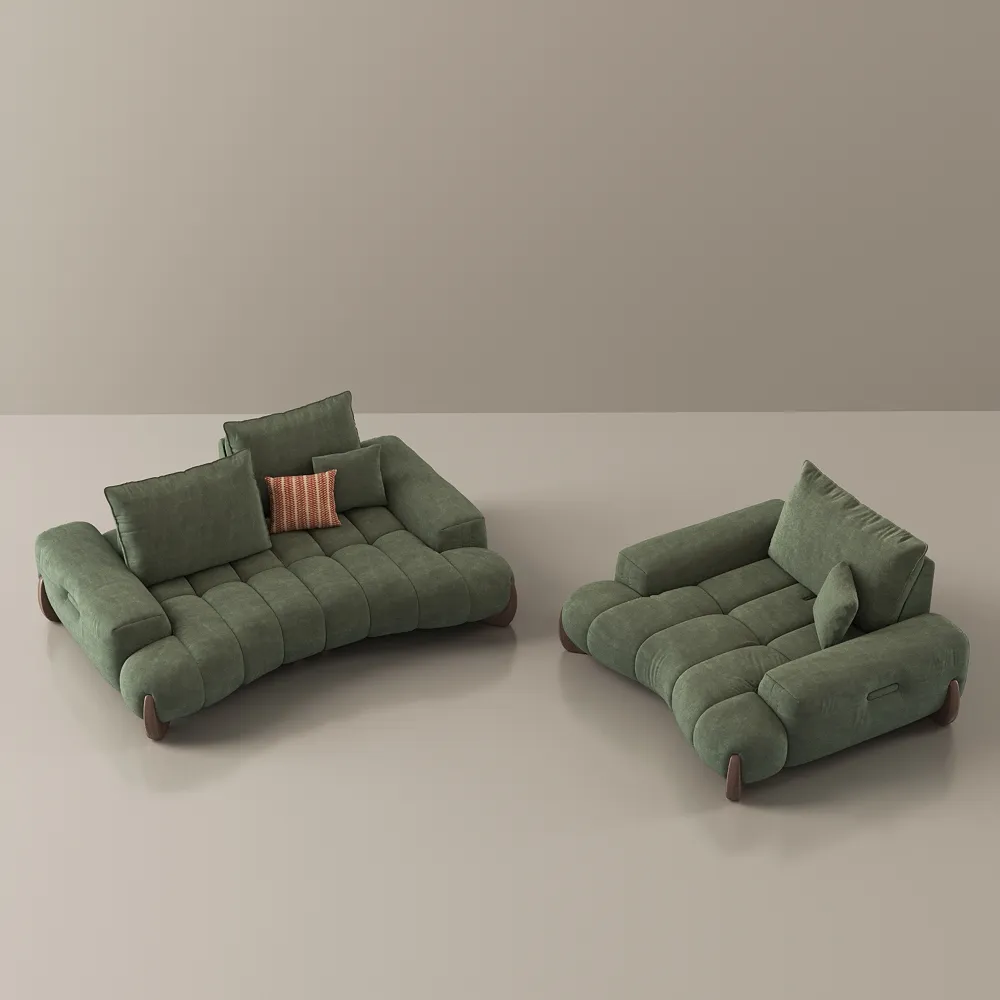
Your secret weapons are pattern and color. In between cleanings, shedding can be visually eliminated by roughly matching the color of your primary sofa to your pet’s fur. Compared to very light or very dark hues, which often highlight every hair and blemish, mid-tone tones are more forgiving. Select heathered, mélange, or delicately speckled fabrics that visibly diffuse stains, compression marks, and daily wear in place of flat solids. In this manner, your pet-friendly furniture appears purposefully styled rather than merely “safe.”
Coordinating Rugs, Throws, and Pet Beds with Your Furniture
Consider pet beds, throws, and carpets as a single color narrative. Because they are easy to vacuum and less likely to catch claws, short-pile, flatweave, or performance-fiber rugs go well with pet-friendly furniture. Select throws that complement your sofa’s color scheme to blend in while discreetly shielding high-wear areas like the arms and seat fronts. Even the dog cushion in the corner feels like a part of a well-curated, ready-to-live-in home when your pet’s bed is matched to the room’s primary color scheme, turning it from visual clutter into a design element.
Practical Protection: Habits That Make Furniture Last Longer
Even the best materials need good habits to match their full lifespan. Regular grooming—brushing, nail trims, wiping paws after walks—dramatically reduces the amount of fur, dirt, and micro-scratches your furniture has to endure. Keep a small cleaning caddy nearby with pet-safe wipes, mild upholstery cleaner, and a lint roller so you can tackle messes while they’re fresh instead of letting stains set or oils soak into cushions over time.
Training and layout choices matter too. Give cats appealing scratching posts near their favorite lounging spots so the sofa arms aren’t their only textured surface. Use washable throws or slipcovers on “prime nap zones” like the chaise end or the spot under the window. Rotating cushions and occasionally shifting where you sit spreads the daily wear that pets and humans place on your pet friendly furniture, helping it look newer for longer.
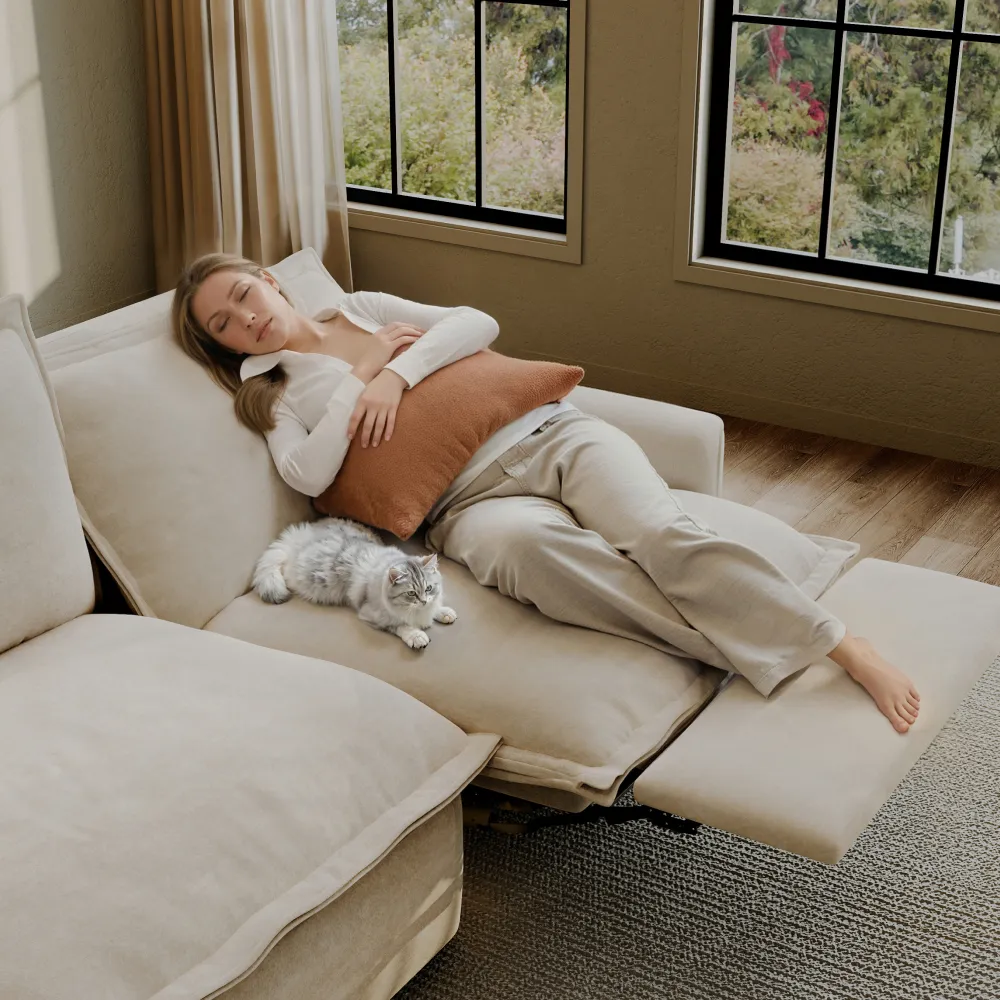
Furniture that already handles common pet-related wear can make those routines easier to maintain. The Aurora Power Sofa Bed uses white performance chenille that is water- and scratch-resistant, helping with everyday claws and spills in a shared lounging area. Its light color may show darker pet hair more readily, so regular vacuuming is still part of the upkeep.
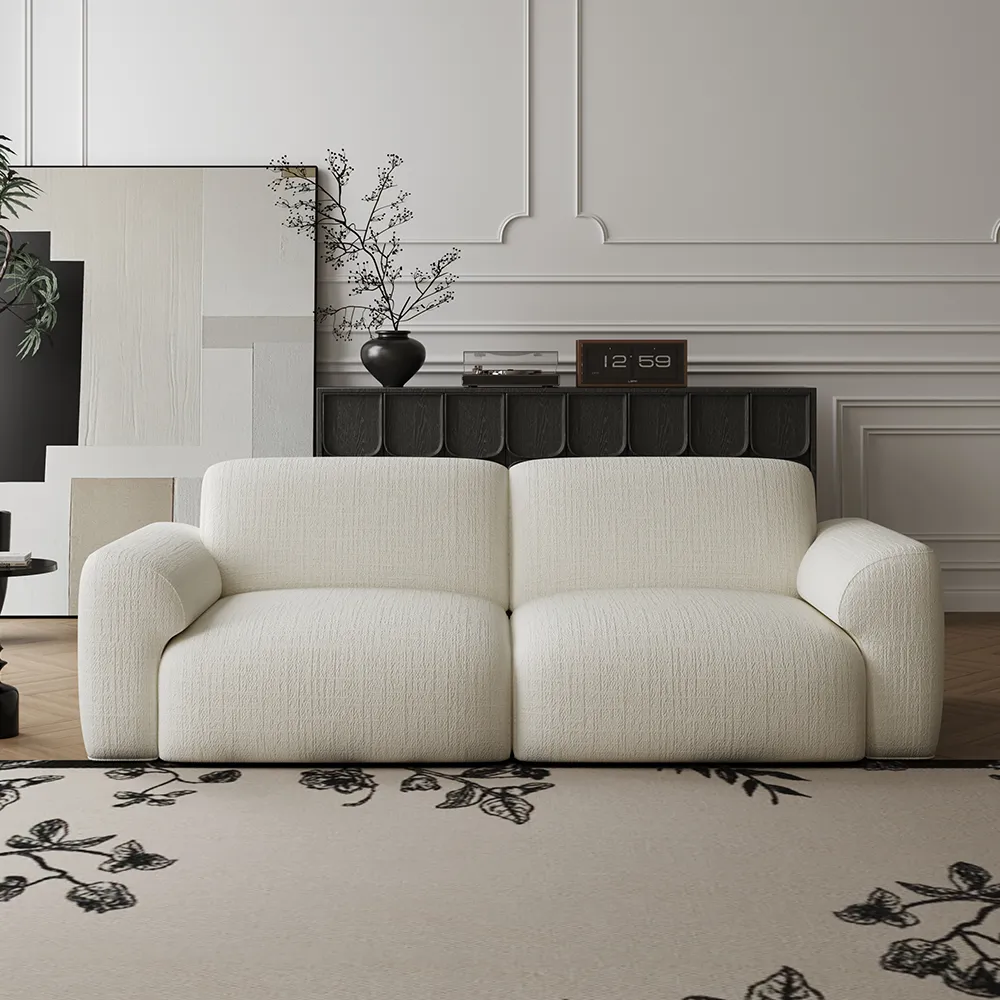
POVISON Aurora Power Sofa Bed
Power sofa bed for pet-sharing homes, pairing water- and scratch-resistant chenille with easy everyday lounging and lower-maintenance upkeep.
The Ultimate Pet-Friendly Furniture Buying Checklist
Quick-Scan Checklist Before You Buy
Before you fall for a pretty sofa online, run through this quick mental checklist:
- Is the fabric tightly woven, performance-rated?
- Does the frame feel solid, with minimal wobble, and are the legs sturdy?
- Are the cushions high-density and, ideally, reversible with removable covers?
- Are finishes non-toxic and rounded enough for zoomies and playful bumps?
- Does the color and texture work with your pet’s fur and your cleaning habits?
Conclusion: Building a Home You and Your Pets Love
Pet-friendly furniture is now a wise investment that fits your lifestyle rather than a compromise. Performance fabrics, sturdy frames, supportive cushions, and careful styling may help you create a house that seems serene, unified, and forward-thinking while yet being totally inviting to muddy paws and afternoon cat naps. Your room becomes what it was always intended to be—a place where the whole family can unwind, fur and all—when your furniture is designed and constructed with dogs in mind.
FAQs About Pet Friendly Leather Furniture and Fabrics
“Is Any Leather Automatically Pet-Friendly?”
No. Only certain leathers and finishes qualify as truly pet friendly leather furniture. Look for thicker hides, matte or lightly textured finishes, and quality construction. Very thin, glossy, or super-soft leathers tend to show scratches and stretching faster under real-life pet use, especially with larger or active animals.
“Can I Have a Light Sofa with Dark Pets?”
Yes—but set realistic expectations. Choose performance fabrics with stain-resistant treatments, a slightly textured weave, and removable cushion covers. Add patterned throws where your pet naps to catch fur. You’ll need more frequent vacuuming and lint rolling, but you don’t have to give up a light, airy living room just because your dog is charcoal or black.
“Will Scratch-Resistant Leather or Fabric Stop My Cat from Scratching?”
Scratch-resistant materials reduce visible damage, but they don’t change your cat’s instincts. Provide sturdy scratching posts near your furniture, reward your cat for using them, and consider nail trims or soft caps. Good fabric choices plus thoughtful environmental design and training usually work better than relying on material tech alone.
“How Long Should Good Pet-Friendly Furniture Last?”
With quality construction and decent habits, pet friendly furniture should look good for 7–10 years of regular family-and-pet use. Without grooming, cleaning, or basic care, you might halve that. It’s time to repair, reupholster, or replace when frames loosen, cushions lose support, or stains and damage no longer clean or flip away.


I love how you highlighted that pet-friendly furniture isn’t just about scratch resistance. As a pet owner, I’ve found that cleanability is just as important—especially with pets that shed a lot. It’s nice to know there are stylish options that can stand up to the challenge!