 By Aria
Introduction
A faux leather sofa is a popular choice because it looks polished, costs less than genuine leather, and is usually easier to maintain in everyday life. Still, many homeowners ask, how do i clean faux leather sofa without causing peeling, fading, or a sticky surface. That concern makes sense, because the wrong cleaner or too much water can wear down the finish over time. This guide explains how do i clean faux leather sofa safely, how to handle common stains, and how to care for pleather, synthetic leather, and fake leather couches without overcomplicating the process.
What Is Faux Leather and How Is It Different From Real Leather?
Before cleaning any sofa, it helps to understand what the material actually is. Faux leather may look similar to real leather, but the surface behaves differently, which is why the best cleaning method is usually lighter, faster, and more focused on the top layer.
What is faux leather?
So, what is faux leather? It is a man-made material created to imitate real leather, usually with a fabric backing and a synthetic surface such as PU or PVC. When people compare pu and leather, the practical difference is simple: PU and other synthetic materials are coated and less absorbent, while real leather is natural and more porous. That is why how to clean synthetic leather usually means gentle surface care instead of deep conditioning.
Faux leather has become a mainstream upholstery option because it combines style with easier upkeep. Grand View Research estimates the global synthetic leather market will reach USD 45.53 billion in 2025, which reflects how widely these materials are used across furniture and interiors today (Grand View Research, 2025).
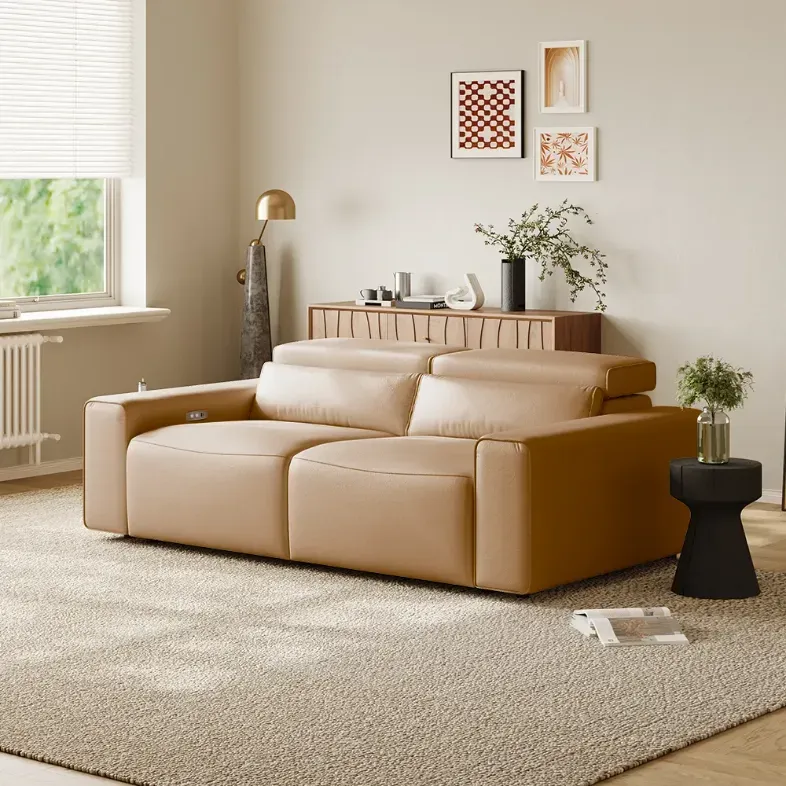
Faux leather vs real leather: why does cleaning differ?
When comparing faux leather vs real leather, cleaning needs are one of the biggest differences. Faux leather has a coated outer layer that handles light spills well, but it can peel or crack if scrubbed too hard or exposed to harsh chemicals. Real leather is more absorbent and often needs conditioning to maintain its texture.
| Feature | Faux Leather | Real Leather |
| Surface | Synthetic coated layer | Natural hide |
| Absorbency | Lower | Higher |
| Best cleaning method | Gentle wipe-down | Material-specific care |
| Conditioning | Rarely needed | Often helpful |
| Main risk | Peeling, cracking, residue | Drying, staining |
That is why the safest answer to how to clean faux leather is usually the simplest one: wipe gently, use mild soap, and dry the surface quickly.
How Do I Clean a Faux Leather Sofa Step by Step?
If your main concern is how do i clean faux leather sofa correctly, the good news is that the routine is straightforward. A few basic tools and the right order of steps will handle most dust, body oils, and everyday marks without damaging the finish.
What do you need before cleaning?
Start with a microfiber cloth, mild dish soap, warm water, a small bowl or spray bottle, a dry towel, and cotton swabs for detail work. These basics are enough for most homes, whether you are learning how to clean pleather, how to clean faux leather couch, or simply trying to keep a high-use sofa fresh between deeper cleanings.
How do you clean it safely and remove common stains?
Vacuum loose crumbs and dust first, especially along seams. Then mix a small amount of mild dish soap with warm water, dampen a microfiber cloth, and wipe the sofa section by section. The cloth should feel damp, not wet. For food or drink marks, blot instead of scrubbing. For ink or dye transfer, use a cotton swab with a tiny amount of rubbing alcohol only after testing a hidden spot first.
This shorter method is enough for most readers asking how to clean fake leather couches or how to clean pleather couch. I once cleaned a faint snack stain from an armrest after it had been sitting there through an entire evening, and it lifted with diluted soap and a quick dry towel finish. The biggest difference was treating it early and keeping moisture under control.
That same easy-care logic works especially well on sustainable leather surfaces, which are designed to balance comfort, durability, and lower-maintenance upkeep. The POVISON Power Reclining Sofa uses sustainable leather that is described as durable, water-resistant, and easy to clean, making it a natural fit for the kind of gentle wipe-down routine recommended for faux leather. Beyond the material itself, it also offers a deep seat, adjustable support, and built-in USB and Type-C charging for everyday comfort.
The same habit of using light moisture and fast drying also aligns with advice on how to clean faux leather couch, where gentle tools matter more than harsh products.
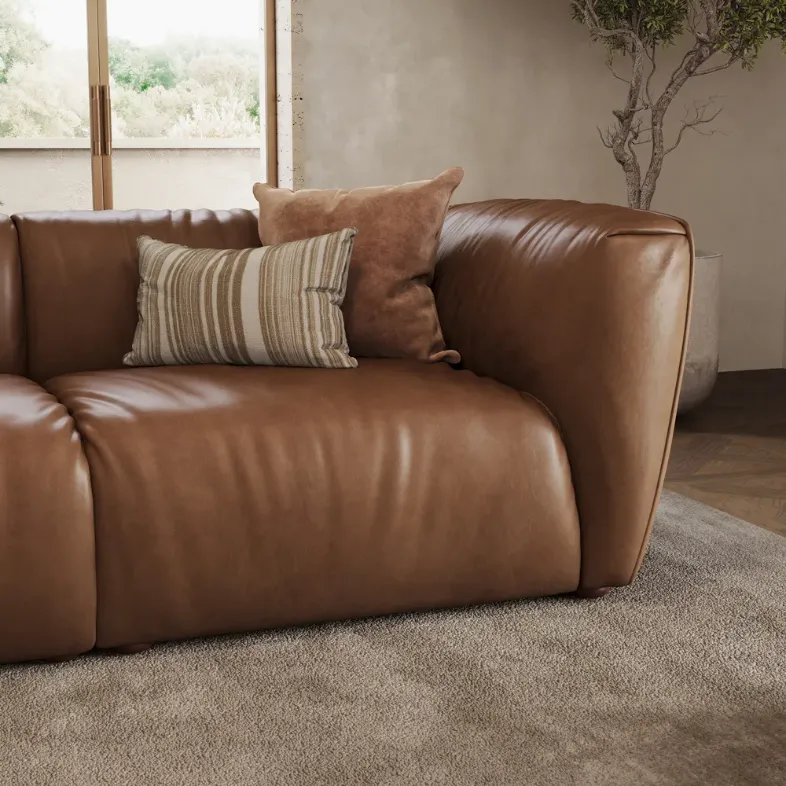
Why Should You Avoid Certain Cleaners on Faux Leather?
Many faux leather problems come from over-cleaning, not neglect. Strong sprays, rough scrubbers, or soaking the material may seem effective in the moment, but they can shorten the life of the surface and make the sofa look older faster.
What products should never be used?
Avoid bleach, abrasive scrubbers, strong solvents, excessive water, and heavy leather conditioners that are made for real leather. Faux leather does not usually need oily treatment, and harsh products may leave a film or wear down the protective coating.
| Wrong Method | Better Choice |
| Bleach or solvent spray | Mild soap and warm water |
| Rough scrub pad | Soft microfiber cloth |
| Soaking the sofa | Damp wipe only |
| Heavy wax or oil | No conditioner unless labeled safe |
| Heat drying | Soft towel and air drying |
Why can the wrong method damage fake leather couches?
Fake leather couches usually have a synthetic top layer. That layer can weaken under strong friction, chemical exposure, or too much moisture around seams and edges. If the backing absorbs water or the coating becomes brittle, peeling and discoloration become more likely.
That is why how to get rid of leather stain on faux leather should always start with the mildest method first. A careful first response is usually safer than trying to rescue the surface later with something aggressive.
How Can You Keep a Faux Leather Sofa Looking New Longer?
Good cleaning is only one part of long-term care. The better strategy is to combine light routine cleaning with habits that reduce wear, especially in homes with children, pets, or heavy daily use.
How often should you clean a faux leather couch?
A weekly dusting or quick wipe is enough for many households, while spills should be cleaned immediately. A fuller surface clean every few weeks is usually enough unless the sofa gets constant daily use. Sticky armrests, dull headrests, or visible dirt around seams are good signs that the sofa needs more attention. Using a soft cloth regularly and rotating cushions, if your sofa design allows, can also help distribute wear more evenly over time.
How do you prevent peeling, cracking, and fading?
Keep the sofa away from direct sunlight, heaters, and air vents. Clean spills before they set, and reduce rough friction from pet claws, sharp objects, or metal details on clothing. In one bright living room I visited, the seat nearest the window always looked more tired than the rest, even though it was not dirtier. The real problem was repeated sun exposure, not poor cleaning.
Long-term care also depends on a few small habits: test any cleaner on a hidden spot first, avoid covering the surface with heavy oily products, and protect high-use areas if one seat gets used much more than the others. If you are comparing upkeep across materials, guides discussing faux leather vs real leather often point out that faux leather is easier to manage when the routine stays simple and consistent.

Conclusion
A faux leather sofa is fairly easy to maintain when you use the right routine. If you remember one rule, let it be this: use soft tools, mild soap, minimal moisture, and quick drying. That simple habit is the most reliable answer to how do i clean faux leather sofa and the easiest way to protect the surface from everyday wear. With regular wipe-downs, fast spill care, and a little protection from heat and sunlight, your faux leather couch can stay smooth, clean, and attractive for much longer.
Q&A
How to clean pleather safely?
Use a microfiber cloth, warm water, and a small amount of mild dish soap. Keep the cloth damp rather than wet, wipe gently, and dry the area right away. That is the safest everyday method for how to clean pleather without stressing the surface.
How to clean faux leather couch without damaging it?
Vacuum crumbs first, wipe lightly with diluted soap, and avoid bleach, rough scrubbers, or soaking the material. Faux leather usually holds up best when the surface is cleaned gently and dried immediately after wiping.
How to clean fake leather couches with stains?
Start by identifying the stain type. Blot food and drink spills, lift grease before wiping, and use rubbing alcohol only in very small amounts for ink after a hidden-spot test. Mild cleaning should always come before stronger methods.
How to clean synthetic leather if it feels sticky?
Sticky faux leather often means residue or oil buildup. Wipe it with diluted soap, follow with a clean damp cloth, and dry it thoroughly. Avoid heavy cleaners or oily products that may leave the surface feeling worse.
Can I use leather cleaner on faux leather?
Only if the label clearly says it is safe for faux leather or synthetic leather. Many cleaners made for real leather contain waxes or conditioners that faux leather does not need and may leave behind residue.


