 By Charles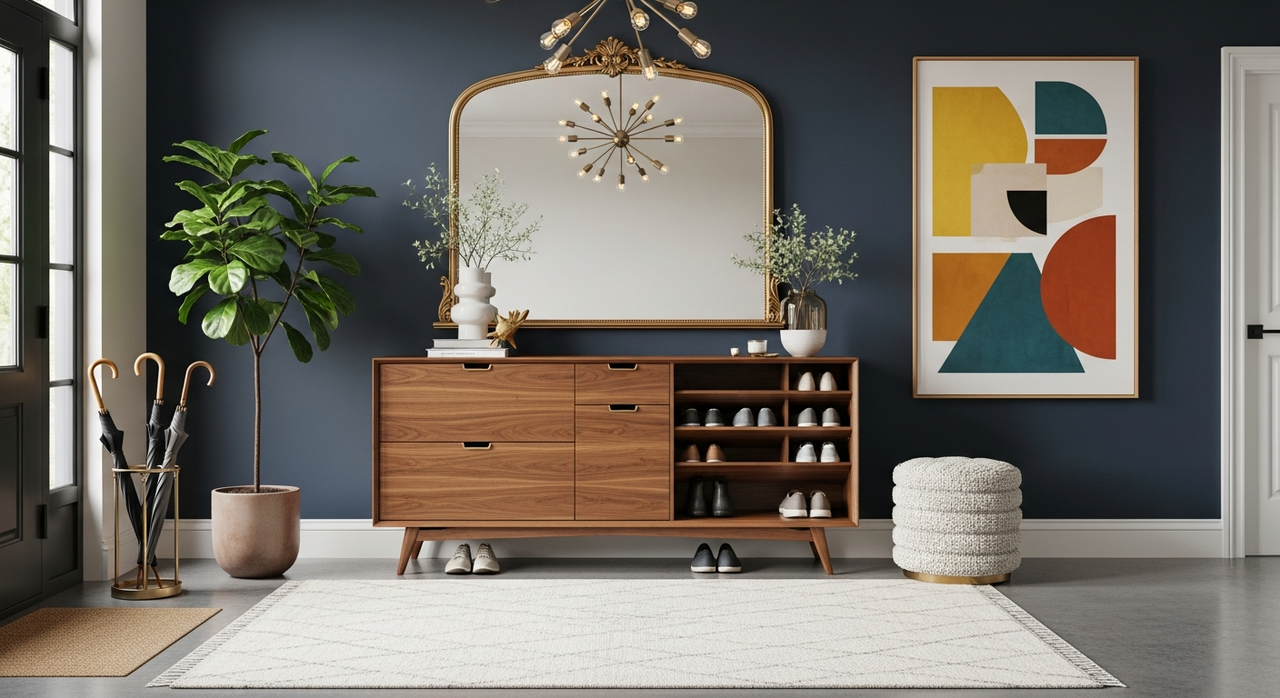
If you’re Googling shoe storage solutions, you’re probably already tired of tripping over sneakers, school shoes, and muddy paw prints on your way out the door. You don’t want a Pinterest-perfect mudroom: you want something that saves you time during the morning rush and actually survives kids and pets. Let’s walk through practical options that work for a real, busy household like yours.
Why Busy Households Need Specialized Shoe Storage
When every shoe has a clear “home,” you stop spending five minutes hunting for that missing sneaker right before school. Strategic shoe storage solutions turn piles into predictable zones: everyday shoes by the door, special-occasion pairs tucked away, and sports gear in one spot. You’re not just organizing: you’re buying back small chunks of your morning.
A closed shoe-cabinet or bench with doors in the entryway cuts visual clutter fast. I recommend checking out Povison’s fully assembled entry storage options—they hide the chaos instantly, and because they ship pre-built, you solve the mess without ever opening a toolbag.
The Pet Factor: Why Standard Racks Fail in Pet-Friendly Homes
Open metal racks look fine on day one, but in a pet household they’re basically chew toys and sniff stations. Standard racks keep shoes at nose height, which is perfect if you’re a dog and a disaster if you’re the one replacing chewed sandals.
Closed, raised storage protects your shoes from curious pets and muddy tails. Look for:
- Doors to block access
- Height off the floor (at least 4–6 inches)
- Solid wood or engineered wood instead of flimsy wire that bends under jumping cats
Location Matters: Entryway vs. Closet Placement Strategies
Where you place shoe storage affects whether your family actually uses it. Entryway storage works best for the shoes you wear daily, while closets and bedrooms handle backups and off-season pairs.
Think about a two-zone system:
- Entryway zone: a slim cabinet for 8–12 pairs you reach for every week. Povison’s walnut veneer shoe cabinet, for example, arrives 100% ready to use. It creates a stylish ‘landing strip’ for your keys and mail—with a solid, heavy-duty build that doesn’t rattle or tip when you pull the drawers open.
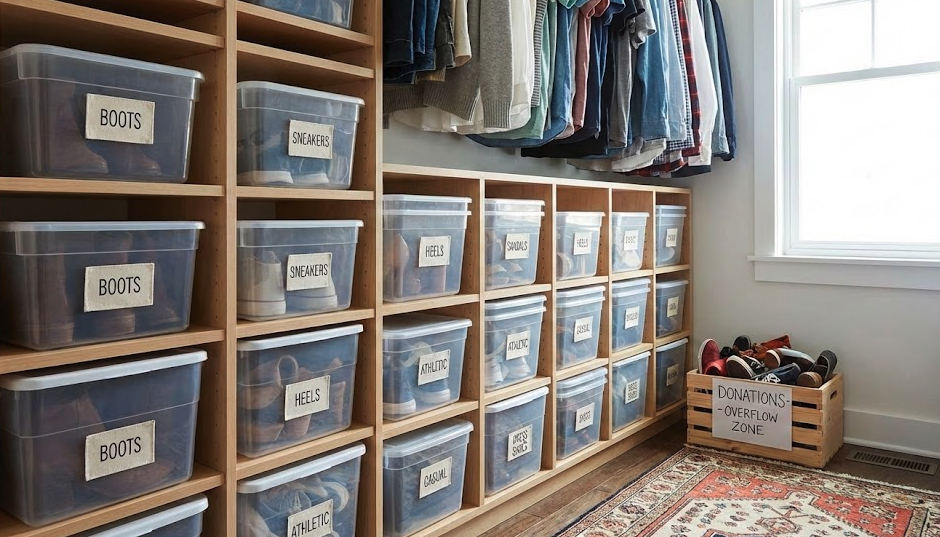
- Secondary zone: under-bed bins or closet shelves for dress shoes, heels, and rarely used boots.
This way, you don’t need to store 50 pairs by the door, just the ones in constant rotation.
Capacity Planning: How Much Shoe Storage Do You Really Need?
The “Family of 4” Formula: Storing 50 Pairs Efficiently
You probably own more shoes than you think. RunRepeat’s shoe ownership data shows people underestimate their counts, and that’s before you add kids’ outgrown pairs and seasonal boots. For a busy family of four, planning for around 50 pairs keeps you realistic.
A simple formula:
- 6–8 pairs per adult
- 5–7 pairs per kid
- 6–10 “extra” pairs (sports, boots, occasion shoes)
That quickly hits the 40–50 range. Aim for:
- 20–24 pairs in the entry/mudroom
- The rest in bedroom or hallway closets
Calculating Growth: Planning for 3 New Pairs Per Month
New shoes creep in quietly, kids size up, sports seasons change, someone gets new work shoes. If your household adds 3 pairs a month, that’s 36 pairs a year. You won’t keep them all, but you need a buffer.
Plan storage for at least 20–30% more than your current count. If you’re at 40 pairs now, design for 50–55 pairs. That space gives you room to rotate and donate without instant overflow.
Use simple rules like: “One in, one out for adults: one in, one out every two sizes for kids.” That keeps the system from collapsing under growth.
Best Shoe Storage Solutions for Kids and Pets
Stackable Bins vs. Cubbies: Which is Better for Kid-Friendly Access?
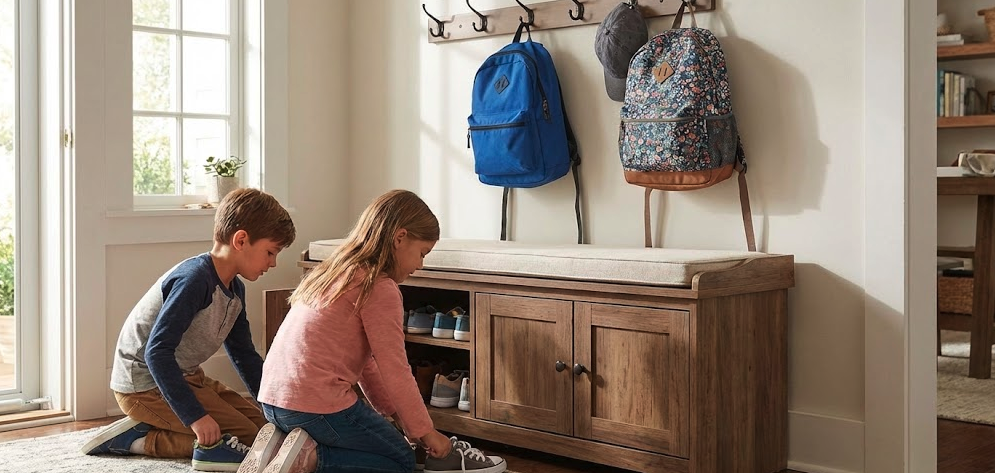
If you want your kids to actually put shoes away, the system has to be grab-and-go. Stackable bins save space, but they’re annoying when the pair you need is in the bottom bin. Cubbies or open compartments win for kid-friendly access.
Cubbies work because:
- Each pair has a visible slot
- Kids can see what’s clean vs. muddy
- No lids or drawers to fuss with
Reserve bins with lids for off-season or rarely used pairs at the top or back.
Pet-Proofing: Why You Should Avoid Bamboo Racks (Chewing Risks)
Bamboo racks are light, affordable, and easy to move, but they’re also tempting chew sticks for dogs. The texture and smell make them ideal for gnawing, especially if your pup already favors wooden chair legs.
For pet-proofing, choose:
- Painted or sealed solid wood
- Sturdier metal with tighter spacing
- Enclosed cabinets instead of open shelves
This keeps your shoes safer and reduces the chances of splinters or broken pieces scattered around.
Heavy-Duty Options: Which Over-the-Door Organizers Won’t Sag?
Over-the-door organizers are great in small spaces, but many sag once you load them with sneakers. To avoid that, look for:
- Metal hooks that wrap fully over the door
- Reinforced stitching at each pocket
- A rigid top bar instead of just fabric
Limit heavier shoes (like boots) to lower pockets, and use top rows for kids’ pairs or lighter flats so everything holds its shape longer.
My 3-Month Test: Top Shoe Storage Picks Reviewed
Durability Test: Comparing 5 Top Brands on Assembly & Wear
Over 3 months, you’d notice what actually holds up: hinges, shelves, and finishes. When you compare five common options—cheap plastic racks, thin metal units, enclosed cabinets, over-the-door organizers, and solid-wood benches—you start to see patterns.
Generally:
- Plastic scuffs and cracks first
- Thin metal bends under weight
- Solid-wood or high-quality veneer with proper hardware stays stable
If assembly instructions look like a puzzle, skip it. Pre-assembled or minimal-assembly pieces save you 1–2 hours per unit.
Budget Battle: Is a $50 Metal Rack Better Than a $30 Plastic One?
A $30 plastic rack seems fine until it warps under winter boots and you’re replacing it next year. A $50 metal rack with a 150–200 lb capacity and thicker tubing usually lasts several years.
Think in 5-year chunks:
- $30 rack replaced every 2 years = $90 over 6 years
- $80–$120 cabinet or bench lasting 8–10 years = better value per year
You’re not just buying shelves: you’re buying fewer Saturday afternoons rebuilding flimsy racks.
The Verdict: Top Picks That Survived My Family and Pets
For most busy households, your best long-term mix looks like this:
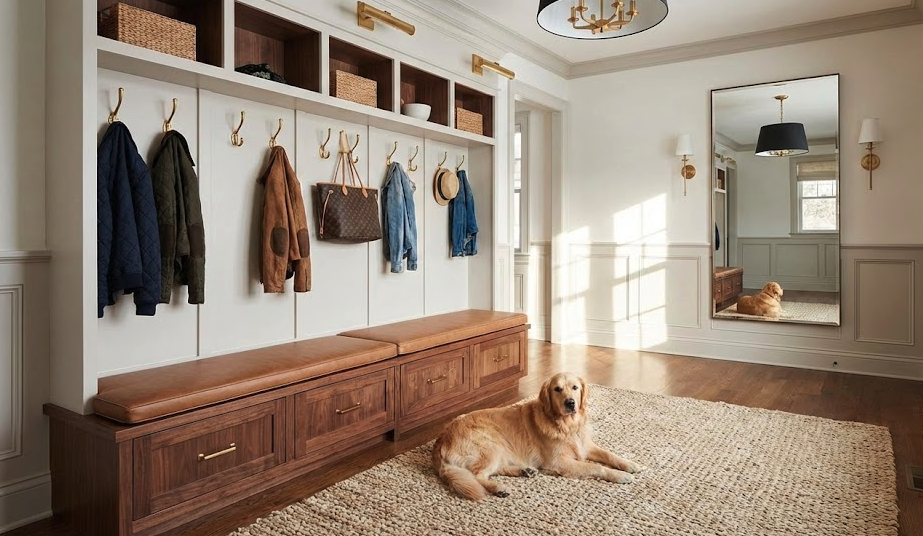
- An entryway shoe bench or cabinet (solid wood or quality veneer) for everyday pairs
- A heavy-duty over-the-door organizer for small closets
- A few labeled bins in closets for off-season shoes
If you want a starting point, use Povison’s pre-assembled walnut veneer model as your benchmark for stability. Go ahead and compare it with other solid-wood options, but prioritize ‘delivered-intact’ quality and enclosed designs over flat-pack racks that will eventually collapse under real life.
Frequently Asked Questions
What are the most practical shoe storage solutions for a busy family home?
For busy households, the best shoe storage solutions combine an entryway zone and a backup zone. Use a closed shoe bench or cabinet by the door for 8–12 everyday pairs, and store dress shoes, boots, and off-season pairs in closet shelves or labeled bins to reduce clutter and morning chaos.
How much shoe storage does a family of four really need?
A realistic target for a family of four is planning space for about 40–50 pairs: 6–8 pairs per adult, 5–7 per child, plus 6–10 extra for sports and occasions. Aim to store 20–24 pairs in the entry or mudroom and keep the rest in closets or under-bed storage.
What are the best shoe storage solutions for homes with kids and pets?
Choose closed, raised cabinets or benches to protect shoes from pets and keep visual clutter down. For kids, cubbies or open compartments work better than stacked bins because each pair is visible and easy to grab. Avoid flimsy wire or bamboo racks that bend, wobble, or invite chewing.
How do I choose shoe storage for a small apartment or narrow entryway?
In small spaces, prioritize vertical and multiuse shoe storage solutions. Slim cabinets, over-the-door organizers, and benches with hidden compartments maximize capacity without taking much floor space. Store only your most-used pairs at the door and move rarely worn or seasonal shoes to closet shelves or under-bed organizers.
How often should I declutter and reorganize my shoe storage?
Review your shoe storage every 3–6 months or whenever seasons change. Use simple rules like “one in, one out” for adults and “one in, one out every two sizes” for kids. Planning 20–30% extra capacity makes it easier to rotate, donate, and prevent overflow before it becomes a mess.
Past Review:


