 By Jenny Smith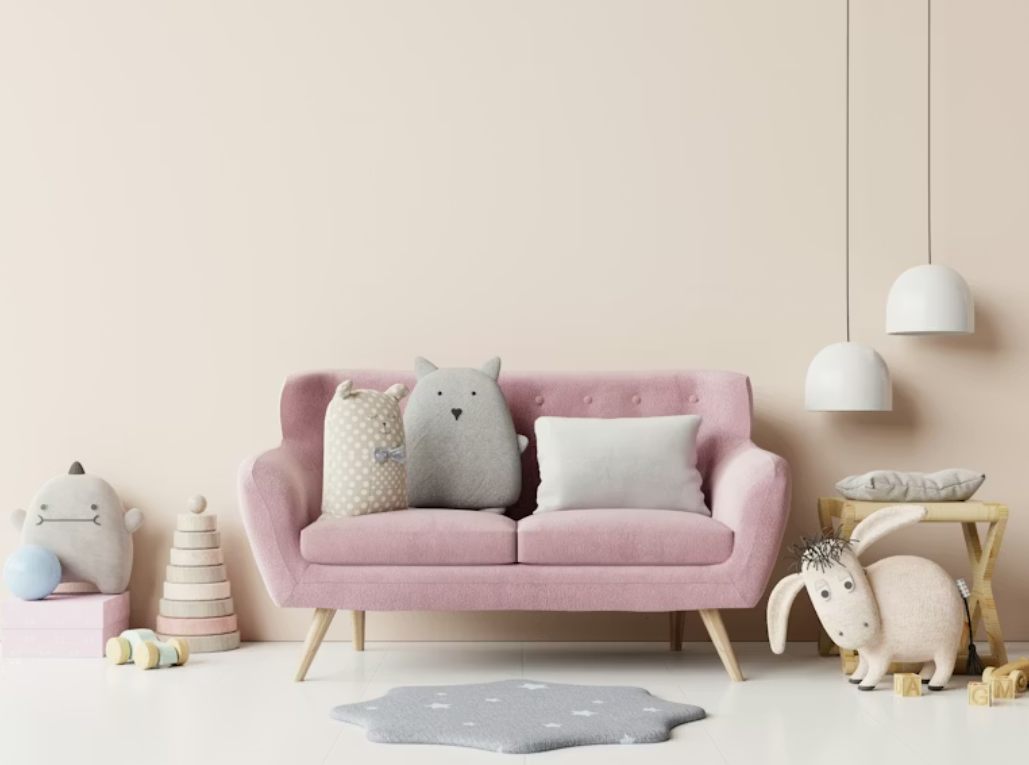
A loveseat is a compact two-seat sofa that gives you real comfort in a smaller footprint, making it perfect for modern living room seating. It’s ideal when you want a cozy spot to lounge, read, or scroll without committing to a huge sofa—especially in apartments or open-plan homes focused on small space decor. In this guide, you’ll learn practical, step-by-step ways to style loveseat layouts so they look intentional, layered, and modern, without doing a full renovation.
Start by Choosing the Right Loveseat for Your Modern Living Room
Before you think about pillows or art, decide what role the loveseat plays. Is it the main seat for movie nights, a reading perch by the window, or a flexible extra seat for guests? In a room under about 150 square feet, a 55–65 inch loveseat often leaves better walkways than a full sofa, while still seating two adults comfortably. If you’re still shopping, Povison’s detailed loveseat buying guide walks through size, depth, and comfort choices.
Think about fabric and color in the context of your whole room. A performance fabric or leather is smarter for homes with kids and pets, while textured bouclé or woven linen suits calm, organic-modern spaces.
Build a Focal Point Around Your Loveseat (Walls, Rugs & Lighting)
Anchor Your Loveseat with Art, Paint or Wall Decor
Once the loveseat is placed, make the wall behind it work hard. Center artwork using the “two-thirds” rule: choose a piece (or grouping) that’s roughly two-thirds the width of your loveseat, and hang it so the center is around 57–60 inches from the floor. One big canvas feels minimal and modern; a slim gallery wall with consistent frames reads more curated than cluttered. In my last apartment, a single oversized line-drawing above a caramel leather loveseat instantly made the whole room feel designed.
To keep things architectural, consider shallow wall molding, vertical slats, or a tone-on-tone painted panel behind the loveseat. Living rooms are worth this attention—about 19% of renovation projects focus on them, making them one of the most commonly updated spaces in the home (Houzz 2024 U.S. Houzz & Home Study via Martha Stewart).
Use Rugs & Lighting to Frame the Seating Area
A rug visually claims the loveseat zone so it doesn’t float awkwardly. In small rooms, “front legs on” (only the front legs of the loveseat sit on the rug) keeps things light; in larger rooms, placing all legs on the rug makes the space feel more luxe. Abstract, geometric, or subtle tone-on-tone patterns pair well with modern styles and hide everyday crumbs.
Layered lighting finishes the focal point. A slim floor lamp just behind the loveseat creates a cozy reading pool, while a small table lamp on a side table softens screen glare. Dimmable bulbs give you “movie mode” and bright “work mode” using the same fixture. A recent Houzz trend report shows homeowners leaning into organic modern and wellness-focused rooms, where soft, layered lighting is key (Houzz U.S. Emerging Trends, 2024).
Loveseat Decor Essentials – Pillows, Throws & Texture
Pillow Formulas to Effortlessly Style a Loveseat
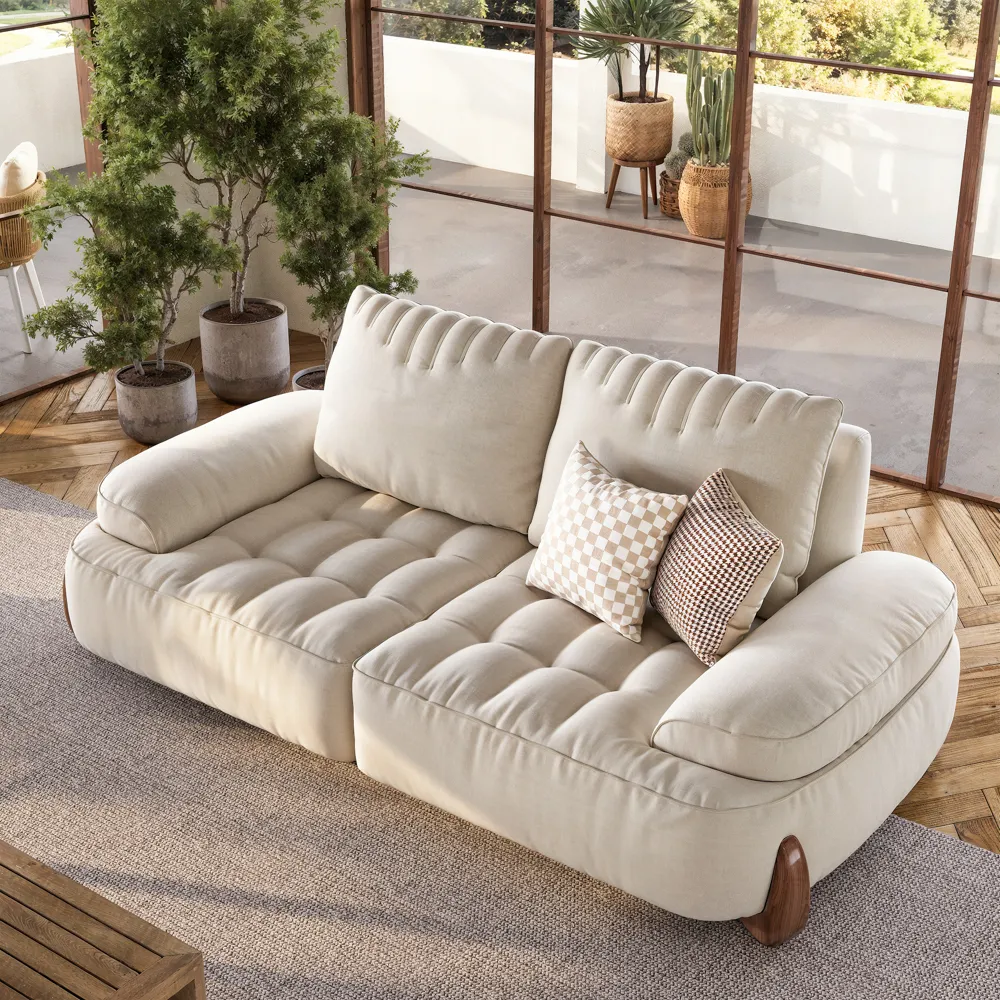
On a loveseat, every pillow counts. Start with simple “recipes”: two 20–22 inch pillows plus one lumbar gives balance without crowding. For more layers, try two matching pillows at the back and two smaller contrasting ones up front. Mix one solid, one subtle pattern (like a micro-stripe), and one bolder pattern so the eye has a clear hierarchy instead of chaos.
Keep color tied to your overall palette—repeat one accent from your art or rug, and add one calmer tone to ground it. More than three or four pillows on a standard loveseat can feel fussy and literally leave nowhere to sit. For a deeper dive into fabrics and fills, check Povison’s guide on buying a loveseat online.
Flat vs. Styled Pillows (Quick Snapshot)
| Flat, Undersized Pillows | Styled, Right-Sized Pillows | |
| Size | Under 18″ | 20–22″ on most loveseats |
| Fill | Thin, slouchy | Plush, down-alternative or foam |
| Arrangement | Scattered randomly | Symmetrical, with 1 hero pillow |
| Impact | Looks tired, underwhelming | Feels polished and inviting |
Throws, Trays & Small Decor That Make It Feel Finished
Throws add softness and seasonality to loveseat decor. In summer, a lightweight linen or cotton throw folded neatly over the back keeps things airy; in winter, a chunky knit draped over one arm or stored in a nearby basket feels extra cozy. In my current 230-square-foot studio, a simple oatmeal knit throw plus one rust pillow makes my compact loveseat feel like a destination, not a compromise.
Echo loveseat colors in nearby decor so the look feels intentional: a tray on the coffee table with a candle, small vase, and book spine that repeats your accent color is plenty. Small swaps—new throw in fall, refreshed pillow cover in spring—are more than enough for most people to keep the space feeling updated. No surprise that 46% of homeowners planned decorating projects in 2024 (2024 U.S. Houzz & Home Study).
Pair Your Loveseat with Smart Seating & Tables for a Cohesive Look
Side Chairs, Ottomans & Benches That Complement (Not Crowd) the Loveseat
Think of your loveseat as the anchor, then add only what the room can comfortably handle. A single accent chair in a contrasting shape—say, a curved chair opposite a boxier loveseat—creates a cozy conversation “face-to-face” setup. In tight rooms, a round ottoman softens traffic flow and doubles as extra seating or a coffee table with a tray.
If you have a window wall opposite the loveseat, a slim bench under the sill keeps sightlines open while adding perch-oriented seating. When mixing styles, match at least one element—leg finish, upholstery tone, or overall height—so pieces feel related rather than random. For more layout ideas and measurements, Povison’s article on sofa vs loveseat vs couch is a helpful companion.
Coffee Tables & Side Tables in Proportion to a Loveseat
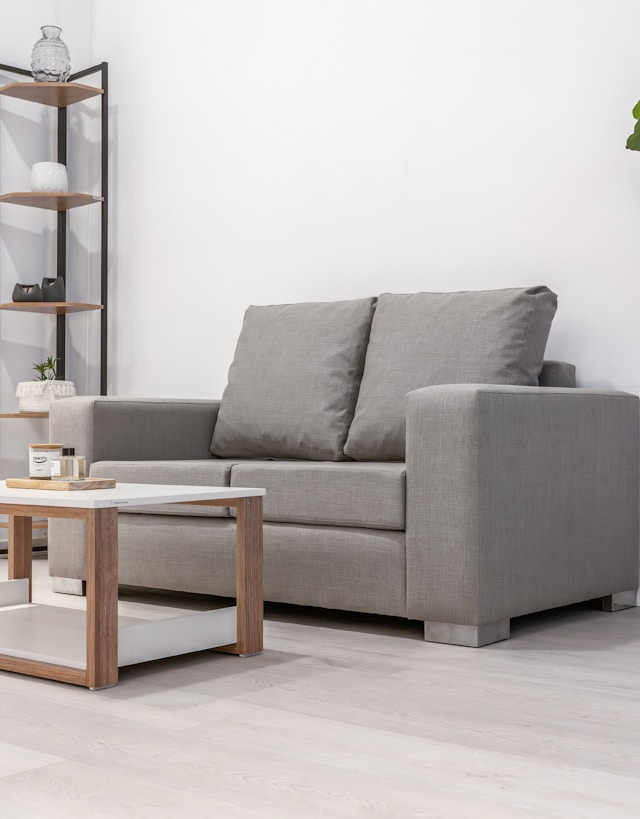
For a typical loveseat, a coffee table that’s about two-thirds of its length feels balanced and easy to reach. Aim for 14–18 inches between the front edge of the loveseat and the table: close enough for a drink, far enough for knees. In very small living rooms, nesting tables or a round coffee table avoid sharp corners and can be pushed aside for yoga or playtime.
Give each seat at least one reachable surface—a shared coffee table plus one side table is usually plenty. Side tables should be close to the arm height, not way below it, so putting down a mug doesn’t require a mini-workout. In extremely tight rooms, a slim console or wall-mounted shelf behind the loveseat can stand in for side tables while keeping the footprint minimal.
Styling a Loveseat in a Small Space or Multi-Use Room
Smaller homes and apartments are becoming more common as construction costs rise and average home sizes shrink in many cities, which is why compact seating matters more than ever (Financial Times, 2025). In a studio or open-plan layout, float your loveseat away from the wall to act as a subtle room divider: loveseat facing the TV, desk tucked behind it, or loveseat facing the dining table with a slim console marking the boundary.
Use zoning tools to make each function clear. A rug under the loveseat and coffee table says “living room,” while a second rug under a small dining set or desk signals “work” or “eat” without adding walls. Open shelving or a low bookcase placed behind the loveseat adds storage and creates a visual stop between zones. For more product ideas, check Povison’s guide to the best leather loveseats for modern homes.
Free up floor space by thinking vertically. Wall-mounted sconces or plug-in swing lamps replace bulky floor lamps; floating shelves handle decor and a few books where a side table would normally go. When I helped a friend style her 600-square-foot condo, we centered a slim loveseat on a rug, added a wall-mounted shelf behind it, and used only one tiny side table—she still had room to roll out a yoga mat in front of the TV. These solutions speak directly to Povison’s small-space, design-savvy customer base.
Real-Life Styling Examples & Quick Formulas to Copy
Three Ready-to-Copy Loveseat Looks (Modern Styles)
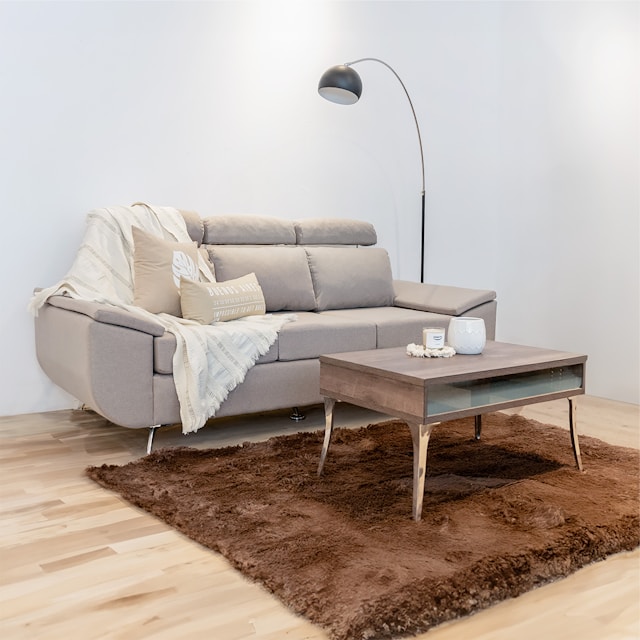
- Minimal & Airy – Light neutral loveseat, two pillows in soft beige and pale gray, one thin throw over the arm, a large simple black-and-white artwork, and a slim black floor lamp.
- Warm & Cozy – Soft textured loveseat, three layered pillows in caramel, cream, and rust, a chunky knit throw, low-pile warm rug, table lamp with fabric shade, and a small wood side table.
- Bold & Artistic – Deep green loveseat, abstract statement art above, pillows mixing stripes and a tiny check, sculptural metal floor lamp, and a patterned rug that repeats one accent color.
Simple Styling Rules to Always Make a Loveseat Look Put-Together
A few evergreen rules will keep almost any loveseat decor scheme on track. Repeat each accent color at least twice—once on the loveseat, once in the room—so it feels intctured shapes: if your loveseat and pillows are plush, let the coffee table and lighting be cleaner and more geometric. Leave at least one surface, such as half the coffee table, as “breathing space” with only one or two objects.
Conclusion
With the right loveseat choice, a clear focal point, and thoughtful loveseat decor, even the smallest modern living room can feel curated instead of cramped. Start with one step—maybe swapping pillow sizes or adding a rug that truly fits your seating area—and build from there. Over time, let your lifestyle lead the styling: whether you host friends, work from home, or just love quiet reading nights, your loveseat can become the coziest two-seat headquarters in the house, fully aligned with a “Ready To Live In” way of living.
Q&A
How many pillows should I put on a loveseat?
Most loveseats look best with two to four pillows. Aim for two larger pillows (20–22 inches) and one lumbar, or two matching plus two smaller accents. You want enough softness to feel inviting but still leave clear seating space so guests don’t have to relocate a mountain of cushions before they sit.
Can I use a loveseat as my main sofa in a small living room?
Yes. In many small living rooms, a loveseat plus one accent chair feels more spacious and flexible than a single oversized sofa. Just prioritize walkways of at least 30–36 inches and use a rug to anchor the seating area. If you host larger groups often, add a pouf or ottoman that can double as extra seating when needed.
What’s the best coffee table shape for a loveseat in a small space?
Round or oval coffee tables are friendlier to narrow rooms because they soften corners and make it easght spaces, nesting tables give you layers when you need them and tuck away when you don’t. Rectangular tables work well too, as long as they’re about two-thirds the loveseat length and 14–18 inches away from the front edge.
How do I style a loveseat if I rent and can’t paint or drill into walls?
Lean framed art on a low console or picture ledge behind the loveseat instead of hanging it. Use removable hooks for lightweight pieces and plug-in sconces or tall floor lamps instead of hardwired lights. Peel-and-stick wall panels or decals can add subtle texture without risking your deposit, and they peel off cleanly when it’s time to move.
How often should I update my loveseat decor?
You don’t need constant change. A seasonal refresh is enough for most people. Focus on changing textures and a few accent colors rather than buying new furniture. This keeps costs manageable while still making the room feel in step with your life and current trends.


