 By Charles
If the phrase “living room makeover” makes you think of dust, drama, and five open Amazon tabs, you’re not alone. You want a space where your kids, pets, and brain can all relax, but you don’t have weeks to plan or thousands to waste. The good news: with a few smart moves (and some realistic expectations), you can transform your living room in 2026 without sacrificing your weekends or your sanity.
Signs Your Living Room Needs a Makeover in 2026 (Diagnostic Guide)
Before you start shopping, you need to know what’s actually not working. A quick “diagnostic” helps you spend on what matters instead of throwing random decor at the problem and hoping it sticks.

3 Signs Worn-Out Furniture is Hurting Your Family Time
You don’t need a design degree to spot when your furniture is quietly ruining movie night:
When worn-out furniture affects family time, you’ll notice it in how often you avoid the room, how uncomfortable you feel when you’re there, and how much of your time goes to managing mess instead of relaxing.
- Cushions sink so low you need a core workout just to stand up.
- The old coffee table wobbles when kids lean on it, so you’re constantly saying, “Careful.” instead of just being present.
- There’s never enough surface or storage, so remotes, Lego pieces, and dog toys live on the floor.
If you’re routinely shuffling piles before you can sit, that’s not “cozy chaos”, that’s your living room begging for a reset.
Chaos to Calm: How Clutter Affects Parental Stress Levels
Clutter doesn’t just look messy: it raises your stress. Studies link visual mess to higher cortisol, and you feel that when you walk into the living room and instantly feel your shoulders tense.
You know clutter is hurting you when:
- It takes more than 2–3 minutes to clear a spot to sit.
- You can’t put toys or blankets away in one or two steps.
- You avoid inviting people over because the room never feels “ready.”
A makeover here isn’t about perfection. It’s about designing the room so it’s easy to reset in under 10 minutes, even after a long day with kids and pets.
Budget-Friendly Living Room Makeover 2026: Under $1000 Solutions
You can make a big impact under $1000 if you focus on paint, lighting, and one workhorse piece (like a pre-assembled TV stand or storage cabinet) instead of trying to replace everything at once.
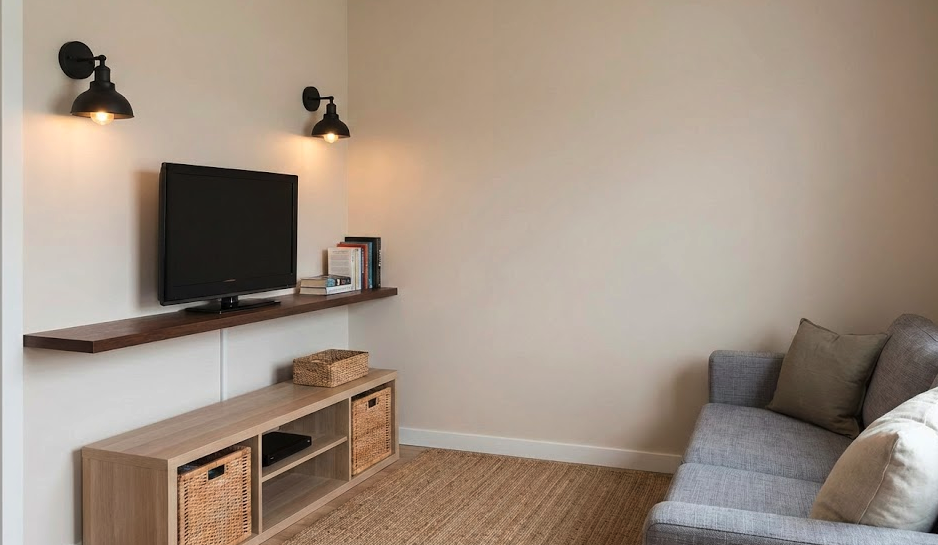
My Test Results: 4 Pet-Friendly Paint Brands Ranked by Durability
If you have pets or kids, your walls are basically giant napkins. You need scrubbable, low-VOC paint that doesn’t shine like a gym floor.
From real-world abuse (paw marks, crayon, snack grease), here’s how washability and touch-up performance typically shake out:
- Scuff-resistant lines from major brands hold up to weekly wiping with a damp cloth.
- Satin or matte “scrubbable” finishes look softer but still clean up in under 30 seconds per mark.
- Look for low- or zero-VOC formulas so you’re not airing out the house for days.
One gallon (around $50–$80) usually covers a standard living room with two coats.
Lighting Upgrades Under $500: Which Ones Actually Brighten Mood?
Lighting is the cheapest way to change how your living room feels without touching the furniture. You want layers: one bright setting for playtime and chores, one soft setting for evenings.
You get the best results when you combine overhead lighting, task lamps, and warm bulbs that mimic daylight in the morning and candlelight at night.
Aim for:
- A dimmable main fixture ($150–$250) with 2700–3000K warm white bulbs.
- Two table or floor lamps ($60–$120 each) to kill dark corners.
- Smart bulbs or plugs so you can control everything from your phone.
For under $500, your room can go from ‘cave’ to ‘cozy’ with one tap. Shop the family-friendly lighting collection that instantly warms up a room.
The Sweet Spot: Mid-Range Makeover Ideas ($1000-$3000)
With $1000–$3000, you can tackle the pieces that really shape how you live: the sofa, media storage, and a rug that can actually survive real life.
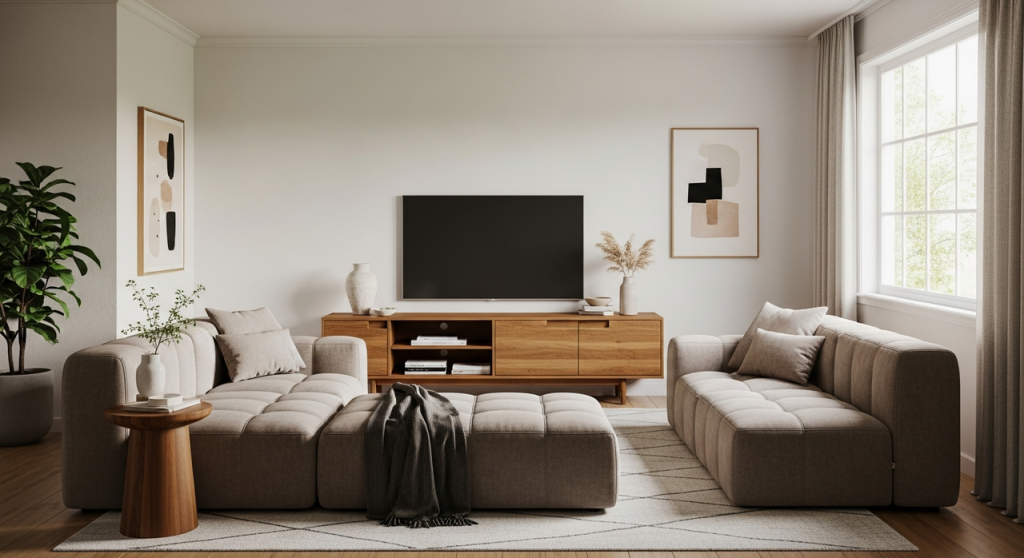
Non-Toxic Living: Why I Switched to FSC-Certified Furniture
When you shop for a new TV stand, bookcase, or coffee table, look for FSC-certified solid wood and low-formaldehyde finishes. That label means the wood comes from responsibly managed forests and is usually built to last 10–20 years, not just a couple of moves.
You benefit in three big ways:
- Sturdiness: Solid wood resists sagging: particle board often crumbles at corners.
- Repairability: You can sand and refinish dings instead of replacing the whole thing.
- Air quality: Fewer off-gassing chemicals around your kids and pets.
If you’re choosing media storage, a solid-wood pre-assembled console is a smart centerpiece. See the top-rated pre-assembled TV stands that hide cords and clutter.
For coffee tables that balance durability with family-friendly design, check solid wood coffee tables built to survive toddlers, pets, and daily abuse.
6-Month Review: Are Modular Sofas Worth It for Growing Families?
Modular sofas let you reconfigure pieces as your life changes, movie pit now, two separate couches later. They shine if you:
You’ll find modular sofas worth it when you need to adapt the layout for kids, guests, or future moves without buying a new couch every few years.
- Have kids who like to spread out for movies and forts.
- May move or re-arrange rooms in the next 3–5 years.
- Want washable, zip-off covers you can toss in the wash.
Look for high-density foam, stain-resistant fabric, and corner units with block feet (better stability with jumping kids). A quality modular setup in this range can outlast two cheaper sofas, especially in busy households.
High-End Investments Over $3000: Smart Tech & Comfort
If you’re ready to go all-in, this is where you buy pieces that change how you use the room every single day, smart tech, premium seating, and better sound.
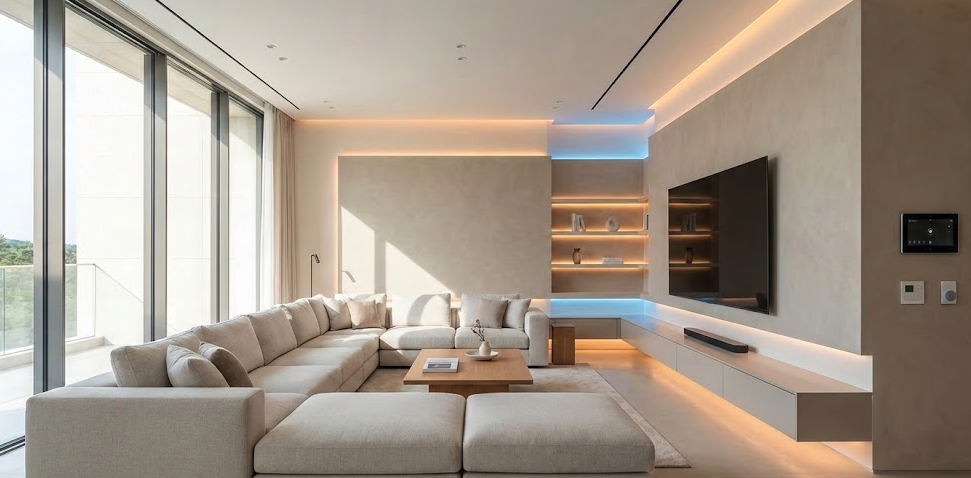
Parenting Hacks: Smart Tech Integrations That Save Me 1 Hour Daily
Smart tech in the living room isn’t about impressing guests: it’s about automation. You save the most time when your lighting, TV, and speakers behave themselves without extra steps.
The smartest upgrades:
- Smart lighting scenes: One button (or voice command) for “Assignments,” “Movie Night,” or “Bedtime.”
- Universal remote or hub: End the “which remote?” argument and accidental toddler reprogramming.
- Robot vacuum: Set it to run after bedtime: it picks up crumbs and pet hair while you sleep.
Those tiny automations can easily reclaim 30–60 minutes a day you used to spend resetting the room.
Buying Guide: Why You Should Avoid High-Pile Rugs with Pets
High-pile rugs look great in photos, but in a real home with kids and pets, they trap crumbs, hair, and mystery stickiness.
You’ll be happier long-term if you choose low-pile or flatweave rugs that vacuum in one or two passes and don’t hide accidents.
Choose:
- Low-pile (under 0.5″) or flatweave designs.
- Washable rugs or at least stain-resistant fibers.
- A size large enough that front sofa legs sit on it (usually 8×10 in most living rooms).
For more guidance on pieces that stand up to real family life, discover scratch-resistant furniture solutions designed specifically for pet owners.
Real Results: Before and After Living Room Makeover 2026
The real test of your living room makeover isn’t the “after” photo: it’s what happens on a random Tuesday night when everyone’s tired and the dog’s muddy.
Case Study: How a Layout Change Improved Family Bonding
You can usually improve connection without buying a single extra throw pillow, just by changing where the furniture points.
You’ll see the biggest bonding boost when seating faces each other instead of everything orbiting the TV, and when walkways are clear enough for kids and pets to move freely.
Try:
- Forming an L- or U-shape with your sofa and chairs so people face each other.
- Moving the TV slightly off-center so conversations don’t always revolve around it.
- Putting a storage ottoman in the middle for feet, snacks, and hidden toy bins.
Small shifts like these can turn “everyone on their own device” into shared games, shows, and conversations.
60-Day Follow-Up: Which Upgrades Added the Most Home Value?
In the first 60 days after a living room makeover, you’ll notice which upgrades pull their weight daily, and which mostly just look nice.
In most busy homes, the best ROI comes from:
- Durable seating that still looks good after spills and naps.
- Closed storage (media console, sideboard) that hides clutter in seconds.
- Updated lighting and paint, which instantly make the room feel newer in photos and in person.
Those changes not only make your evenings smoother but can also help when it’s time to sell. Real estate agents consistently highlight fresh paint, modern lighting, and functional layouts as features that make listings stand out.
If you’re planning your own living room makeover, start by deciding your budget tier, then focus on one big comfort upgrade (usually seating) and one big sanity upgrade (storage or lighting). Everything else is just the fun details.
Living Room Makeover FAQs
What are the first signs that I need a living room makeover?
You probably need a living room makeover if you avoid using the room, constantly shuffle piles just to sit, or feel your shoulders tense from visual clutter. Sinking cushions, wobbly tables, and no storage for toys, remotes, and pet gear are key signals the space needs a reset.
How can I do a budget-friendly living room makeover under $1000?
Focus on high-impact changes: repaint the walls with scrubbable, low-VOC paint, improve lighting with a dimmable main fixture and 1–2 lamps, and add one hardworking piece like a TV stand or storage cabinet. These updates can dramatically change the mood and function without replacing everything.
What’s the best way to choose family- and pet-friendly furniture for a living room makeover?
Look for FSC-certified solid wood furniture with low-formaldehyde finishes for durability and better air quality. Choose low-pile or flatweave rugs that vacuum easily, and consider modular sofas with washable, zip-off covers and high-density foam so the pieces can adapt as kids, pets, and layouts change.
How do I reduce clutter and stress in my living room quickly?
Design the room so it can reset in under 10 minutes. Add closed storage like media consoles and baskets for toys and blankets, keep surfaces mostly clear, and ensure everything has a simple “one- or two-step” put-away spot. This lowers visual mess and the daily mental load of tidying.
What living room makeover ideas add the most home value?
Upgrades that typically add the most value are durable, good-looking seating; fresh, neutral paint; modern layered lighting; and functional closed storage that hides clutter. These changes improve daily life and help listings stand out, since buyers respond to clean, bright, and well-organized living spaces.
Past Review:


I completely agree with the point on worn-out furniture impacting family time. I noticed my old couch was so uncomfortable that we started avoiding the living room, which made the whole space feel less inviting.