 By Kelvin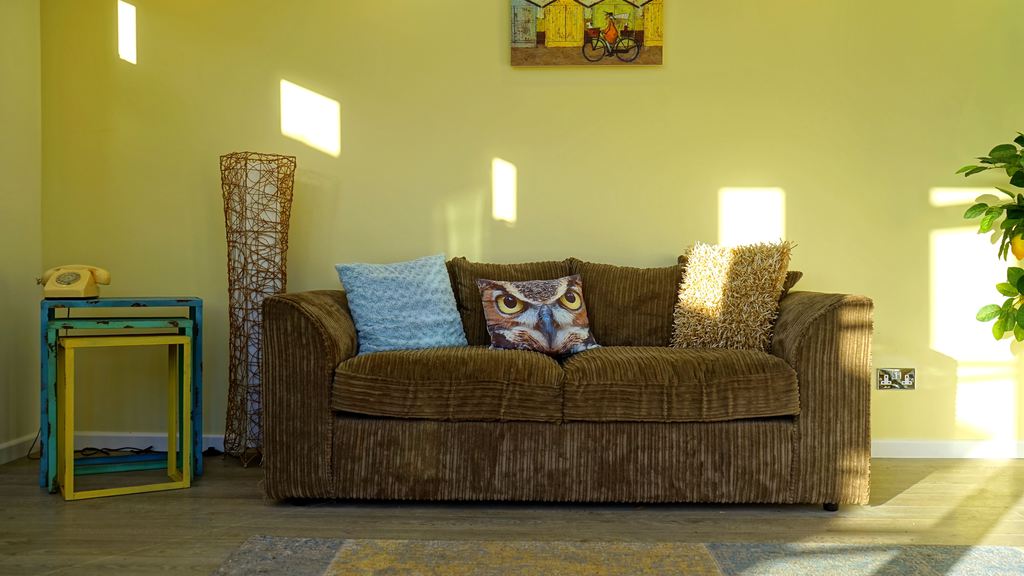
Introduction
A brown sofa can anchor a room, hide everyday wear, and suit many decorating styles, but the wrong shade or profile may feel heavier than expected. This guide helps you choose by undertone, upholstery, room light, visual scale, and daily use—not by color name alone. You will learn how espresso, chocolate, cognac, camel, and taupe-brown finishes behave in real rooms, how leather differs from fabric, and what to verify before ordering online.
Table of Contents
What Should You Decide Before Buying?
Start with the room and its users. A brown sofa should fit the floor area, existing finishes, and daily activities before it fits a style label.
Check these points first:
- Room size and daylight: Dark seating needs more light and surrounding space.
- Floor and wood tones: The upholstery needs visible contrast from nearby finishes.
- Daily users: Children, pets, guests, and long lounging sessions affect material and support needs.
- Primary function: Choose between upright seating, deep lounging, modular flexibility, reclining, or overnight use.
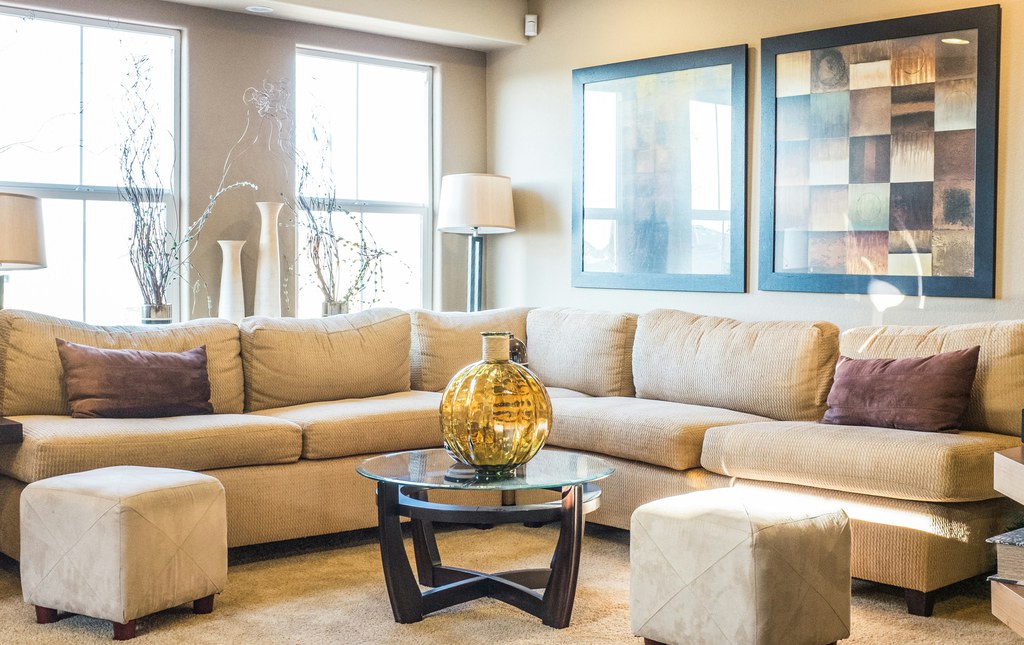
- Visual weight: Wide arms, high backs, thick cushions, and floor-level bases make the same shade look larger.
A dim apartment may benefit from camel upholstery and raised legs; a bright family room can usually carry a chocolate sectional.
How Do You Choose the Right Shade of Brown?
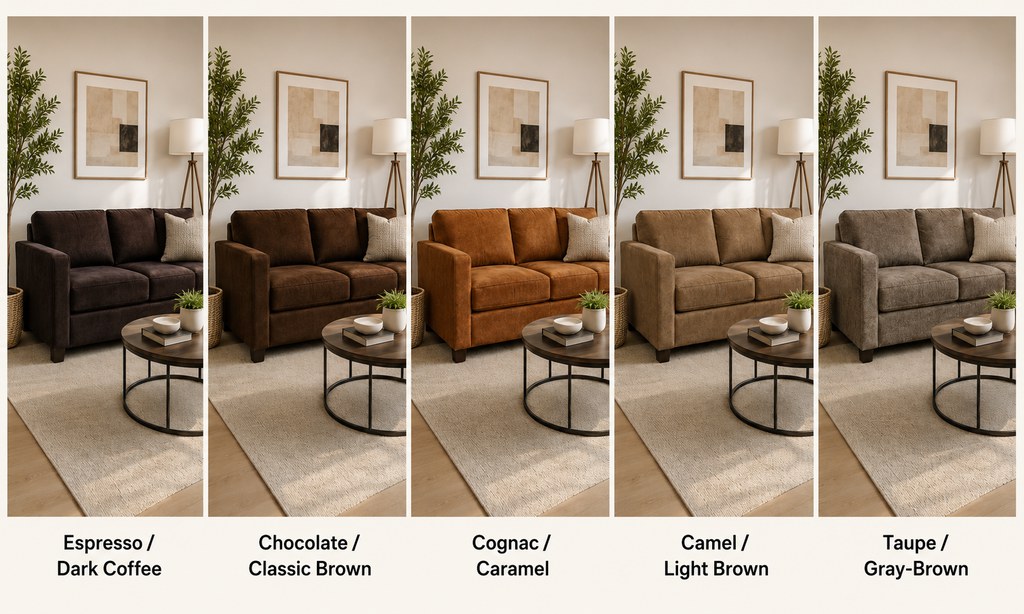
“Brown” can describe finishes with red, orange, yellow, gray, or nearly black undertones. The right option depends on room light, nearby wood, and how visible everyday marks will be. Use the table as a first filter, then review the shade-specific risks below.
| Shade | Works Well In | Main Buying Risk |
| Espresso or dark coffee | Bright, spacious rooms with pale floors | Can dominate small or dim rooms |
| Chocolate or classic brown | Family rooms and warm interiors | May blend into dark wood flooring |
| Cognac or caramel | Modern and mid-century rooms | Can look too orange beside red-toned wood |
| Camel or light brown | Small rooms and limited daylight | May show spills or denim transfer |
| Taupe or gray-brown | Greige, stone, or cooler finishes | May look dull under cool light |
Espresso and Dark Coffee
Use these shades with pale walls, strong daylight, or light flooring. A lower back, slim arms, or visible legs offset their density; oversized reclining forms may overwhelm narrow rooms.
Chocolate and Classic Brown
Chocolate retains warmth while hiding minor marks. Compare it with walnut or dark oak because similar tones can merge and reduce definition.
Cognac and Caramel
These shades add warmth without espresso’s weight. Check whether the undertone leans orange or red near cherry, mahogany, or reddish flooring.
Camel and Light Brown
Camel lightens a compact or dim room while staying warmer than beige. Pale upholstery may reveal spills, denim transfer, and fading sooner.
Taupe and Gray-Brown
Taupe-brown bridges warm wood with gray tile or greige walls. Cool bulbs may make it appear flatter and grayer.
How Can You Identify a Brown Sofa’s Undertone Online?
Product labels vary, so treat photographs as evidence.
- Compare daylight photos with images taken under warm lamps.
- Look for close-ups showing grain, weave, pile direction, and variation.
- Use white walls, gray floors, or wood in the photo as references.
- Check customer photos, not only edited studio images.
- Request a swatch when a color mistake would be costly.
- Read specific names such as cognac, camel, cocoa, coffee, walnut, or taupe.
Without a swatch, compare several images on two screens.
Should You Choose Brown Leather or Fabric?
Leather creates stronger color depth and definition; fabric looks softer and can reduce visual weight. Choose by cleaning needs, pets, and daily use.
Brown leather may develop scratches, creases, or patina. Fabric may collect hair, pill, snag, or show water marks; velvet and chenille also shift as the pile moves. A broader leather vs. fabric sofa comparison helps when performance matters more than color.
A smooth medium-brown surface may show less light pet hair than espresso fabric, while performance fabric can feel less formal for nightly movie use.
Which Shade Works With Your Room Conditions?
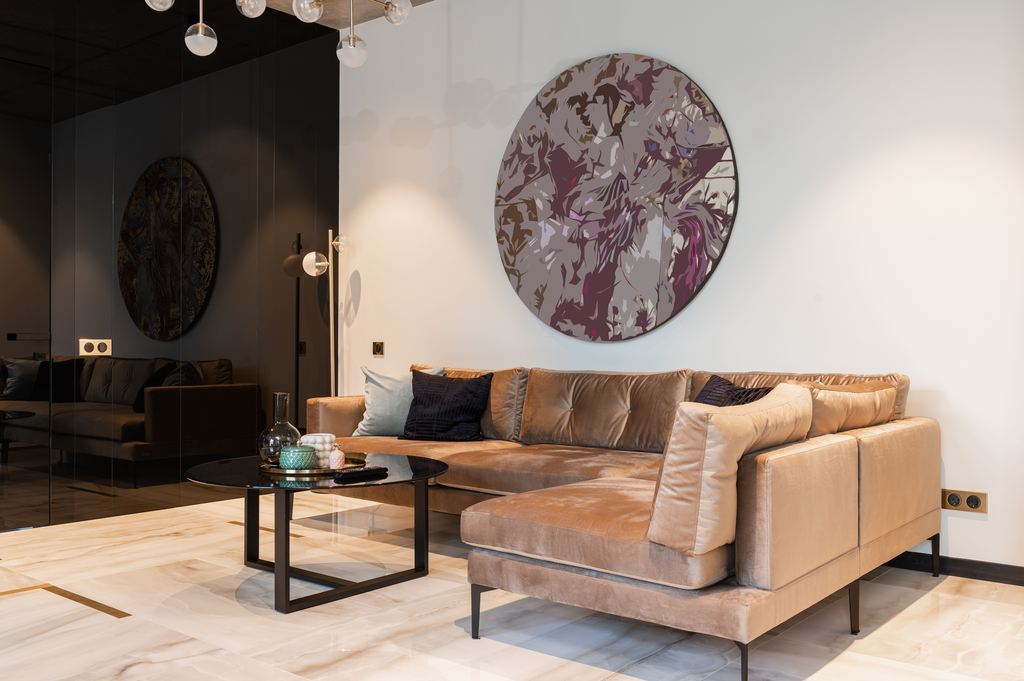
Room conditions should remove unsuitable options before style preferences narrow the choice. Compare the sofa with daylight, floor color, room width, and nearby furniture. The room types below show when seating should be lighter, more contrasting, or visually leaner rather than prescribing a complete decorating palette.
Small or Low-Light Rooms
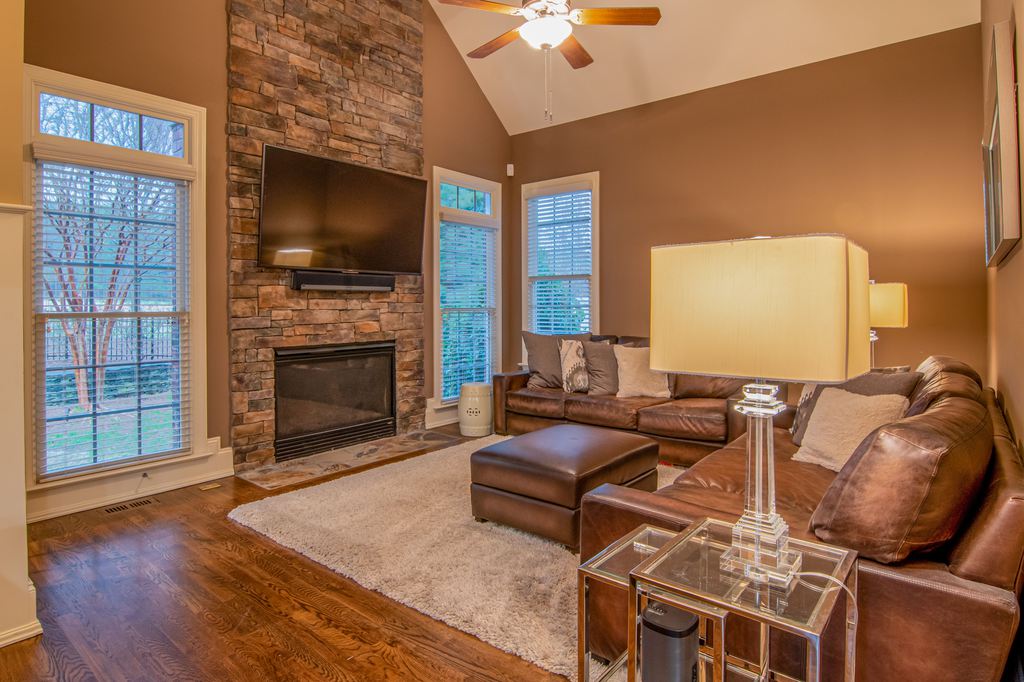
Start with camel, cognac, light chocolate, or warm taupe. Favor narrow arms, a lower back, and visible floor beneath the frame. A deep espresso sectional with wide pillow arms can visually compress a dim room.
Rooms With Dark Wood Floors
Create separation between upholstery and floor. Cognac may blend into reddish wood, while chocolate may disappear against walnut. A lighter shade or clearly different undertone is safer, especially with a floor-level base.
Bright Rooms With White Walls
Pale surroundings can support chocolate or espresso. Check direct sun exposure, however, because leather and fabric may fade unevenly when one section receives more light.
Open-Plan Living Areas
The back and sides may remain visible from the kitchen or dining area. Prioritize a finished exterior and a silhouette that works from multiple angles. Modular seating can define a zone, but each layout must preserve walking paths.
Homes With Several Wood Finishes
Do not match every wood tone. Relate the upholstery to one dominant finish, then let smaller tables or frames bridge the others. Another nearly matching brown can look accidental.
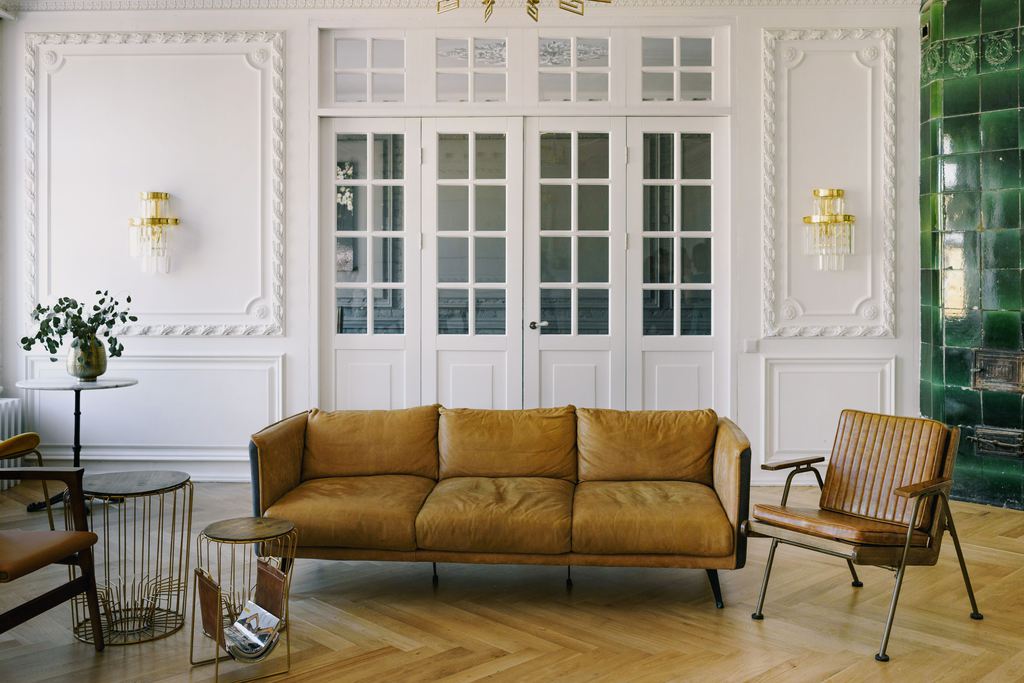
How Does Sofa Shape Change the Look of Brown?
Raised legs and slim arms make brown seating look lighter; a high back, deep cushions, and a floor-level base make it heavier.
Choose a leaner profile for a narrow or heavily furnished room. A large brown sectional can still work when its back stays low, modules remain distinct, and circulation stays open. Thicker forms suit more spacious family rooms.
Which Features Fit Your Daily Use?
A suitable shade still needs to support daily behavior.
- Family room: Supportive cushions, durable upholstery, rounded exposed edges, and enough seats without blocking circulation.
- Pets: Dense weave, predictable scratch behavior, removable covers, and a color that does not highlight the pet’s hair.
- TV viewing: Usable seat depth, head support, recline range, and operating clearance.
- Small home: Compact arms, modular sections, storage, or sleeper functions.
- Open plan: A finished back and concealed controls.
Use a sofa seat depth and height guide when household members have different heights or the same seats must support upright conversation and deep lounging.
Best POVISON Picks for Different Priorities
These models use clearly identified brown upholstery and address three buying needs: modular leather seating, powered deep lounging, and pet-friendly reclining comfort. They show how material, profile, and function change the decision. Prices may vary by region, configuration, promotions, and discount eligibility.
🥇 Top 1: Cronus Genuine Leather Modular Sofa
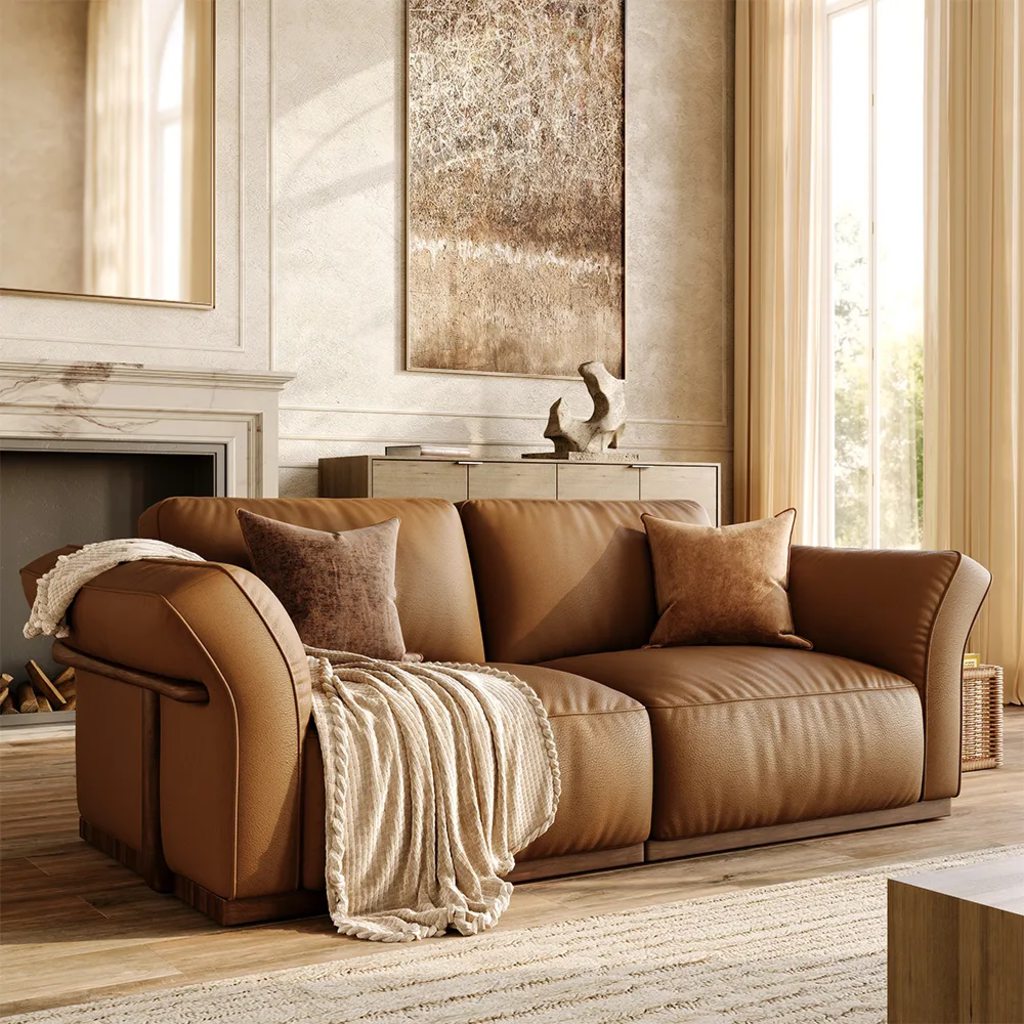
👍 Best for: Flexible family rooms needing genuine leather and adaptable layouts
💲 Price: $3,000 listed; approximately $2,730 with the displayed coupon
✨ Highlights
- Brown matte pebble-grain top-grain leather
- Modular construction
- Down-filled cushions
- Solid wood frame
🎯 Features: Cronus provides substantial seating without fixing the room to one arrangement. Its modules adapt as needs change, while matte leather reduces a glossy, formal look. Down-filled cushions support relaxed lounging.
🗨️ Buyer review:“The color is true to the picture, the craftsmanship is exquisite, and there is no odd smell…” — Olivia
🥈 Top 2: Cygnus Smart Power Sofa
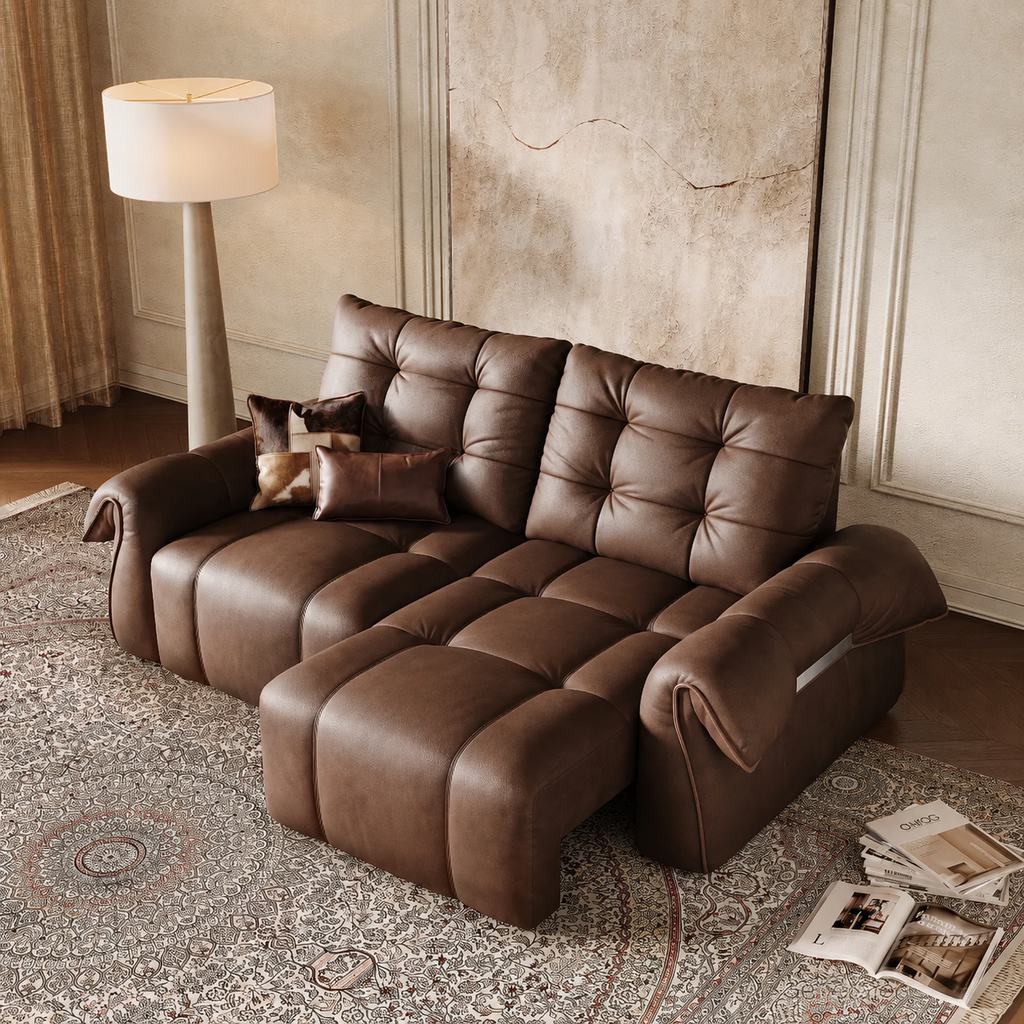
👍 Best for: Deep lounging and powered adjustment in a larger room
💲 Price: $3,099 listed; approximately $2,829 with the displayed coupon
✨ Highlights
- Dark cocoa top-grain leather
- Stepless powered adjustment
- Extra-deep seating
- Memory-foam cushioning
🎯 Features: Cygnus combines a clean profile with powered support for upright sitting, reclining, and deeper lounging. Its dark cocoa finish suits a well-lit room where the extended depth has been measured.
🗨️ Buyer review:“Love the style and the color. Exactly what I expected.” — Nina
🥉 Top 3: Ergopals Oversized Power Reclining Loveseat
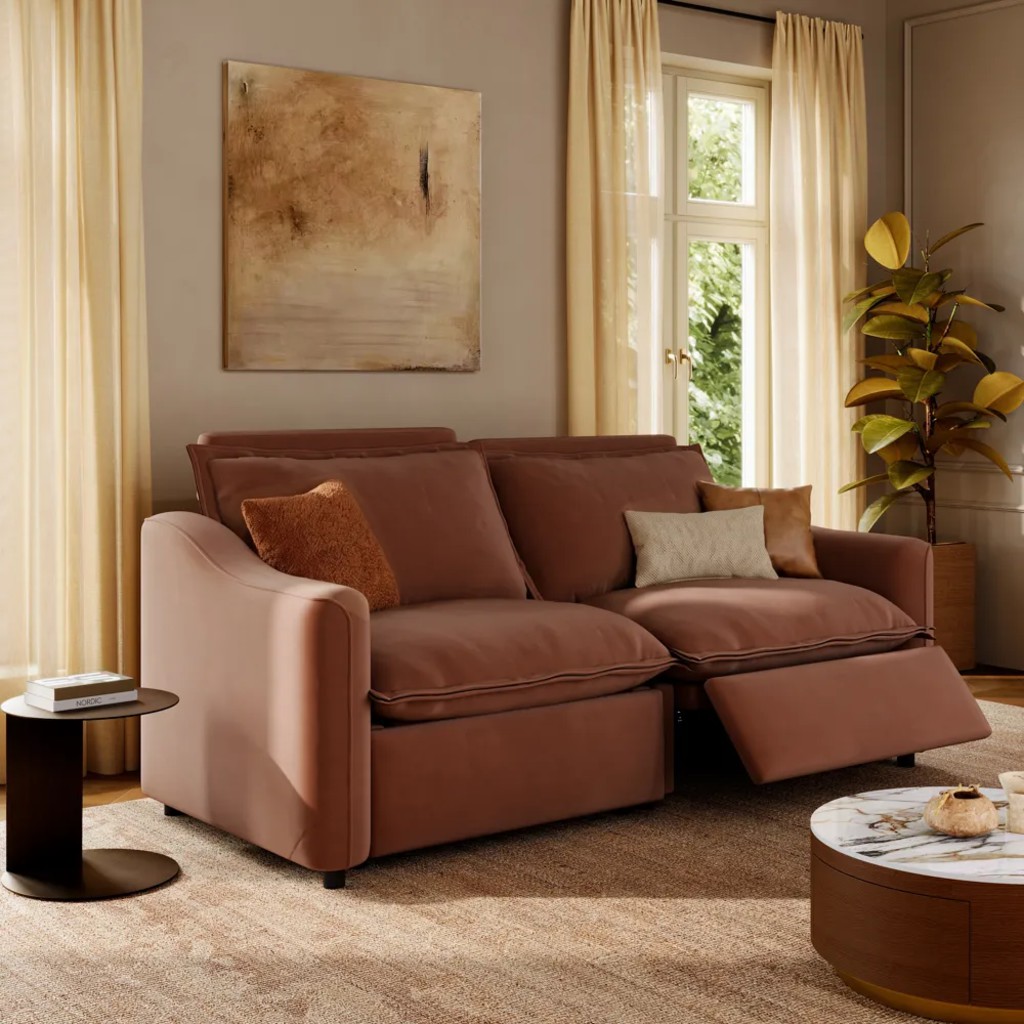
👍 Best for: Pet-owning households and compact movie-night seating
💲 Price: $2,399 listed; approximately $2,207 with the displayed coupon
✨ Highlights
- Brown pet-friendly performance fabric
- Removable, washable covers
- Adjustable headrests
- Power recline
🎯 Features: Ergopals offers a softer alternative to leather. Pet-friendly fabric and removable covers simplify cleaning, while two reclining seats and adjustable headrests support movie nights without a full sectional.
🗨️ Buyer review:“The fabric is so soft … The recline is great for movie night!” — Crippin
What Should You Check Before Ordering Online?
Confirm comfort and access before paying. Width alone does not show delivery or extended fit.
- Overall width, depth, and height
- Usable seat depth and seat height
- Reclined or extended depth
- Upholstery composition and leather coverage
- Cleaning code and removable-cover details
- Cushion fill and suspension
- Swatch availability and customer photos
- Return, exchange, and delivery terms
- Doorways, stairs, elevators, turns, and final access
- Assembly level and whether it arrives fully assembled
A detailed how to measure for a sofa process matters for modular, reclining, or oversized models because delivery dimensions and operating clearance both affect fit.
Conclusion
Choose by combining shade, undertone, material, profile, room conditions, and daily function. A brown sofa should contrast with the floor, suit the available light, and support how the household sits. Camel or cognac can reduce visual weight in smaller rooms, while chocolate or espresso can anchor brighter spaces. Use room photos and swatches to compare finalists under the lighting used most often. Confirm upholstery behavior, seat comfort, operating clearance, and delivery access before ordering. This final check reduces color surprises and poor-fitting purchases.
FAQ
How Much Space Should You Leave Around a Sofa?
Allow about 30 to 36 inches for a main walkway when the room permits. Leave roughly 14 to 18 inches between the sofa and coffee table so users can reach the surface without restricting legroom. For reclining or extendable seating, calculate these distances from the sofa’s deepest operating position.
Which Warranty Matters Most for a Power Brown Sofa?
Check coverage for the motor, electrical components, frame, suspension, and upholstery separately because each may have a different warranty period. Confirm whether labor and replacement shipping are included. A long frame warranty may not cover reclining mechanisms, control buttons, charging ports, or electrical failures.
What Does Colorfastness Mean for Brown Upholstery?
Colorfastness indicates how well upholstery resists fading, rubbing, and dye transfer. It matters when a brown sofa receives strong sunlight or frequent contact with pale clothing. Ask whether the material has been tested for lightfastness and crocking resistance, especially with saturated cognac, dark cocoa, or velvet-like finishes.
Are Removable Sofa Legs Useful Beyond Delivery?
Yes. Removable legs may help a sofa clear low door frames, tight stair turns, and elevator openings. They can also simplify future relocation or flooring replacement. Confirm how the legs attach and whether repeated removal is permitted, since damaged threads or mounting plates may affect stability after reassembly.
How Can You Reduce Denim Transfer on a Light Brown Sofa?
Choose upholstery with documented stain resistance and follow its specific cleaning instructions. New dark jeans are more likely to transfer dye onto camel or light-brown surfaces. Wash strongly dyed clothing before prolonged use, avoid aggressive rubbing during cleaning, and test any approved cleaner on a hidden area first.


