 By Stephanie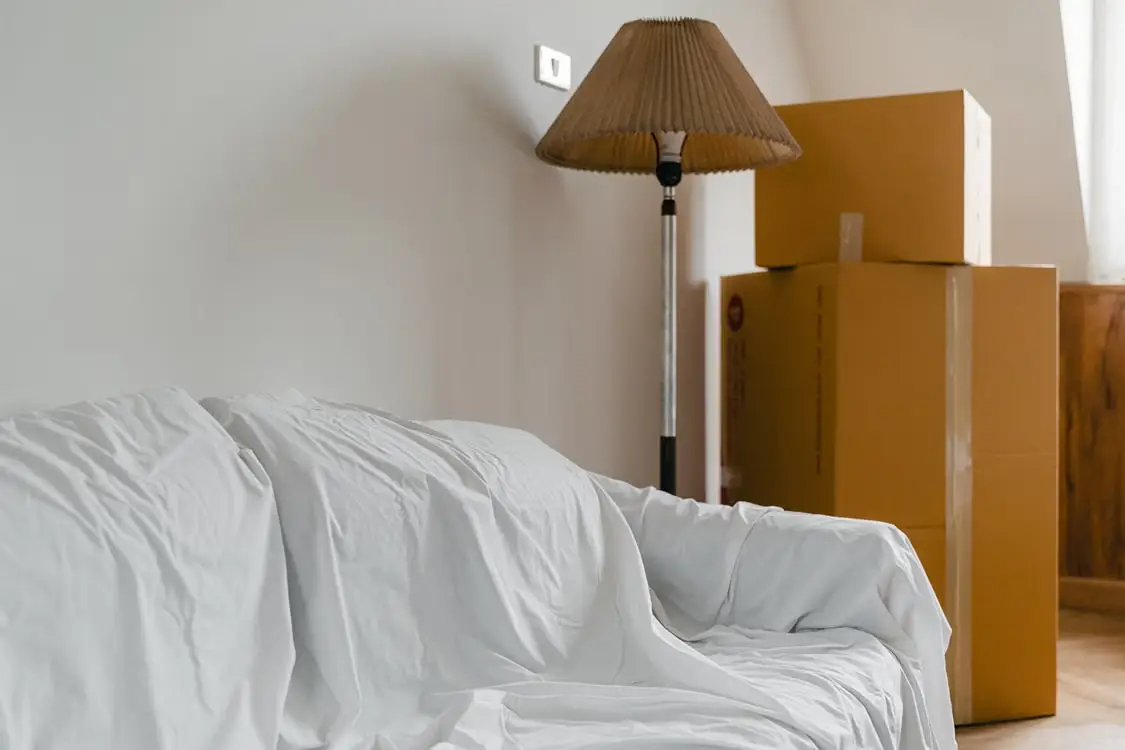
Furnishing your first home is different from replacing furniture in a space you already know. You are choosing large pieces before you fully understand which rooms you will use most, where storage will fall short, or how people will move through the house every day. This furniture buying guide for first-time homeowners helps you plan around real daily routines, verify how large pieces will work in the space, and avoid filling rooms before their purpose is clear.
Table of Contents
How Should You Measure and Plan Before Buying Furniture?
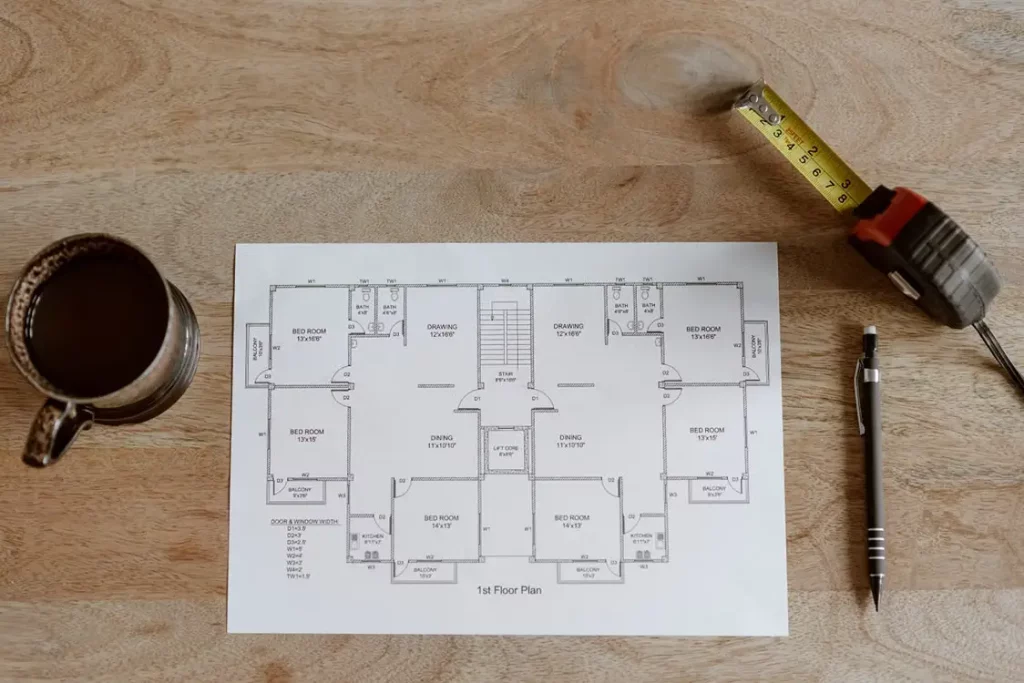
Start with two separate plans: where the furniture will physically go and what the room needs to do on a normal day. Measure the fixed boundaries first, then map the activities that need space around them. A sofa may fit the wall but leave no comfortable route to the patio door; a dining table may fit the room but make the kitchen path awkward once chairs are pulled out.
Before committing to a large piece, check four parts of the physical plan:
- Where exactly will the furniture sit?
- Which doors, windows, vents, or outlets affect that position?
- Does the layout leave enough space to use the furniture normally?
- Can the piece travel through the full delivery route?
Start by recording room dimensions, doorways, hallways, stairs, elevators, and other tight points along the delivery route. A sofa can fit comfortably against a living-room wall and still be impossible to carry around a narrow stair landing. Checking how to measure a room for furniture delivery before ordering is especially important for large or fully assembled pieces.
What Furniture Do You Actually Need in the First Week?
Buy first according to the routines your home needs to support from the first week: sleeping, sitting comfortably, eating, working if necessary, and keeping frequently used belongings organized. The exact furniture behind those routines will vary. A dining table may be essential for one household and unnecessary at first for another that already eats comfortably at a kitchen island.
This furniture buying guide for first-time homeowners uses a buy-now-or-wait framework rather than a fixed shopping list:
| Daily Need | Usually Buy Early | Can Wait When… |
| Sleep | Primary bed and mattress | The room is only for occasional guests |
| Relax | Main sofa or seating | You already have temporary seating that works |
| Eat / Work | Dining or work surface | A kitchen island or existing desk already covers the routine |
| Entertainment | Media console | Your TV location or equipment setup is still changing |
| Organize | Storage for known daily items | You have not identified where clutter actually builds up |
The sofa deserves particular attention because its size often affects the rest of the living-room layout. Before buying, check the usable seating you need, room circulation, upholstery demands, and whether the arrangement is likely to stay fixed.
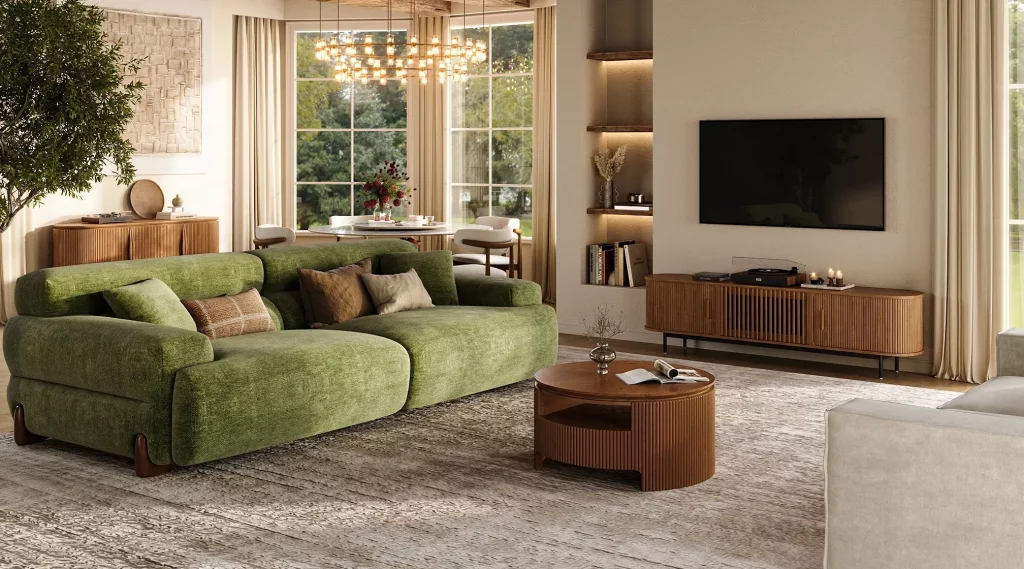
For a first living room, modular seating may make delivery and layout planning easier when the sofa arrives in separate sections rather than as one large frame. When comparing a modular sofa, check the dimensions of each module or carton as well as the finished layout, especially if the home has tight stairs, hallways, or door turns.
Flexible Seating for Your First Living Room
Explore modular sofas designed to make layout changes and future room updates easier.
How Do You Choose Furniture That Will Work Long Term?
Once you know a piece is worth buying now, evaluate whether it will continue to work for the way you live. Useful furniture buying tips for beginners go beyond appearance: the furniture should support its main activity, use materials that suit your household, and include features you are likely to use rather than functions that simply sound convenient.
Check the Main Use
Knowing how to buy new furniture means translating daily routines into product requirements rather than choosing features in isolation.
If a dining table will also serve as a weekday desk, usable tabletop depth and comfortable chair placement may matter more than seating two extra guests a few times a year. If your living room is mainly for conversation, prioritize seating relationships and circulation rather than automatically positioning every piece around the television.
Choose Materials for Your Household
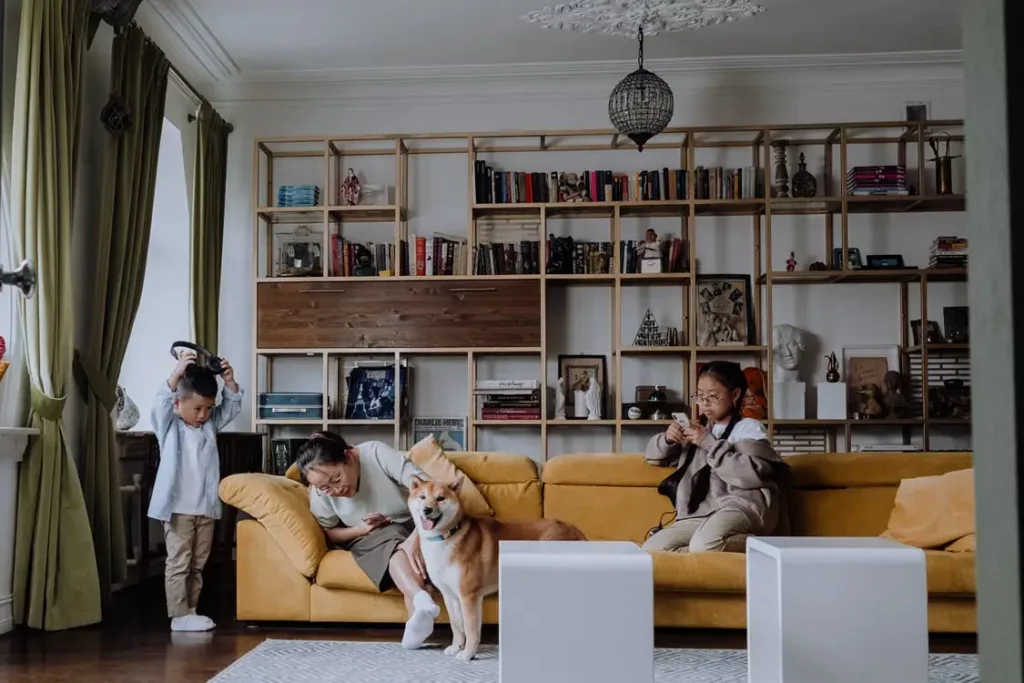
Material quality matters most when it matches the way the furniture will actually be used. Homes with children or pets may place more weight on easy maintenance and everyday wear, while a less frequently used room can allow more flexibility in finish and upkeep.
For high-use furniture, compare not only the material name but also how much care it requires and whether that level of maintenance fits your routine.
Pay for Features You Will Actually Use
Extra functions add value only when they solve a problem you already have or can reasonably expect.
Technology storage is one area where specific features can be worth paying for. If your setup includes deeper AV equipment or several wired devices, cabinet depth, cable access, and ventilation can matter more than extra decorative storage.
The POVISON Delven Verse TV Stand offers about 18.3 inches of usable interior depth, giving bulkier components more room to sit inside the cabinet without forcing cables into tight bends. Cable openings and a removable rear panel make connections easier to route and reach, while the ventilated design helps heat escape around equipment that may run for long periods.
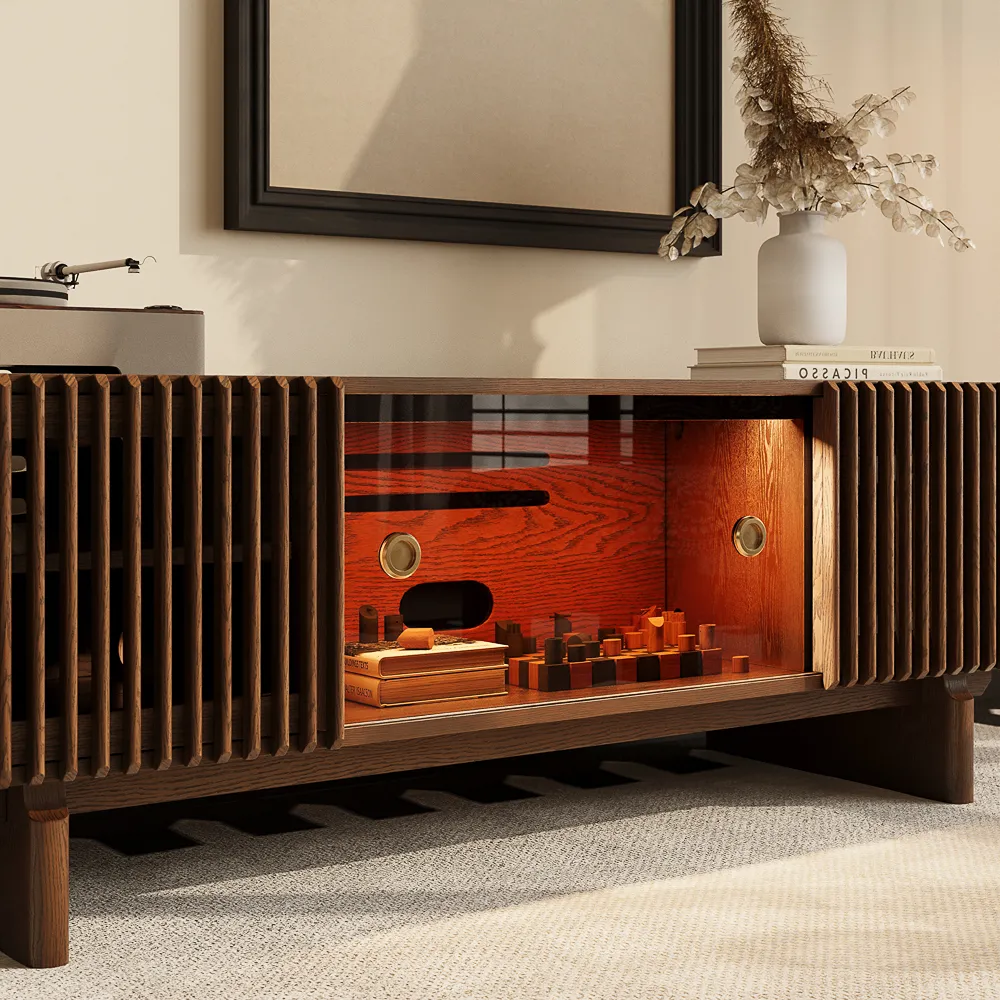
POVISON Delven Verse Media Console
A smart fit when your entertainment setup is already part of the plan—not an afterthought.
Which Rooms Should You Leave Partly Unfinished?
A first home does not need to look complete on move-in day. In rooms where the main function is still developing, leaving some space unfilled can prevent purchases based on assumptions rather than actual use.
Living Room
Once the main sofa and entertainment layout are established, pause before automatically filling every open area with side tables, accent chairs, or extra storage.
Live with the main arrangement first. You may discover that an empty corner is valuable for circulation, that guests need an additional seat in a different location, or that the coffee table size should be determined by how you actually move around the sofa.
Dining Area
Decide what job the dining area will perform before choosing the largest table the room can technically hold.
If it supports meals, homework, remote work, and frequent guests, a dedicated table may deserve an early place in the budget. If everyday dining already happens comfortably at a kitchen island, waiting can help you determine how often a separate dining zone would actually be used.
Once the role is clear, compare dining table sizes and shapes against usable space rather than the empty-room footprint. Leave room for chairs to pull back and for people to pass behind them; the same dining-room measurements that determine table fit should include walls, walkways, and chair clearance.
Spare Room
A spare room is one of the easiest places to overspend early.
Do not buy a complete guest-room set simply because the room has been labeled a bedroom on the floor plan. Give yourself time to see whether the space becomes an office, guest room, hobby room, workout area, or combination of several functions.
If overnight guests are occasional but remote work happens every weekday, furniture that supports work may deserve the permanent footprint while guest sleeping arrangements remain flexible.
What Should You Verify on the Product Page Before Ordering?
Before checkout, run one final check. This stage is different from deciding whether you like the furniture; it is about identifying practical reasons the order might fail once the piece arrives.
Confirm:
- Dimensions and configuration: Confirm the exact size or configuration selected, including extended or open positions where relevant.
- Delivery or package dimensions: Compare the listed carton or finished dimensions with the delivery route you measured earlier. For large seating, checking whether a sofa will fit through the door should be based on the actual delivered piece or carton, not just the sofa’s overall room footprint.
- Material details: Check the actual upholstery or surface material rather than relying on color photos or broad terms such as “leather-look” or “wood finish.”
- Assembly status: Confirm whether the furniture arrives assembled, partially assembled, or requires full setup.
- Care requirements: Make sure the recommended cleaning routine works for your household before choosing a high-use piece.
- Delivery service: Check where standard delivery ends and whether room-of-choice or White Glove service is available for a large item.
- Return terms: Review return eligibility, fees, and restrictions before ordering furniture that would be difficult to repack or move.
This final check is where room measurements, product specifications, and real-world use come together before you commit to the purchase.

Conclusion
Furnishing a first home works best when each purchase starts with a real daily need and ends with a check against the actual room and product specifications. Use measurements to set physical limits, prioritize the routines your household needs from the first week, and leave low-use spaces open until their purpose becomes clear. A practical furniture buying guide for first-time homeowners is less about finishing every room quickly and more about making each large purchase with enough information to keep it useful.
FAQs
Is fully assembled furniture helpful for first-time homeowners?
It can save setup time, especially for large cabinets or storage pieces. Before ordering, check the finished dimensions and delivery path because an assembled piece may be harder to maneuver through narrow doors, stairs, or elevators.
Should furniture match throughout the entire house?
No. Instead of matching every piece, repeat one or two elements such as wood tone, upholstery color, or metal finish. Connected living and dining spaces usually benefit from stronger visual continuity, while bedrooms and other separated rooms can take a more independent direction.
Should I keep furniture from my apartment after buying a house?
Keep pieces that still fit the new room, support a real daily need, and work with the dimensions of larger purchases. Replace furniture because it no longer functions or fits—not simply because the home is new. Existing pieces can also help while you learn the space.
Should I buy furniture for the largest number of guests I might host?
Usually not. Size permanent furniture for the people and activities your home supports most weeks. If larger gatherings are occasional, extendable tables, movable chairs, or flexible seating can add temporary capacity without making the everyday layout unnecessarily crowded.
What if my first home has an open floor plan?
Plan the largest pieces across connected zones together. Sofa placement, dining-chair clearance, and the path between the kitchen and living area can affect one another even when each piece fits its own zone. Coordinate scale and circulation first; finishes and smaller décor can be adjusted later.


