 By Kate
Introduction
Leather looks rich, calm, and timeless, but it does not stay beautiful by accident. If you are learning how to care for leather couch, the key is not frequent washing. It is regular dusting, low moisture, protection from sun and heat, and careful conditioning when the leather actually needs it. This routine guide keeps the focus on long-term care, not another heavy cleaning tutorial, so your couch can stay soft, polished, and comfortable for years.
Table of Contents
What Is the Safest Way to Clean a Leather Couch?
Cleaning should support care, not take over the whole routine. A leather couch does not need frequent deep washing. It needs fast, gentle response to small accidents, plus low-moisture touch-ups when the surface feels sticky. Heavy scrubbing often causes more harm than the original mess.
What should you do right after a spill?
Blot spills right away with a dry, absorbent cloth. Press gently; do not rub back and forth. Rubbing can spread liquid, push residue into seams, or rough up the finish. If the spot still feels sticky, use a barely damp cloth, then dry the area immediately with another soft cloth. For oil, ink, dye transfer, or large stains, repeated DIY attempts can make the mark harder to repair.
A safe spill response looks like this:
- Blot first
- Work from the outside toward the center
- Use as little water as possible
- Dry immediately
- Stop if color begins to lift
When a spill needs more than a dry cloth, keep it low-moisture and think in terms of how to clean leather couch safely at home, not soaking or scrubbing.
What should you avoid during light cleaning?
Avoid alcohol, bleach, ammonia, baby wipes, all-purpose sprays, strong soap, vinegar, heavy oils, and too much water. Do not spray cleaner directly onto leather. Apply a small amount to a cloth first, then test in a hidden area. If the finish changes color, feels tacky, or looks cloudy after drying, stop. Knowing how to clean a leather couch without damaging it matters most when the stain is small enough to solve gently.
Spill-friendly surfaces still need smart habits. The beige leather sofa works well in casual spaces where snacks, pets, and daily lounging meet, but even easy-care leather should stay away from direct heat, harsh chemicals, and wet cloths left sitting on the surface.

How Should You Care for a Leather Couch by Routine?
A leather couch lasts longer when care feels easy enough to repeat. Instead of waiting for stains, build a simple rhythm: small weekly actions, monthly checks, and occasional conditioning. The simplest answer to how to care for leather couch is to prevent buildup before it becomes damage.
Dust and Vacuum High-Touch Areas
Dust the couch with a clean microfiber cloth, moving gently with the grain instead of scrubbing in circles. Then use a vacuum with a soft brush attachment around seams, cushion edges, armrests, and the backrest. Focus on areas touched most often, such as armrests, headrests, seat fronts, and favorite lounging spots. This quick habit keeps dust, crumbs, pet hair, and body oils from slowly dulling the leather surface.
Weekly leather couch care should include:
- Dry dusting with a microfiber cloth
- Soft-brush vacuuming between cushions
- Quick checks for crumbs, pet hair, and body oil buildup
- A dry wipe on areas touched by hands, hair, and clothing
Inspect, Rotate, and Remove Early Marks
Routine care should also include a closer look at how the couch is aging. Check for dryness, fading, tiny cracks, surface dullness, and uneven wear. If your couch has removable or adjustable cushions, rotate or reposition them so one seat does not age faster than the rest. Remove pet hair, food crumbs, and denim dye traces before they settle into the finish. In a busy family room, the front seat edge often shows wear first.
A regular inspection should cover:
- Color changes near windows
- Dry patches on arms and seat fronts
- Fine cracks around bends and seams
- Dark marks from jeans or throw pillows
- Hairline scratches from pets, bags, or keys
Condition Only When the Leather Feels Dry
Conditioning is important, but it should not be overdone. Use leather conditioner only when the leather feels dry, stiff, or rough, and always spot test first. Many protected leather couches only need conditioning every 6–12 months. Sunny, dry, or high-use rooms may need more frequent checks. Too much conditioner can leave leather sticky, dark, or greasy, which attracts more dust and makes the surface feel less refined.
A genuine leather sofa with a natural grain deserves a patient routine. The genuine leather modular sofa suits this mindset because top-grain leather is meant to soften with use, while regular dry dusting and careful spill blotting help preserve its relaxed, lived-in texture.

How Can You Protect Leather From Cracking, Fading, and Wear?
Protection is the part of leather furniture treatment that many people skip. But sunlight, dry air, heat, pets, and clothing friction often cause more long-term damage than ordinary dust. Good protection is quiet and preventive: better placement, better habits, and quick attention to early warning signs.
| Damage type | Common cause | Better habit |
|---|---|---|
| Cracking | Heat, dryness, skipped dusting | Keep away from vents and condition only when needed |
| Fading | Direct sunlight | Use shades, curtains, or a better sofa layout |
| Scratches | Pet nails, keys, zippers | Trim nails and keep sharp items off the couch |
| Dye transfer | Dark denim or damp fabrics | Use light throws and remove dark fabrics quickly |
To protect your leather couch, focus on three common damage types:
- Cracking:
Cracking often starts when leather loses flexibility. Keep the couch away from heating vents, fireplaces, radiators, and strong air-conditioning flow. Avoid placing it where direct afternoon sun hits the same cushion every day. If your home feels very dry in winter, stable indoor humidity can help the leather stay more comfortable. Conditioner may help dry real leather, but it cannot fully repair deep cracks once the surface has split. - Fading:
Fading is mostly a placement issue. Direct sunlight can slowly lighten leather and dry the surface, especially near large windows or glass doors. Use curtains, shades, UV window film, or a layout that keeps the couch outside harsh sun paths. If the cushions are loose, rotate them occasionally so one side does not age faster than the rest. - Scratches and dye transfer:
Scratches often come from pet nails, zippers, keys, belt buckles, and rough clothing seams. Dye transfer usually comes from dark denim, dark throws, or highly pigmented pillows. Keep pet nails trimmed, use a washable throw on high-use seats, and avoid leaving wet or dark fabrics on light leather. These small habits reduce friction before it becomes visible damage.
A modern leather sofa collection works best when placement supports long-term care. Clean lines and smooth surfaces are easier to dust, but the real advantage comes from thoughtful room planning: softer light, enough airflow, and space around the sofa so heat does not build up behind it.
What Leather Care Mistakes Should You Avoid?
Many leather problems come from trying too hard. People see a mark and reach for stronger products, more water, or more conditioner. Real leather care is gentler. The goal is to preserve the finish, support flexibility, and avoid anything that strips, stains, or seals the surface in the wrong way.
Which everyday habits cause hidden damage?
Frequent wet wiping can dry leather over time, especially if moisture sits in seams. Direct spraying can leave uneven patches. Baby wipes may seem mild, but many contain ingredients not designed for furniture finishes. Vinegar can be too harsh for regular leather couch care. Shoe polish, furniture polish, and cooking oils are risky because they can darken, clog, or stain the surface instead of restoring it.
Avoid these habits:
- Using a soaked cloth
- Scrubbing with rough sponges
- Spraying cleaner directly on the couch
- Conditioning before removing dust
- Treating faux, bonded, and real leather the same way
- Using oils meant for food, shoes, or skin
What should you do instead?
Use the least aggressive method first. Start with dry dusting, then a barely damp cloth only when needed, then a leather-safe product if the care label allows it. Test every new product in a hidden spot and wait until the area is fully dry. If you are unsure how to treat leather furniture, check the manufacturer’s care instructions before applying anything new.
| Mistake | Why it hurts leather | Better choice |
|---|---|---|
| Over-wetting | Can leave water marks or dry the surface | Use a barely damp cloth |
| Using alcohol wipes | May strip color or finish | Use a leather-safe cleaner |
| Over-conditioning | Can cause stickiness or dark patches | Condition only when leather feels dry |
| Using vinegar often | Can be too acidic for regular care | Save it unless the label allows it |
| Ignoring leather type | Different finishes need different care | Read the care tag first |
When Should You Call a Professional?
DIY care works best for dust, crumbs, fresh water-based spills, and mild surface residue. It becomes risky when stains are large, oily, old, or tied to odor and color loss. A professional can assess the leather type, finish, and damage level before any stronger treatment is used.
Which leather problems are safe for DIY?
DIY is usually safe for dry dust, light crumbs, fresh water spots, and small spills caught right away. It is also safe to rotate cushions, adjust placement away from sunlight, trim pet nails, and use a protective throw on high-contact seats. For routine maintenance, your job is not to “restore” leather every week. It is to keep daily wear from building into permanent marks.
A safe DIY zone includes:
- Weekly dry dusting
- Soft-brush vacuuming
- Blotting fresh spills
- Spot testing leather-safe products
- Adjusting the couch away from heat and sun
Which leather problems need an expert?
Call a professional for large oil stains, ink, mold smell, pet urine, deep cracks, peeling, color loss, or stains that spread when touched. These problems often need special tools, color matching, deodorizing, or finish repair. More DIY rubbing can enlarge the damage. High-quality leather can age beautifully, but only when care respects its limits. Once you understand how to care for leather couch, you also know when to stop.
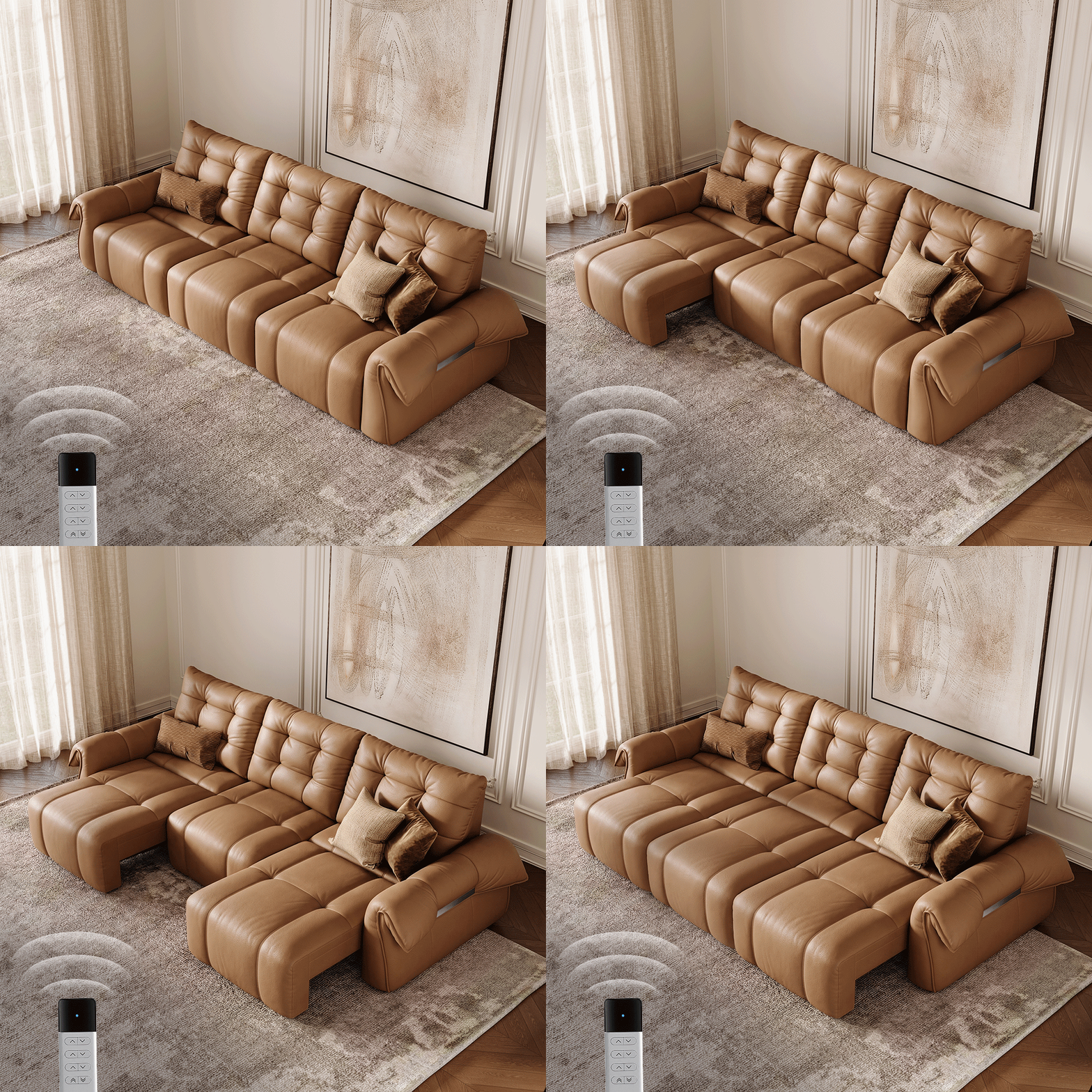
Reclining leather pieces need the same surface care plus extra attention around moving parts, headrests, and footrests. The Marlowe top-grain leather power reclining sof fits homes where comfort is used daily, so routine dusting and early stain response protect both the leather feel and the lounging experience.
Product image description: Brown top-grain leather reclining sofa set with adjustable headrests and footrests in a comfortable modern living room.
FAQ
How often should you care for a leather couch?
Dust weekly, inspect monthly, and condition only when the leather feels dry or the manufacturer recommends it. Most leather couches do not need heavy cleaning often. A simple routine prevents dust, body oil, and sunlight damage from becoming harder problems later.
How do you keep a leather couch from cracking?
Keep it away from direct heat, strong sunlight, and very dry air. Dust regularly before grime builds up. Use a suitable leather conditioner only when the leather feels dry, and always spot test first. Conditioner helps flexibility, but it cannot fully repair deep cracks.
Should you condition a leather couch regularly?
Yes, but not too often. Many real leather couches only need conditioner every 6–12 months. Over-conditioning can make leather sticky, dark, or greasy. Faux leather and some protected finishes may not need traditional conditioner, so always check the care label first.
Can sunlight damage a leather couch?
Yes. Direct sunlight can fade color and dry leather over time. Place the couch away from harsh window light or use curtains, shades, or UV window film. If cushions are movable, rotate them so one area does not take all the sun exposure.
What should you not use on leather furniture?
Do not use bleach, ammonia, alcohol-heavy wipes, baby wipes, harsh soap, abrasive brushes, cooking oil, coconut oil, or direct heat. Also avoid soaking the surface. Gentle tools, low moisture, and label-approved products are safer for long-term leather furniture treatment.
Conclusion
Once you understand how to care for leather couch, the routine becomes simple: dust weekly, inspect monthly, condition when needed, and protect the surface from sun, heat, pets, denim, and spills. The goal is not to clean harder or more often. It is to care more gently, more regularly, and more preventively. With the right habits, leather can keep its beauty, comfort, and natural character for many years.


[…] a more complete routine, this leather sofa care guide covers spill response, sunlight, conditioning, dye transfer, and common cleaning mistakes in more […]