 By Kelvin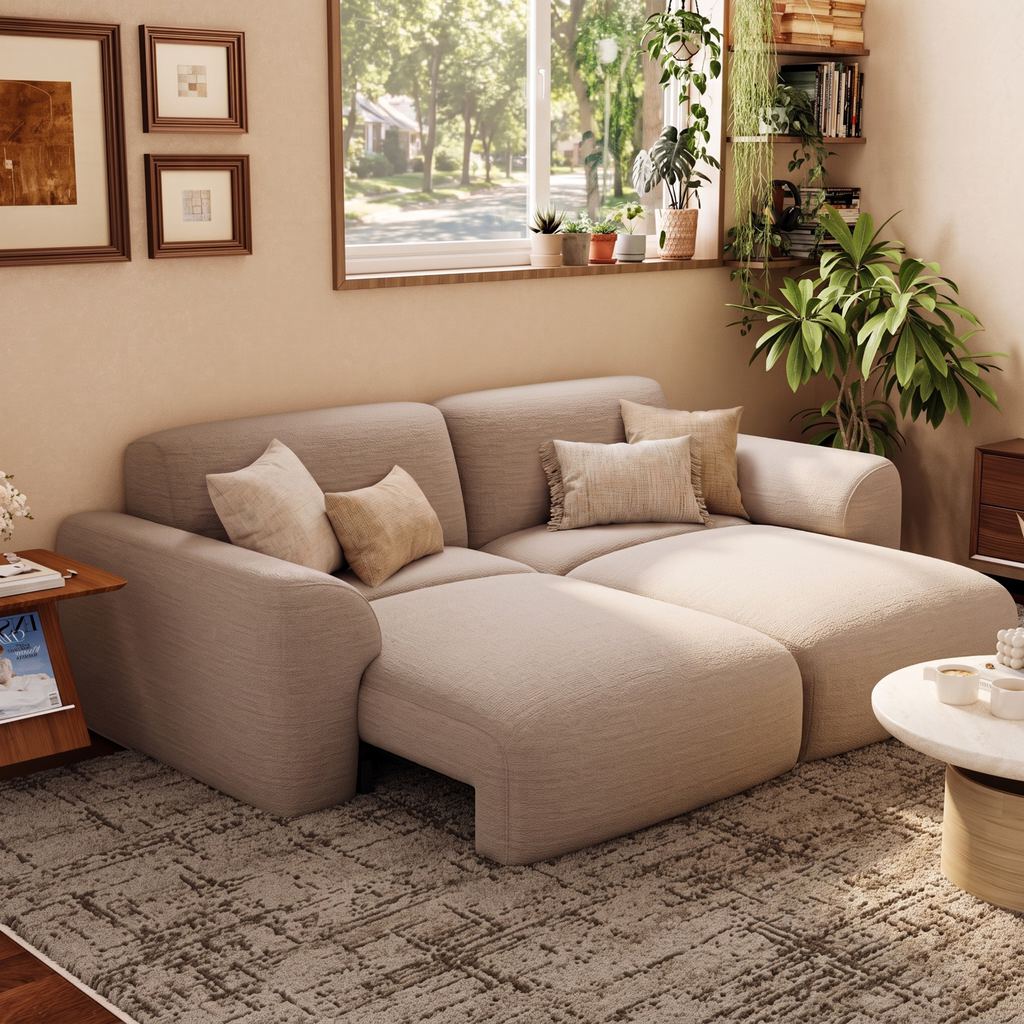
Not having a spare bedroom doesn’t mean overnight guests have to sleep on an uncomfortable couch. The challenge is finding a bed that fits your available floor space without getting in the way of everyday life. These guest bed ideas for small spaces cover everything from convertible sofas to folding mattresses, including options for living rooms, studio apartments, and multipurpose rooms. You’ll also learn how to check the space each bed needs, choose the right setup for your visitors, and avoid common layout mistakes before buying.
Table of Contents
8 Guest Bed Ideas for Small Spaces
The most practical guest bed ideas for small spaces do more than provide somewhere to sleep. They also need to work with how the room is used when guests aren’t around. Some double as everyday seating, while others fold away completely. These eight options offer different ways to balance sleeping comfort, floor space, and storage.
1. Power Sofa Bed for a Guest-Ready Living Room
Best for: Living rooms without a separate guest bedroom
A power sofa bed works well when your living room needs to accommodate everyday seating and occasional overnight visitors. Unlike traditional pull-out sleepers, certain powered designs extend the seating surface without requiring a separate mattress frame.
This setup eliminates the need to store an extra guest mattress, making it useful in studios and apartments. However, the extended sleeping surface still needs clear floor space in front. Check the usable sleeping dimensions, not just the sofa’s overall width, especially if two adults will be staying overnight.
2. Sleeper Chair for a Single Overnight Guest
Best for: Reading corners and small home offices
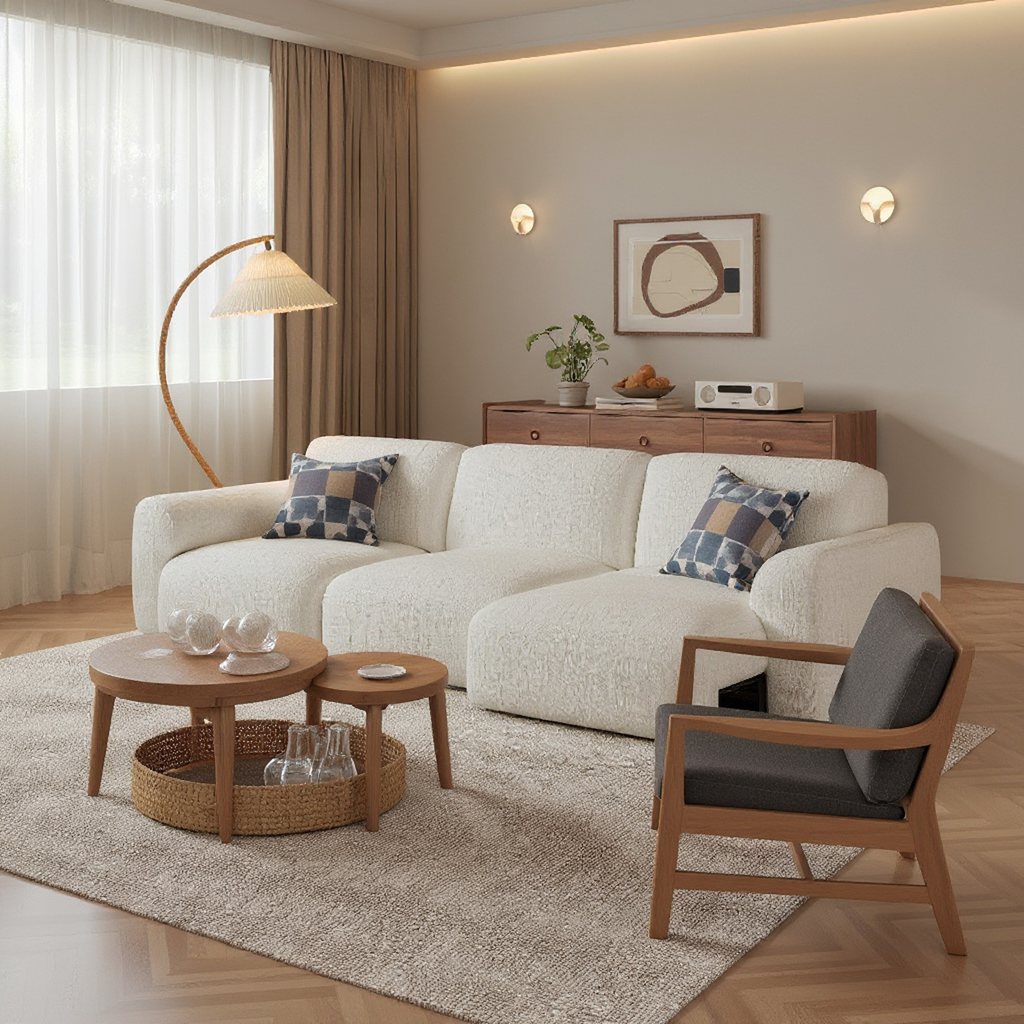
A sleeper chair offers a compact alternative when only one person occasionally stays overnight. During the day, it functions as an accent chair. At night, the seat unfolds or pulls forward into a narrow sleeping surface.
A chair bed can fit into a corner that wouldn’t accommodate a full sofa, but its extended length still matters. Check the usable sleeping width and whether the guest can stretch out comfortably.
Choose a model with supportive cushioning if adults will use it. Some compact chair beds have thin mattresses or low sleeping surfaces better suited to occasional short stays.
3. Daybed With Trundle for Two Separate Sleepers
Best for: Kids’ rooms and multipurpose guest rooms
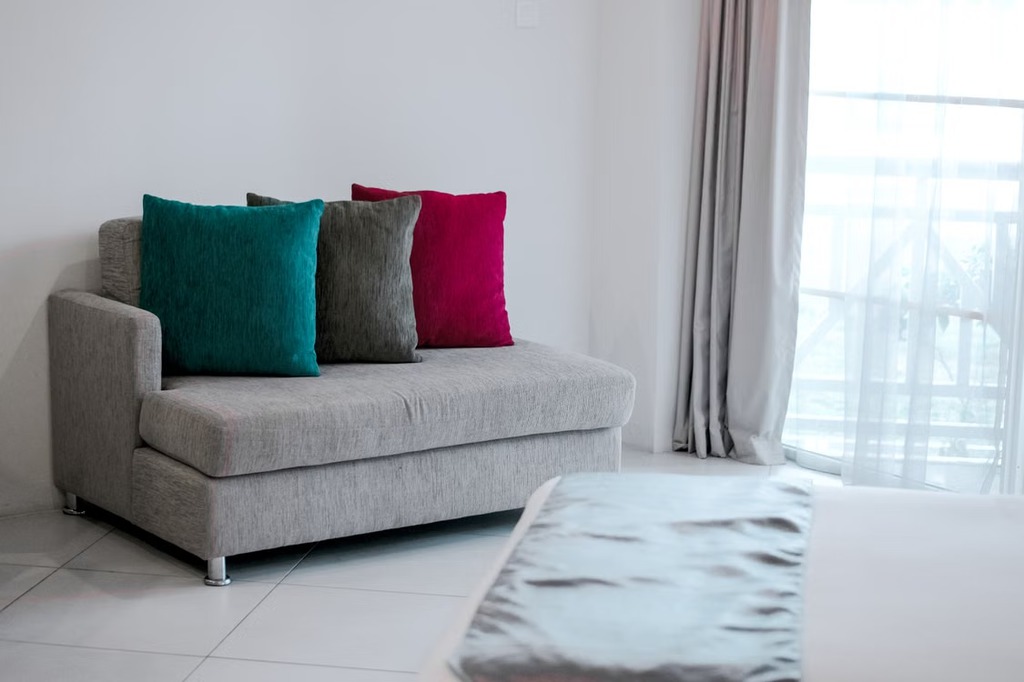
A trundle daybed provides one permanent sleeping surface with another mattress tucked underneath. It’s particularly useful when siblings have friends staying over or when two guests prefer separate beds.
The main advantage is that the upper mattress remains ready to use. However, the lower trundle needs clear floor space to slide out, and some models keep the second mattress close to the floor.
In a room used for both reading and hosting, the daybed vs. sleeper sofa decision often depends on whether permanent bedding or everyday sofa seating matters more.
4. Murphy Bed for a Multipurpose Room
Best for: Home offices that need open floor space
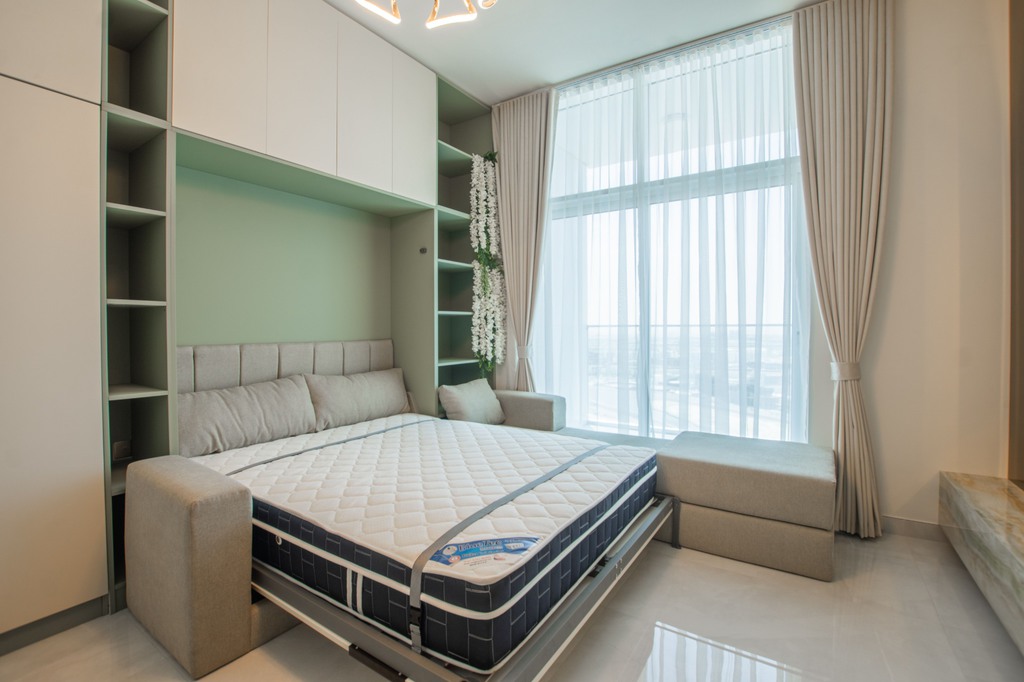
A Murphy bed folds vertically or horizontally into a wall-mounted cabinet, returning much of the sleeping area to everyday use when closed.
This setup works especially well in a home office where the desk stays in place but guests need a dedicated mattress. Some designs also incorporate shelving or a desk into the surrounding cabinetry.
The main consideration is installation. Many Murphy beds require secure wall anchoring, and the cabinet must have enough clearance to open safely. Check ceiling height, wall construction, and the manufacturer’s installation requirements before choosing one.
5. Rollaway Bed for Occasional Visitors
Best for: Homes with available storage space
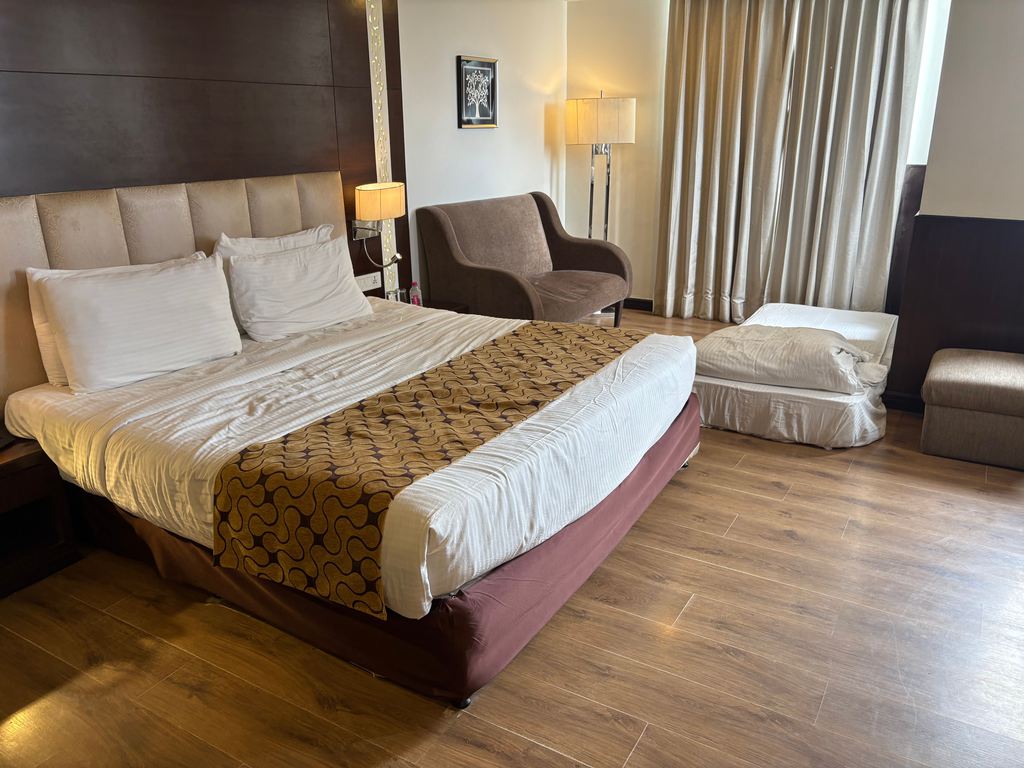
A rollaway bed uses a folding frame, usually with wheels, so it can be brought into a room only when needed. Unlike a floor mattress, it provides an elevated sleeping surface.
This is useful when guests visit a few times a year and you don’t need permanent convertible furniture. However, folded rollaway beds can still be bulky.
Before purchasing, check the folded height, width, and depth against the storage area. Also consider whether one person can move the bed through doorways without lifting it.
6. Foldable Floor Mattress for Easy Storage
Best for: Occasional overnight stays and flexible floor setups
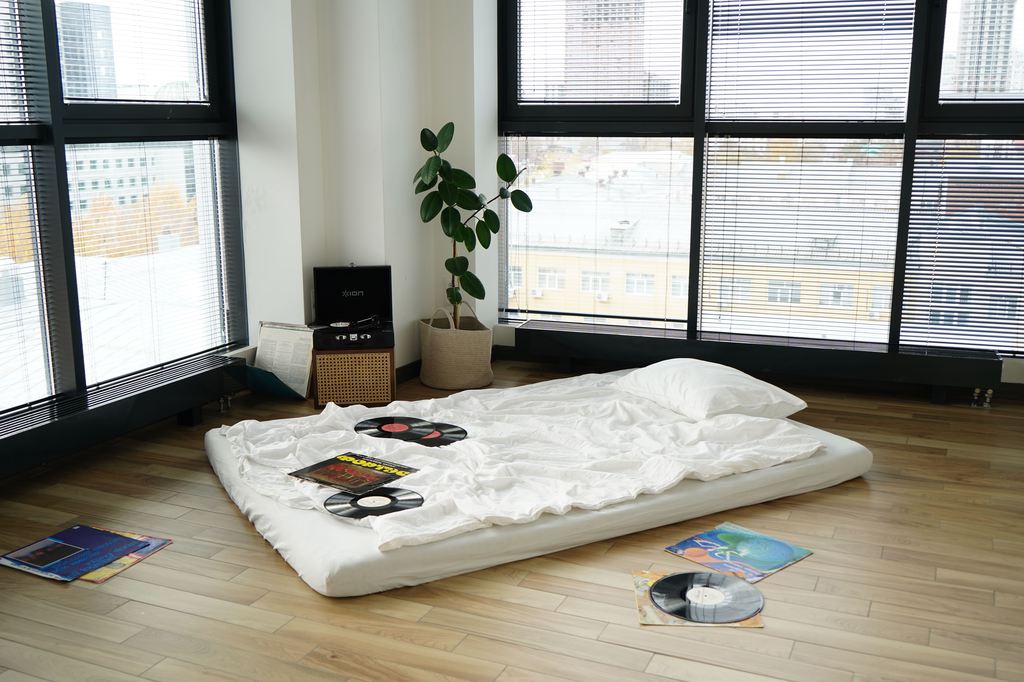
A tri-fold foam mattress is one of the simpler temporary guest bed options. It opens directly onto the floor and folds into sections after use, often fitting inside a closet or storage corner.
For a friend staying one night, it can provide more usable sleeping length than a narrow couch. Choose a mattress with adequate thickness and support rather than relying on a thin sleeping pad.
The trade-off is its low height and dependence on clean, dry flooring. It also needs sufficient ventilation and storage space between visits.
7. Futon for a Budget-Friendly Guest Setup
Best for: Casual lounges and first apartments
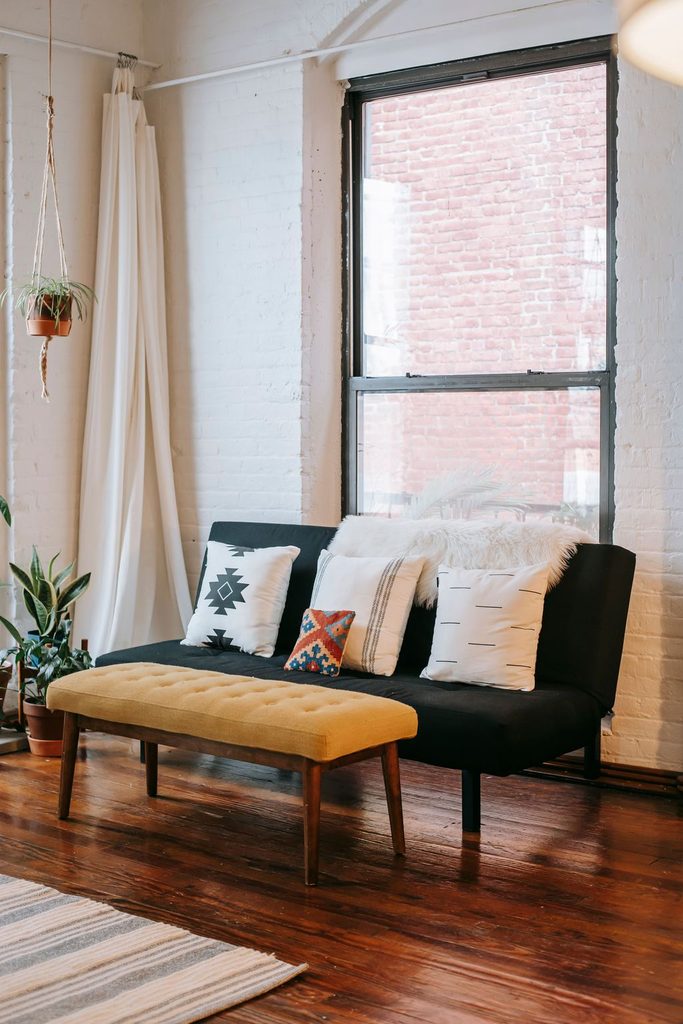
A futon combines seating and sleeping in a relatively simple design. Most sofa-style versions have a backrest that folds down, creating a flat surface without a separate pull-out mattress.
Futons are especially useful when you need inexpensive secondary seating that occasionally serves as a guest bed. However, a fold-flat back may need extra clearance behind the frame.
Cushion firmness also varies considerably. A futon that feels comfortable for sitting isn’t necessarily supportive enough for several nights of sleeping.
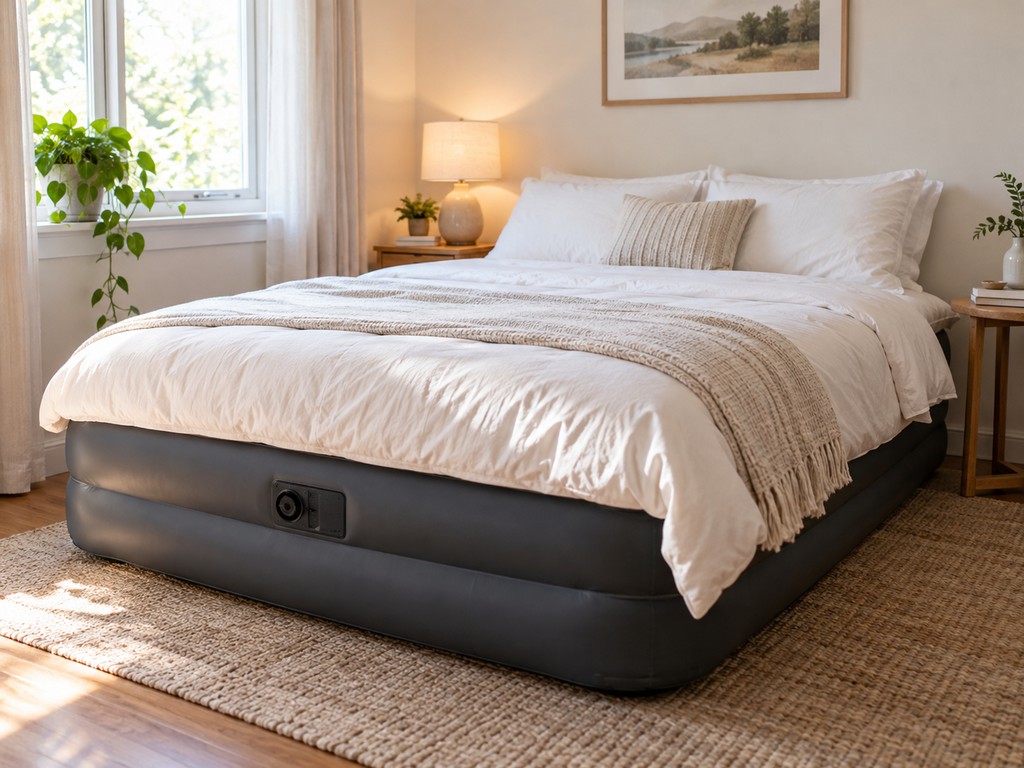
8. Raised Air Mattress for Infrequent Guests
Best for: Temporary sleeping without permanent furniture
A raised air mattress is practical when guest visits are rare and there’s no reason to keep another bed in the room year-round. It can be deflated, folded, and stored after use.
Look for a model with a built-in pump, stable construction, and sufficient sleeping height. Higher models can be easier to enter and exit than mattresses placed directly on the floor.
Inflation time, firmness changes, puncture risk, and available outlet access are worth considering. For frequent guests, a more permanent sleeping surface may be easier to maintain.
How Much Space Does a Guest Bed Really Need?
A guest bed fits only when it can be fully opened without blocking essential movement around the room. Closed dimensions alone aren’t enough, especially for sleeper sofas, trundles, and wall beds.
Start with these four measurements:
- Closed footprint: Measure the furniture’s width and depth during everyday use.
- Open footprint: Include extended platforms, lowered backrests, and projecting support legs.
- Nighttime clearance: Check access to doors, the bathroom, and at least one usable side of the bed.
- Furniture relocation: Identify where the coffee table, ottoman, and other displaced items will go.
Standard mattress dimensions provide a starting point:
- Twin: 38″ × 75″, generally for one person.
- Full: 54″ × 75″, roomier for one adult.
- Queen: 60″ × 80″, typically more suitable for two adults.
These are standard mattress sizes reported by Sleep Foundation. Convertible furniture may have different usable sleeping dimensions, so always check the manufacturer’s measurements.
The same principle applies when choosing a small sleeper sofa for your layout: the opening direction and available walking space matter as much as the sofa’s width.
For a living room that doubles as occasional guest space, the Povison Aurora Power Sofa Bed offers an adjustable seat depth of 27–45.5 inches. Its wall-hugging design allows placement close to the wall, helping preserve space behind the sofa. However, you’ll still need to measure the clearance in front when it’s fully extended.
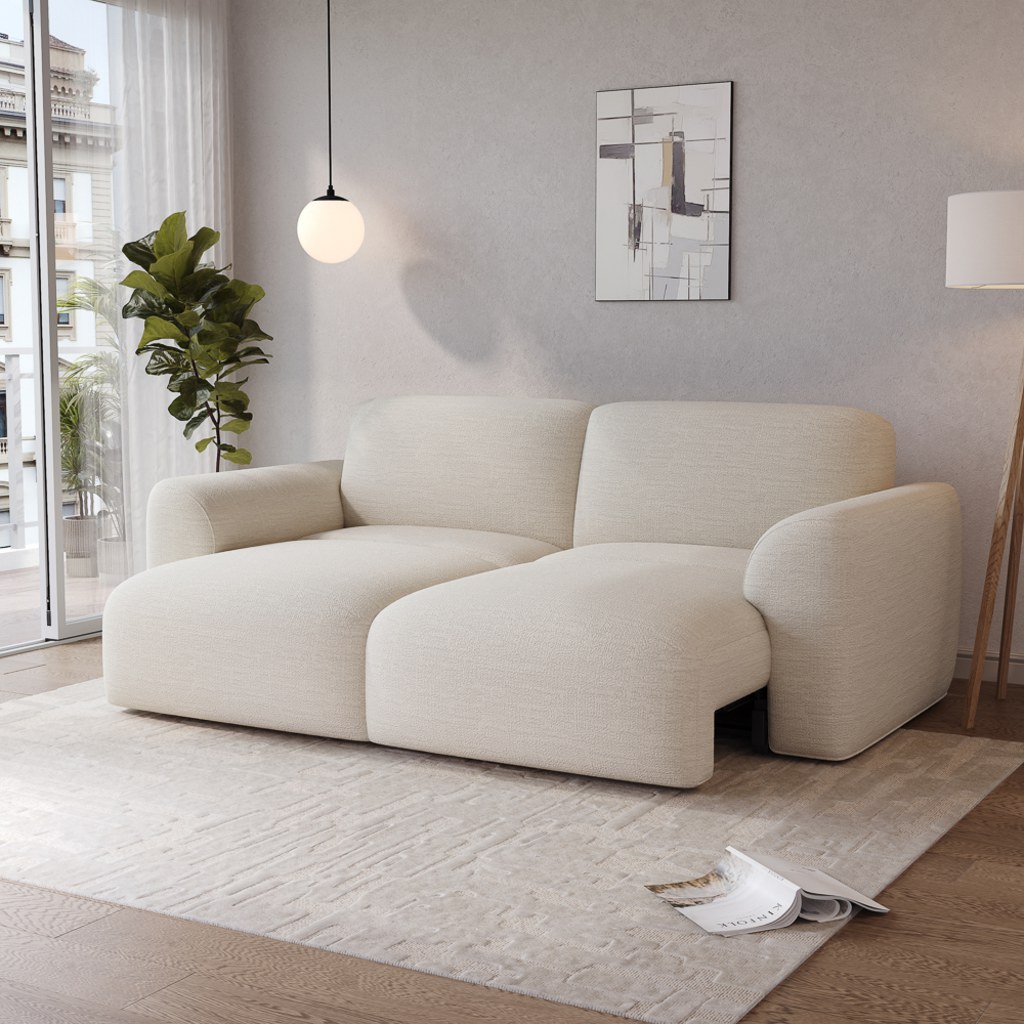
Aurora Power Sofa Bed
Adjustable seating creates guest sleeping space without adding a separate bed frame.
👍 Best for: Living rooms with occasional guests
✨ Soft, high-resilience foam cushioning
✨ Water-resistant performance chenille upholstery
✨ Three powered comfort modes
Which Guest Bed Fits Your Room and Visitors?
The right guest bed depends on what the room needs to do most days, how many people stay overnight, and how frequently they’ll use it.
The following comparison helps narrow down the options before looking at specific products.
| Your Situation | Better Starting Point | Main Trade-Off |
| Living room needs daily seating | Power sofa bed | Requires front clearance |
| One occasional guest, very little space | Sleeper chair | Single-person sleeping surface |
| Kids regularly host sleepovers | Trundle daybed | Needs pull-out space |
| Office needs open floor space | Murphy bed | Wall installation requirements |
| Guests visit only a few times a year | Rollaway or folding mattress | Requires storage |
| No permanent guest furniture wanted | Air mattress | Setup and inflation required |
For a narrower living-room wall, it may be worth comparing two-seater power sofa beds before choosing a traditional pull-out sleeper.
The Povison Sontra Power Sofa Bed measures 76.4 inches wide in its two-seater configuration, making it narrower than the Aurora. Powered seat adjustment provides flexible lounging and occasional guest space, while wipe-clean microfiber faux leather suits rooms used for both relaxing and entertaining.
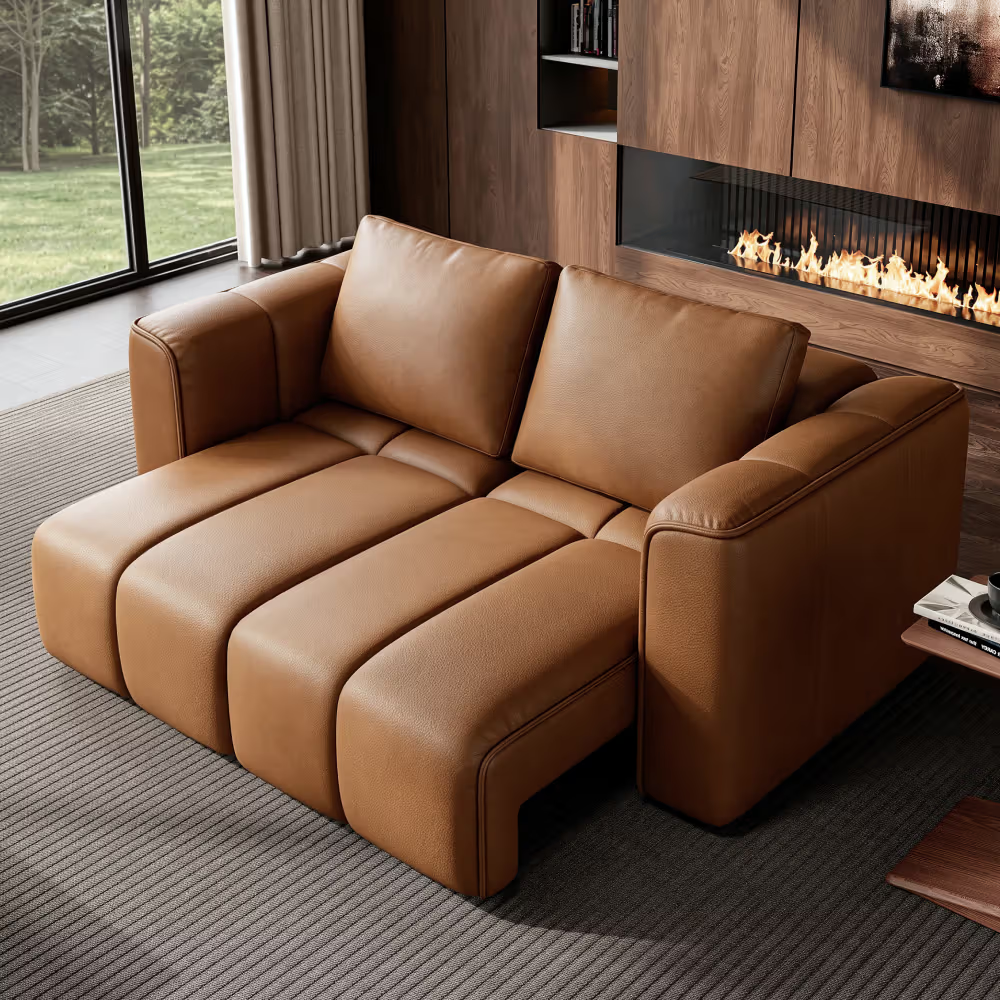
Sontra Power Sofa Bed
Motorized seating expands for overnight visitors without a separately stored mattress.
👍 Best for: Narrower walls with daily seating
✨ 17.7–44.3″ adjustable seat depth
✨ Repositionable oversized back cushion
✨ Quiet electric extension mechanism
How to Make a Small Space Guest-Ready
Even a well-chosen guest bed needs a few practical adjustments before someone stays overnight.
Keep the route between the bed, bathroom, and entryway free of obstacles. Place a lamp and phone-charging point within easy reach, preferably without cords crossing the floor. A compact side table or nearby shelf gives guests somewhere to put their glasses, water, and personal belongings.
If the living room becomes the guest sleeping area, consider a folding screen or curtain for some privacy. Prepare the bedding before bedtime and make sure the guest can operate nearby lights without moving furniture.
Conclusion
The most useful guest bed ideas for small spaces aren’t necessarily the smallest beds you can buy. They’re the setups that give visitors enough room to rest while keeping the rest of your home practical. Start by considering how often guests stay, whether you need everyday seating, and where the sleeping surface will go when it’s not in use. Then measure the full open footprint, not just the furniture’s daytime dimensions. For living rooms that need to handle both lounging and occasional guests, a convertible sofa bed is worth considering alongside more traditional folding options.
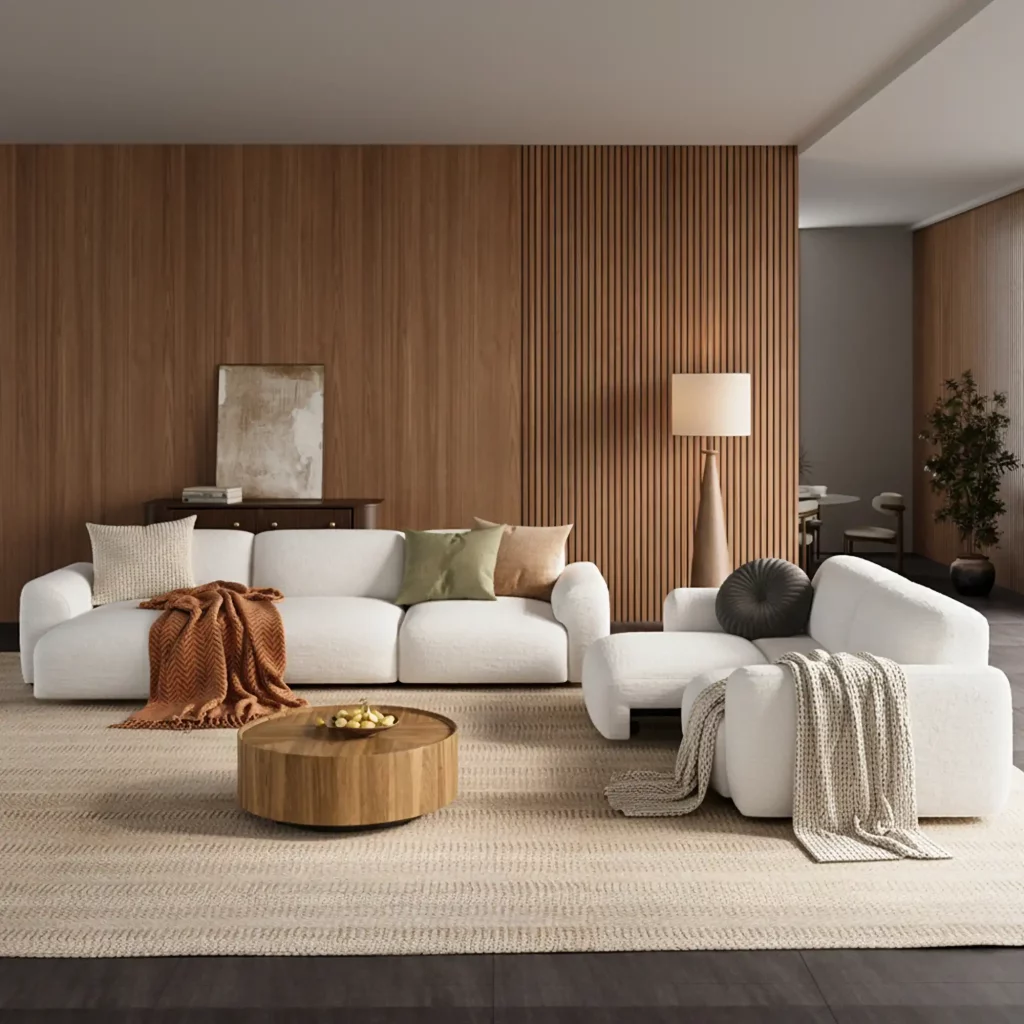
Find the Right Sofa Bed for Your Space
Explore sofa beds designed for everyday seating, flexible layouts, and occasional overnight guests.
Frequently Asked Questions
Can renters install a Murphy bed?
Some renters can install Murphy beds, but many models require secure attachment to suitable wall framing. Review the lease and obtain landlord approval before drilling or modifying the wall. If installation isn’t permitted, consider a freestanding guest bed or a folding alternative that doesn’t require structural changes.
Are floor guest beds suitable for older adults?
Floor mattresses may be difficult for guests who have knee problems, limited mobility, or trouble standing up from a low position. A raised rollaway bed or daybed with stable edges may be easier to use. Check the actual sleeping height and whether guests can sit comfortably before standing.
Where can you store bedding without a closet?
A storage ottoman, enclosed bench, or under-bed container can hold guest sheets and lightweight blankets. Choose a location that’s accessible even when the guest bed is open. Wash and thoroughly dry bedding before longer storage, and avoid compressing damp materials inside airtight containers.
Where should sofa cushions go overnight?
If a convertible sofa requires cushions to be removed, store them in a nearby cabinet, large basket, or another designated area away from walkways. Check this before buying, since oversized back cushions can take up considerable room. Some designs allow cushions to remain attached or be repositioned during conversion.
Can a trundle bed use a regular twin mattress?
Some trundles accept standard twin mattresses, but the lower frame often has stricter thickness limits than the upper daybed. A mattress that’s too tall may prevent the trundle from closing. Check the manufacturer’s maximum mattress height, recommended dimensions, and support requirements before purchasing bedding or a replacement mattress.


[…] and sofa can help if you need one piece of furniture that works as daily seating and a temporary sleep spot without making your living room feel crowded. This guide focuses on the real questions buyers ask before choosing one: Will guests sleep […]
[…] Aurora Multifunctional Sofa Bed lets a room stay comfortable for everyday sitting and extend into a temporary sleeping space when guests arrive. Its power-adjustable seat depth ranges from 27 to 45.5 inches, while the wall-hugging design […]
[…] Versatile Furniture: Consider multipurpose furniture pieces that can adapt to various activities. For example, a sleeper sofa or a convertible ottoman can provide extra sleeping space for guests. […]
[…] small sleeper sofa should solve two problems at once: provide useful everyday seating and create a guest bed without making the room unusable. The difficult part is that a sofa can look compact against the wall yet block the doorway, coffee […]
[…] purpose without making the floor feel crowded. An extendable sofa can support everyday lounging and give an overnight guest a place to sleep. A storage ottoman can act as a footrest, an extra seat, and a home for throws. A lift-top coffee […]
[…] the living room may be the simplest solution. If visitors stay more regularly, exploring different guest bed ideas for small spaces can help you find a setup that doesn’t require permanently sacrificing everyday floor […]