 By Kate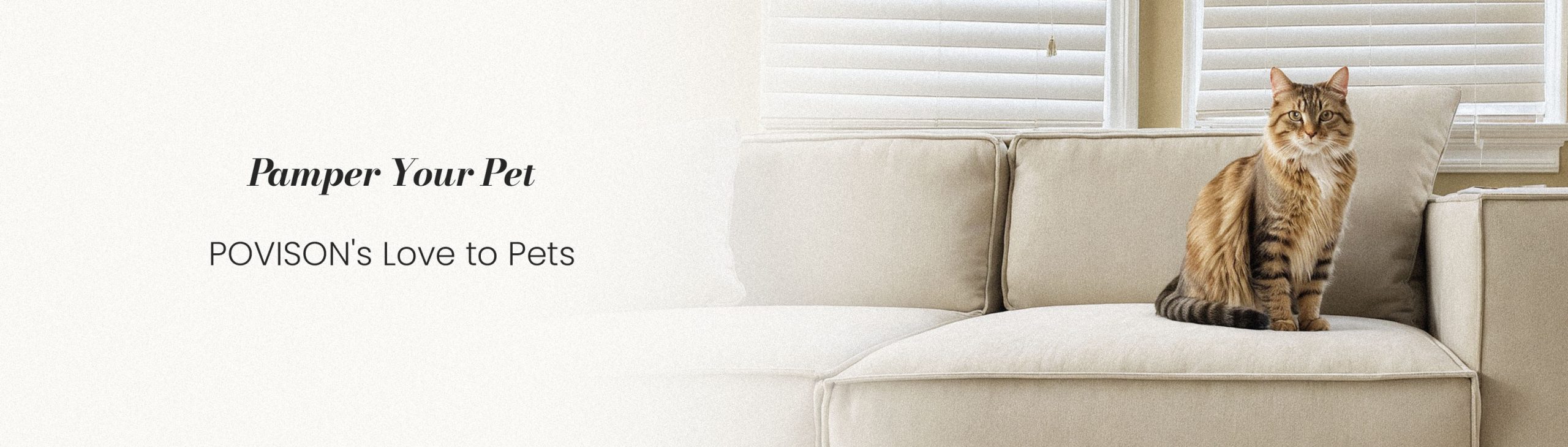
Cat hair clings to sofas, chairs, pillows, and wood furniture because fur is light, textured, and often charged with static. If your cat has a favorite nap spot, that area can look fuzzy again hours after cleaning. The good news is that how to get cat hair off furniture does not require harsh chemicals or expensive tools. This guide covers quick daily fixes, deep-clean steps, material-safe methods, common mistakes, and simple habits that help keep your furniture cleaner for longer.
Table of Contents
How Do You Get Cat Hair Off Furniture?
Before choosing a tool, decide what kind of clean you need. Fresh surface hair is easy to lift with friction. Embedded hair needs loosening first. That is why the best routine has two levels: a quick method for daily messes and a deeper method for stubborn fur stuck inside fabric.
The Quick Method for Daily Cat Hair
For everyday cleanup, lightly dampen a rubber glove and wipe the furniture in one direction. The friction pulls cat hair into small clumps, making it easier to pick up. Use a lint roller or wide tape on throw pillows, cushion edges, and small fabric areas. Then use an upholstery vacuum attachment to remove loose fur from seams. This is the easiest answer to how to get cat hair off furniture when guests are coming over in ten minutes.
A short-pile, pet-friendly fabric also makes this routine easier. The Green Sofa with Pet-Friendly Fabric uses a 100% polyester, short-pile pet-friendly fabric that is described as splash-resistant, scratch-resistant, and non-stick to pet hair.

The Deep-Clean Method for Embedded Cat Hair
If you are wondering how to remove cat hair from couch fibers after weeks of buildup, start by loosening the hair. Use a rubber brush or squeegee and pull it slowly across the fabric in one direction. Once the fur gathers into ridges, lift the clumps by hand or with a pet hair remover. Finish with a crevice tool along cushion gaps, armrests, and the back seam. Repeat the simple rhythm: loosen → lift → vacuum.
I usually notice the biggest difference on the spot where a cat curls up every afternoon. One slow pass with a squeegee often pulls out fur that a normal vacuum missed completely.
What Tools Work Best for Cat Hair on Furniture?
The best tool depends on the surface, the amount of hair, and how deep the fur is stuck. A lint roller is convenient, but it is not always strong enough for a large sofa. A squeegee works better on embedded hair, while a vacuum attachment is better for seams and corners.
| Tool | Best For | Main Benefit | Be Careful With |
|---|---|---|---|
| Rubber gloves | Fabric, microfiber, daily cleanup | Cheap, fast, reusable | Do not soak the glove |
| Squeegee | Embedded hair on sofas | Pulls deep fur to the surface | Avoid rough pressure on delicate velvet |
| Upholstery vacuum attachment | Cushions, seams, corners | Removes loose and lifted hair | Use the right attachment, not a bare hose |
| Reusable pet hair remover | Daily furniture maintenance | Less waste than sticky sheets | Test on delicate fabric first |
| Lint roller | Pillows, throws, small spots | Quick and easy | Not ideal for a full couch |
| Anti-static spray | Clean fabric after hair removal | Reduces re-clinging | Spot test before use |
If your main goal is to remove cat hair from furniture quickly, keep rubber gloves and a reusable pet hair remover near the living room. If your goal is to remove pet hair from couch seams, use the vacuum last, not first. Loosening the hair before vacuuming gives much better results.
For fabric sofas, it also helps to check the care code before adding moisture. A gentle routine for how to clean a fabric sofa at home usually starts with vacuuming, spot testing, and avoiding too much water.
How Do You Remove Cat Hair From Different Furniture Materials?
Not all furniture should be cleaned the same way. Fabric can hold hair deep in the weave. Leather lets hair sit on the surface. Wood can attract dust and fur through static. The safest method is to match your tool to the material, then work gently before using stronger friction.
For a fabric sofa, start with a rubber glove, then vacuum with an upholstery brush. This is usually the best method for how to get cat hair off sofa surfaces without grinding fur deeper into the weave.
For microfiber, use light pressure and wipe in one direction. Too much water can leave marks, so keep the cloth barely damp.
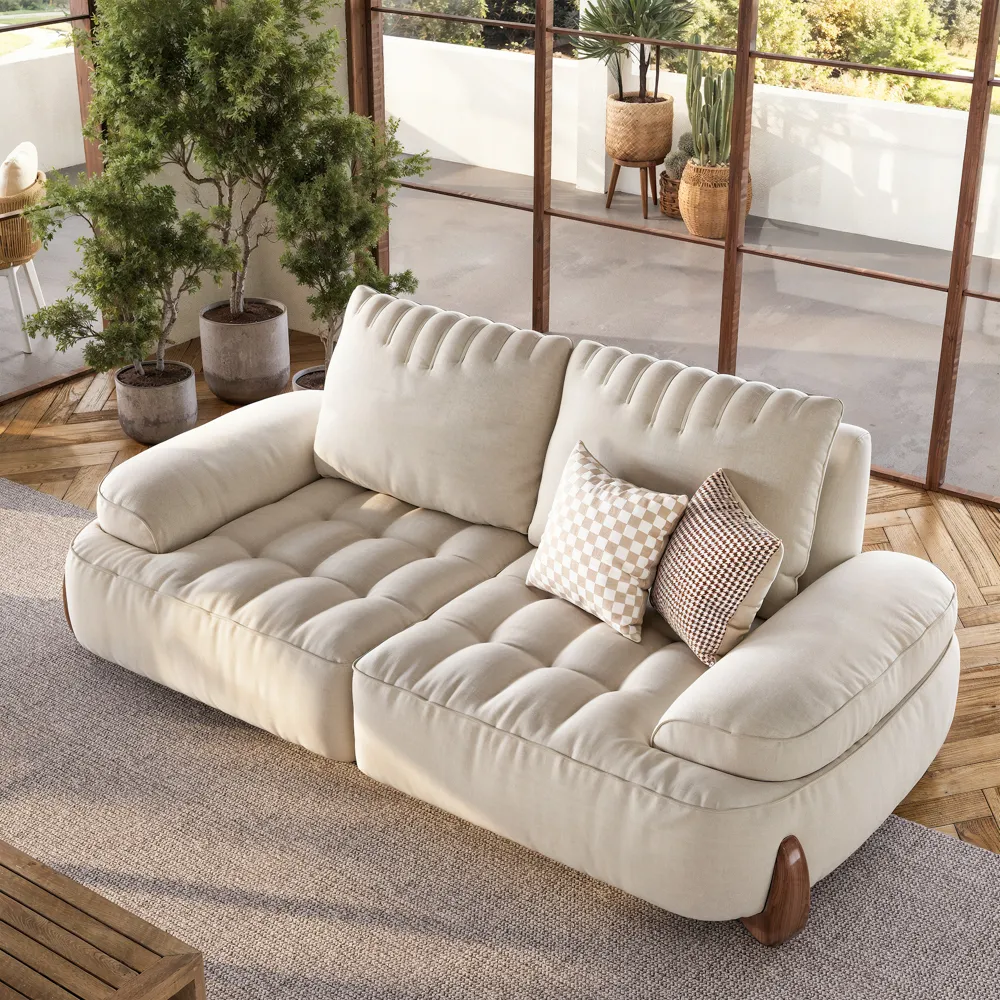
For velvet or chenille, avoid aggressive scraping. Use a soft brush, squeegee, or fabric-safe pet hair remover with gentle pressure. The Sofa made with cream chenille should be kept away from direct sunlight and heat, and cleaned regularly by dusting, vacuuming, or wiping with a dry cloth.

For leather or faux leather, use a barely damp microfiber cloth, then dry the surface with a clean cloth. Hair usually wipes off easily because it does not sink into the material.
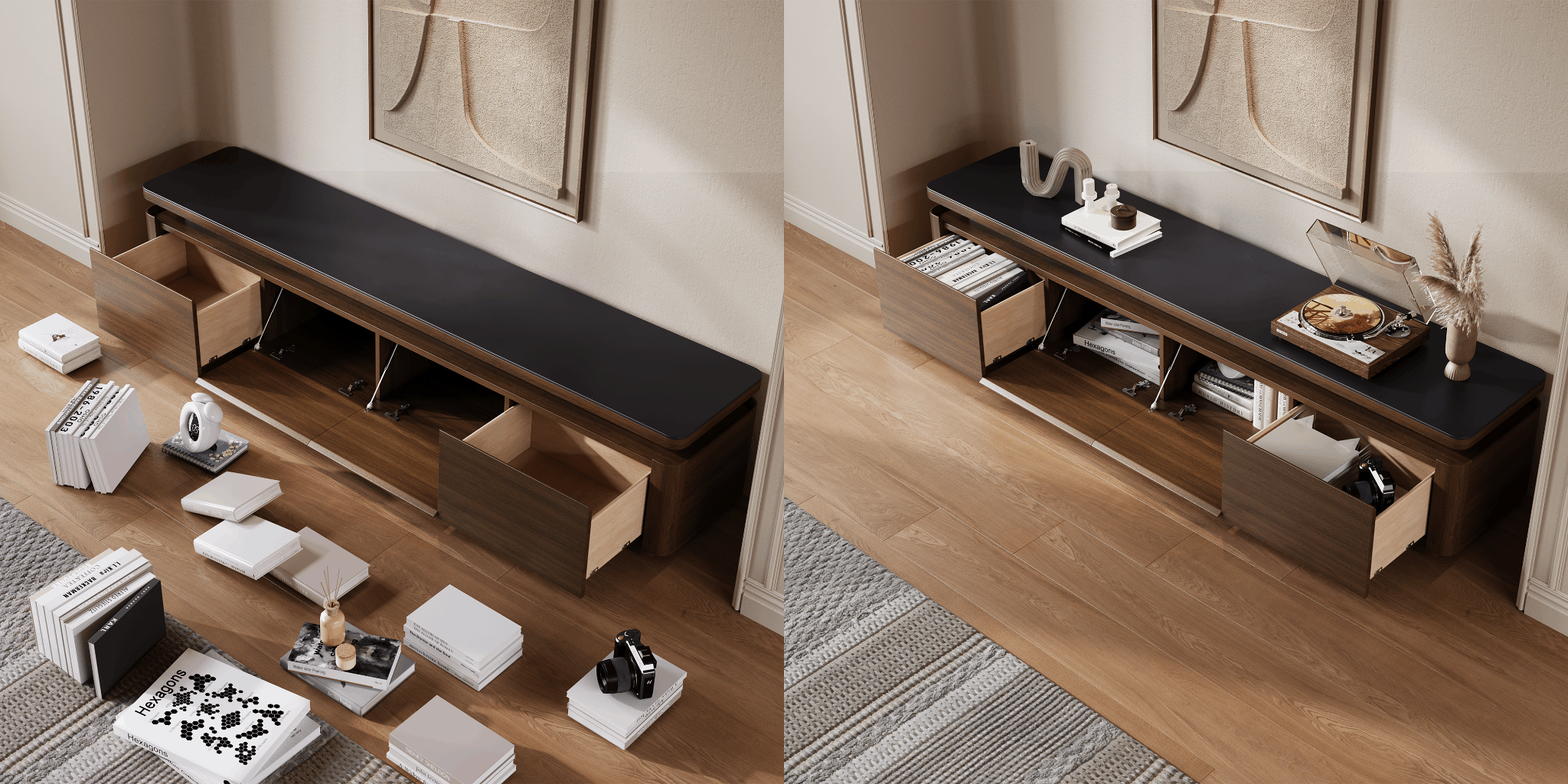
For wood furniture, avoid sticky tape, which can affect the finish. Use a microfiber cloth with anti-static spray or a furniture-safe polish cloth instead. Around high-shedding areas, smooth, non-porous surfaces are easier to maintain because loose fur and dust can be wiped away in seconds. A TV stand with a sintered stone top fits this kind of low-effort setup thanks to its scratch-, heat-, and wear-resistant surface.
For removable covers, remove hair before washing. A short no-heat dryer cycle can loosen hair, but check the care label first. Washing fur-covered covers directly can leave hair in the machine and on the fabric.
What Mistakes Should You Avoid?
Many cat hair problems get worse because the first cleaning step is wrong. The goal is to lift hair away from the surface, not push it deeper. This matters most with textured upholstery, velvet, suede, and covers that go into the laundry.
Avoid these common mistakes:
- Using a regular vacuum head only. It may blow lightweight fur around instead of pulling it out.
- Over-wetting fabric. Too much water can create stains, odors, or slow-drying cushions.
- Using pumice stone on delicate fabrics. It may damage velvet, suede, or soft weaves.
- Washing covers before removing hair. Loose fur can stick to the fabric and collect in the washer.
- Waiting too long. A thin layer of cat hair is easy to remove. A packed layer takes more time.
If you want to remove cat hair from furniture without damaging the surface, test every tool on a hidden spot first. This is especially important for dark velvet, light microfiber, and wood finishes. A broader habit like learning how to protect fabric furniture from stains also helps because protected fabric is often easier to maintain.
How Do You Keep Cat Hair Off Furniture Longer?
You cannot stop shedding completely, but you can control where the hair goes and how hard it is to clean. The best prevention plan combines grooming, furniture protection, and smart material choices. This turns hair removal from a stressful deep clean into a quick weekly habit.
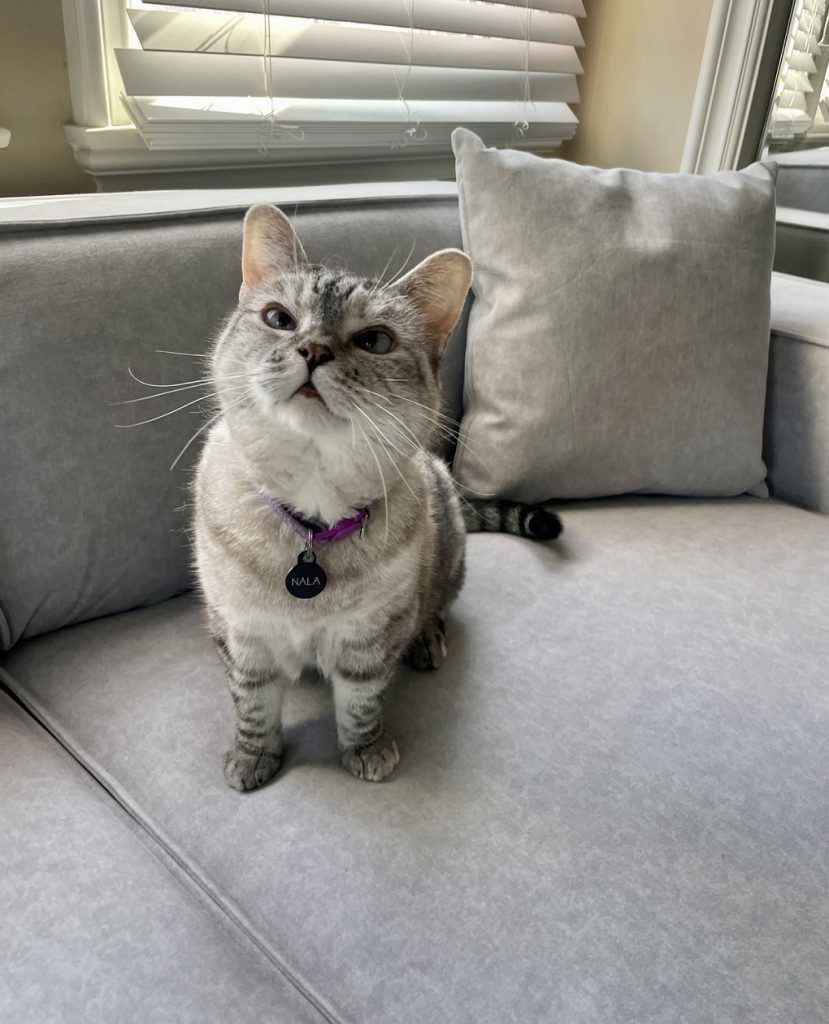
Start with your cat’s favorite spot. Add a washable throw or pet blanket there, then wash it weekly. It is much easier to clean one blanket than an entire sofa. Give your cat a cozy bed near the furniture so they still feel close to the family without owning every cushion.
Brush your cat regularly. Long-haired cats may need more frequent brushing, especially during seasonal shedding. After several evenings of quick brushing, the blanket still had hair, but the sofa arms collected far less.
When choosing new furniture, look for:
- Leather or faux leather, because hair sits on the surface.
- Tight-weave fabric, because fur is less likely to sink in.
- Performance fabric, because it is designed for daily life.
- Short-pile upholstery, because it is easier to wipe and vacuum.
- Removable or washable covers, because they simplify maintenance.
If you are comparing materials, a practical sofa fabric guide for homes with pets can help you think beyond color and style. For cat owners, the best furniture is not only beautiful. It should also be easy to brush, vacuum, and refresh.
The answer to how to get cat fur off furniture is not one perfect tool. It is a simple system: reduce loose fur at the source, protect the favorite lounging zones, clean small areas often, and choose materials that do not trap hair deeply.
Q&A
What is the easiest way to get cat hair off furniture?
The easiest method is a slightly damp rubber glove. Wipe the furniture in one direction until the hair forms clumps, then pick them up or vacuum them away. It works well on most fabric sofas, chairs, and cushions.
Can I use a dryer sheet on furniture?
Yes, but only with caution. A dryer sheet can reduce static and lift light fur from some surfaces. Always test it on a hidden area first, especially on delicate fabric, leather, or dark upholstery, because residue may affect the finish.
Is a lint roller enough for cat hair on a couch?
A lint roller is fine for pillows, small areas, and quick touch-ups. It is not enough for a large couch with embedded hair. If you need how to get cat hair off a couch deeply, use a squeegee or rubber brush before vacuuming.
How often should I clean cat hair off furniture?
For light shedding, once a week is usually enough. If your cat sleeps on the sofa daily, do a quick glove wipe every few days and vacuum seams weekly. During heavy shedding seasons, increase both brushing and furniture cleaning.
What furniture fabric is best for cat owners?
Leather, faux leather, tight-weave fabric, and short-pile performance fabric are usually easier to maintain. Avoid loose weaves when possible, because hair and claws can catch in the texture. Removable covers are also helpful for long-term cleaning.
Conclusion
Learning how to get cat hair off furniture is easier when you match the method to the mess. Use a damp rubber glove for daily surface hair, a squeegee plus upholstery vacuum for embedded fur, and a microfiber cloth for leather or wood. Long term, regular grooming, washable throws, and pet-friendly furniture materials make the biggest difference. Cat hair may never disappear completely, but with the right routine, it becomes quick to manage instead of frustrating.


