 By Jenny Smith

A comfortable living room for watching sports is about more than screen size. Clear sightlines, supportive seating, and easy access to everyday essentials make it easier to follow the action without crowding the room. Whether you watch alone, with family, or with friends, a well-planned setup can create a more immersive viewing experience while keeping the space practical for daily life.
Start with the screen and main seats, then arrange storage, lighting, and tables around how you actually use the room.
Table of Contents
How to Plan a Living Room for Everyday Sports Viewing
A living room designed for regular sports viewing should feel comfortable during a single match and remain functional throughout the week. Rather than adding furniture for one occasion, focus on a layout that supports different viewing positions, keeps the screen visible, and makes the room easy to reset afterward.
Plan for Long Viewing Sessions
Watching sports often involves changing positions, taking breaks, and spending extended periods on the sofa. Seating that feels comfortable for a short period may become less practical during longer sessions, especially when viewers have limited room to stretch out.
Start with three priorities:
- Keep the screen easy to see from the main seats.
- Choose seating that supports upright sitting and relaxed lounging.
- Give everyday essentials a designated place, from remotes and blankets to drinks and accessories.
Furniture should support these habits without turning the living room into a dedicated entertainment space. A comfortable sofa, accessible storage, and a convenient surface for drinks can make the setup easier to use every day.
Keep the Screen View Clear from Every Seat
Sports move quickly, so viewers should be able to follow the action without leaning around lamps, turning their necks, or looking past other furniture. Keep tall decor away from the screen, angle side chairs toward the TV, and leave the main walkway behind or beside the seating rather than directly in front of it.
Before finalizing the layout, sit in each main viewing position and check whether the screen remains visible. If a chair requires constant repositioning or forces someone to turn sideways, adjust its angle or move it to a different part of the room.
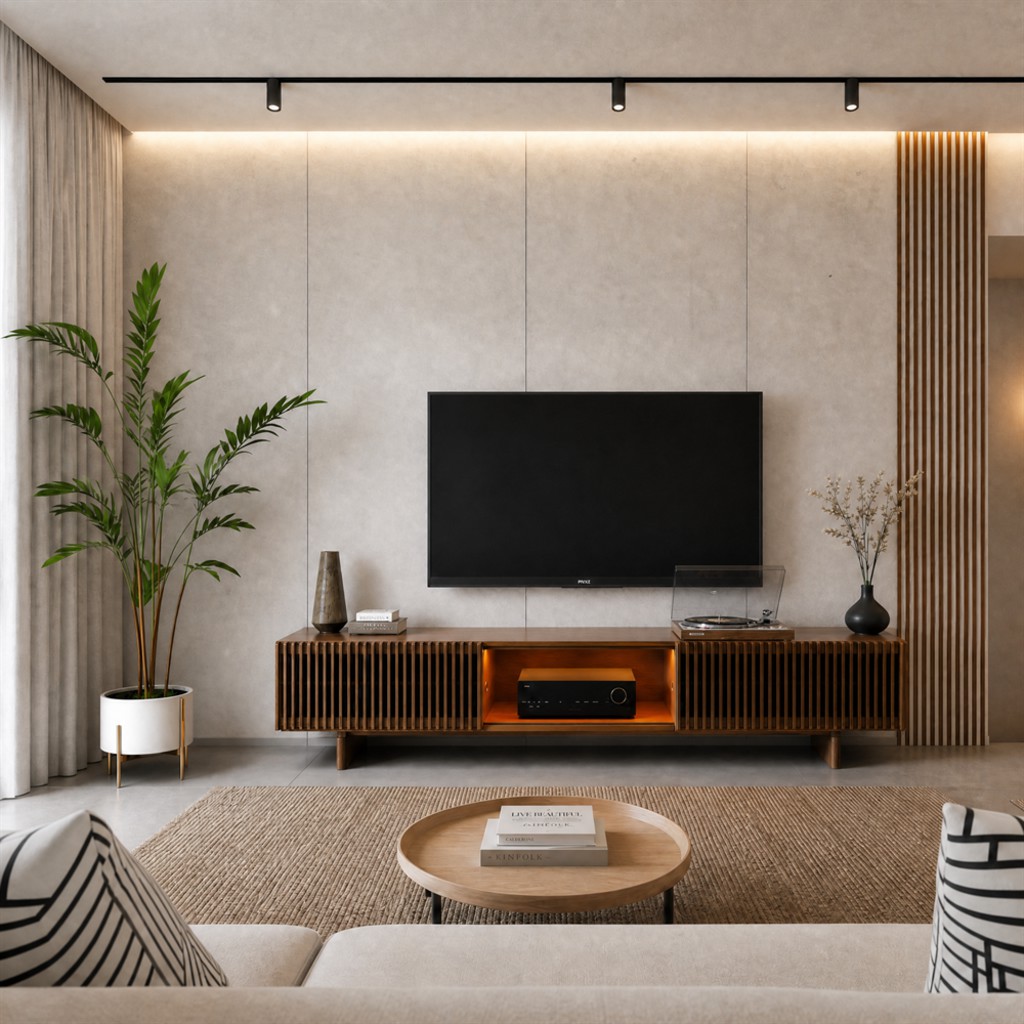
How to Set Up the TV Area for Comfortable Viewing
Once the seating arrangement is clear, organize the media area around the screen, connected devices, and available wall space. The right TV stand helps balance the screen visually while keeping cables, remotes, and equipment from spreading across the room.
Choose a Media Console That Keeps the Area Organized
Before choosing a TV stand, measure the screen and the available wall space. Look for a console wide enough to visually support the TV, with storage for remotes and streaming devices, cable openings for connected equipment, and ventilation to help electronics stay cool.
A deeper media console can be especially useful if you have an AV receiver, gaming console, or other equipment that needs more room than a streaming stick or compact set-top box. Adjustable shelves also make it easier to accommodate devices of different heights.
The Delven Verse Mid-Century Modern TV Stand combines three cabinets, adjustable and removable interior shelves, and dedicated cable openings. Slatted doors allow sound and infrared signals to pass through, while rear vents help keep equipment cool. Remote-controlled lighting offers six brightness levels for a subtle accent around the media area.
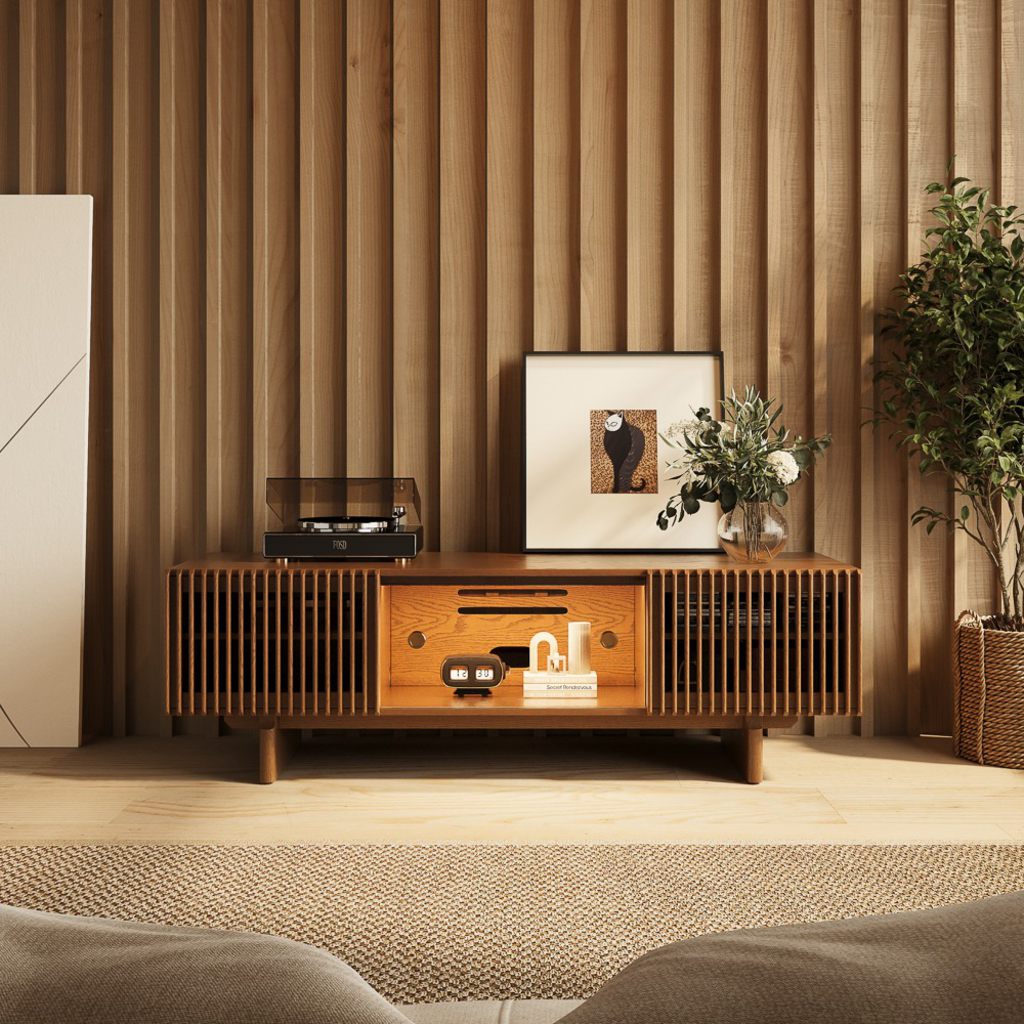
Delven Verse Mid-Century Modern TV Stand
Deep cabinet storage keeps receivers, streaming devices, and cables out of sight.
👍 Best for: AV receivers and tidy TV zones
✨ Slatted doors pass infrared signals
✨ Six-level remote-controlled LED lighting
✨ Adjustable shelves and rear vents
For additional sizing guidance, see how big a TV stand should be for a 55-, 65-, or 75-inch TV.
Reduce Screen Glare During Daytime Viewing
Glare can make daytime sports difficult to follow. Check the screen at the time of day you usually watch TV and notice whether sunlight reflects off the screen, a glass tabletop, or nearby windows.
Simple adjustments can improve visibility without keeping the room dark all day:
- Use curtains, shades, or light-filtering panels to manage direct sunlight.
- Move reflective decor away from the screen.
- Avoid placing floor lamps directly beside the TV.
- Use softer lighting behind or beside the seating area to reduce contrast between the screen and the room.
The goal is to reduce distracting reflections while maintaining comfortable ambient light for the rest of the living space.
What Furniture Makes Everyday Sports Viewing More Comfortable?
Once the screen and media area are set, focus on seating and nearby surfaces. The most useful pieces support different viewing positions, keep essentials within reach, and remain practical for everyday routines when the game is over.
Choose Furniture That Works Beyond Sports Viewing
Temporary chairs and trays can add capacity for one evening, but they often create clutter or block walkways. For regular viewing, choose the main seat around how you sit and lounge, then check the space needed when any reclining or pull-out function is extended.
| Everyday Viewing Need | Quick Fix | Better Long-Term Choice |
| Long-session comfort | Dining chairs or floor cushions | Supportive sofa or reclining seating |
| Adjustable lounging | Extra pillows or separate footrests | Sofa with adjustable seat depth or reclining functions |
| Occasional guest sleep | Air mattress on the floor | Sofa bed or sleeper seating |
| Drinks and remotes | One oversized central table | Side table or lift-top coffee table |
| Quick cleanup | Loose items placed around the room | Storage baskets and closed cabinets |
When choosing a power sofa bed, compare the usable seat depth, upholstery, and space required when the seat extends. The furniture should support your preferred viewing position without pushing the coffee table into the main walkway.
The Aurora Power Sofa Bed has an electrically adjustable seat depth ranging from 27 to 45.5 inches, allowing viewers to sit upright or stretch out without changing seats. It also converts into a sleeping surface for occasional overnight guests, making it useful in a multipurpose living room. Before ordering, compare its standard and extended dimensions with the available space around the coffee table and main walkway.
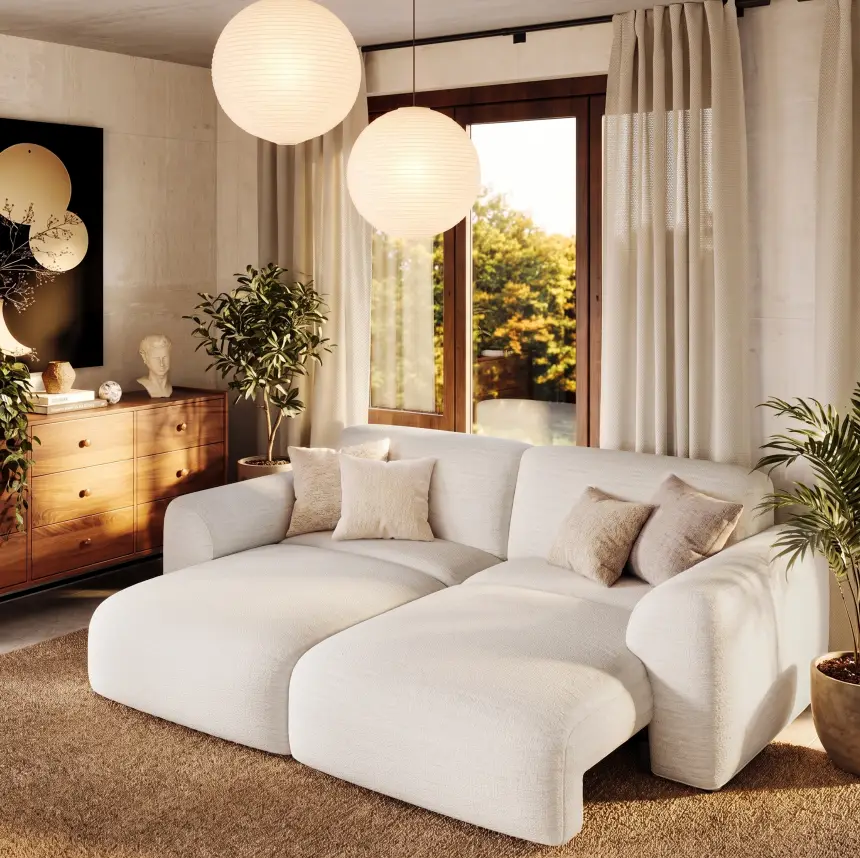
Aurora Power Sofa Bed
A convertible two-seat design supports daily viewing while making room for overnight guests.
👍 Best for: Flexible seating and guest sleep
✨ Water-resistant, scratch-resistant chenille
✨ Remote-controlled motorized extension
✨ Adjustable 27–45.5-inch seat depth
Use Small Pieces to Keep Essentials Within Reach
After choosing the main seat, use smaller pieces to keep drinks, remotes, and accessories close without narrowing the route between the sofa and screen.
Useful additions include:
- Side tables near the sofa for drinks, phones, and remotes.
- A low or lift-top coffee table that leaves room for knees and walkways.
- Storage baskets for blankets, controllers, and everyday accessories.
- A soft rug to define the viewing zone and help reduce echo.
- A small tray for remotes, coasters, and other essentials.
A round coffee table can make it easier to move around the seating area while providing a surface for drinks, snacks, or a laptop. The Silva Lifting Top Round Coffee Table features a lift-top surface for casual meals or laptop use, while two drawers keep remotes and other small items out of sight. Its compact round footprint and fully assembled design make it a practical addition to a multipurpose living room.
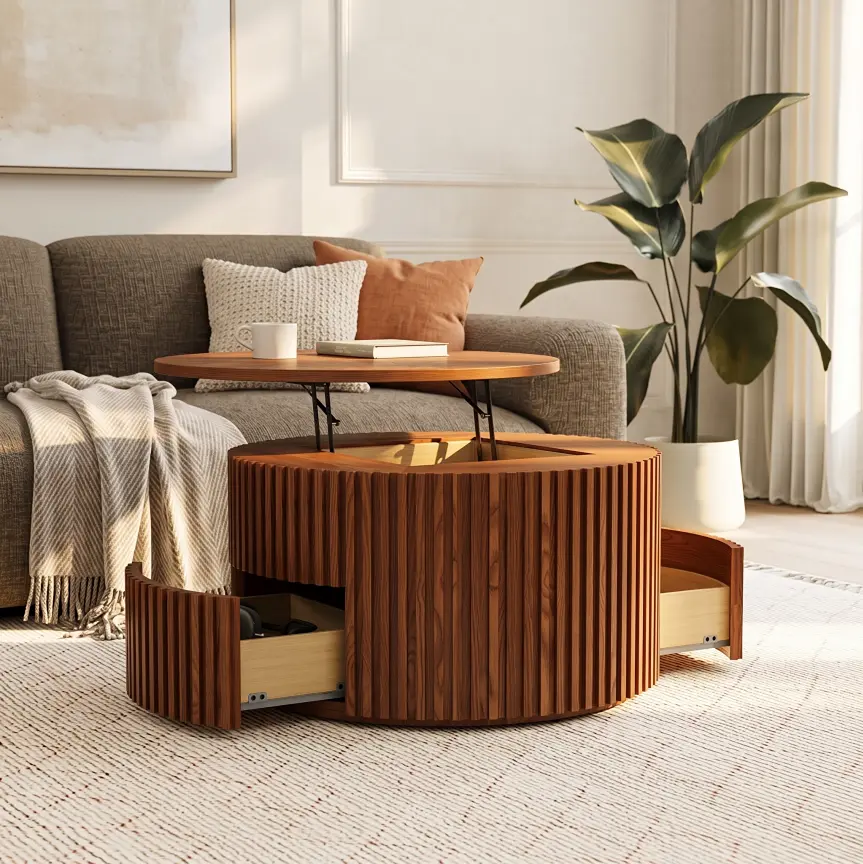
Silva Lifting Top Round Coffee Table
Rounded lift-top design keeps compact seating areas flexible without crowding walkways.
👍 Best for: Compact rooms and sofa-side meals
✨ 31.5-inch round tabletop
✨ Two drawers for small essentials
✨ Fully assembled, no setup required
Before ordering larger pieces, measure doorways, hallways, and the final placement area. If a furniture item is heavy or difficult to maneuver, review the available white-glove delivery options.
Conclusion
A comfortable sports-viewing living room starts with clear sightlines, seating that supports longer sessions, and a media area that stays organized. Reduce glare, keep everyday essentials within reach, and choose furniture that fits both viewing and relaxing.
The goal is not to turn the room into a dedicated sports bar, but to make watching, lounging, and moving through the space feel natural every day.
Find Furniture for Everyday Living
Explore thoughtfully designed furniture for modern homes, with clear material details and practical features for everyday comfort.
FAQ
What apartment setup is best for watching matches?
Start with a clear view of the TV from the main sofa, then choose furniture that fits the room without narrowing the main walkway. A storage-friendly TV stand helps contain cables and devices, while a compact coffee table or side table keeps drinks and remotes within reach. If space is limited, prioritize flexible seating over adding several large furniture pieces.
What is the best seating arrangement for watching sports at home?
A sofa facing the TV with side chairs angled slightly inward works well in many living rooms. Arrange the main seats so viewers can see the screen without turning their necks or leaning around furniture. Keep the main walkway beside or behind the seating to avoid interruptions and preserve comfortable movement through the room.
How can I make home sports viewing feel more immersive?
Start by improving sightlines and reducing distractions around the screen. Position the main seating toward the TV, manage glare from windows, and keep loose cables and accessories organized. Comfortable seating and soft ambient lighting can make the viewing area feel more inviting without requiring a dedicated home theater.
Do I need a large TV for a comfortable sports-viewing setup?
Not necessarily. The screen should suit the viewing distance and the room, and it should be easy to see from the main seats. A well-positioned TV with limited glare often improves the experience more than choosing the largest available screen. Check the stand width and viewing height before finalizing the layout.
Where should drinks and remotes go while watching sports?
Place drinks and remotes on a side table or coffee table within easy reach of the main seats. In a compact room, a round coffee table can provide a useful surface while helping preserve a clear route around the seating. Keep tables outside the main walkway so people can move through the room without disrupting the view.
What should I look for in a TV stand?
Choose a TV stand that is wide enough to visually support the screen and offers suitable storage for your devices. Cable openings help organize connections, while ventilation and adjustable shelves are useful for AV receivers, consoles, and other equipment. Measure the available wall space and confirm that the console will not obstruct the main walkway.
Is a power sofa bed a good choice for everyday sports viewing?
A power sofa bed can be useful if you want to switch between upright viewing, relaxed lounging, and occasional guest sleeping. Compare the adjustable seat depth, upholstery, and fully extended footprint before choosing a model. Make sure the extended position leaves enough clearance around the coffee table and main walkway.


