 By Jenny Smith
After weeks of guests, gift deliveries, and snowy boots, your entryway has probably seen better days. The good news: a focused New Year reset can turn that post-holiday chaos into a calm, beautiful landing zone. With the right entryway storage system, every pair of festive footwear gets a clear home, your floors stay cleaner, and walking in the door feels like an exhale instead of a trip through a shoe maze.
Why a New Year Entryway Storage Refresh Matters
Your entry sets the tone for the whole home. When it’s piled with shoes, bags, and boots, you feel behind before you even take your coat off. A survey from the National Association of Home Builders found that storage space is one of the top two priorities on new homebuyers’ wish lists, underscoring how important organized, accessible storage has become ( NAHB, 2023 ).
The U.S. home organization products market reached $11.79 billion in 2023 and is projected to climb to $16.15 billion by 2030, growing at a 4.6% CAGR ( Cognitive Market Research, 2025 ). That growth is driven by exactly what you’re feeling now: people want small, strategic upgrades—like smarter entryway shoe storage—that make daily routines smoother without a full renovation.
Audit Your Festive Footwear & Entryway Bottlenecks
Do a 15-minute post-holiday shoe inventory
Before you buy a single entryway bench with storage, you need to know what you’re actually storing. Pull every pair of shoes in from the door, mat, and random corners. Group them by wearer (adults, kids, guests) and by type: boots, heels, sneakers, slippers. Ask: which pairs truly need to live in your shoe storage entryway, and which can move to bedroom or closet storage? Everyday pairs and current-season boots get prime real estate; special-occasion shoes and rarely used heels can move deeper into the home.
Now, create a quick sorting checklist you can literally keep on your phone or a sticky note by the door:
- Keep here – daily shoes and current-season boots you reach for several times a week
- Relocate – off-season pairs that belong in bedroom or closet storage
- Donate – shoes that don’t fit, don’t feel good, or no longer match your style
- Repair – favorites with worn soles, broken zippers, or scuffed heels
This tiny system makes it easier to stay decisive next time shoes pile up.
Map your entryway traffic flow
Next, stand at your front door and watch how the space actually works. Where do people naturally kick off shoes, drop bags, or shrug off coats? Do doors swing into crowded corners or hit piles of boots? Note tight choke points near stairs, radiator covers, or console tables.
A quick sketch of your floor plan—or even a few phone photos—helps you spot underused vertical zones and corners. Maybe a shoe storage cabinet entryway can tuck behind the door, or a slim entryway table with shoe storage can slide against a wall without blocking traffic. Treat your entry like a mini hallway studio: every inch needs a job.
Smart Entryway Storage Solutions for Every Home
Entryway storage benches and cabinets for everyday shoes
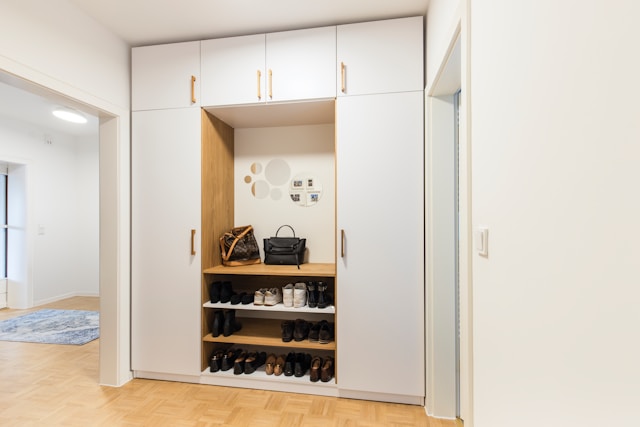
For most homes, the core workhorses are a storage bench entryway piece and a closed cabinet. An entryway shoe storage bench gives you a place to sit while lacing boots, plus cubbies or a flip-up seat for sneakers and slippers. Closed entryway storage cabinet designs hide visual clutter and are ideal for grown-up shoes; open shelves or cubbies keep kids’ grab-and-go pairs easy to reach.
Think of it like this: open storage = maximum visibility, closed storage = maximum calm, and a modern entryway bench with shoe storage = the sweet spot between function and comfort. For example, a Mid Century Modern Shoe Cabinet like Povison’s design offers sleek style, hidden capacity, and a ready-made perch right inside the door. If assembly isn’t your thing, look for fully assembled, ready-to-use furniture so it goes straight from box to hallway with zero tools.
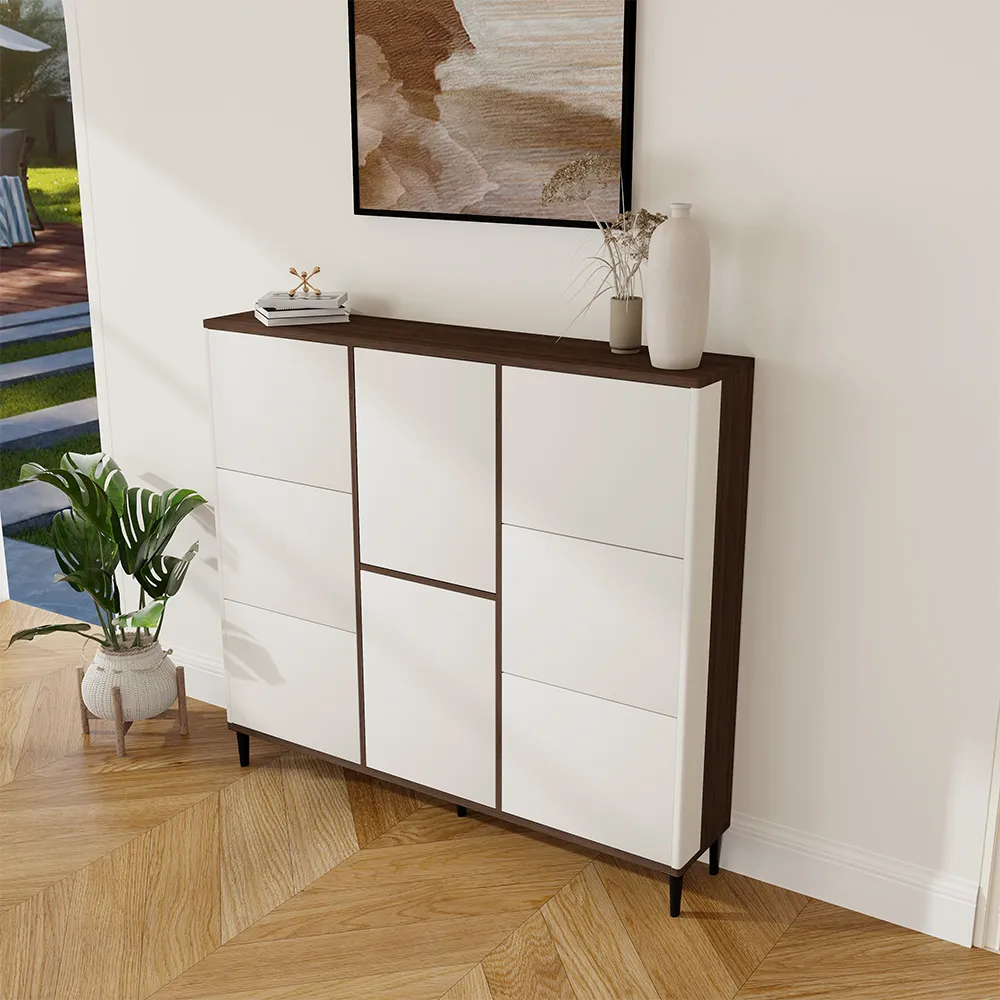
To help you choose the right setup for your home, here’s a quick comparison of open, closed, and bench-style entryway shoe storage:
| Storage type | Capacity | Visual impact | Cleaning & maintenance | Kid-friendliness | Best for |
| Open shoe racks / shelves | Easy to see all pairs, moderate | Visually busy if overfilled | Quick to wipe, dust and dirt visible fast | Very kid-friendly, grab-and-go | Families who change shoes often, casual spaces, mudroom-style |
| Closed shoe cabinets | High capacity, hides extra pairs | Clean, minimal, clutter-free look | Doors hide dust; inside needs occasional tidy | Depends on handle height & soft-close | Style-focused entries, small spaces that feel crowded easily |
| Entryway bench with shoe storage | Moderate to high, depending on design | Balanced: furniture + storage in one | Surfaces easy to wipe; inside stays cleaner | Great for kids to sit while putting shoes on | Everyday family use, seating + storage in one compact footprint |
Vertical entryway storage for tight or narrow spaces
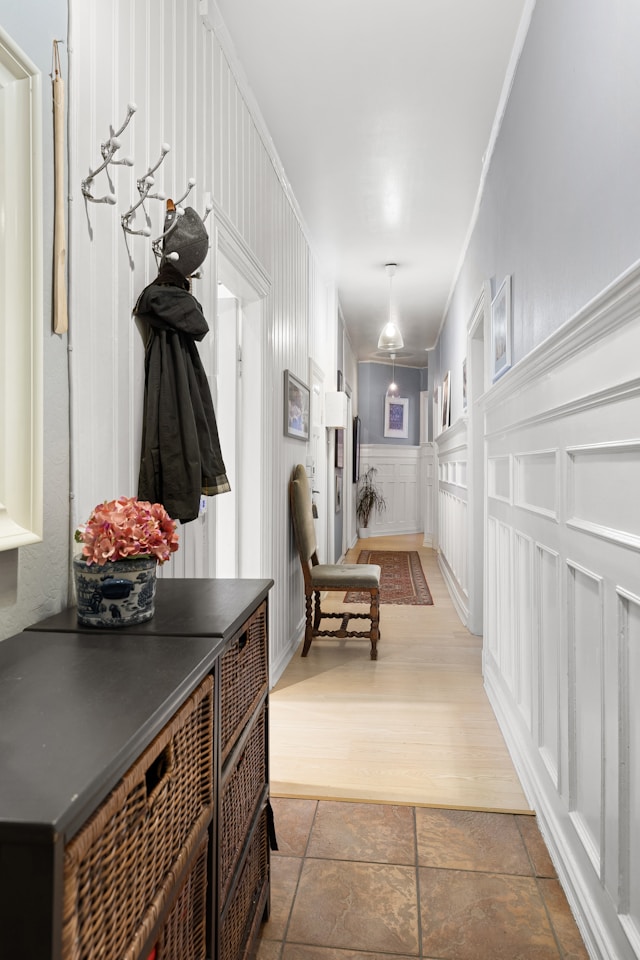
If your front door opens straight into a narrow hallway or living room, go vertical. Slim wall-mounted shelves, tall shoe towers, or ladder-style racks can turn a 12-inch strip of wall into serious entryway shoe storage. Pair them with hooks or peg rails for umbrellas, totes, and dog leashes so they don’t end up buried under coats.
Renting or worried about drilling? Look for adhesive hooks, over-the-door shoe racks, and tension-rod systems. These renter-friendly small entryway shoe storage ideas add structure without leaving holes, and they’re easy to take with you when you move.
Seasonal and guest footwear zones
Your festive footwear deserves its own plan. Create small, labeled zones for “Holiday Guests,” “Outdoor Adventures,” and “Daily Commute.” That might mean baskets lined up under your entryway storage bench, or a couple of fabric bins on the lower shelf of a cabinet. Keep guest slippers in a soft basket right by the door so people feel welcome to ditch wet boots.
For messy weather, layer in waterproof trays or rubber boot mats near the door. They catch snow, salt, and mud before it reaches your rugs, and you can slide them under an entryway bench with shoe storage when not in use. Picture stepping inside on a stormy evening, parking your boots on a tray, and not worrying about tomorrow’s cleanup.
Design-Forward Entryway Storage Ideas for 2026
Color, materials, and textures that make storage feel intentional
Storage looks more elevated when it matches the rest of your home. Warm woods, soft neutrals, and matte finishes keep entryway storage from feeling like locker room furniture. Mix a light oak entryway storage bench with a textured wool runner and a matte-black hook rail for a modern, cozy vibe.
To avoid a wall of doors, balance closed storage with a few curated display moments—plants, framed prints, or a sculptural bowl. This way, your shoe storage cabinet entryway fades into the background while the styled top becomes the visual focal point.For more inspiration and trending picks, explore Trednig Entryway Shoe Storage for Your Home.
Entryway storage that matches your lifestyle, not just your floor plan
Design for how you live, not for an imaginary magazine spread. Families with kids do best with low, open cubbies, picture labels, and sturdy hooks they can reach without help. Pet owners might dedicate a small “pet station” with towel storage, leash hooks, treats, and a boot tray all in one corner.
Hosts and entertainers can set up a dedicated guest shelf with slippers in multiple sizes and a spot for glossy heels. Think in “micro-zones”: arrivals (hooks, bench), drying (mats, trays), storage (cabinets, baskets), and grab-and-go (keys, bags). When each micro-zone is clear, your entryway storage becomes intuitive—even half-asleep on Monday mornings.
Sustainable and long-lasting entryway storage choices
In 2026, stylish storage and sustainability should go hand in hand. Look for FSC-certified wood, low-VOC finishes, and non-toxic materials for benches, cabinets, and tables to keep your entryway’s air healthier. (FSC United States) Sturdy, pre-assembled pieces tend to outlast cheaper flat-pack units in high-traffic areas, especially where kids and wet boots are involved.
Treat your entryway bench with storage as a long-term investment: choose a timeless silhouette, neutral color, and solid hardware so it can move with you to future homes and still look current.
Your 1-Weekend New Year Entryway Storage Reset Plan
Day 1 – Declutter, deep clean, and define zones
Start by clearing the entire entry: shoes, rugs, coat rack, even the console. Sweep, mop, and wipe down baseboards; touch up scuffs with a magic eraser or a bit of paint. Sort all footwear and accessories into your keep/relocate/donate/seasonal categories from earlier.
Then, use painter’s tape to mark out key zones on the floor and walls: a strip for a storage bench entryway piece, a rectangle for a slim cabinet, spots for hooks and art. Seeing the layout taped out helps you avoid overbuying and keeps traffic paths open.
Day 2 – Set up your upgraded entryway storage system
Bring in your main entryway storage furniture first: bench, cabinet, shelving. Make sure doors and drawers can open fully without hitting each other or your front door. Then layer in baskets, trays, and hooks where they’re most useful—boot tray right inside the door, catch-all tray near eye level, hooks at kid height.
Now simulate real life: open the front door, walk in with bags, pretend to juggle a coffee, call the dog, and imagine kids racing past you. If anything feels cramped or awkward, adjust before you declare the setup “done.” Fully assembled pieces shine here—you’re testing flow, not hunting for missing screws.
Keeping Your Entryway Storage System Tidy All Year
A system only works if you feed it good habits. Aim for a two-minute evening reset: shoes back into the entryway shoe storage bench, bags on hooks, mats shaken outside. Once a week, do a quick sweep for off-season shoes that migrated back to the door and return them to deeper storage.
Nearly 87% of Americans say they feel their best, mentally and physically, when their home is clean ( American Cleaning Institute, 2024 ). (cleaninginstitute.org) Think of this tiny reset as future-you self-care, not just chores.
At each season change, rotate shoes between your entryway storage and bedroom or closet space. Build a “shoe capsule”: six to ten go-to pairs per person that live in the entryway for the season—like snow boots, everyday sneakers, work shoes, and house slippers. Everything else gets stored elsewhere. These micro-declutters take less than 20 minutes but keep your entryway storage bench and cabinets from filling up with orphaned sandals in January or heavy boots in July.
Conclusion – Step Into 2026 With a Lighter, Brighter Entryway
A calm entryway is a small upgrade with an outsized impact. By auditing your festive footwear, choosing entryway storage that fits your space and lifestyle, and building simple habits around it, you turn the place where days begin and end into a quiet, supportive backdrop. As you step into 2026, your hallway can finally match the fresh-start energy you want for the rest of your home.
FAQ – Entryway Storage & Festive Footwear
How many pairs of shoes should actually live in my entryway?
Aim for 4–8 pairs per adult and 3–6 per child in your entryway shoe storage, plus a small guest zone. Daily sneakers, work shoes, and current-season boots get priority. Sport-specific or special-occasion footwear is usually better off in bedroom or closet storage so the door area stays breathable.
What’s the best entryway storage solution for a very small or no-entry apartment?
In studios or doors that open straight into the living room, think vertical and multi-purpose. A slim entryway table with storage paired with a shallow wall-mounted shoe rack or a low-profile shoe cabinet behind the door can add structure. A compact entryway bench with shoe storage at the foot of a nearby sofa can also double as seating.
How do I keep wet winter boots from ruining floors and carpets?
Use waterproof boot trays or shallow plastic bins near the door, plus an absorbent mat to catch drips. Let boots dry upright on a small rack or over vented grates, then move them into your entryway shoe storage bench or cabinet once fully dry. If space allows, keep a second mat ready so you can swap them out for cleaning.
Is closed or open entryway shoe storage better?
Open entryway shoe storage is great for kids and busy households because you can see and grab everything fast. Closed cabinets and doors hide visual clutter and feel calmer, but they require a little more discipline. Many homes do best with a mix—open cubbies for daily pairs, a closed shoe storage cabinet entryway for overflow and less-used shoes.
How can I choose entryway storage that still looks good in a year or two?
Stick to timeless finishes—warm or light woods, black or white frames, and simple lines. Choose modular pieces, like a storage bench entryway plus a separate hook rail or cabinet, so you can rearrange as life changes. Prioritize durable construction and easy-to-clean materials since your entry takes more abuse than almost any other space.


