 By Charles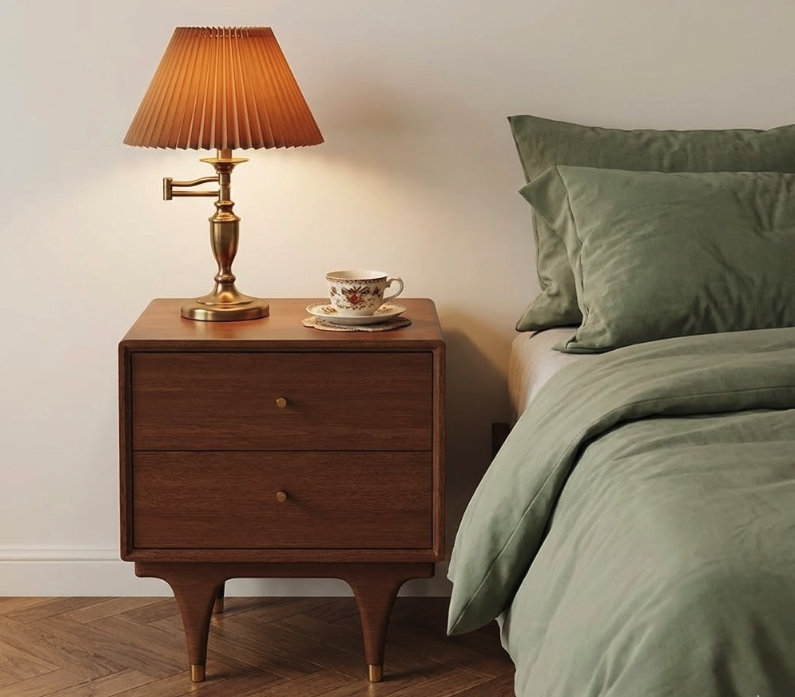
You’re here because you want a nightstand that works as hard as you do, not one that wobbles, peels, or traps dust bunnies for sport. This quick nightstand buying guide is built for your real life: late-night emails, kids who wander in at 3 a.m., and pets who think your water glass is theirs. You’ll walk away knowing what to look for in durability, height, storage, style, and safety, so you can order once, unbox, and actually enjoy your bedroom instead of assembling it.
How Do I Choose a Durable Nightstand?
If you want your next nightstand to last longer than your current TV show obsession, focus on what it’s made of and how it’s built, not just the pretty photos. Use this checklist to quickly sort solid, long-lasting options from the flimsy stuff that sags and chips after one hectic school year.
Solid Wood vs. Particle Board: Is the Extra $50 Worth It?
Here’s the short answer: yes, most of the time that extra $50–$100 pays you back in years of not replacing furniture. Solid wood (like walnut, oak, or rubberwood) handles weight, moves better when you relocate, and can be lightly sanded if it gets dinged.
Particle board and MDF can look good on day one, but screws loosen faster and corners chip easily if a toy, vacuum, or dog bone hits them. If your nightstand will hold a heavy lamp, stacks of books, and maybe a 10–15 lb CPAP machine, aim for a solid-wood frame or at least a solid-wood top.
As a rule of thumb: if you’d be annoyed replacing it in 3–4 years, spend a bit more now for something that can comfortably last 10.
| Feature | Solid Wood | Particle Board / MDF |
| Lifespan | 10+ Years (Long-term investment) | 3-4 Years (Short-term fix) |
| Weight Capacity | High (Best for heavy lamps, CPAP machines, books) | Moderate (Best for lightweight items only) |
| Wear & Tear | Can be sanded & refinished if scratched. | Screws may loosen; corners chip easily and are hard to fix. |
| Water Resistance | High (With polyurethane/lacquer top coat). | Low (Laminates may bubble if water sits too long). |
| Cost Analysis | Higher upfront (+$50–$100), but cheaper over time. | Lower upfront, but likely needs replacing sooner. |
| Best For | Parents, Pet Owners, “Buy It For Life” Shoppers | College Dorms, Guest Rooms, Temporary Apartments |
Which Finishes Resist Water Rings and Pet Scratches?
Your nightstand is ground zero for water glasses, coffee mugs, and the occasional midnight melatonin spill. Look for finishes that specifically mention water-resistant or sealed surfaces, often a polyurethane or lacquer top coat.
For pet claws and dropped phones, a matte or satin finish hides tiny scuffs better than high-gloss. Closed-pore woods (like maple) and quality veneers over plywood resist water rings better than cheap, printed laminates that can bubble.
If you’re a “no coaster” person, test the surface when it arrives: set a cold glass down for 30 minutes on a discrete corner. If you see a permanent ring, that finish won’t love real life in your house.
What Height Matches Your Mattress? (24–30 Inch Rule)
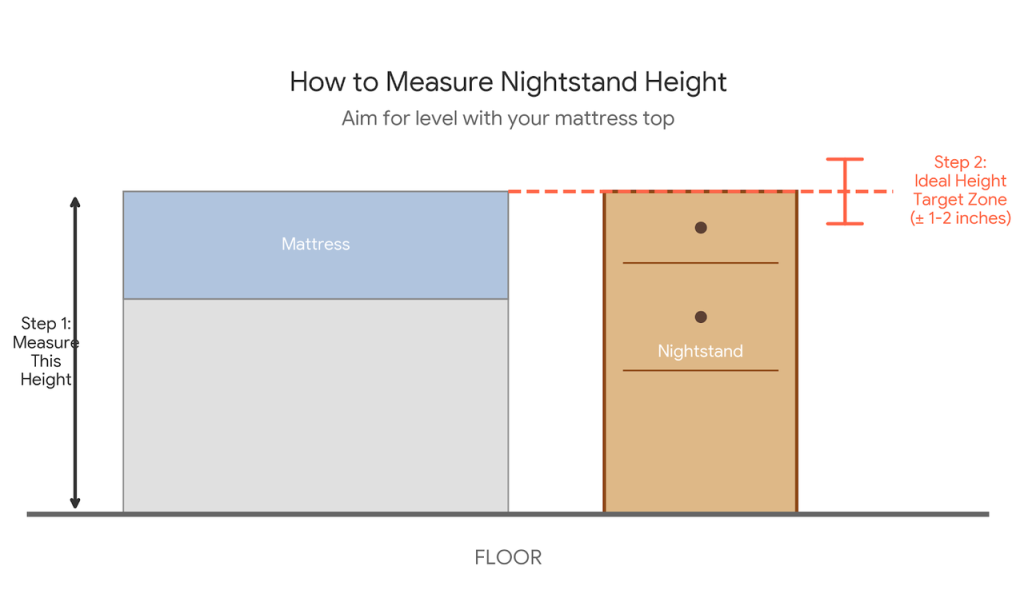
The right nightstand height keeps you from awkwardly reaching down into the dark for your phone or knocking over your water at 2 a.m. Aim for the top of your nightstand to land within 1–2 inches of the top of your mattress, usually somewhere in the 24–30 inch range.
If your bed is on the taller side (pillow-top + box spring), a 28–30 inch nightstand keeps your lamp at eye level for reading. Lower platform beds pair better with 22–26 inch pieces so you’re not reaching up like you’re ordering room service.
How to Measure: Bed Frame + Mattress Thickness
Grab a tape measure and do this once so you never guess again:
- Measure from the floor to the very top of your mattress. Write down that number.
- Your ideal nightstand height is that number ±1–2 inches.
- Check the product listing for overall height: ignore just “leg height”, you want total.
If you’re between sizes, choose the slightly higher option. It’s easier on your back to reach a little up than to dive down over the side of the bed.
How Much Storage Do You Actually Need for Clutter?
The best nightstand is the one that quietly swallows your clutter so your bedroom still feels calm after a long day. Before you shop, list what honestly lives by your bed: books, lotions, remotes, chargers, meds, maybe a tablet or laptop. That list tells you whether you need serious storage or just a simple perch for a lamp.
If you keep more than 3–4 small items out nightly, look for at least one drawer plus an open shelf. Drawers hide visual chaos: shelves handle books and baskets. Check dimensions: a drawer that’s 10″ wide and 3″ deep fills fast.
Open Shelves vs. Drawers: My Cleaning Time Test
Open-shelf nightstands look airy in photos, but let’s be real: they collect dust faster. I’ve timed it: dusting an open shelf setup takes about 3–4 minutes per side, while wiping a closed-drawer front takes under 60 seconds.
- The Verdict: If you’re a “drop everything in a bowl” person, opt for at least two drawers. You’ll spend less time styling and more time sleeping.
- Shop the Solution: Looking for a 60-second clean? Shop our Ready-to-Use Top-Rated 2-Drawer Nightstands.
Does It Fit Your Laptop and Water Bottle?
In real life, nightstands double as mini workstations and hydration stations. Check two key measurements on the product page:
- Top surface depth: At least 15 inches deep comfortably fits a lamp, 32 oz water bottle, and phone.
- Interior drawer width: At least 12 inches wide if you ever tuck in a 13-inch laptop on its side.
If you regularly work from bed or keep tech nearby, measure your biggest item (laptop, journal, or device) and make sure the listed interior dimensions beat that by 1–2 inches for easy in-and-out.
Should You Mix or Match Nightstands in Master Bedrooms?
You don’t have to live in a design magazine to pull off mixed nightstands. The trick is matching function and overall visual weight, even if the pieces themselves aren’t identical.
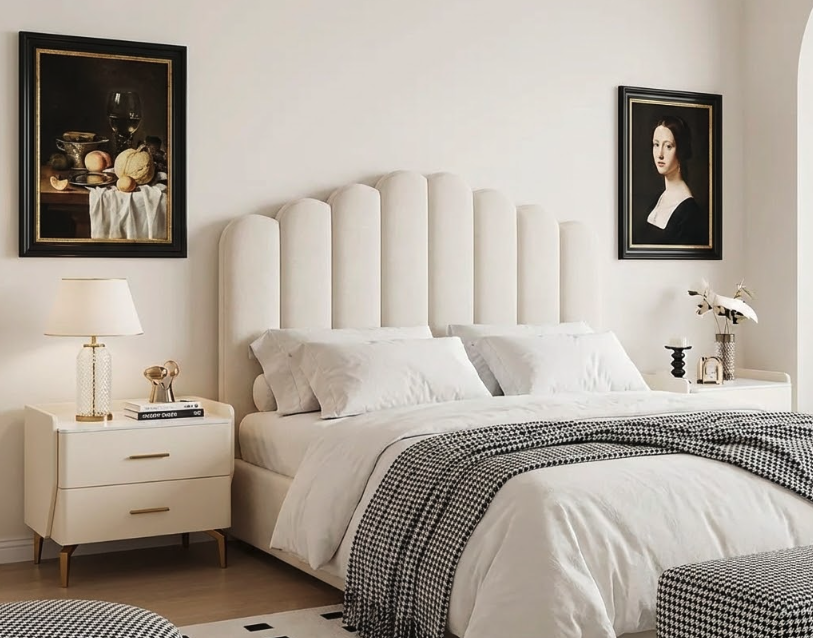
If you and your partner have different needs, one side needs extra drawers for meds and books, the other just wants a lamp and a charging dock, mixing can be smarter. Aim to line up heights within 1 inch of each other so the bed doesn’t look lopsided, and keep a common thread: same wood tone, similar hardware color, or matching lamp style.
If you’re overwhelmed or short on time, matched nightstands are the safest and fastest route. A matching pair instantly looks intentional, and you can still customize with different trays, books, and photos on each side to reflect your routines.
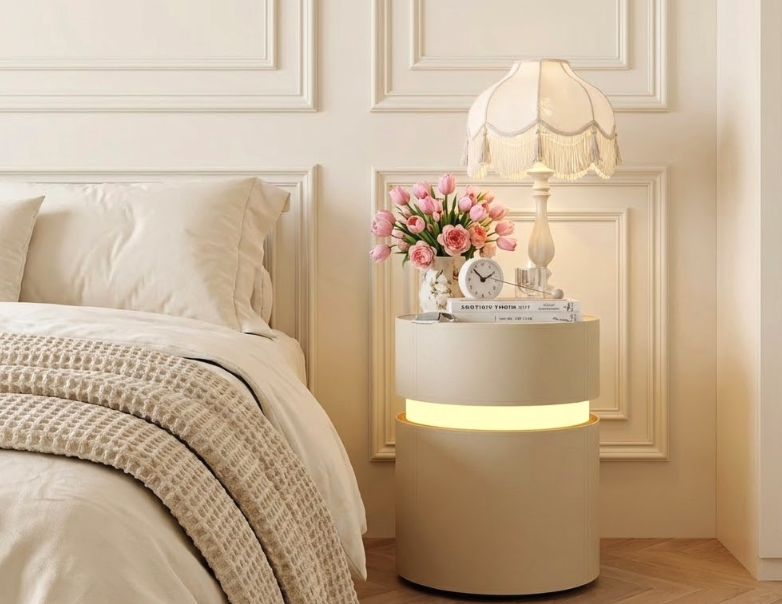
Who Should NOT Buy Floating Nightstands? (Safety Warning)
Floating nightstands look clean and modern, and they’re great for tight spaces and robot vacuums. But they’re not the best choice for every home, especially if you’ve got tiny humans or enthusiastic pets doing daily stress-testing on your furniture.
You should skip floating nightstands if:
- Your kids use furniture as climbing practice.
- You have a bed-sharing toddler who grabs the nightstand edge to pull up.
- Your walls are old plaster or thin drywall that doesn’t hold heavy anchors well.
Most floating designs support around 15–40 lbs when properly mounted into studs, not the 70+ lbs some floor models can handle. If you still love the look, make sure you:
- Mount into wall studs (not just anchors).
- Keep heavy items (like large lamps) off the edge.
- Avoid them in kids’ rooms where pulling and hanging are guaranteed.
When in doubt, a sturdy, floor-standing nightstand with a broad base is the safer, lower-stress option for busy, high-traffic bedrooms. For more detailed guidance on furniture safety for children, consult expert resources on proper anchoring and installation.
Nightstand Buying Guide: Frequently Asked Questions
What should I look for in a durable nightstand that will last years?
For a durable nightstand, prioritize solid wood like oak, walnut, or rubberwood over particle board or MDF. Check for sturdy construction, sealed or water‑resistant finishes, and a weight capacity that can handle lamps, books, and devices. Spend a bit more upfront to avoid replacing it in 3–4 years.
What is the ideal nightstand height for my bed?
In most nightstand buying guides, the ideal height is for the top of the nightstand to sit within 1–2 inches of your mattress top, typically 24–30 inches. Measure from floor to mattress top, then choose a nightstand that matches that height for comfortable, strain-free access at night.
How much nightstand storage do I really need to control bedroom clutter?
Start with what actually lives by your bed—books, chargers, meds, lotion, or a tablet. If you keep more than 3–4 items out nightly, look for at least one drawer plus a shelf. Two drawers are better for “drop everything and hide it” people who prefer less styling and faster cleaning.
Is it better to mix or match nightstands in a primary bedroom?
Both can work. Matching nightstands are the easiest, most foolproof choice and instantly look intentional. Mixed nightstands work well when partners have different storage needs; just keep heights within about 1 inch and repeat a common element like wood tone, hardware color, or lamp style to tie them together. For more tips on coordinating bedroom furniture essentials, explore comprehensive guides on creating cohesive bedroom designs.
How much should I budget for a quality nightstand?
A solid, long-lasting nightstand typically starts around $150–$300 per piece, depending on size, wood species, and storage. Spending an extra $50–$100 to upgrade from particle board to solid wood usually pays off in durability, better finishes, and hardware that won’t loosen or chip after a few busy years.


