 By Jenny Smith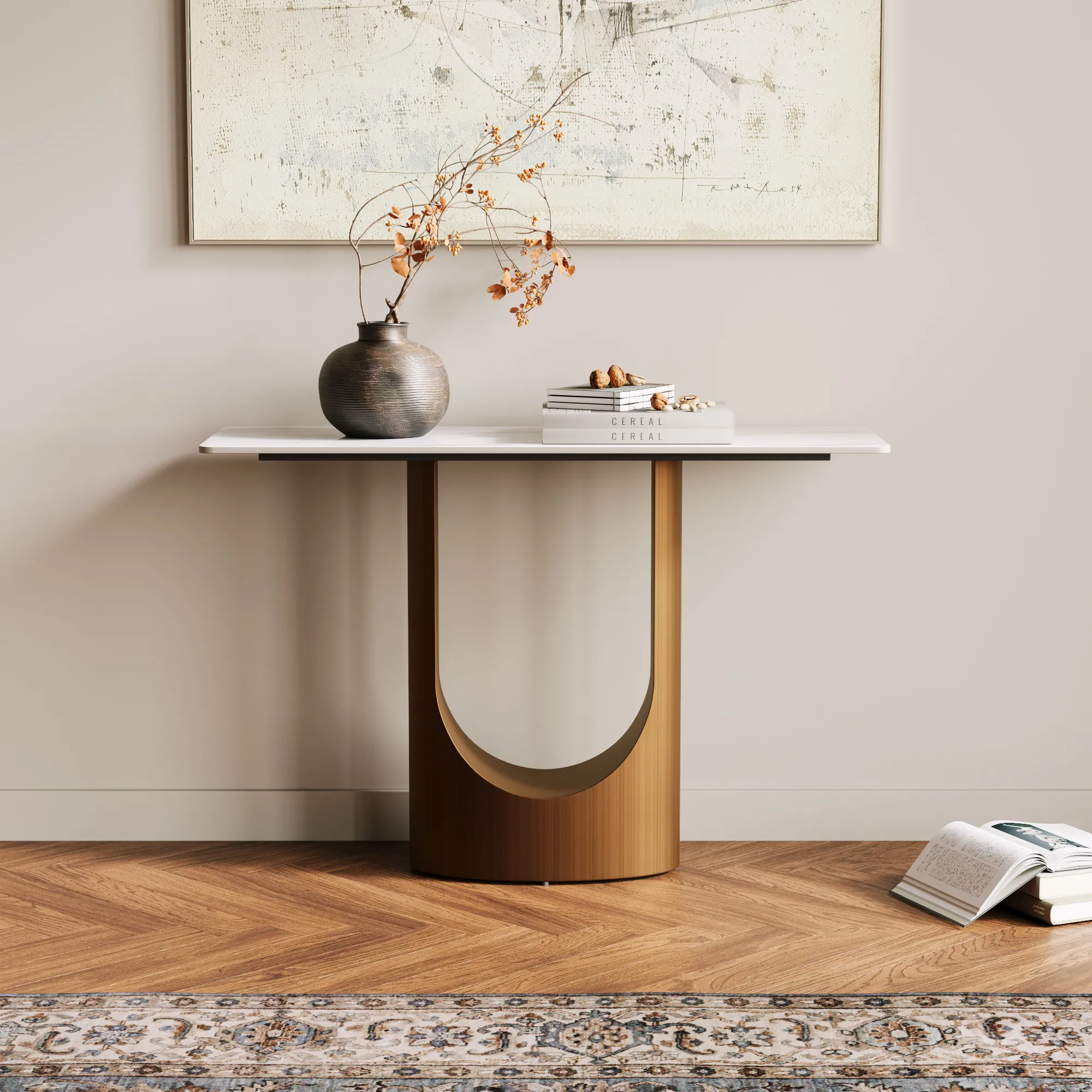
Console tables, entryway tables, sofa tables, foyer tables… they all look similar, so it’s no surprise people mix them up. But the right living room table or foyer table quietly controls how you move, drop your keys, and style your space. With homes getting more compact and layout-driven, every inch of surface and storage counts. As you read, you’ll learn how each table works, where it belongs, and how to choose one that makes your home feel truly ready to live in from day one.
What Is a Console Table vs. Entryway Table vs. Sofa Table?
What Is a Console Table?
A console table is a long, relatively narrow table designed to sit against a wall or the back of a sofa. It often lives in the “in-between” zones: behind the couch, along a blank wall, under a TV, or in a hallway. A modern console table might be a slim wood console table with drawers, a black console table in metal and glass, or a console table with storage shelves for baskets. When people search “sofa table vs console table”, the console is usually the more decorative, flexible piece that can move between rooms as your layout changes.
What Is an Entryway (or Foyer) Table?
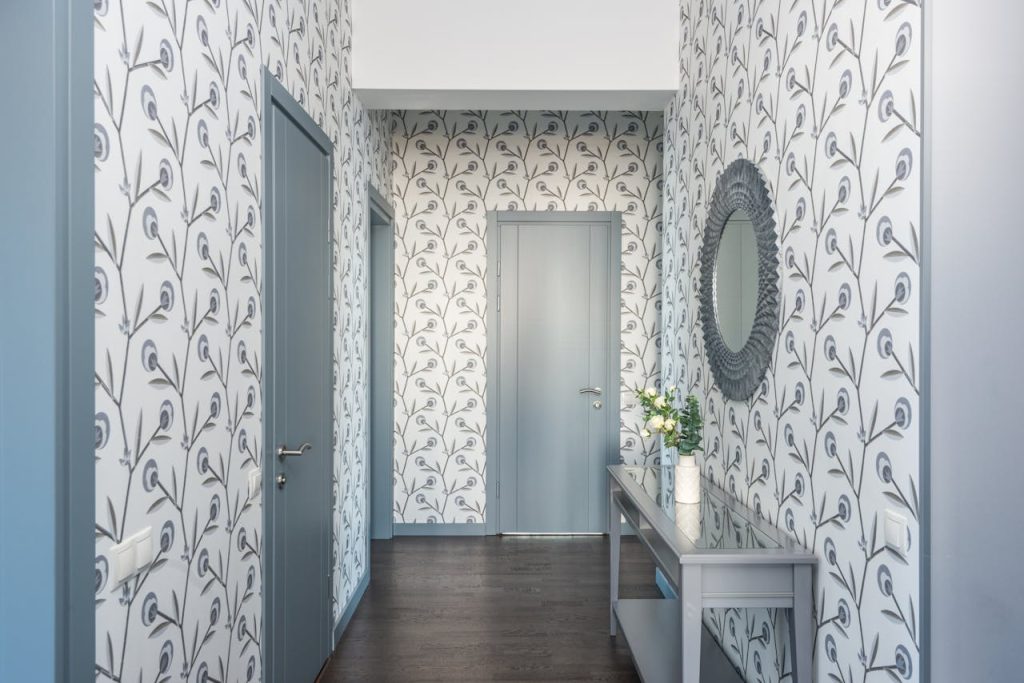
An entryway or foyer table is first and foremost about the arrival moment. It usually sits in the very first area you step into, creating a landing zone for keys, mail, and bags, and a visual welcome. Many entryway tables are technically console tables in shape, but they tend to be shallower, especially in small foyers or narrow hallways. A small console table or narrow console table works beautifully here, often styled with a mirror above it and a basket below. When people say “foyer table,” they usually mean this: a slim, friendly table that says, “You’re home.”
Key Differences at a Glance: Console Table vs. Entryway Table
Size, Proportion & Placement
Console tables usually have more flexibility in width because they often sit behind sofas or along longer walls, whereas an entryway table has to respect doors, closets, and tight walkways. Entryway and foyer tables are often shallower so guests aren’t bumping into them as they come and go. Behind a sofa, you want the table height to be roughly level with or slightly below the back of the sofa for a clean line. An entryway table around waist height feels natural for setting things down without bending or reaching.
| Feature | Console Table | Entryway (Foyer) Table | Sofa Table |
| Typical location | Living room wall, behind sofa, under TV | First area by the door, foyer, hall | Directly behind sofa |
| Standard depth | ~12–18 in | ~10–14 in (often shallower) | ~10–14 in |
| Primary function | Display + light storage | Drop zone + welcome moment | Surface while lounging |
| Best for small spaces? | Yes, with narrow profiles | Yes, especially in tiny foyers | Yes, if sized to sofa and walkway |
Storage, Function & Everyday Use
Function is where console table vs. entryway table really feels different day-to-day. An entryway table is your home’s “inbox”: keys, mail, sunglasses, bags, dog leash. Many people like a console table with drawers or a console table with storage baskets below so the surface stays calm even when life is messy. A console table in the living room leans more decorative—stacked books, a lamp, framed photos, maybe a plant, with open shelves or a console table with storage for blankets and board games. A sofa table acts as a helper while you’re lounging, with enough depth for drinks, remotes, or a lamp, but not so deep that it blocks the path behind the couch.
If your entryway needs to handle more than decoration, closed storage can keep everyday essentials within reach without leaving them on display. The Modern Entryway Table with Storage uses a slim 13.78-inch depth, so it can hold keys, mail, sunglasses, and other grab-and-go items without extending too far into the walkway. Its drawers also help keep the top clear for a lamp, tray, or small decor.
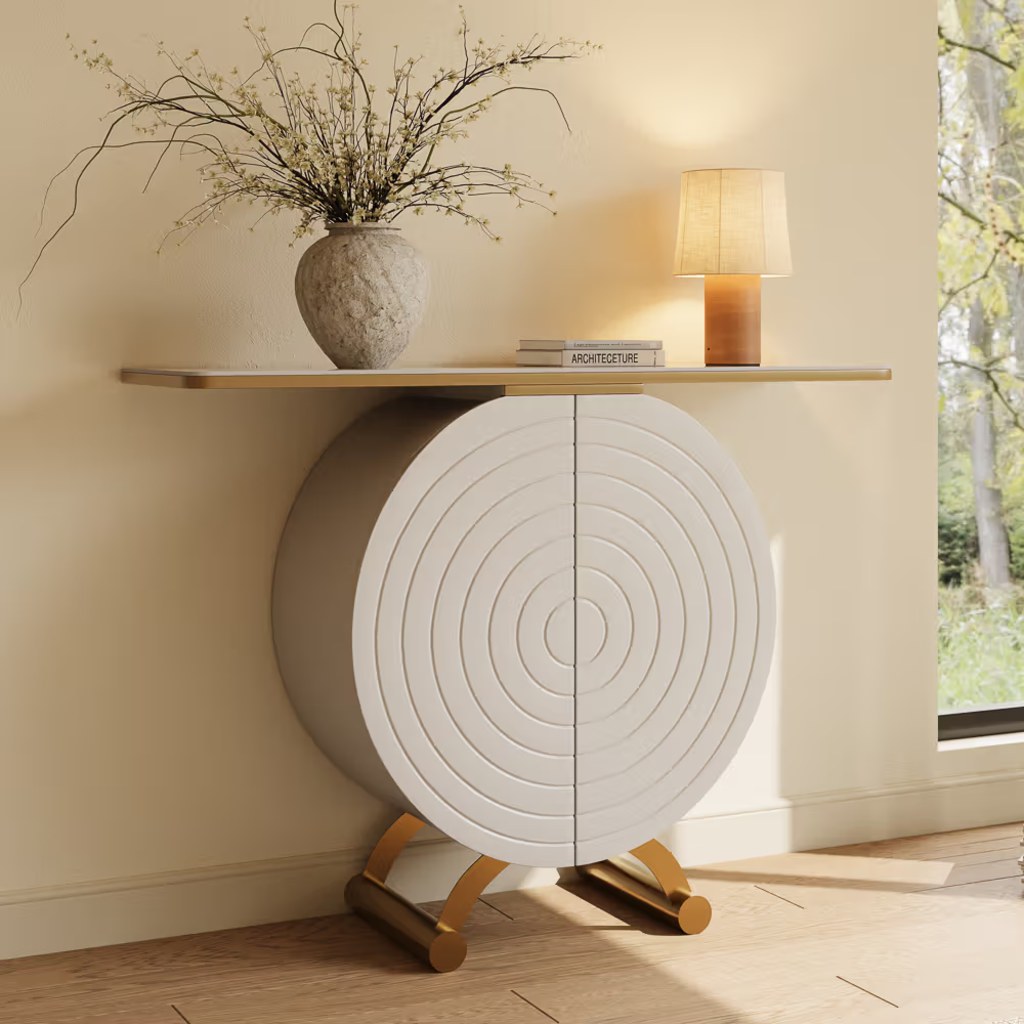
Modern Entryway Table with Storage
Slim console keeps entryway essentials organized without crowding narrow daily walkways.
👍 Best for: Narrow entryways needing storage
✨ 13.78-inch shallow footprint
✨ Closed storage controls daily clutter
✨ Sintered stone top surface
Style, Design & Overall Vibe
Because it’s the first thing you see when you walk in, an entryway or foyer table sets the tone for the whole home—this is where a white console table with a round mirror might make a small apartment feel bright and calm. A living room console table, on the other hand, usually reinforces the main style of the space: modern, farmhouse, minimalist, coastal, Japandi, and so on. In my last open-plan living room, a slim wood console table behind the sofa quietly hid cables, held a small lamp, and made the lounge area feel “finished” without adding visual clutter. When you have multiple living room tables—coffee, side, console—repeating one wood tone or metal finish keeps everything cohesive instead of chaotic.
How to Choose the Right Table for Your Space
Step 1 – Start From the Room: Entryway vs Living Room vs Hallway
First, decide which room you’re solving for. If it’s the very first area you enter, think of it as the entryway and prioritize a foyer table that can handle traffic and daily drop-offs.Globally, people are investing more in home decor and layout; the home decor market is expected to reach around $139 billion by 2025, showing how much attention these “small” choices now receive. (Halman Thompson) In a living room, the question becomes sofa table vs console table vs other living room tables: do you need a piece behind the sofa to zone the room, or a console along the wall to anchor art or a TV? Hallways behave differently again—super narrow, mostly decorative, and very sensitive to depth.
Step 2 – Measure Height, Width & Clearance the Easy Way
Next, measure. Start with the wall length, then choose a table width that leaves a few inches of breathing room on each side so it doesn’t feel crammed. Depth must work with your walkway: aim for at least 30–36 inches of clear path so doors can open and people can pass without turning sideways. Behind a couch, match the sofa table or console height to the sofa back, or go up to a couple of inches lower for a streamlined look. For an entryway table, waist height is comfortable for setting down bags and signing for packages.
Step 3 – Match Material & Style to Your Existing Furniture
Once the size works, match the material and style. Dark floors? A black console table with a matte finish can look chic, while a white console table or light oak console table adds contrast and keeps things airy. Coordinate with your sofa fabric and existing living room tables: for example, pair a modern console table in warm wood with a metal-leg coffee table using the same metal finish. If kids or pets are in the picture, look for rounded corners, sturdy legs, and easy-clean finishes. It’s no surprise the multifunctional furniture market—pieces that often double as storage—is projected to grow at around 6.5% annually through 2030, reflecting how strongly people want furniture that works harder in the same footprint. (Grand View Research)
Styling Ideas: Console, Entryway & Sofa Tables in Real Life
Styling an Entryway / Foyer Table to Welcome Guests
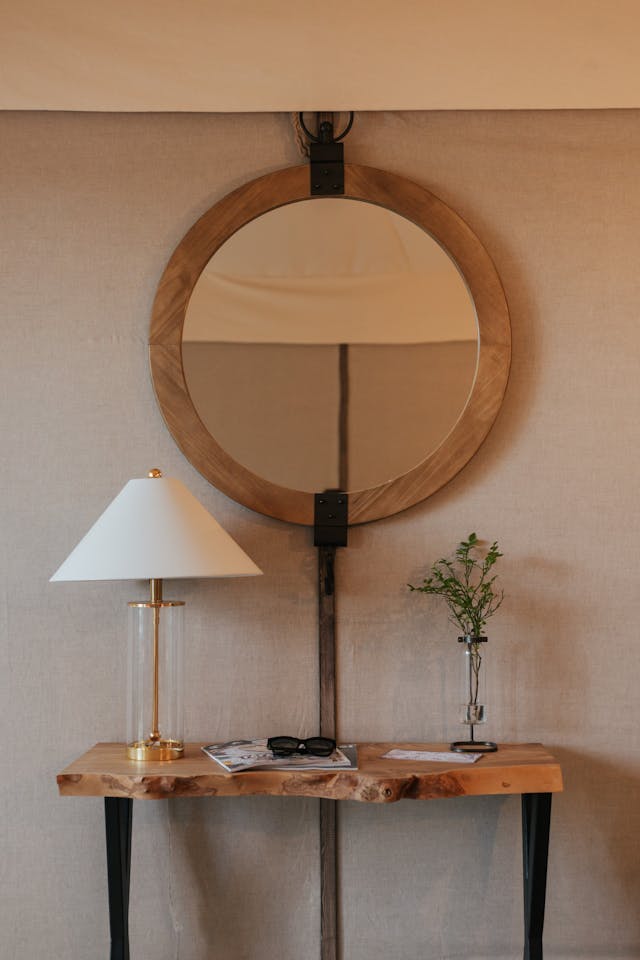
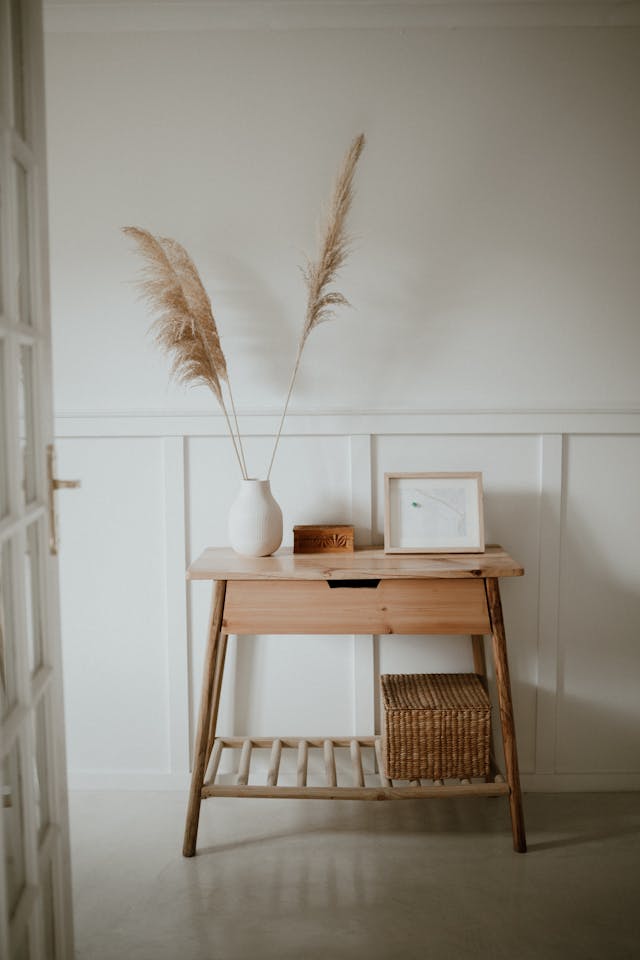
A foyer table is your chance to say “welcome” in one glance, even in a tiny space. One of my favorite makeovers was a studio apartment where a 10-inch-deep white console table, a round mirror, and a woven basket for shoes instantly turned a dark nook into a cheerful entry. A simple styling formula works for almost any entryway:
- Anchor piece above (art or mirror), plus a tray for keys, a vertical element like a lamp or vase, and a basket or closed storage underneath for bags and shoes.
Styling a Console Table Behind the Sofa
When you place a console table behind the sofa, think about how you actually use that spot. If you like to set down drinks, remotes, or a laptop, size it like a sofa table—similar height to the sofa back, narrow depth, and a sturdy top. For more of a decorative console, go a touch higher and lean into sculptural objects, books, and a pair of lamps to create soft, layered light. In an open-plan layout, that slim table helps quietly divide living and dining zones without blocking views, especially if you use a narrow console table that keeps the walkway generous.
If the table is meant to sit behind a sofa or anchor a living room wall rather than organize everyday entryway clutter, a simpler display-focused console can make more sense. The Hobart Sintered Stone Console Table pairs a 47.24-inch top with a relatively narrow 15.75-inch depth, leaving useful surface area for lamps, books, or decor without taking on the footprint of deeper storage furniture. The glossy sintered stone top also gives the display surface a more finished look.
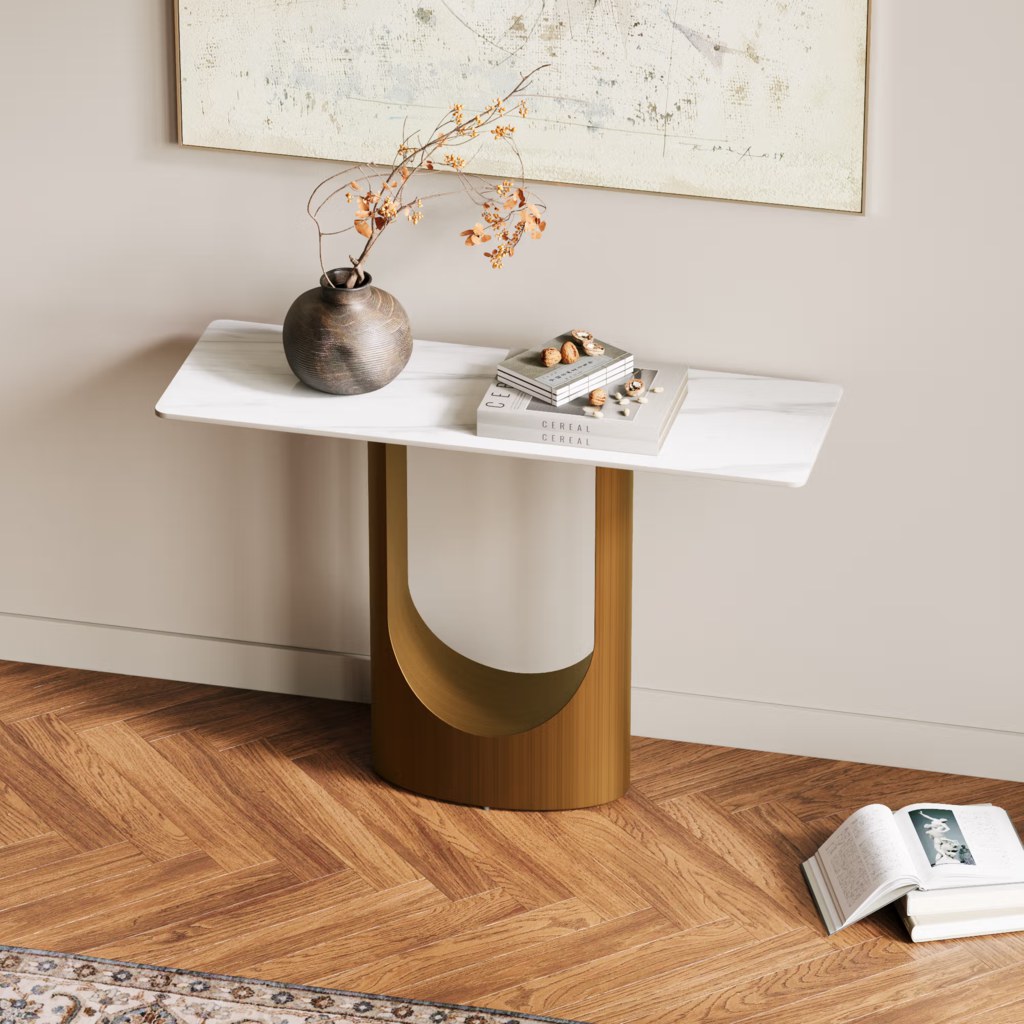
Hobart Modern Sintered Stone Console Table
Sculptural console adds useful display space without taking on deeper storage bulk.
👍 Best for: Behind-sofa or display-focused layouts
✨ 15.75-inch relatively slim depth
✨ Glossy sintered stone tabletop
✨ Sculptural curved bronze base
Creating a Cohesive Look With All Your Living Room Tables
To keep coffee table, side tables, console or sofa table, and media console from fighting each other, repeat a few elements across the room. For example, repeat one metal finish, one main wood tone, and one accent color so everything feels intentional. Alternate heights and shapes—a round side table next to a rectangular console table with storage baskets below—so the eye travels comfortably rather than hitting one big visual block. With smart choices, a small console table can start life as a foyer table, then move behind a sofa in your next home, showing how flexible these pieces can be as your layout and lifestyle change.
Conclusion: Bringing It All Together
The real answer to console table vs. entryway table is less about strict rules and more about room, traffic, and habits. Entryway and foyer tables greet you and catch everyday clutter; console and sofa tables shape how a living room feels and functions. As new homes trend slightly smaller and more compact, space-saving, multipurpose furniture like console tables with drawers or storage is becoming even more important for comfort and calm at home. (Financial Times) By measuring carefully, matching style to what you already own, and focusing on how you live, you’ll choose a piece that makes your space truly ready to live in.
FAQs: Console Table vs. Entryway Table
Is an Entryway Table the Same as a Console Table?
Not exactly. Many entryway or foyer tables are console-style tables used by the door, but not every console table lives there. “Entryway table” usually describes location and job—the drop zone and welcome moment—while “console table” describes the general shape: long, narrow, and designed to sit against a wall or sofa.
Can I Use a Console Table as a Sofa Table?
Yes, as long as the dimensions work. Check that the console height is close to your sofa back and that the depth still leaves a comfortable walkway behind the couch. If your space is very tight or you want to tuck stools underneath, a dedicated sofa table that’s extra narrow might be the better choice.
What’s the Best Height for a Sofa Table Behind a Couch?
Aim for roughly level with or up to a couple of inches below the top of your sofa back. This gives a clean visual line and keeps lamps, drinks, and decor within easy reach. Much taller and it can look awkward; much lower and it starts to feel like a bench rather than a table.
What Is a Foyer Table Used For?
A foyer table—another name for an entryway table—handles the “coming and going” tasks. It holds keys, mail, bags, and dog leashes, and often anchors a mirror or artwork so the space feels intentional. In compact homes, a foyer table with drawers or a console table with storage underneath can also hide shoes, hats, and seasonal accessories.
Can One Table Work in Both the Entryway and the Living Room?
Absolutely. A simple, clean-lined console table with a timeless finish can rotate between rooms as your life changes. Today it might be a foyer table with a tray for keys; in a future home it could live behind the sofa, styled with books and a lamp. Choosing adaptable dimensions and a neutral style gives you that long-term flexibility.


This is a great breakdown of the different uses for console and entryway tables. I especially love the emphasis on choosing based on function, especially for smaller spaces where every piece of furniture needs to work hard!