 By Kelvin

Small rooms don’t always need more cabinets. They need storage that keeps everyday essentials close and hides the items that make a room feel cluttered. When remotes collect on the coffee table, blankets pile up beside the sofa, or electronics take over the TV wall, choosing furniture with built-in storage may work better than adding more baskets.
These storage ideas for small spaces compare practical furniture, overlooked storage spots, and room-fit checks to help you stay organized without crowding the floor.
Table of Contents
What Storage Solutions Work Best in Small Spaces?
The best storage solution depends on what’s creating clutter and how much floor space you can spare. Before adding a new cabinet, consider whether furniture you already need could provide storage as well.
| Storage Problem | Best Solution | What to Check |
|---|---|---|
| TV devices and visible cables | Closed media console | Depth, ventilation, and cable access |
| Blankets and extra pillows | Storage sofa | Sofa dimensions and lid access |
| Remotes and tabletop clutter | Lift-top coffee table | Drawer capacity and opening clearance |
| Shoes and bags near the entrance | Slim closed cabinet | Door swing and walkway width |
| Limited floor space | Tall narrow cabinet | Wall height, stability, and accessibility |
| Seasonal bedding and clothing | Under-bed storage | Bed clearance and container dimensions |
| Open-plan living room | Open shelves and closed cabinets | Display balance and hidden storage |
Storage furniture earns its place when it solves a specific problem without taking away space needed for daily activities. Choose based on the items you need to store, then compare the furniture’s actual footprint.
For living rooms built around a TV, the Povison Delven Verse TV Stand keeps media devices, controllers, and cables organized within one cabinet. Adjustable shelving and multiple cable openings accommodate different equipment, while enclosed compartments keep everyday clutter out of sight.
At approximately 71 inches wide and 22 inches deep, Delven Verse is best suited to a dedicated media wall rather than a narrow walkway. Check the available floor depth before choosing it for a smaller living room.

Delven Verse TV Stand
A deep media cabinet keeps entertainment essentials contained without scattering clutter nearby.
👍 Best for: Small living rooms with dedicated TV walls
✨ 18.3-inch usable interior depth
✨ Six internal, three rear cable openings
✨ IR-friendly doors with ventilation
What Should You Store in Reach, Out of Sight, or Up High?
The best small space storage ideas start with the items you already own, not with a new cabinet. Sort belongings by how often you use them and how much visual clutter they create. That prevents a common mistake: using the easiest storage spot for the wrong category of item.
| Store It… | Best For | Good Examples |
| Within reach | Things used every day | Remotes, chargers, books, throws, kids’ favorite toys |
| Out of sight | Items that make a room look messy | Cords, game controllers, paper piles, cleaning supplies, extra toiletries |
| Up high or below furniture | Low-frequency items | Seasonal linens, luggage, holiday décor, off-season clothing |
Keep everyday items within easy reach, hide loose accessories behind doors or drawers, and reserve harder-to-access storage for seasonal belongings. The goal is to make frequently used items easy to put away without keeping everything on display.

How Can You Add Storage Without Crowding the Room?
Adding storage doesn’t always mean adding another cabinet. Vertical shelves, multi-functional furniture, and carefully chosen open storage can make better use of the space already available.
Use Height Before Adding Width
When floor space is limited, look for vertical capacity before bringing in another wide piece of furniture. A narrow tall cabinet, a well-placed wall shelf, or storage above a doorway can hold items that do not need daily access.
Use upper storage for labeled bins, spare bedding, travel bags, or seasonal décor. Keep regularly used items lower, where they can be reached without a stool. One defined vertical storage zone often looks calmer than several small shelves scattered around the room.

Give Each Furniture Piece a Clear Storage Job
A sofa with hidden storage can keep extra blankets and cushions nearby without requiring a separate storage bench. The Povison Bunelle 2–3 Seater Storage Sofa provides 70L of storage beneath its lift-up seat. A gas-assisted mechanism holds the lid open, allowing access without removing the seat cushions.
At 89.37 inches wide and 41.73 inches deep, Bunelle works best when you’re already planning space for a full-size sofa. It’s a practical choice for keeping soft items out of sight, but not for particularly narrow rooms.
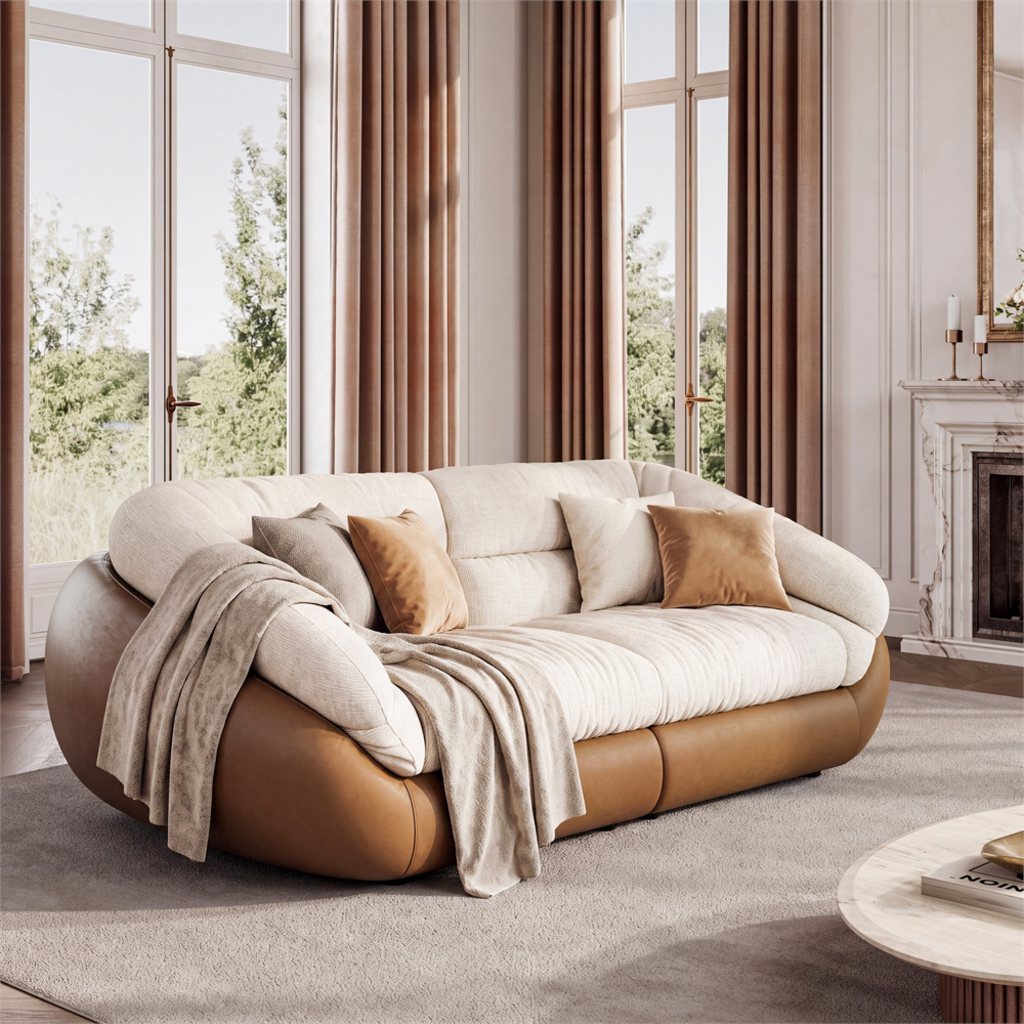
Bunelle 2–3 Seater Storage Sofa
A dual-purpose family sofa tucks spare textiles away without extra cabinets.
👍 Best for: Family rooms with extra blankets
✨ 70L hidden storage compartment
✨ Gas-assisted, one-hand seat opening
✨ Splash-resistant chenille and eco-leather
Keep Open Storage for Things You Can Keep Orderly
Open storage is useful for a small number of books, matching baskets, plants, framed objects, or hobby supplies that stay organized. It is less effective for loose cables, mixed paperwork, toys, cleaning products, or anything that needs to be hidden before guests arrive.
In a compact room, open storage should have visual limits. Leave space around displayed items, repeat a few container styles, and avoid turning every wall into a shelf. When an item creates visual noise, closed storage is usually the better long-term answer.

Where Can You Find Useful Storage Without Adding Another Cabinet?
Some of the best ideas for small space storage come from areas that already exist but are doing very little. These zones can handle specific categories of clutter without demanding another major furniture purchase.
- Under the bed: Best for seasonal bedding, suitcases, off-season clothing, and low-use shoes. Use containers with lids, especially if dust is a concern.
- Behind a door: Useful for bags, outerwear, gift wrap, cleaning tools, or lightweight accessories. Avoid overloading a door with heavy storage.
- Beside a sofa: A narrow basket can hold magazines, throws, or a laptop without requiring a deep side cabinet.
- Above a doorway: Suitable for labeled bins and items used only a few times a year. Keep this area organized rather than turning it into a catch-all shelf.
- Under a window bench: Works well for blankets, toys, or occasional items, but avoid storing anything sensitive to heat or direct sun.
Useful storage can also come from furniture that already serves another purpose. The Povison Silva Lift-Top Round Coffee Table combines two drawers with concealed storage beneath its raised tabletop. Remotes, chargers, and smaller accessories can stay close to the seating area without spreading across the surface.
The round design works well around shared seating, while the lift-top provides a convenient surface for occasional meals or laptop use. Check that there’s enough room to open the drawers and raise the top comfortably.
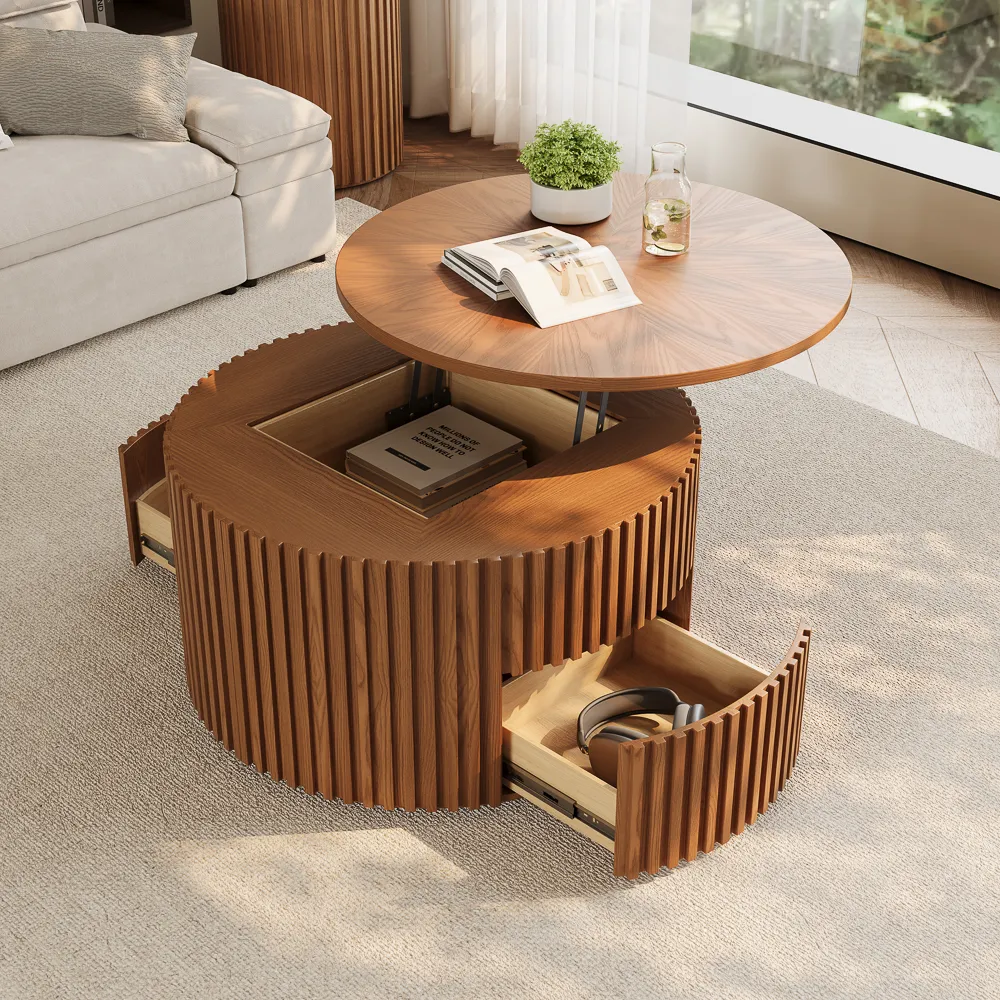
Silva Lift-Top Round Coffee Table
A versatile centerpiece clears surface clutter while supporting everyday work and meals.
👍 Best for: Compact living rooms with limited storage
✨ Smooth, adjustable lift-top mechanism
✨ Two drawers and concealed storage
✨ Fully assembled, ready for use
What Should You Check Before Buying Storage Furniture?
Before ordering another cabinet, measure the room as it is used, not just as it looks in an empty photo. A piece can fit against a wall and still make a room frustrating to live in.
Check these five points first:
- Usable wall width: Measure the section that remains after doors, windows, outlets, and nearby furniture are considered.
- Furniture depth: A deep cabinet may hold more, but it can steal the path between the sofa, kitchen, entry, or bedroom.
- Opening clearance: Mark out how far drawers, cabinet doors, or lift-top lids need to open.
- Actual item size: Measure the board games, blankets, electronics, or folders you need to store before comparing interior dimensions.
- Visual weight: A tall, dark, solid cabinet may be useful, but several heavy pieces in one room can make it feel crowded.
Before buying, check whether your existing storage could work better with a few changes. Remove unused items, relocate seasonal belongings, and identify which categories still need a permanent home. If new furniture is necessary, prioritize a piece that replaces clutter or combines storage with an everyday function.
Conclusion
The most effective storage ideas for small spaces do not ask you to fill every blank wall or hide every possession in a new bin. They help you decide what belongs close by, what should disappear, and what only needs a home a few times a year. Start with the clutter that interrupts your routine, protect the main walkway, and choose furniture that solves more than one problem. When storage supports the way you actually use a room, a small home can feel orderly without feeling overfurnished.
Q&A
What Should You Measure Before Storage Furniture Is Delivered?
Measure the entry door, elevator, stair turns, hallway width, and the route from the building entrance to the final room. A cabinet may fit your wall but still be difficult to bring inside. Check packaged dimensions when available, especially for tall cabinets, wide benches, and furniture that arrives fully assembled.
Should all storage furniture match in a studio apartment?
No. Storage furniture does not need to match exactly, but it should share a few visual cues. Similar wood tones, repeated hardware finishes, or a consistent level of visual weight can make different pieces feel intentional. A studio usually looks calmer when one large storage piece is simple and the smaller accents stay light.
How much clearance do you need for under-bed storage bins?
Measure the actual gap from the floor to the bottom of the bed frame, then leave extra room for the bin lid, handles, wheels, or fabric sides. Do not measure from the mattress. Under-bed storage is only practical when you can pull containers out without lifting the bed or moving nearby furniture.
When Should You Avoid Wall-Mounted Storage in a Small Space?
Avoid wall-mounted storage when you rent under strict installation rules, need to move furniture often, or plan to store heavy items that require secure studs and hardware. Freestanding storage is usually easier to reposition and take with you. Wall-mounted options work best for light, contained items when the floor is the real constraint.
Is a Storage Sofa Practical for Everyday Use?
A storage sofa works best for items you want nearby but don’t need to retrieve constantly, such as spare blankets, pillows, or seasonal textiles. Before purchasing, confirm that the seat can open fully in your planned layout and that the storage compartments are accessible without moving nearby furniture. Also check the manufacturer’s cleaning and lift-mechanism maintenance instructions.


