 By Kelvin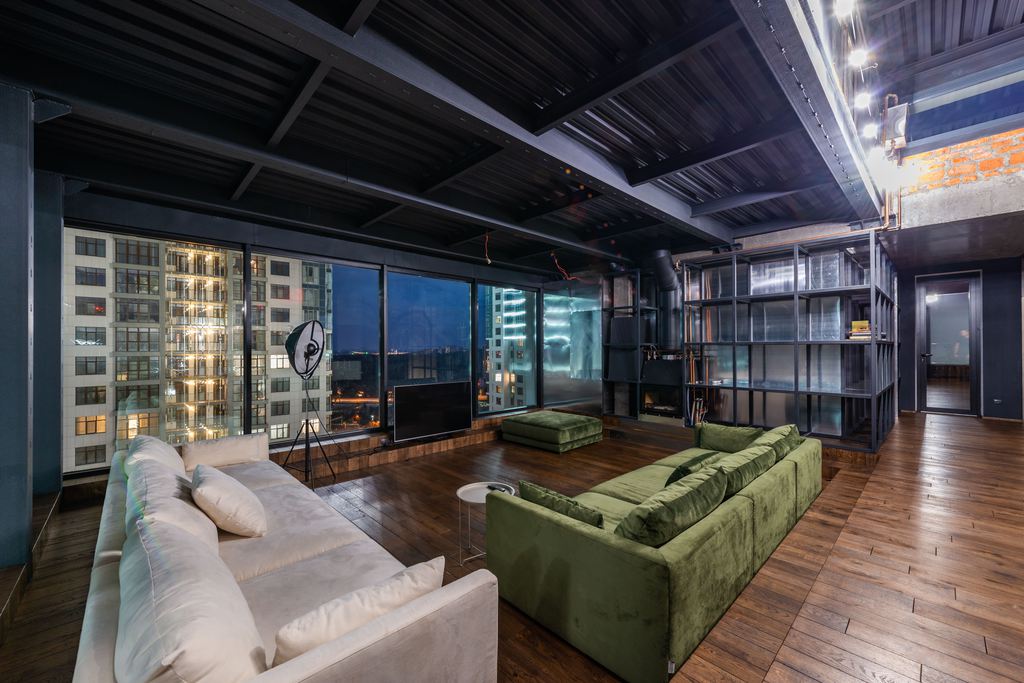
Introduction
A large living room can feel harder to furnish than a small one. The problem is usually not a lack of square footage—it is too much empty floor between furniture, a seating arrangement that hugs every wall, or decor that looks scattered rather than connected. Learning how to decorate a large living room starts with giving the room a clear job, then choosing furniture that fits that purpose. The goal is not to fill every corner. It is to create comfortable areas that make sense for everyday life, guests, movie nights, and quiet mornings at home.
Table of Contents
How Should You Plan a Large Living Room Before Buying Furniture?
Before choosing a sofa, rug, or coffee table, decide how people actually use the room. A large room can support more than one activity, but it does not need several random furniture groupings. When decorating a large living room, start with one primary zone and add a second only when it solves a real need.
For example, a family that watches movies together may need a media-focused seating area plus a small reading corner. A couple who hosts often may need a conversation area that keeps guests facing one another, rather than one oversized sectional aimed at a television.
| Main Use | Primary Zone | Optional Second Zone | Furniture to Prioritize |
| Family movie nights | TV-focused seating | Reading chair or game table | Sectional, media console, large coffee table |
| Hosting friends | Conversation area | Drinks or reading area | Two sofas, accent chairs, coffee table |
| Open-plan living | Lounge zone | Entry or dining transition | Modular sofa, rug, console table |
| Quiet daily use | Smaller seating area | Window nook or desk | Sofa, chairs, side table, bookcase |
Start by identifying the strongest focal point: a TV wall, fireplace, picture window, or view. Then protect the main path through the room before placing anything else. A few practical living room layout ideas for better flow can help you see whether your furniture should form one complete group or two connected zones.
How Do You Arrange Furniture in a Large Living Room?
Once the room’s main use is clear, arrange furniture around that purpose instead of spreading it evenly around the perimeter. In a large room, furniture works best when it creates a defined seating group with a clear center. That center might be a coffee table, a rug, a fireplace, or a media console. The right layout should make conversation easy, leave walking paths open, and prevent the middle of the room from becoming unused dead space.
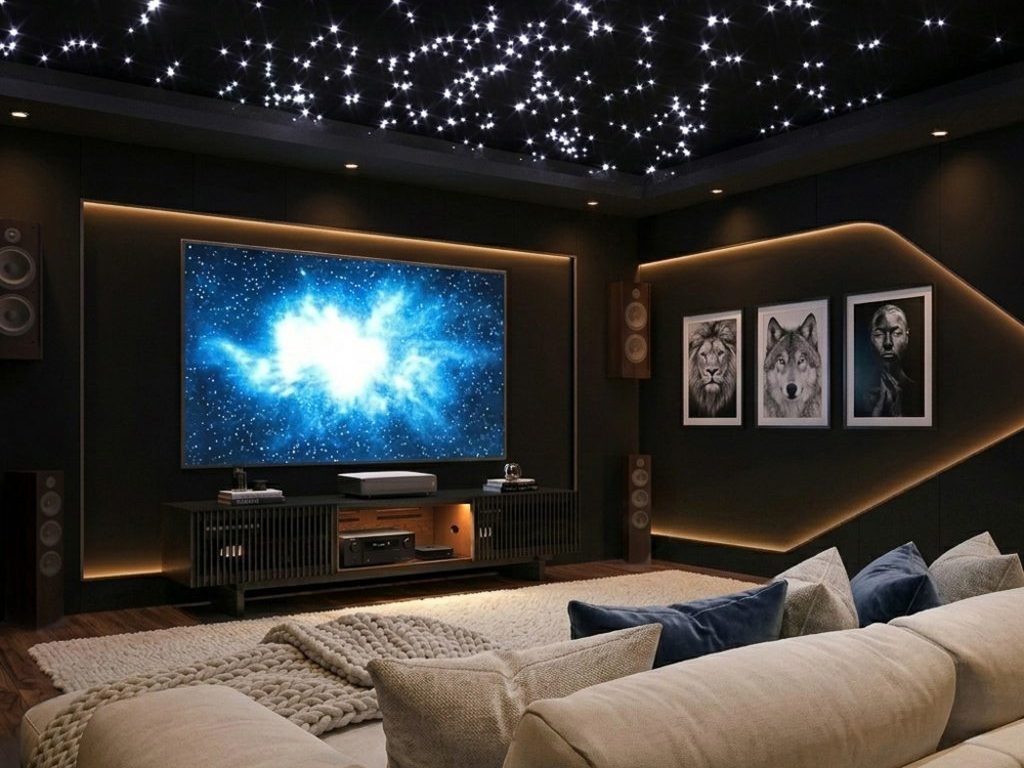
Create a TV-First Family Layout
For a family room, let the main seating face the TV without turning the space into a row of furniture aimed at one wall. A sectional, sofa with chaise, or reclining sofa can define the media zone, while two movable chairs give guests extra seating when needed.
On a Friday night, six people may gather with snacks, blankets, and a game on TV. In that situation, the seating should feel connected to the coffee table and close enough for everyone to reach a drink or set down a plate. A rug beneath the front legs of the seating helps hold the group together.
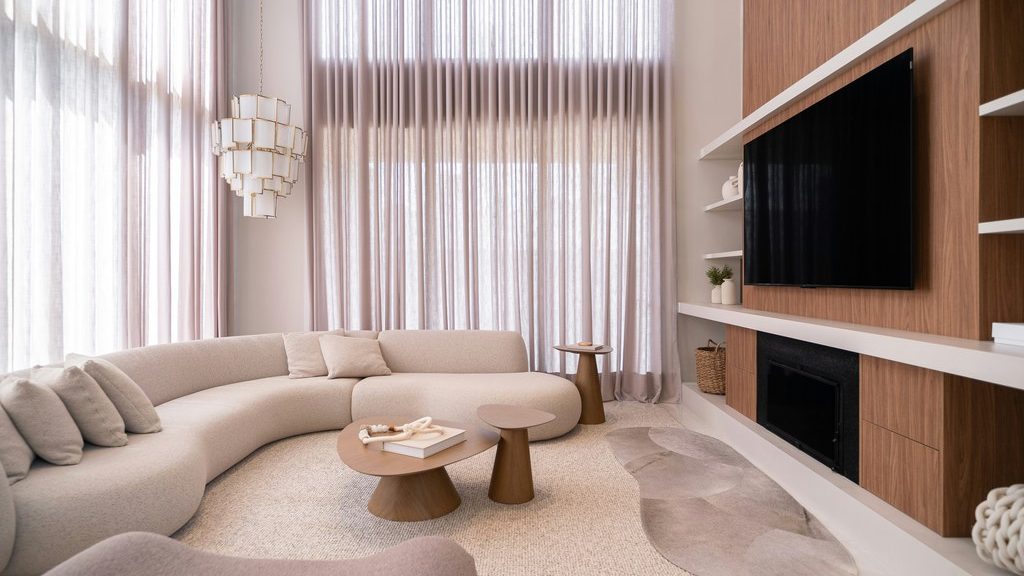
Build a Conversation-First Layout
A room that is used mostly for hosting often works better with facing furniture. Two sofas opposite each other, or one sofa paired with several chairs, creates a natural conversation circle. A large coffee table, two smaller coffee tables, or a wide ottoman can give the group a shared center.
This layout is especially useful when a fireplace or view matters more than the television. It also prevents guests from sitting too far apart, which is one of the main reasons a large room can feel formal instead of comfortable. When pairing two different sofas in a living room, compare their seat height, visual weight, and color undertones so the arrangement feels intentional rather than mismatched.
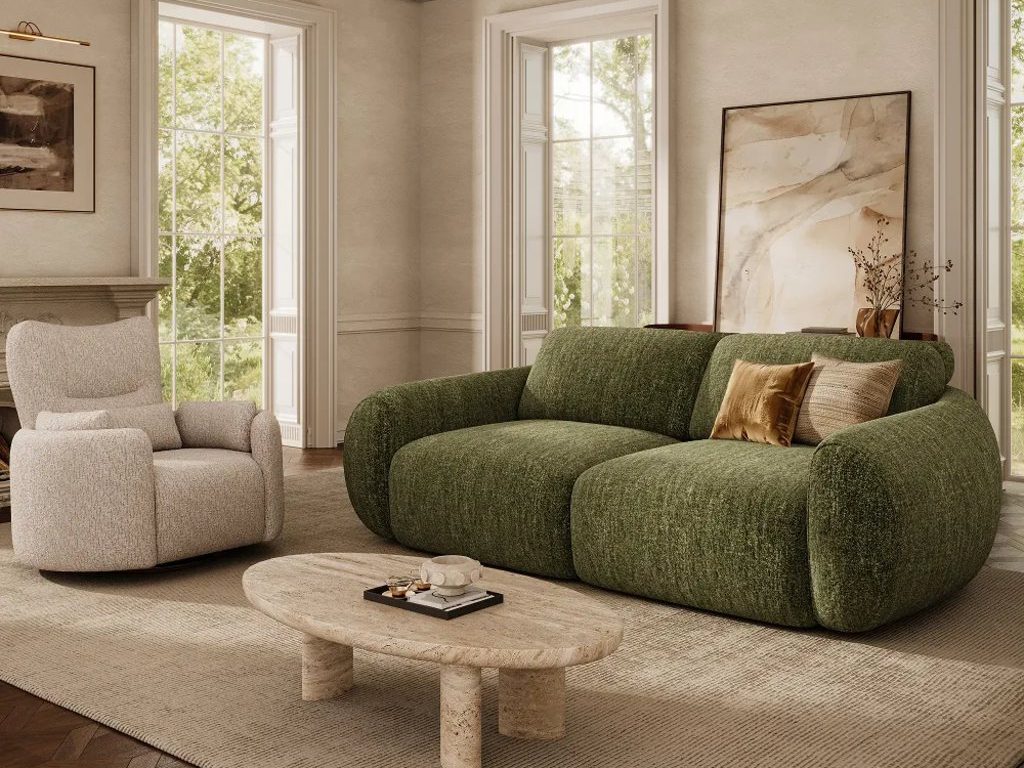
For a larger room that hosts casual gatherings and occasional overnight guests, the Mila Power Sofa Bed can anchor one side of the conversation area while chairs face it across a coffee table. Its 31–59-inch extendable seat depth and adjustable backrest let the same seating area shift from upright hosting to deeper lounging or a sleep-ready surface.
Define an Open-Plan or Long Living Room
In an open layout, the back of a sofa can help mark where the living room begins. Float the sofa away from the wall when the room allows it, then use a rug, console table, or lighting to make the zone feel intentional.
Treat a living room with a sectional couch as one defined seating area, not simply a large sofa pushed into the nearest corner. Keep the open path toward the kitchen, dining room, entry, or patio clear, and repeat one material or color across both zones so they still feel connected.
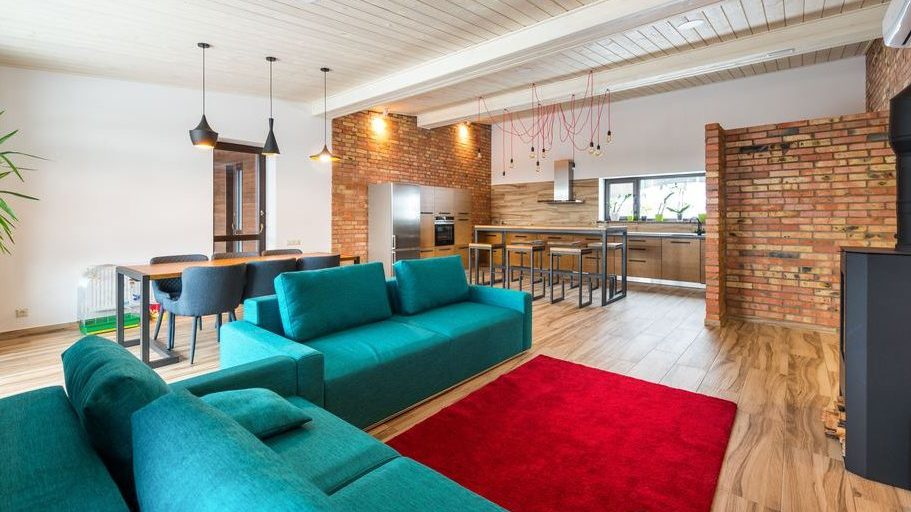
What Furniture Scale Works Best in a Large Living Room?
In a large room, choose furniture based on the seating zone—not the entire room. A room may be 20 feet wide, but the main conversation area still needs furniture that relates comfortably to one another. A small sofa, narrow coffee table, and undersized rug can look disconnected even when the room has plenty of open floor.
A sectional is useful when the room needs one strong lounging area for several people. Two sofas work well when conversation matters more than reclining. A sofa plus accent chairs can feel lighter in rooms with large windows, tall ceilings, or an open view.
Before ordering, take time to measure your space for a new sofa, including doors, hallways, stair turns, and elevator dimensions. Then check the furniture relationship inside the room.
- Leave roughly 30–36 inches for busy walking paths when possible.
- Keep about 16–20 inches between a sofa and coffee table for everyday use.
- Choose a rug large enough for at least the front legs of the main sofa and chairs.
- Use larger coffee tables, paired tables, or ottomans when one small table cannot serve the full seating group.
- Avoid filling every wall with furniture just because the room is large.
The most expensive mistake is often buying several small pieces that never form a complete visual unit. One substantial sofa, a properly sized rug, and a useful coffee table usually solve more than a collection of extra stools and narrow side tables.
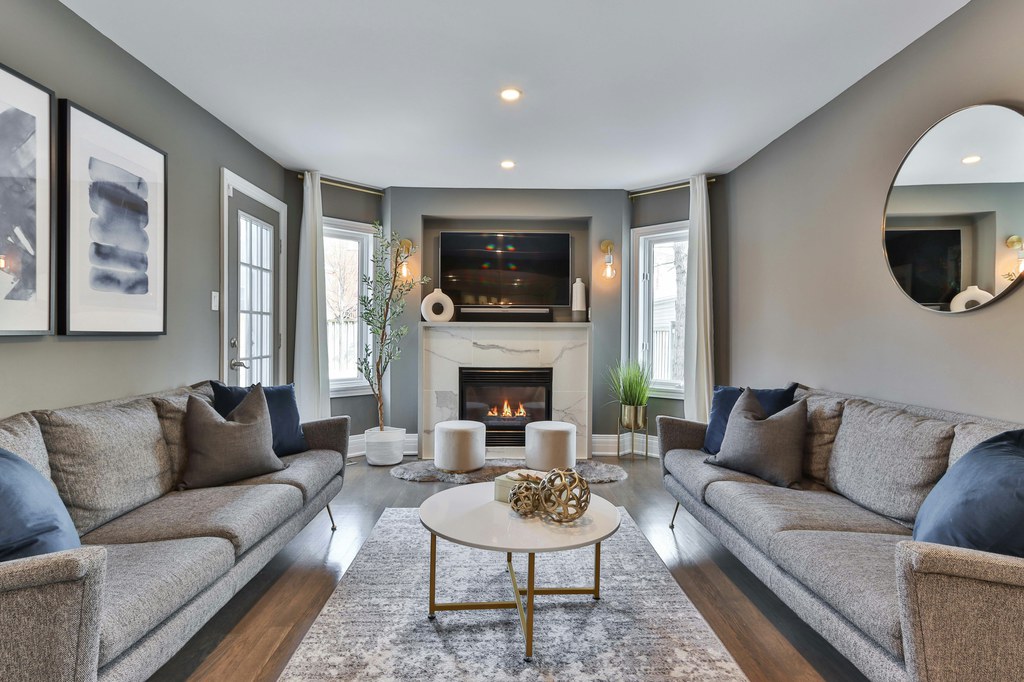
How Do You Make a Large Living Room Feel Warm Without Filling Every Corner?
After the furniture layout works, use lighting, texture, and visual repetition to make the room feel settled. This is where many decorating ideas for a large living room become useful—but only after the main seating zone is established. Start with larger layers that change the room’s overall feeling, then add smaller details where they improve comfort or function.
Light Each Zone Separately
One ceiling light rarely makes a large room feel inviting at night. Add light where people actually sit: a floor lamp beside a reading chair, a table lamp near the sofa, or a pendant above a conversation area.
This creates softer pools of light instead of one bright center with dark corners around it. It also lets someone read near the window while another person watches TV without lighting the whole room the same way.
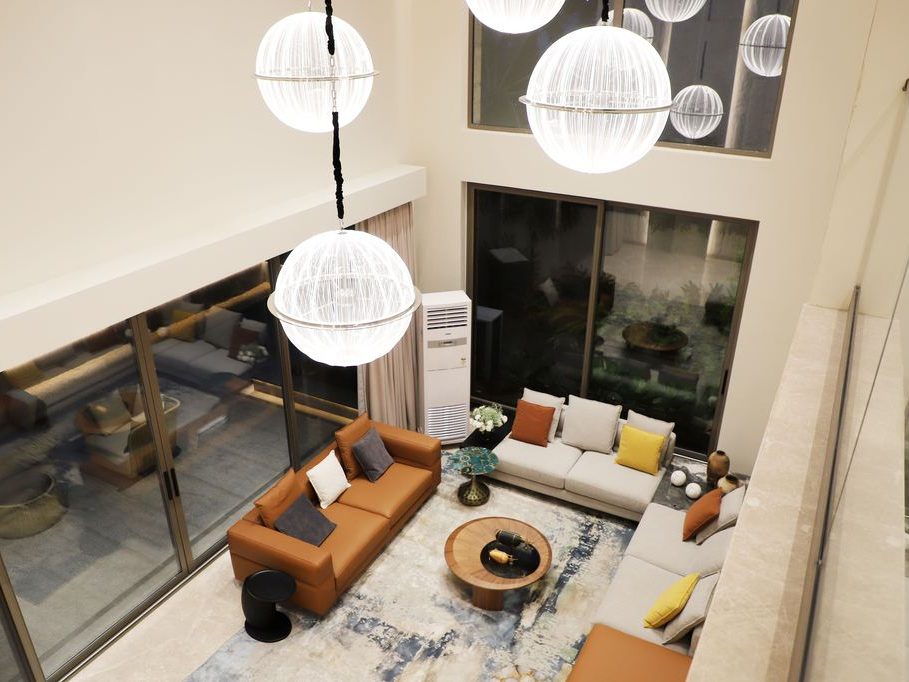
Repeat a Few Visual Elements
Furniture does not need to match as a set. Instead, repeat one or two details across the room: a warm wood tone, black metal accents, rounded edges, neutral upholstery, or one accent color in pillows and artwork.
A room with a cream sofa, walnut coffee table, and black floor lamp can feel connected if those same colors appear again in a sideboard, frames, or curtain hardware. Repetition makes a large space feel designed without making it look staged.
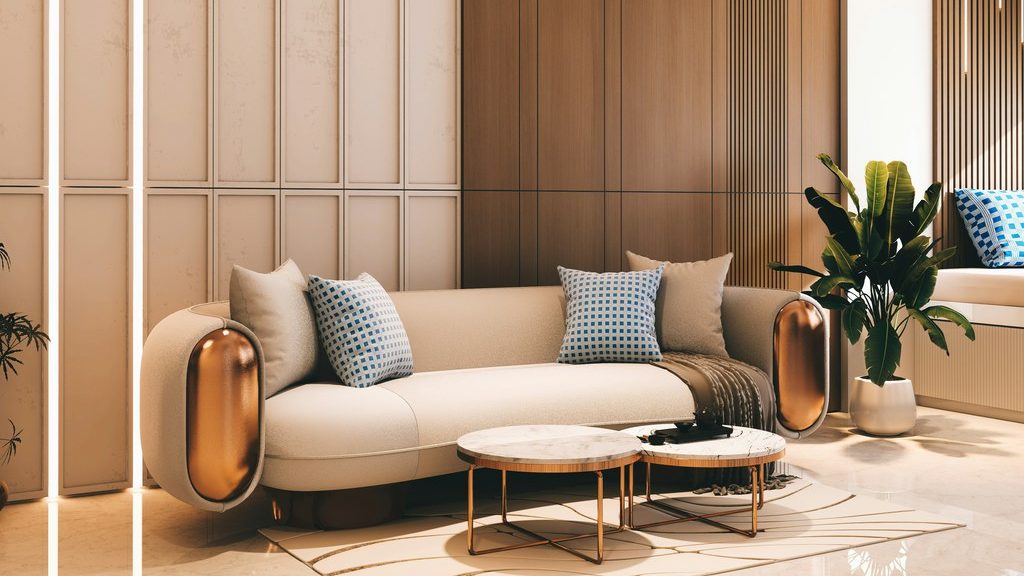
Use Bigger, Softer Layers
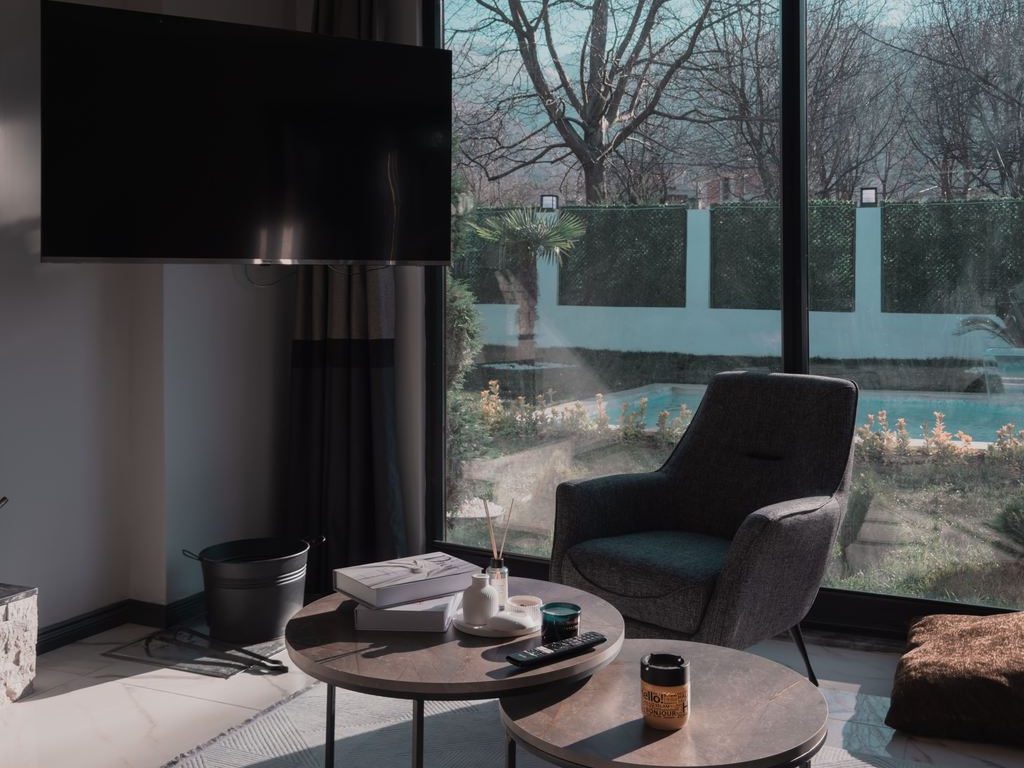
Large rugs, full-length curtains, upholstered seating, bookshelves, and substantial artwork soften wide-open rooms better than lots of small decor. They add texture, reduce visual emptiness, and can also help limit the echo that sometimes makes a large room feel cold.
A thick rug and lined curtains can make a noticeable difference in a room with hardwood floors, high ceilings, and large windows. They add comfort without reducing usable space.
Treat Large Walls With Purpose
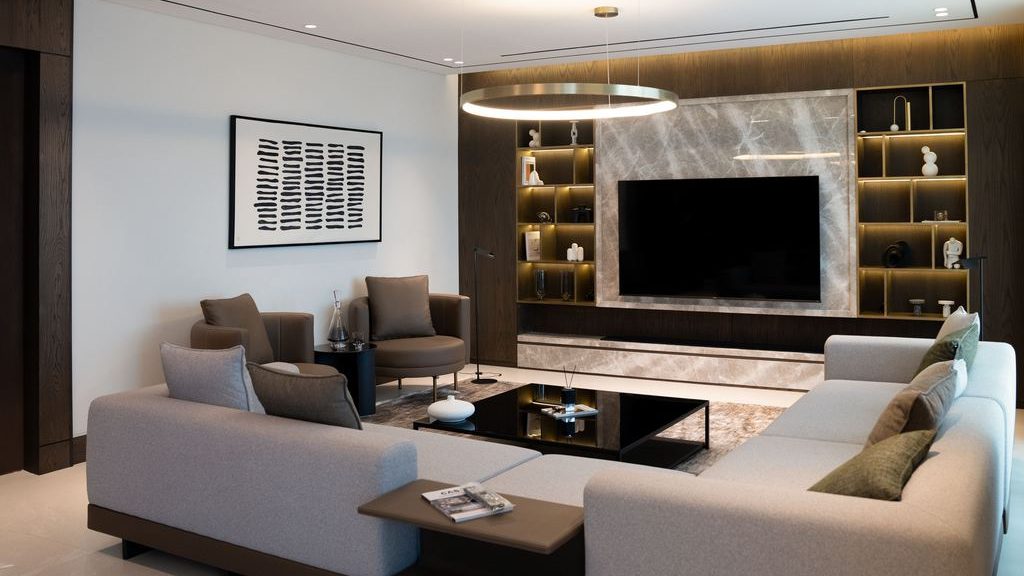
When deciding how to decorate a large wall in living room spaces, choose one clear strategy rather than scattering small frames across the surface. One oversized artwork, a balanced gallery wall, a low bookcase with art above it, or a pair of tall shelving units can make a wall feel finished.
Artwork above a sofa often looks most balanced when its total width is around two-thirds of the sofa’s width. Leave enough blank wall around it so the arrangement can breathe.
What Should You Add Last in a Large Living Room?
A large living room does not need to be finished in one shopping trip. Start with the pieces that establish comfort, layout, and scale; then add function and personality once you can see what the room genuinely needs.
- Build the main seating zone first: Choose the primary sofa or sectional, a properly sized rug, and a coffee table or ottoman. Add a media console at this stage if TV viewing is central to the room.
- Add function next: Bring in accent chairs, side tables, a console behind a floating sofa, storage furniture, or a reading corner only when each piece supports a real routine, such as holding drinks, storing blankets, or creating an extra seat.
- Finish with personality: Add artwork, pillows, books, plants, throws, and smaller decor last. These details make decorating a large living room feel personal, but they work best after the furniture layout already feels complete.
Conclusion
The best way to learn how to decorate a large living room is to stop thinking of it as one empty box. Give the room a main purpose, create a seating arrangement that supports it, and choose furniture with enough scale to hold the space together. Then use rugs, lighting, texture, and wall decor to make each area feel comfortable rather than crowded. The strongest decorating ideas for a large living room leave room for movement while making everyday life feel easier, warmer, and more connected.
FAQ
Should I use one large rug or two rugs in a large living room?
Use one large rug when the room has one main seating area. Use two rugs when there are two clearly separate zones, such as a TV area and a conversation area. The rugs do not need to match exactly, but they should share a color family, texture, or level of visual weight.
How do I choose a coffee table shape for a large sectional?
Choose the shape based on circulation around the sectional, not just the sofa’s outline. A round or oval coffee table is easier to walk around when a chaise creates a tight corner, while a rectangular table suits a long, straight seating run. Make sure the table is large enough to serve the seats farthest from its center.
How wide should a TV stand be in a large living room?
Choose a TV stand that is wider than the TV and substantial enough to anchor the media wall. In a large living room, an undersized console can make both the screen and seating area feel disconnected. Check for soundbar space, ventilation, cable access, and closed storage before choosing a low-profile or extended media console.
Can I put a sectional in front of a window?
Yes, but only when the sectional’s back height and clearance preserve light, window access, and the view. A lower-back model may work below a wide window, while a taller sectional can block daylight and interfere with curtains. Leave enough room to open window treatments and reach vents, outlets, or the glass for cleaning.
How do I decorate a large living room with high ceilings?
Use vertical elements that relate to the room’s height instead of placing all visual interest at sofa level. Full-length drapery, tall floor lamps, stacked artwork, and bookcases can draw the eye upward. Keep the lower half grounded with substantial seating so the room feels balanced rather than top-heavy.
How do I choose a sofa color for a large living room?
Choose a sofa color based on the room’s light levels and the visual weight you want the seating to carry. Dark upholstery can ground a bright, expansive room, while lighter fabric can keep a lower-light space open. Test swatches beside the flooring, curtains, and wall behind the sofa. Best sofa colors for different room lighting can help you compare warm and cool options before ordering.


