 By Stephanie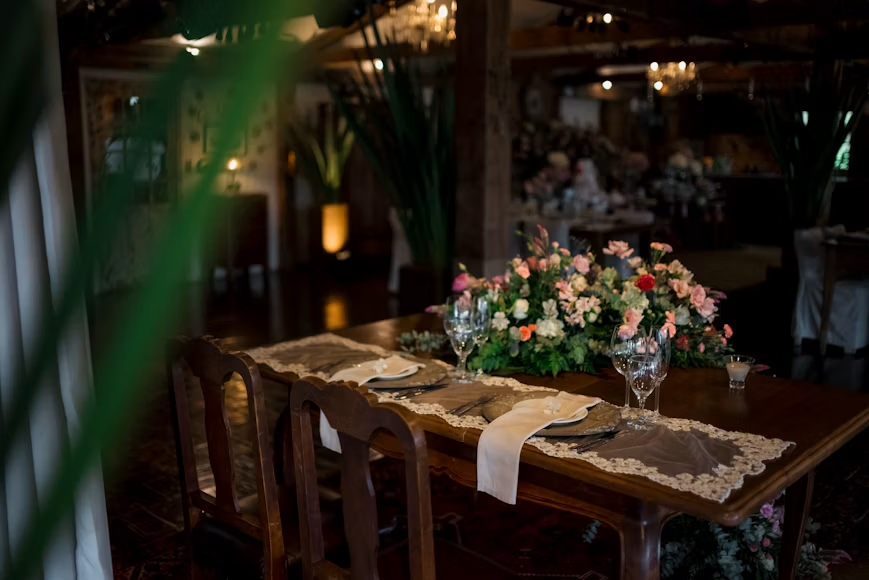
Introduction
Burl wood has the kind of grain that makes an ordinary room feel more collected right away. Its swirls, eyes, and soft movement can look almost like stone, but it is still warm enough for everyday furniture. The challenge is knowing where to use it. Too much burl wood can make a room feel busy, while one well-chosen piece can give a dining area, bedroom, or entry a clear sense of character. This guide explains what burl wood is, how to style it room by room, and how to choose a piece that works for daily life.
Table of Contents
What Is Burl Wood?
Burl wood is not a separate wood species. It is a highly figured part of a tree used for its decorative surface, which is why you may see labels such as ash burl, walnut burl, maple burl, or elm burl. The first word tells you the wood species, while “burl” describes the distinctive figure used on the furniture surface.
How Burl Creates Its Distinctive Pattern
A burl is a hard, woody growth that forms on a tree. Inside that growth, clusters of buds and wood fibers develop in irregular directions rather than following the straighter grain found in ordinary lumber. When the burl is cut into veneer or slabs, that irregular structure creates the layered, highly figured surface used in furniture.
The result is naturally varied. Two burl surfaces may come from the same wood species and use the same finish, yet still look noticeably different. That variation is part of the material’s appeal, not a flaw. The USDA National Agricultural Library defines burl wood as a hard, usually rounded woody outgrowth that can produce the highly figured veneer valued for decorative use.
Common Burl Looks in Modern Furniture
Wood species affect the color and mood of burl furniture. Ash burl often looks lighter and more fluid, which suits modern dining rooms and open layouts. Walnut burl usually reads darker and richer, while maple and elm burl can appear finer or more detailed.
The key point is simple: burl is a grain figure, not a separate wood species. “Ash burl” and “walnut burl” describe both the wood type and the distinctive figure visible on the surface.
Styling Burl Wood Furniture Room by Room
Burl wood works best when it has one clear role in the room. A simple rule helps: choose one major burl statement, then let the surrounding furniture stay calmer in color, pattern, and finish. This approach gives the grain room to stand out while keeping the space practical, balanced, and easy to live with.
Burl Wood in the Dining Room
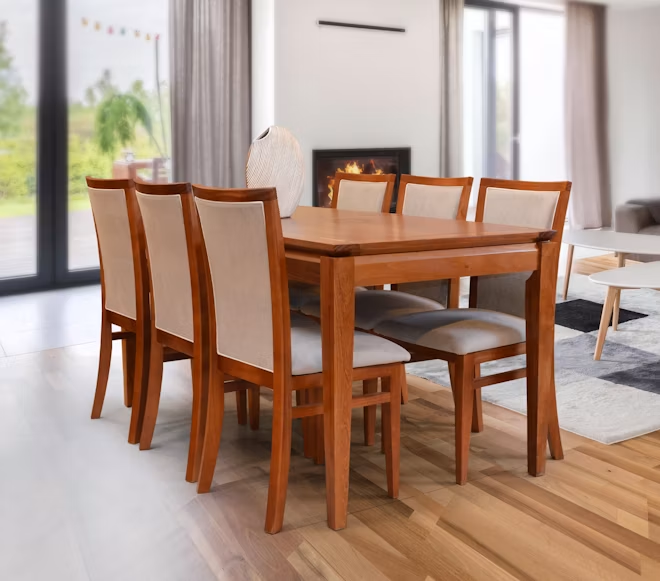
In a dining room, burl wood works best when the dining table is the main visual feature. Its grain already brings movement to the space, so the surrounding pieces should stay quieter. Pair a burl dining table with upholstered chairs in cream, camel, warm gray, muted olive, or black. Choose a low-contrast rug—or skip one altogether if the flooring already has a strong pattern.
Keep the tabletop simple enough for everyday use. A shallow bowl, a low ceramic vase, or a small tray can add warmth without making the surface feel crowded. A dining table should also support more than special occasions, leaving room for meals, homework, laptops, serving dishes, and guests. These dining table ideas for real homes can help you plan for those routines before choosing a large statement piece.
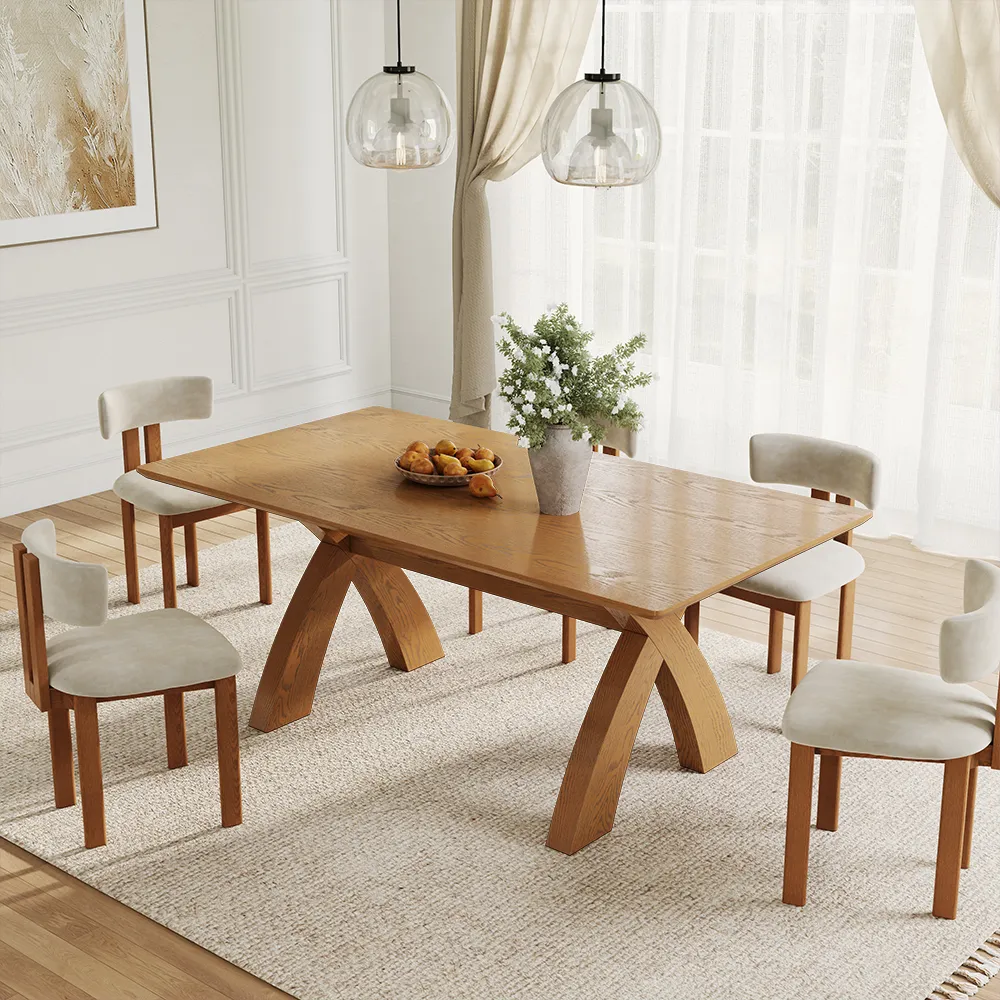
That balance of visual impact and everyday function is what makes a burl-veneer dining table especially practical. The Mid-Century Trestle Wooden Dining Table combines an ash burl veneer top with a curved X-base, allowing the grain to stand out without adding extra ornament. Its 70.87-by-39.37-inch surface seats six and has a listed 300-pound weight capacity, making it well suited to family dinners and weekend gatherings. Because partial assembly is required, plan the setup before delivery.
By early evening, the table can hold dinner plates, a pitcher of water, and a laptop without looking overfilled. The room still feels intentional, but nothing has to be moved out of the way before people sit down.
Burl Wood in the Living Room
In a living room, choose one burl piece according to the room’s main need. A coffee table works best when the seating area needs a practical center for drinks, remotes, books, and occasional laptop use. A console table is better when a blank wall or sofa back needs definition. Choose a media cabinet or sideboard only when storage is the priority.
Keep one burl piece in the main sightline. A burl coffee table, console, and media cabinet together can make the room feel overstyled. When using a coffee table, maintain a comfortable coffee table distance from the sofa—about 16 to 18 inches usually keeps it easy to reach without crowding the seating area.
Pair the burl surface with a cream sectional, a low-pattern rug, and one darker element, such as a black floor lamp or bronze side table. A soft oatmeal sofa, charcoal wool rug, and one burl coffee table with two neutral books and a ceramic bowl will feel layered and warm while still leaving open space for drinks, remotes, and movie-night snacks.
Burl Wood in the Bedroom
A burl wood dresser is one of the easiest ways to bring this material into a bedroom without making the entire space feel heavy. It adds useful storage and gives the wall opposite the bed a more finished, intentional look.
Keep the bed frame, bedding, and nightstands more restrained. Warm white linens, a textured throw, simple framed art, and low-profile lamps create a softer balance around the dresser. Avoid pairing a dramatic burl wood dresser with loud floral bedding, highly patterned curtains, or several dark wood pieces in the same sightline.
The dresser should feel like a useful anchor, not another decorative layer competing for attention.
Burl Wood in Compact Spaces and Entryways
Small rooms can still use burl wood, but scale matters. A slim console table, narrow chest, small side table, or framed mirror gives you the pattern without filling the room with visual weight.
Keep visible floor space open. Pair the piece with a light wall color, a mirror, or a wall sconce, so the wood grain reflects more light. In an entryway, one tray for keys and one lamp are usually enough. Avoid turning a small surface into a crowded display.
What to Avoid When Styling Burl Wood
Burl wood can feel refined and current, but it loses impact when too many bold elements compete around it. Avoid these combinations when possible:
- Burl wood with large, high-contrast marble veining
- Burl wood with an oversized patterned rug
- Burl wood with heavily carved furniture
- Burl wood with several glossy brass accessories
- Burl wood with three different dark wood finishes in one view
- Burl wood with crowded tabletop decor
If the room already has dramatic flooring, patterned stone, or a busy rug, let burl be the only additional patterned surface.
Burl Veneer vs. Solid Burl: What to Check
Burl furniture often uses veneer because the material is rare and highly figured. That does not make it less real. The important question is whether the piece uses genuine burl veneer, what supports it underneath, and whether the construction matches the way you plan to use it.
Understanding the Material Difference
| Material Type | What It Is | Best For | What to Check |
| Solid burl wood | A thick piece of natural burl wood | Small accent pieces, collector items, specialty furniture | Higher cost, weight, and limited availability |
| Real burl veneer | A thin sheet of real burl wood applied over a stable core | Dining tables, dressers, cabinets, coffee tables | Wood species, core material, finish, care instructions |
| Burl-look laminate | A printed or synthetic surface that imitates burl grain | Budget-focused or short-term decor | Whether the listing clearly identifies it as laminate |
Real burl veneer is still real wood. It allows furniture makers to use highly figured wood across wide surfaces while keeping the piece more stable and practical for everyday homes. Veneer is especially common on dining tables, cabinets, and dressers because large solid-burl slabs are difficult to source and expensive to use.
What to Read Before Buying
A product page should explain the visible material, the supporting structure, and the care requirements. Look for details instead of relying on vague phrases such as “burl finish.”
Before buying, check the following:
- The product names the veneer clearly, such as ash burl veneer or walnut burl veneer.
- The listing explains the core material beneath the veneer.
- The surface has a protective finish suitable for daily use.
- Natural variation is described as part of the material.
- The care notes explain how to handle spills, heat, sunlight, and cleaning products.
A good burl piece should feel transparent from the start. You should know what you are buying, how it will age, and how much care it will need before it becomes part of your home.
Choosing Burl Furniture for Everyday Life
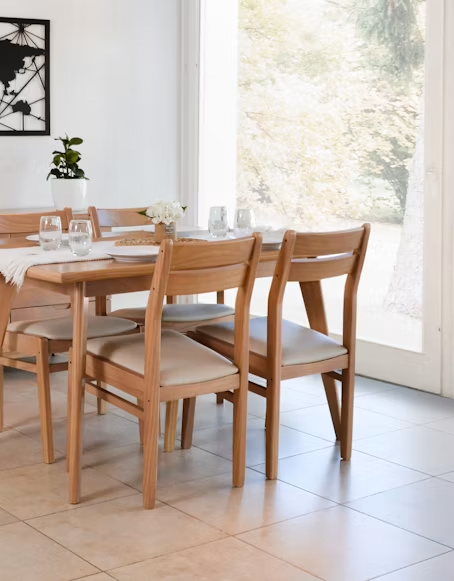
A burl piece should do more than look good in a saved photo. It should support the routines already happening in your home. Before choosing one, decide whether it needs to handle meals, storage, display, work, or high-traffic use. That decision will guide the right size, shape, and surface.
Match the Piece to Its Daily Job
A dining table needs room for plates, serving dishes, and people moving around it. A coffee table needs to hold drinks, books, remotes, and occasionally a laptop. A dresser needs enough drawer storage to earn its footprint.
Think about the part of the day when the piece will work hardest. A table used for family dinners should have enough clearance around the chairs. A console near the entry should not block the path to the kitchen or living room. A dresser should open fully without hitting the bed or a nearby chair.
Measure the Working Footprint
Measure the way the piece needs to function, not just how it looks from across the room. Include chair pull-out space, door swings, drawer clearance, and the routes people use when carrying groceries, laundry, or serving dishes.
For a dining table, make sure chairs can slide back without forcing guests to squeeze behind one another. For a coffee table, keep drinks and remotes within reach without blocking the main walkway. For a dresser, open every drawer fully before deciding where it will go.
Painter’s tape is useful here. Mark the furniture footprint on the floor, then walk around it as you normally would. Pull out an imaginary chair, open a drawer, and picture carrying a tray through the room. In a narrow space, choose a simpler silhouette rather than a visually heavy piece. Let the burl grain provide interest, and keep the base, hardware, and nearby furniture restrained.
Everyday Care for Burl Wood Furniture
Burl wood furniture is easy to maintain when you build a few simple habits into daily use. Because its grain is naturally detailed, water marks, streaks, and scratches can stand out more than they do on a flat matte surface. Dust regularly with a soft microfiber cloth, and use a barely damp cloth for fingerprints or light spills. Dry the surface immediately rather than letting moisture sit.
For tables and other high-use pieces, keep these rules in mind:
- Use coasters, placemats, and trivets under drinks, dishes, and hot cookware.
- Wipe up water, wine, coffee, and food spills as soon as possible.
- Avoid harsh chemical sprays, abrasive sponges, and rough paper towels.
- Keep damp plant pots, wet glasses, and hot pans off the surface.
- Limit long periods of direct sunlight to help prevent uneven color changes.
For deep scratches or stubborn marks, check the manufacturer’s care instructions before using polish, oil, or a repair kit. Veneer is thinner than solid wood, so aggressive sanding can damage the surface instead of fixing it.
Conclusion
Burl wood feels most convincing when it has a practical purpose and enough space to show its natural character, rather than being repeated across every surface in the room. Understand the material, choose a real function for the piece, and let the surrounding palette stay calm. A dining table can make everyday meals feel considered; a dresser can give a bedroom needed depth; a small console can bring an entry to life. With the right scale, finish, and care routine, this distinctive grain stays useful and visually interesting long after the first impression has faded.
Burl Wood FAQs
Will Burl Wood Furniture Make a Room Feel Dark?
Not necessarily. Burl wood can look rich, but it does not have to make a room feel heavy. Pair it with light walls, cream or oatmeal upholstery, and open space around the piece. Ash burl and lighter-toned burl veneers are especially effective in bright dining rooms, bedrooms, and smaller apartments.
Does Burl Wood Work With Light Oak Floors?
Yes. Light oak floors can make burl wood stand out in a good way because they provide a quieter background. Keep the rest of the room simple with warm neutrals, soft upholstery, and one darker accent, such as black metal or bronze lighting.
What Hardware Looks Best on a Burl Wood Dresser?
Simple hardware usually works best. Small antique brass pulls, black knobs, or integrated wood pulls let the grain stay visible. Avoid oversized crystal knobs, ornate brass handles, or decorative hardware that competes with the natural movement of the burl surface.
Can Burl Wood Furniture Work in a Rental?
Yes. Burl wood works well in rentals because one strong piece can make a temporary space feel more intentional. A console table, coffee table, dresser, or sideboard can add character without requiring permanent changes to walls, flooring, or built-in cabinetry.


