 By Kelvin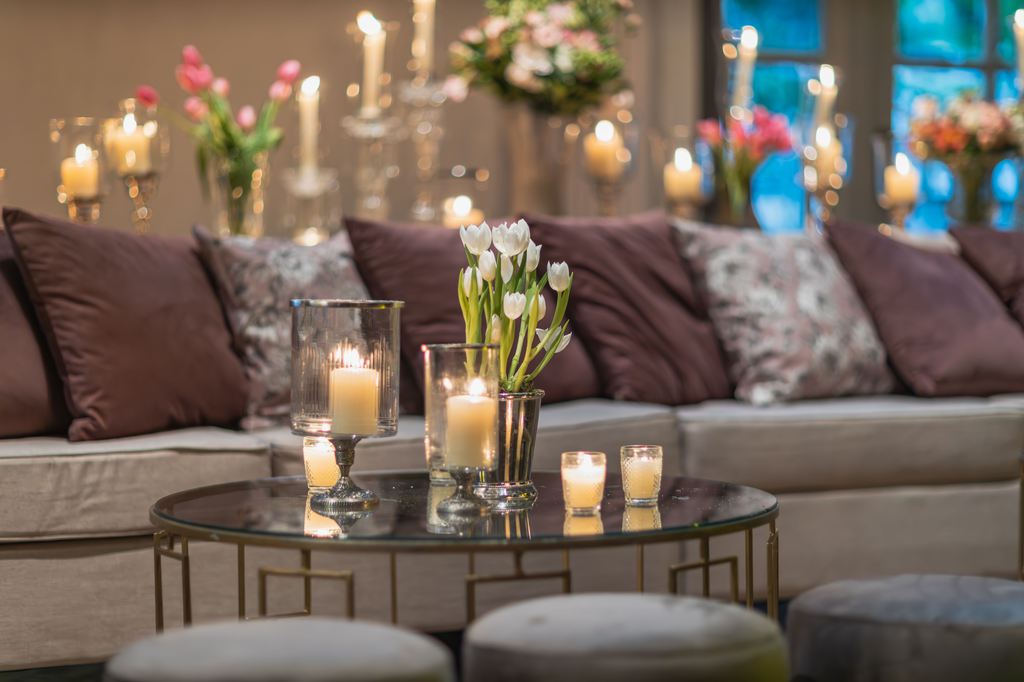
Introduction
If you are searching for how to decorate with candles, you probably want your home to feel warmer without turning every table into a display shelf. Candles can soften a room, make dinner feel more relaxed, and add a finished layer to a coffee table, sideboard, or mantel. The key is knowing where they belong, how many to use, and when a flameless option is smarter. This guide focuses on candle styling that looks intentional, stays useful, and works with real furniture surfaces.
Table of Contents
What Makes Candle Decor Look Intentional?
Candle decor looks intentional when it has a clear boundary, a simple visual role, and enough space around it. The goal is not to place candles everywhere. The goal is to create one warm point of light that supports how the room is already used.
The easiest way to answer how to decorate with candles is to start with the surface first. A coffee table needs room for drinks and remotes. A dining table needs space for plates and conversation. A sideboard can handle more height because people are not sitting directly around it.
A simple formula works in most rooms:
- Use a tray, stone plate, or glass holder to give candles a defined base.
- Choose one focal candle or a small group of three.
- Vary height slightly, but avoid a row of objects that all compete.
- Match the candleholder finish to something already in the room, such as black metal, brass, glass, ceramic, wood, or stone.
- Leave visible empty space so the surface still feels usable.
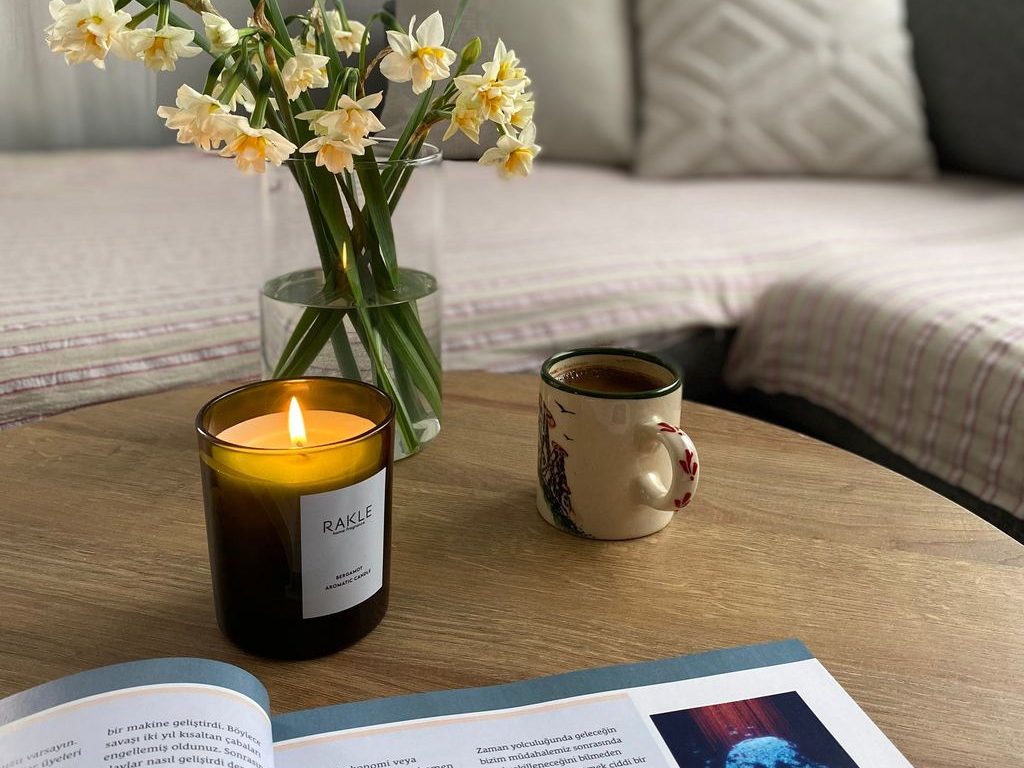
For a living room, one candle on a tray with a small bowl and a coaster stack often looks more polished than five separate candles spread across the table. If the tabletop has a strong material, such as marble, walnut, or sintered stone, let that surface show.
How Do You Decorate Different Surfaces With Candles?
Different furniture surfaces need different candle setups. A candle arrangement that works on a buffet may feel too tall on a dining table. A cluster that looks cozy on a mantel may feel unsafe near a TV or fabric sofa. Use the surface, height, and daily function as your filter before choosing the styling.
| Surface | Best Candle Setup | Why It Works | Avoid |
| Coffee table | One tray with one candle, a low bowl, or books | Keeps small decor grouped and easy to move | Too many small votives scattered across the top |
| Dining table | Low pillar candles or slim tapers in stable holders | Adds glow without blocking conversation | Strong scented candles during meals |
| Sideboard or buffet | Taller holders, a tray, and one grounding object | Adds height where the wall space can support it | Wax dripping directly onto the surface |
| Console or entry table | Lantern, candleholder pair, or one candle with a catchall tray | Creates a warm first impression and keeps keys contained | Open flame near paper, mail, or loose items |
| Mantel or fireplace | Pillars in varied heights or flameless candles | Builds a soft focal point without needing extra decor | Candles too close to garland, fabric, or dried stems |
| Bathroom | One protected candle or flameless candle | Adds a spa-like mood without crowding the counter | Candles close to towels, curtains, or shelves |
| Media console | Flameless candles or unlit sculptural candles | Gives warm light without adding heat near electronics | Open flame near TV, cords, speakers, or books |
For coffee tables, candle styling should be compact. If your table already collects remotes, cups, and magazines, a tray is more useful than another loose object. Practical coffee table tray decor ideas can help you decide whether a round, rectangular, wood, stone, or metal tray fits the way the table is used.
Dining tables need a different rule. Keep the center low enough that people can see each other across the table. A pair of short pillars, three votives, or slim tapers can work, but the arrangement should be easy to lift away when serving dishes arrive. For everyday meals, simple dining table decorating ideas should support eating first and atmosphere second.
For candlelit dinners or weekend meals, the Hobart Rectangular Sintered Stone Dining Table gives short pillars or slim tapers a clean centerline without making the table feel crowded. Its matte sintered stone top supports everyday cleanup, while the minimalist rectangular shape leaves enough room for plates, glasses, and serving dishes around the candle display.

How Can You Arrange Candles Without Making a Room Feel Busy?
Most decoration ideas with candles fail when every surface gets the same treatment. A candle on the coffee table, three on the sideboard, two on the console, and more on the mantel can make a room feel overstyled. Choose one or two candle moments, then let the rest of the room breathe.
Start with one surface that naturally benefits from warm light. In a living room, that may be the coffee table used during evening TV. In a dining room, it may be the sideboard behind the table, where candleholders can add height without blocking anyone.
Use this three-step formula:
- Pick one main surface. Choose the coffee table, dining table, sideboard, console, or mantel.
- Create one candle group. Use a tray, holder, lantern, or plate so the candles read as one display.
- Add one supporting detail. A small bowl, greenery, stacked books, or matches is usually enough.
A family room used every night should not need a full reset before someone can put down a mug. A low tray with one candle and one bowl can stay in place during normal use. For guests, the tray can move in one step.
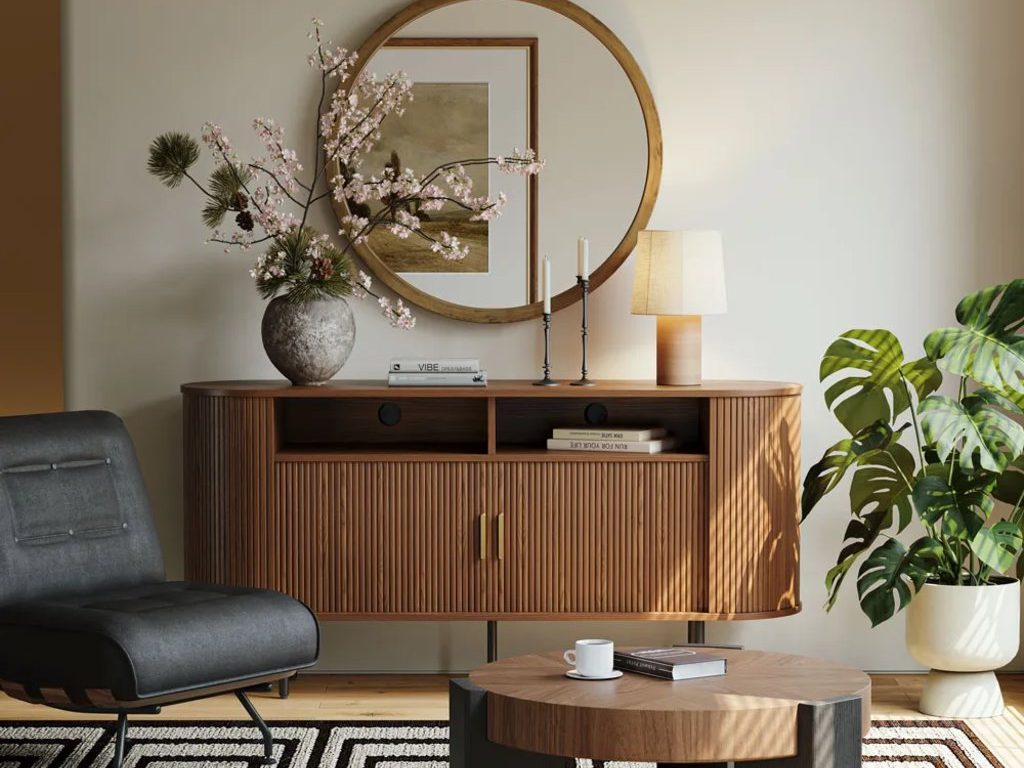
On a sideboard, candles can be part of a more layered display because the surface is not used for constant reach. Still, the best buffet table decor ideas keep small items grouped so the top can shift from everyday display to serving space quickly.
When Should You Use Real Candles or Flameless Candles?
Real candles create a warmer, more natural glow, but they are not right for every room. Flameless candles are better when the candle is close to fabric, children, pets, electronics, shelves, or places where people may forget to blow it out.
Use real candles when adults are present and the candle can sit in a stable holder on a clear surface. They work well for dinner, a sideboard during a gathering, or a coffee table while people are in the room. Use flameless candles when the candle is decorative rather than actively watched.
A practical rule is simple: if the candle is part of daily decoration, flameless is often easier. If it is part of a short, attended moment, real candles can work.
U.S. fire-safety guidance recommends keeping candles at least 12 inches from anything that can burn and blowing them out before leaving a room or going to bed. That matters for decoration with candles because many decorative surfaces include books, branches, curtains, upholstery, or paper.
Use this quick guide:
- Dinner with adults present: real taper or votive candles can work.
- Homes with kids or pets: flameless candles are usually safer.
- Bedroom or sleepy areas: flameless candles are the better default.
- Media console or shelves: use flameless or unlit sculptural candles.
- Outdoor windy setting: use flameless candles inside lanterns.
- Formal centerpiece: real or high-quality flameless candles can work, depending on supervision.
What Should You Check Before Buying Candleholders?
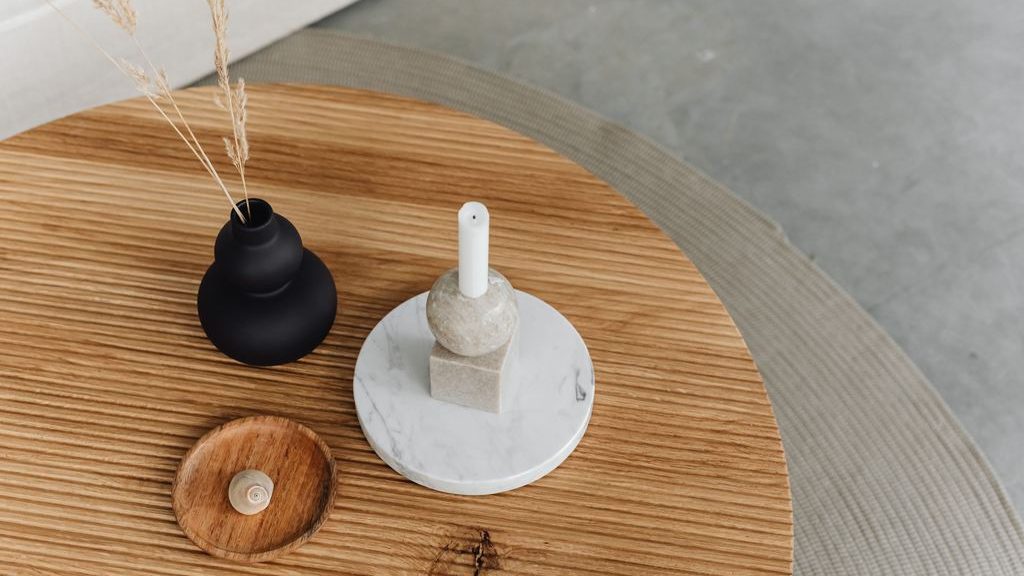
Candleholders matter as much as the candles themselves. They control height, stability, wax protection, and how polished the display feels. Before buying, think about where the holder will sit and what the surface needs to do every day.
Check these details first:
- Base stability: A narrow holder may look elegant but can tip easily on a busy console or coffee table.
- Height: Dining table candleholders should stay low enough for conversation. Buffet and mantel holders can be taller.
- Material match: Brass warms up wood and stone. Black metal adds structure. Clear glass feels lighter. Ceramic softens modern rooms.
- Surface protection: Use a tray, plate, coaster, or heat-safe base under candles, especially on wood, lacquer, marble, or stone-look surfaces.
- Daily reset: If the surface needs to clear quickly, group candles on one movable tray.
For decorating with candles in a real home, the best setup is not the most dramatic one. It is the one you can live with. A candle display should not block a cabinet door, crowd a dinner plate, or make you nervous when someone reaches for a drink.
Common Candle Decorating Mistakes to Avoid
Candle decor should make a room feel calmer, not more complicated. The most common mistakes usually come from adding too many small pieces without thinking about use, safety, or scale.
Avoid these problems:
- Placing candles on every surface so the room has no clear focal point.
- Using strongly scented candles on a dining table while food is being served.
- Choosing tall candleholders that block conversation across the table.
- Putting open flames near a TV, media console, curtains, books, or dried decor.
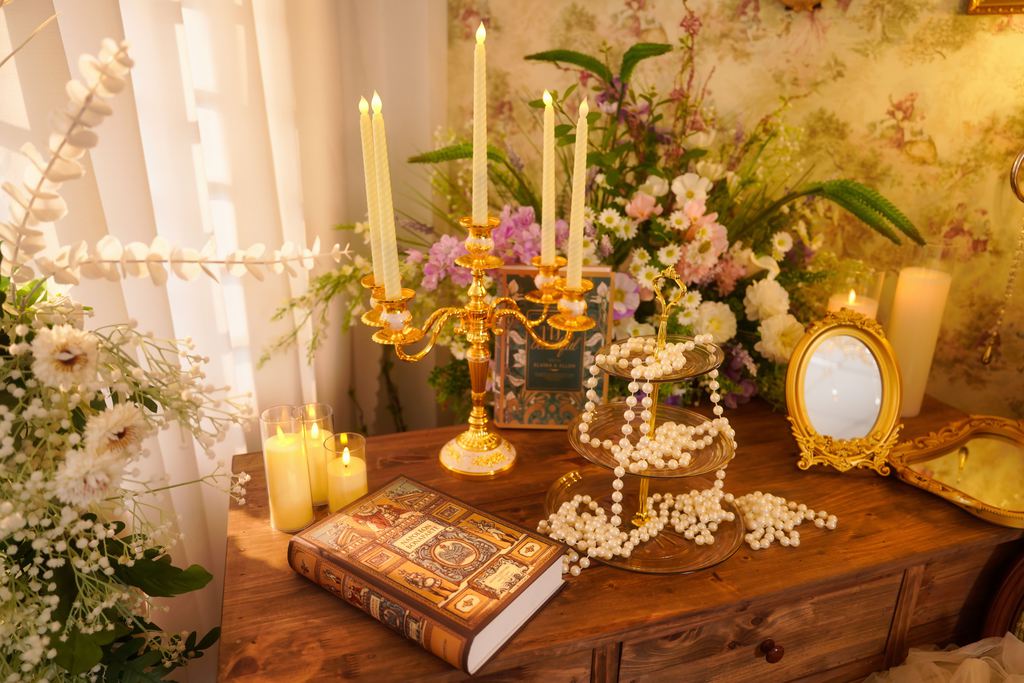
- Filling one tray with candles, flowers, beads, books, matches, and seasonal objects all at once.
- Letting wax, heat, or soot touch furniture surfaces without protection.
- Using tiny candles on a large sideboard without any taller object to balance the wall space.
A candle should feel like part of the room’s rhythm. It can make a quiet weeknight dinner feel more relaxed, or help a living room feel settled after the overhead lights are off. It should not make the surface harder to use.
Conclusion
Learning how to decorate with candles is less about adding more objects and more about choosing the right glow for each surface. A coffee table needs a compact setup. A dining table needs low, unscented candles that do not interrupt the meal. A sideboard or mantel can handle more height, while shelves and media consoles are better with flameless options. Keep the arrangement stable, protected, and easy to move. That balance makes candle decor feel warm, useful, and natural in everyday life.
Q&A
Should I match candle colors to my furniture or decor?
Candle colors do not need to match furniture exactly. Choose a shade that repeats the room’s overall palette, such as ivory, taupe, black, amber, or soft gray. In a colorful room, neutral candles usually look cleaner. In a neutral room, one darker candle can add quiet contrast.
How should I control candle scent in an open-plan room?
In an open-plan room, use scent in small zones instead of letting one strong candle fill the whole space. Place lighter fragrances near an entry, reading chair, or side table. If the scent reaches too many areas at once, switch the main display to unscented candles and keep fragrance for smaller corners.
How can I refresh candle decor for different seasons?
Refresh candle decor by changing how often and when you use it. In warmer months, candles may feel better as occasional evening accents. In cooler months, they can become part of slower daily routines, such as after-dinner lighting, weekend hosting, or quiet nights with lower overhead light.
Should candle jar labels face out or be hidden?
If the label looks minimal and matches the room, it can face out like part of the decor. If the label is colorful, busy, or brand-heavy, turn it away, remove it if possible, or place the candle inside a holder. This keeps the display from feeling like product packaging.
How do I keep decorative candles from looking forgotten?
Keep decorative candles clean, current, and easy to notice. Dust holders often, straighten tilted tapers, replace candles with faded color, and remove jars with old wax buildup. A candle looks more intentional when it feels maintained instead of left over from an old display.


