 By Hana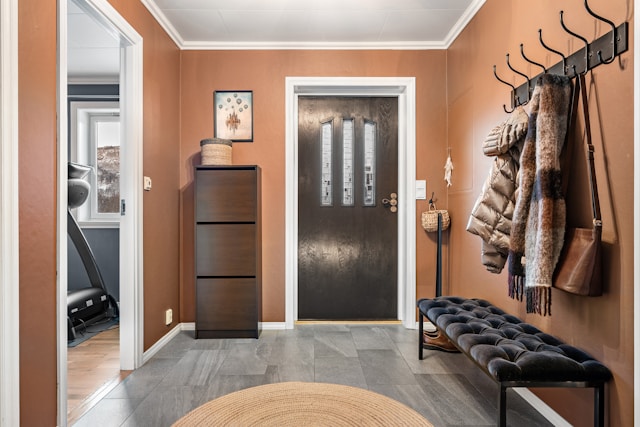
The first impression of your home starts at the door. An entryway bench is often the very first piece you and your guests touch – it’s where shoes come off, bags get dropped, and the outside world pauses for a second. In 2026, with homes trending smaller and floor plans more open, every square inch of that space has to work harder than ever. Data from U.S. home builders shows the median size of new homes has shrunk to around 2,179 square feet, the smallest since 2010, which pushes more people to look for smarter storage at the threshold. (nahb.org) In this guide, we’ll walk through how to choose the best entryway benches, the most useful types, beginner-friendly ideas on how to build an entryway bench, styling formulas for how to decorate an entryway bench, and a simple way to shortcut everything with a multi-functional storage ottoman.
Why Entryway Benches with Storage Matter in 2026
From Cluttered Drop Zone to Calm Landing Spot
Most entryways start as a “drop zone”: shoes kicked off randomly, parcels leaning against the wall, dog leash on the floor, kids’ backpacks in the way of the door. Now layer in the fact that Americans are both living and working at home more than before; among adults whose jobs can be done remotely, about 75% work from home at least some of the time. (njbia.org) When your hallway is also your office corridor and delivery hub, an entryway bench with storage turns that chaos into a defined landing spot. One client with a narrow 36-inch entry discovered that adding a slim bench with two labeled baskets finally ended the “Where are my shoes?” school-morning scramble.
Why Storage Is Non-Negotiable Now
A simple bench with only a cushion gives you a seat, but it doesn’t solve the actual mess. A storage bench entryway design folds seating and organization into one footprint, which is critical now that the U.S. home organization products market is worth well over $10 billion and still growing – a sign that people are actively investing in better storage systems. (The Freedonia Group) Compared with a plain bench, entryway benches with storage hide visual clutter, cut cleaning time, and make it easier to stick to “one in, one out” habits. Seasonal pieces like scarves, umbrellas, dog gear, guest slippers, and reusable bags all disappear into compartments, so the first thing you see is a calm seat, not a pile of stuff.
How to Choose the Right Entryway Bench with Storage
Size, Layout & Traffic Flow
Before you fall in love with a design, measure your entryway like a pro. Note the swing of every door, including closets, and mark a minimum of 36 inches of clear walking path in front of the bench so people can pass comfortably. In small apartments, small benches for entryway zones usually land around 30–40 inches long and 14–16 inches deep; in larger foyers, wood entryway benches up to 60 inches or more can sit under a big mirror without feeling heavy. Tape the bench footprint on the floor for a few days and live with it. If you’re still bumping bags or doors into the tape, size down or pick a slimmer profile.
Storage Types & Materials (and What They’re Best For)
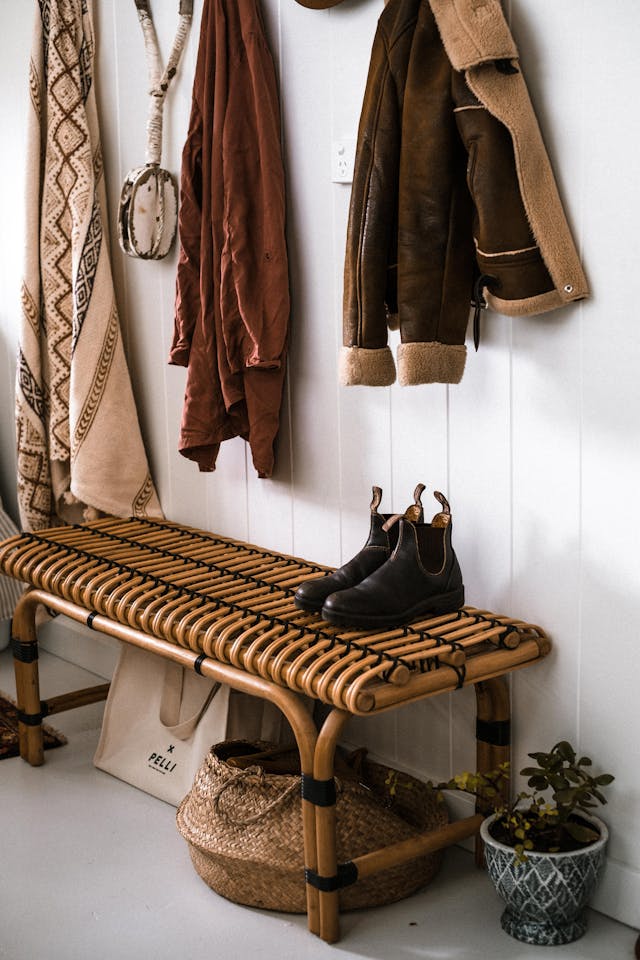
Think about what actually lands near your door. If it’s mostly shoes, entryway shoe benches with open cubbies keep pairs visible and easy for kids to reach. If you need a hide-everything solution, look for lift-top benches or designs with doors and drawers, especially if you prefer white entryway benches that read as calm and minimal. Mixed households often do best with a hybrid: open storage below for daily sneakers and boots, closed storage above for hats, scarves, and mail. Materials matter too: solid wood is durable and easy to refinish; powder-coated metal feels more industrial; fabric and PU leather add softness but need more mindful cleaning in muddy seasons.
Multi-Functional Designs That Work Beyond the Entryway
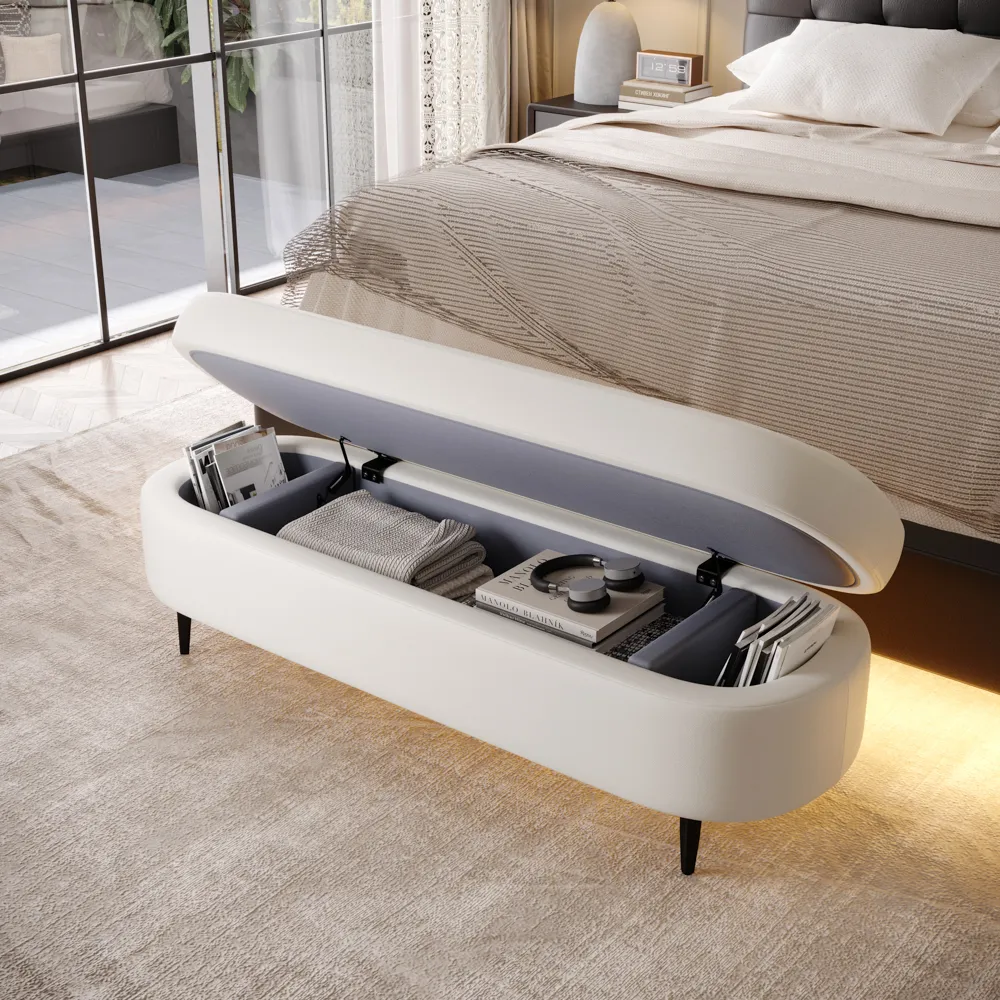
The smartest benches for entryway living are the ones that can migrate with you. A modern storage bench that works under a hallway mirror now can shift to the foot of your bed later, holding linens and extra pillows, or slide into the living room as overflow seating. For example, a modern ottoman bench with storage like this PU leather bench can start as an end-of-bed piece and later move to your front door to become a soft, upholstered entryway bench with shoe storage. Povison focuses on fully assembled, ready-to-live-in designs, so a piece like this arrives ready to use instead of eating your weekend with assembly.
If you want more layout detail and ideas for pairing benches with cabinets and hooks, this guide on entryway furniture ideas to organize your home is a great next read.
Popular Types of Entryway Benches with Storage & Layout Ideas
Open Cubbies, Baskets & Shoe Benches
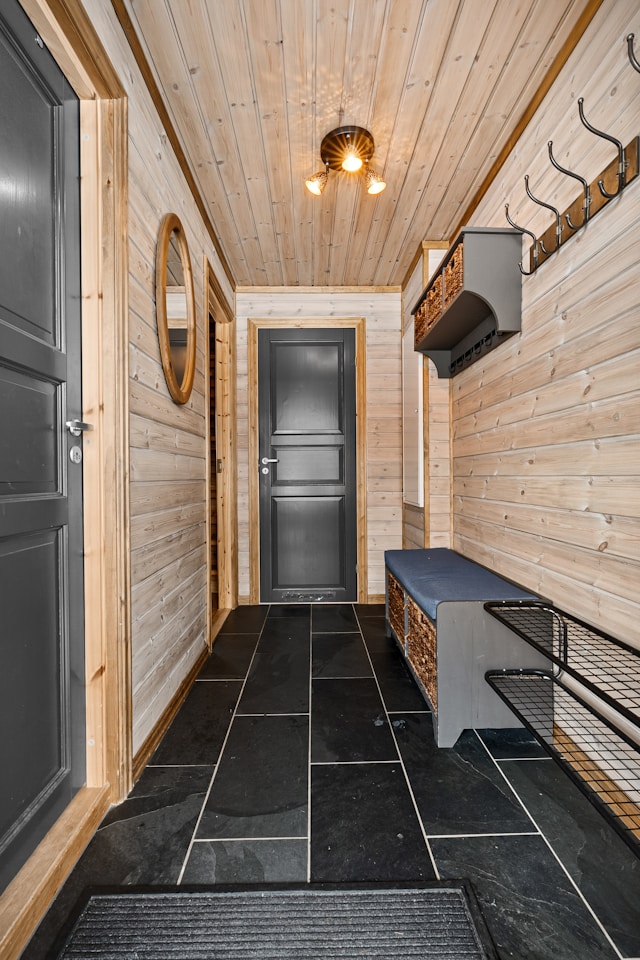
Open entryway storage benches with cubbies or metal racks shine in homes where shoes rotate constantly. You see everything at a glance, so mornings move faster. To keep things looking intentional instead of busy, use matching baskets or bins for small items like gloves or pet gear and reserve straight-into-cubby space for shoes only. In a tiny entry, pair a small entryway bench with a simple hook rail above for coats and bags. In a longer hallway, center a wider modern entryway bench on the wall and hang a horizontal mirror or art above it to stretch the space visually. For even more shoe-specific layouts, check out Povison’s shoe storage solutions guide.
Lift-Top Benches & Upholstered Designs
Lift-top designs act like slim trunks: you toss in scarves, totes, bike helmets, or off-season sandals and simply close the lid. Upholstered or ottoman-style benches soften acoustics in open-plan spaces and feel more like living-room furniture than “storage units.” They’re perfect where the entry blends into the lounge and you want continuity of style. Ottoman-style benches with a lift-up top give you the same hidden storage as a chest but with a friendlier silhouette, especially in open apartments where the bench is visible from the sofa. Povison’s PU leather storage ottoman bench fits this role nicely: it’s cushioned enough for guests yet tough enough to handle daily comings and goings.
Built-In Style vs Freestanding Pieces
If you dream of a mudroom wall with bench, cubbies, and hooks all lined up like a magazine spread, you have two choices: commit to a true built-in or mimic the look with entryway benches and coat rack combos. Fully built-in setups feel seamless and can be tailored to every inch, but they’re expensive and stay with the house. Freestanding storage benches for entryway paired with hook rails and tall cabinets give a similar vibe while staying renter-friendly. In one small condo corridor, we combined a narrow entryway bench with hooks above it and a wall-mounted shoe cabinet opposite; the owners still got that “mini mudroom” feeling, and they’ll be able to take everything with them when they move.
How to Build an Entryway Bench with Storage (Beginner-Friendly)
Decide: Built-In vs Freestanding DIY
If you’ve ever searched “how to build an entryway bench,” you’ve probably seen both wall-to-wall built-ins and simple plywood boxes. A built-in is ideal if you own your home, have basic carpentry tools, and want to use every inch of a niche or hallway. A freestanding DIY bench is better for renters or anyone who might rearrange later: you can move it, repaint it, or sell it on. Ready-made entryway benches with storage sit in the middle: higher upfront cost, but no sawdust, no tools, and no risk of mis-measured boards. For a deeper dive, Povison’s tutorial on building an entryway bench with storage offers extra diagrams and measurement tips.
Simple Step Plan for a Freestanding Bench with Storage
A basic DIY storage bench entryway bench structure consists of a rectangular frame, internal supports, a top panel, and either open cubbies or a lift-up lid. Start by measuring your wall and deciding on the final length, depth, and height. Cut side panels, a bottom, a back, and internal dividers from plywood; assemble them into a box using screws and wood glue, adding a center support if the bench is wide. Attach a slightly overhanging top, either fixed or on hinges, then sand all edges so they’re rounded and safe for bare legs and kids’ hands. Finish with paint or stain and protective topcoat, then add baskets, cushions, and felt pads underneath so the bench doesn’t scratch your floors.
How to Decorate an Entryway Bench (Styling Ideas for 2026)
A Simple Styling Formula You Can Repeat in Any Season
Here’s a plug-and-play styling formula you can copy on any modern benches for entryway setups:
- Start with a durable, comfortable cushion or an upholstered bench in fabric or PU leather.
- Layer two or three pillows in mixed sizes; combine a solid, a subtle pattern, and a textured fabric.
- Add one or two practical accessories like a tray for keys, a woven basket for gloves, or a slim umbrella stand nearby.
Rotate pillow covers and accessories with the seasons while keeping the base bench and cushion constant. If you love Japandi or minimalist looks, pairing a pale wood entryway bench with off-white pillows and one sculptural vase, like in Povison’s Japandi furniture picks, keeps things calm but not boring.
Styling Small, Dark or Awkward Entryways
Compact or windowless entryways can feel cramped fast, especially when you line up storage benches entryway bench pieces along the wall. Lighten the visual weight by choosing a slim bench on legs so more floor is visible, using baskets that match the wall or floor color, and hanging a tall mirror above the bench to bounce light around. In very tight spaces, a soft, upholstered ottoman-style small entryway bench with hidden storage keeps the look airy instead of boxy and hard-edged. A “30-second reset” habit helps too: each night, fluff the pillows, scoop mail into a tray, and tuck stray shoes back into cubbies so your entry feels photo-ready again by morning.
Care & Longevity Tips for Entryway Benches
Entryways take more abuse than almost any other zone, so benches with storage for entryway need regular but simple care. Wipe wood and metal weekly with a soft, slightly damp cloth; avoid harsh cleaners that strip finishes. For fabric cushions, pick removable covers you can machine-wash or spot-clean; for PU leather, a mild soap solution followed by a dry cloth is usually enough. Add felt pads or a low-profile rug under legs to prevent scratches, especially on hardwood. Once a season, do a quick “tune-up”: tighten any screws, check that lift-top hinges still close softly, and vacuum inside compartments to keep grit from grinding into the surfaces.
Conclusion
A well-chosen entryway bench with storage quietly transforms your home’s first impression from cluttered threshold to intentional landing zone. Start by respecting your space and traffic flow, then choose storage types and materials that match your real life – shoes, pets, kids, laptop bag and all. Finally, layer in styling and small daily habits so your bench isn’t just pretty for a weekend, but genuinely supports your routines. For anyone who doesn’t want to DIY or agonize over mixing pieces, a clean-lined ottoman bench with hidden storage – like Povison’s modern PU leather model – offers an easy, future-proof solution that can live in the entryway now and move to the bedroom or living room later as your life shifts.
FAQs about Entryway Benches
What is the best size for an entryway bench?
Most entryways do well with a bench that leaves at least 36 inches of clear walking space in front. In small apartments, 30–40 inches in length and 14–16 inches deep usually feels balanced. Larger foyers or mudrooms can handle 48–60 inches or more. Always map the footprint with tape first, open every door, and walk past with a bag on your shoulder to make sure nothing feels cramped.
How high should an entryway bench be for comfortable seating?
A comfortable entryway benches height is similar to a dining chair: around 17–19 inches from floor to seat. Shorter adults and kids often prefer 17–18 inches because it’s easier to sit and stand; very tall users may like 19 inches. If you’ll add a thick cushion, factor that into the total height so the final seat height still lands in that sweet spot.
Should I choose open or closed storage for my entryway bench?
If your household needs grab-and-go speed, open cubbies or racks work best because you can see every pair of shoes instantly. Closed storage – drawers, doors, or a lift-top – keeps visual clutter out of sight and makes small spaces feel calmer. Many homes do best with a hybrid: a bench with storage for entryway that has open space for daily shoes plus a closed compartment for overflow and seasonal accessories.
Is it better to build or buy an entryway bench with storage?
Building your own bench gives you a perfect fit and custom features if you have tools, time, and patience. Buying a ready-made bench, especially fully assembled models, saves hours of work and avoids the risk of mis-measured parts. If you’re short on time or live in a small space, a high-quality entryway storage benches design that arrives ready to use is often the most realistic choice, and you can always personalize it later with cushions, baskets, and hooks.


