 By Charles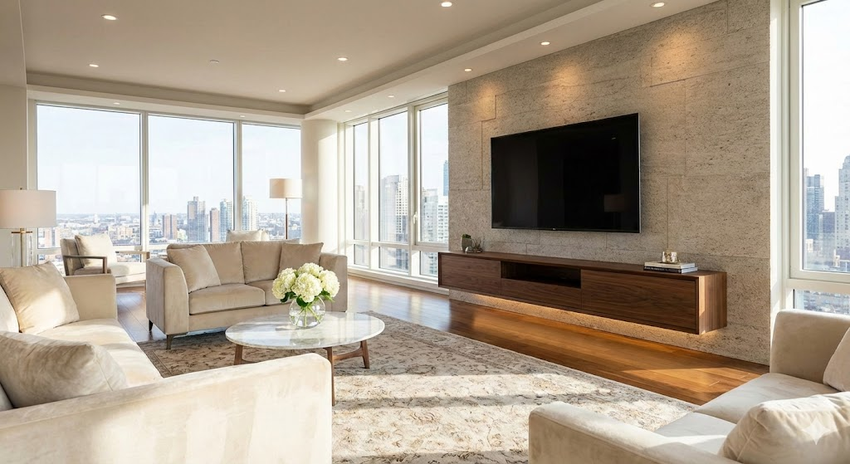
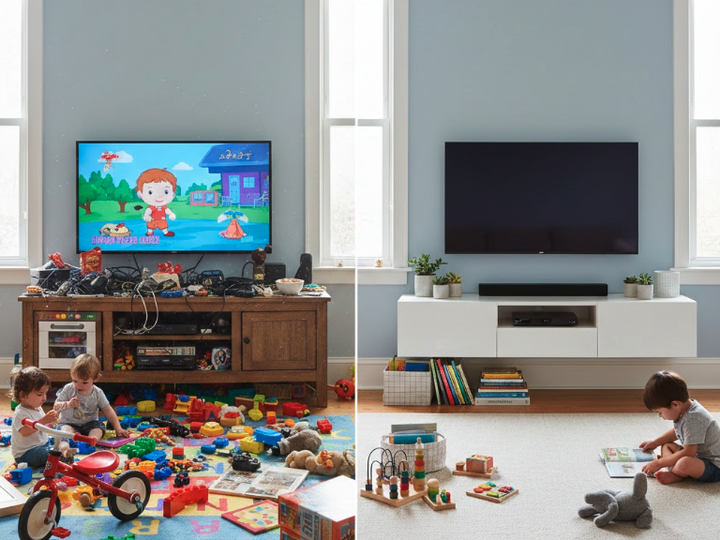
Your living room should feel relaxing, not like a tech obstacle course. Between tangled cables, game consoles, and mystery chargers, it’s easy for your TV area to look like chaos central. Enter floatingTV consoles and wall-mounted shelves: clever ways to lift your media off the floor and reclaim your space. The best part? You can skip the ‘IKEA-induced’ headache—Povison delivers these fully assembled, so your only job is picking which show to binge-watch first.”
That’s where a floating TV console or a wall-mounted TV shelf comes in. Both get your stuff off the floor and make the room feel lighter. But they’re not created equal, especially if you’ve got kids, pets, or just a very real life happening around your TV.
Before you start drilling into drywall, let’s quickly sort out which option actually fits your space, your gear, and your sanity.
Floating Console vs Wall Shelf: Quick Comparison
If you strip it down to the basics, here’s how a floating TV console stacks up against a wall shelf:
- Floating TV console = wall-mounted cabinet with doors/drawers, actual depth, and serious storage.
- Wall-mounted shelf = a slimmer ledge or panel that holds just the essentials.
Think of the floating console as a mini media cabinet that happens to float, while a wall shelf is more like a nice-looking ledge under your TV.
In busy homes, the console usually wins because it hides the chaos, cables, controllers, routers, and all the “Dad, where’s the HDMI?” gear. A shelf is better for a slower-tech setup: one TV, one streaming box, done.
If you’re trying to compare this to other family-friendly furniture, you might also want to check out other kid-proof tables for the rest of your space.
What Is a Floating TV Console?
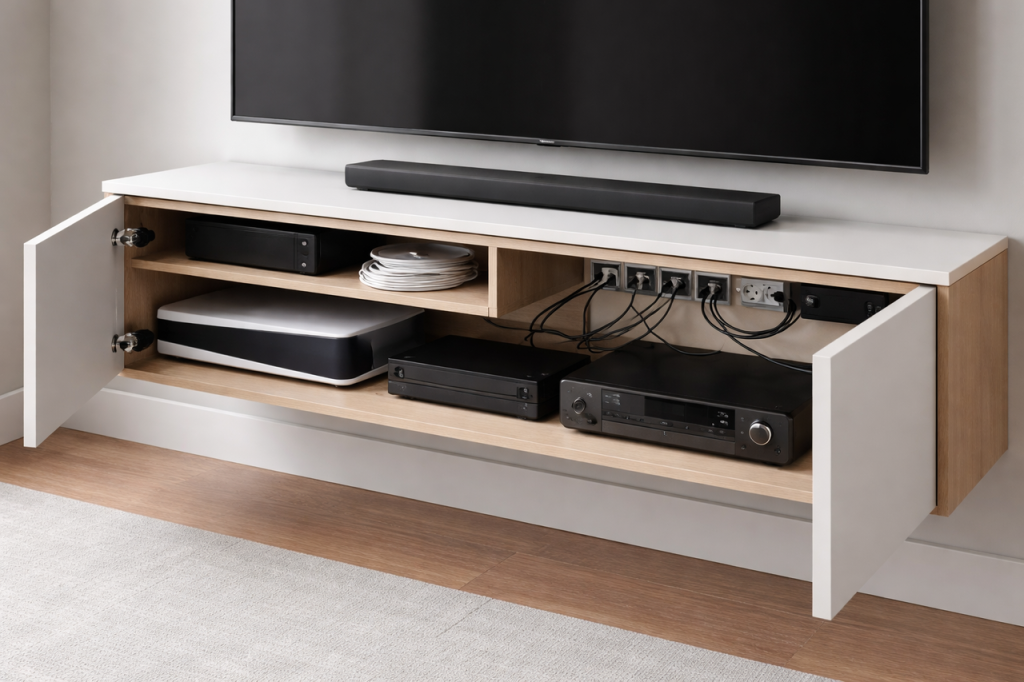
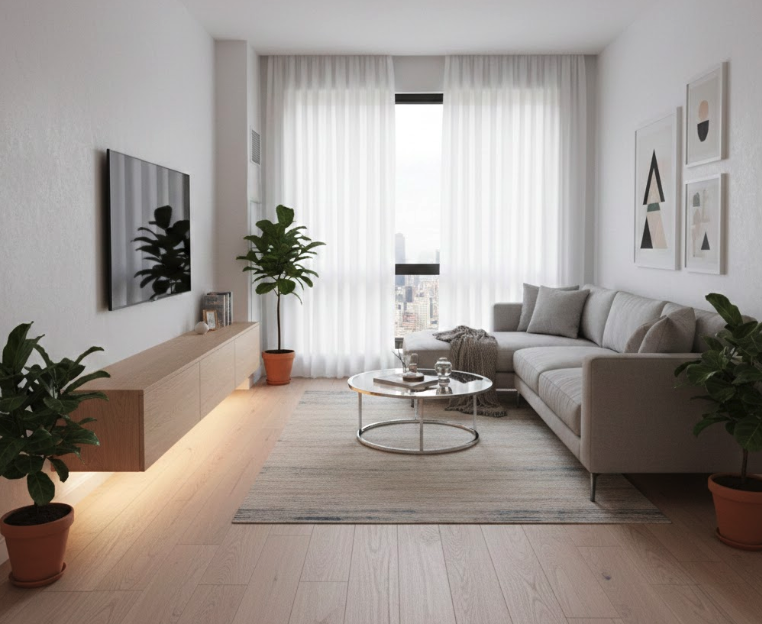
A floating TV console is a wall-mounted media cabinet that sits under your TV but never touches the floor. It gives you storage, hides clutter, and keeps the room feeling open.
Design Features
A good floating TV console works hard for you, even when it just looks like a cool box on the wall. You’ll typically get:
- Closed storage with doors or drawers to hide controllers, remotes, and games.
- Cable management holes or channels so cords disappear instead of dangling.
- Solid materials (often wood or engineered wood with veneer) that can handle daily use.
Because it’s attached to the wall, it visually “lifts” the room. You still get that furniture-level presence without sacrificing floor space for robot vacuums, pet beds, or baskets of toy dinosaurs.
Storage Capacity
This is where the floating console really separates itself from a simple shelf.
Most floating TV consoles give you:
- Room for multiple devices (cable box, gaming console, streaming box, router).
- Space to stash clutter, charging cables, card games, or the random stuff that never has a home.
- A top surface deep enough for a soundbar or decor.
If you’re already drooling over less clutter, you’d probably also love a pre-assembled sideboard with real storage in your dining area.
What Is a Wall-Mounted TV Shelf?
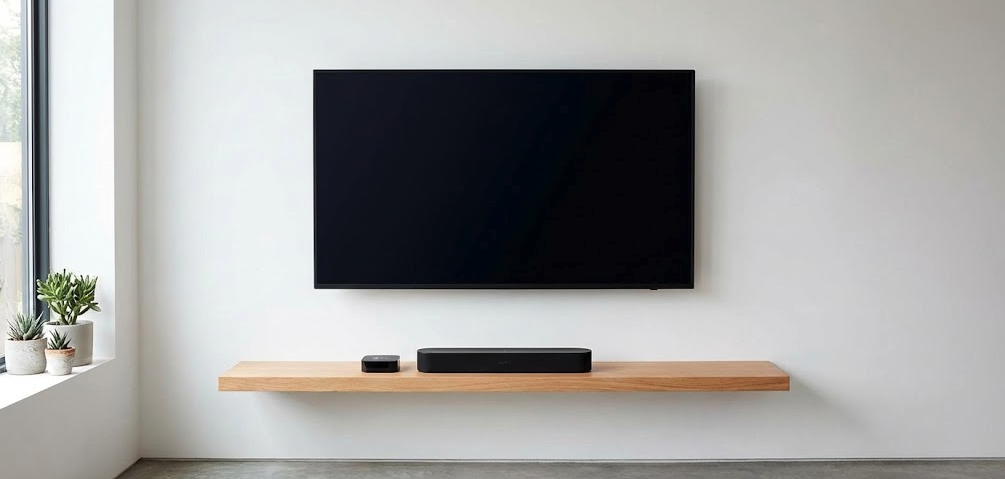
A wall-mounted TV shelf is basically a slim, floating ledge or narrow unit that mounts directly under your TV. It gives you just enough space for your most important devices, and that’s about it.
Minimalist Design
If you love a very clean, almost bare look, a TV shelf can deliver that. It usually offers:
- A low-profile, lightweight design.
- Just enough depth for a small streaming box and maybe a short soundbar.
- Open storage you always see.
It’s minimalist in both looks and function. That’s perfect if you don’t own much gear and you’re careful about what sits out.
Limited Storage
Here’s the catch: most TV shelves have little to no hidden storage. That means:
- Cables are more visible unless you add extra raceways on the wall.
- Any devices, games, or remotes are always on display.
- You’re relying on discipline, not doors, to keep things tidy.
If your home already has a toy explosion or pets zooming through, you may find a single shelf feels more like a landing strip than a solution.
Space-Saving Comparison
Both options save floor space, but they do it in slightly different ways that matter when your living room is also a playroom, office, and dog track.
Floor Clearance
Both a floating TV console and a wall shelf keep the floor completely clear. That means:
- Easier vacuuming and mopping.
- Less risk of kicking furniture when you walk through in the dark.
- More room for pet beds, toy baskets, or just open space.
Visual Footprint
A floating TV console has a bigger visual presence, it looks like a real piece of furniture.
A wall shelf almost disappears into the wall.
If your room already feels busy, a shelf will visually “disappear” more. But if you want the TV wall to feel anchored and finished, the console usually looks better.
Room Size Impact
In small rooms, both options are kinder than a big, chunky floor unit. The console wins if you need storage and don’t want another tall cabinet elsewhere.
If your living room opens into a dining or play area, you can keep the whole space lighter by pairing a floating console with other space-savvy pieces, like sturdy wood tables for families.
Storage Capacity Face-Off
Here’s where your real life, kids’ gadgets, pet toys, extra cables, decides the winner.
Cable Boxes & Consoles
- Floating TV console: Easily handles multiple devices. You can close the doors and pretend your cable chaos doesn’t exist.
- TV shelf: Realistically holds one or two items before it starts to look crowded.
If you’ve got gaming consoles, streaming boxes, and maybe even an old DVD player still hanging around, a shelf fills up fast.
Soundbars
- Console: The top surface usually has enough depth for a full-size soundbar or even a small speaker setup.
- Shelf: Works best with slimmer soundbars only. Heavy or deep speakers can look awkward or even feel unstable.
Decorative Items
You might want a plant, a picture frame, or a candle to keep the TV wall from feeling like an electronics store.
- A console gives you space for decor without sacrificing function.
- A shelf forces you to choose: decor or devices.
If you like your home to feel cozy and styled (not just wires and screens), the floating TV console is the easier path.
Installation Difficulty
Here’s the not-so-fun part, but it’s important, especially for safety.
Weight Considerations
A floating TV console is heavier, and that’s before you load it up. You must:
- Anchor it into wall studs or solid masonry.
- Respect the manufacturer’s weight limits.
A TV shelf is usually lighter and holds less, but still needs proper anchors.
Wall Type Requirements
Both options are happiest on:
- Standard stud-and-drywall walls.
- Concrete or brick (with the right anchors).
Thin partition walls or unknown old plaster can be tricky and may require a pro’s opinion.
DIY vs Professional
If you’re handy with a stud finder and a drill, you can install either, but a large floating console is less forgiving.
You might choose:
- DIY for smaller, lighter units or simple shelves.
- Professional install for longer, heavier consoles, especially if you’re mounting under a large TV.
It’s completely reasonable to pay for help here, your TV, your gear, and your kids’ safety are all hanging on those screws.
Best Use Cases
You don’t need a designer to pick the right option: you just need to be honest about your daily chaos.
When to Choose Console
Go for a floating TV console if:
- You have multiple devices (streaming boxes, consoles, cable, router).
- You want to hide clutter behind doors.
- Your kids or pets treat the living room like a playground.
- You care about a finished, furniture-like look.
It’s the smarter long-term choice if you’re tired of replacing cheap shelves and want something that can grow with your family.
When to Choose Shelf
Choose a wall-mounted TV shelf if:
- You’re a minimalist with just one device.
- You’re in a rental and want something lighter and easier to patch later.
- You don’t mind seeing your gear and cables.
For a tech-light setup, a shelf does the job and keeps the look airy.
Price Comparison
You’ll usually pay more for a floating TV console than for a basic TV shelf, but you’re getting more than just looks.
A console often costs more because it offers:
- Real storage that can replace an extra cabinet.
- Better materials and hardware that hold up over years.
- Built-in cable management that saves you from buying extra parts.
A shelf is cheaper up front, but if you end up adding extra storage later or replacing it when it starts bowing, that “cheap” solution stops being such a deal.
If you value your Saturday afternoons and hate wrestling with flimsy furniture, spending a bit more once on a solid floating TV console can be the smarter money move.
Floating TV Console: Frequently Asked Questions
What is a floating TV console and how is it different from a regular TV stand?
A floating TV console is a wall-mounted media cabinet that sits under your TV without touching the floor. Unlike a regular floor stand, it offers closed storage, built-in cable management, and a lighter, more open look while still acting like a real piece of furniture.
When should I choose a floating TV console instead of a wall-mounted TV shelf?
Choose a floating TV console if you have multiple devices, want hidden storage, and prefer a finished, furniture-like look. A shelf works best for minimal setups with one or two devices. In busy homes with kids, pets, and clutter, the console usually wins for practicality and tidiness.
How much storage can a floating TV console realistically provide?
Most floating TV consoles can hold several devices, such as a cable box, gaming console, streaming box, and router, plus room for remotes, games, and chargers. The top surface is usually deep enough for a soundbar and decor, making it a better storage solution than a slim, open TV shelf.
Can I install a floating TV console on any wall?
A floating TV console should be anchored into wall studs or solid masonry like brick or concrete. Standard stud-and-drywall walls usually work well. Thin partitions, fragile plaster, or unknown wall structures may require professional advice to ensure your tech stays exactly where it belongs: on the wall. Still not sure which size or weight capacity fits your setup? Our design team can help you pick the perfect unit for your specific wall type.
What size floating TV console do I need for my TV?
Ideally, choose a floating TV console that’s at least as wide as your TV, and often 6–12 inches wider for a balanced look. Check both the console’s weight capacity and depth to ensure it supports your devices and soundbar. Always follow the manufacturer’s size and weight recommendations.
Past Review:


