 By Kelvin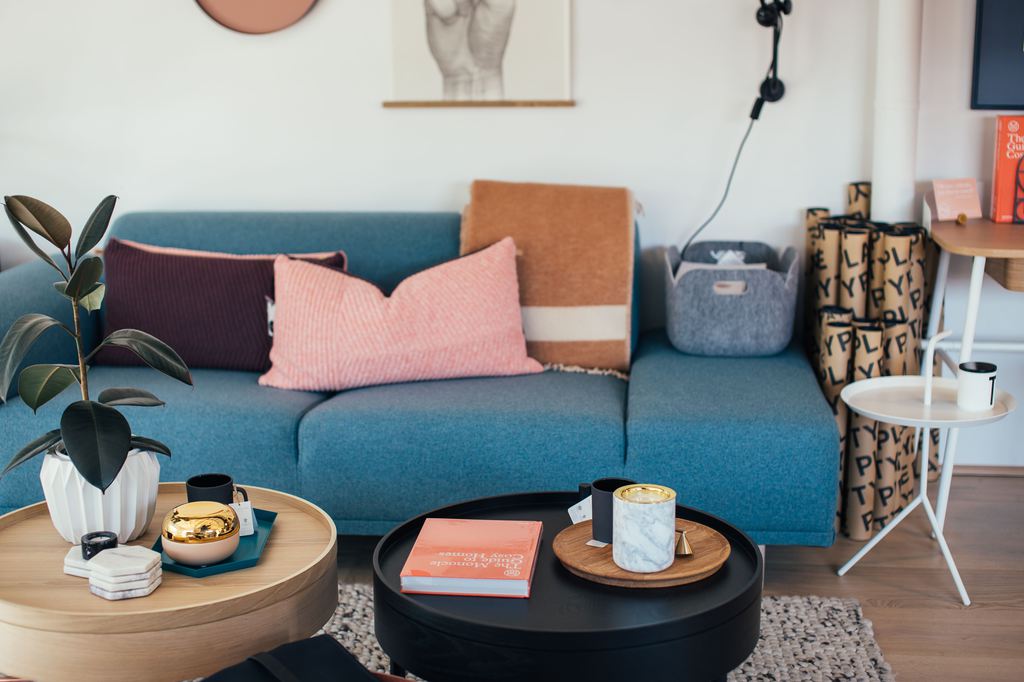
Introduction
A drum coffee table can create a strong focal point, hide everyday clutter, and soften the traffic path around a sofa. Its enclosed base can also make the same floor area feel heavier than a table with exposed legs. This guide explains the drum coffee table pros and cons that matter before buying: visual weight, room fit, sizing, storage, cleaning, and mobility. It will help you decide whether a drum-style base supports your living room or whether a lighter, legged design would work better.
Table of Contents
What Is a Drum Coffee Table?
If you are first determining what is a drum coffee table, the defining feature is its continuous base rather than simply a round tabletop. A drum coffee table has a round or nearly round top supported by a cylindrical, barrel-shaped, tapered, or fluted body. Unlike a conventional table, it usually does not display separate legs beneath the top.
“Drum” describes the table’s overall silhouette rather than its internal construction. The body may be structurally solid, hollow, or divided into drawers and hidden compartments. Some models also include lift tops or sliding doors.
The enclosed form gives a drum coffee table more visual presence than many legged designs. That can be useful when a large sectional needs a substantial centerpiece, but it can feel crowded when the surrounding furniture is already low, dark, and visually heavy.
Not Every Round Coffee Table Is a Drum Table
A round coffee table is defined by the shape of its top. A drum table is defined mainly by its base. A circular tabletop supported by three thin legs is round but not typically considered drum-style. A cylindrical table with an enclosed body qualifies even when the sides taper slightly or include vertical fluting.
Will a Drum Coffee Table Fit Your Room?
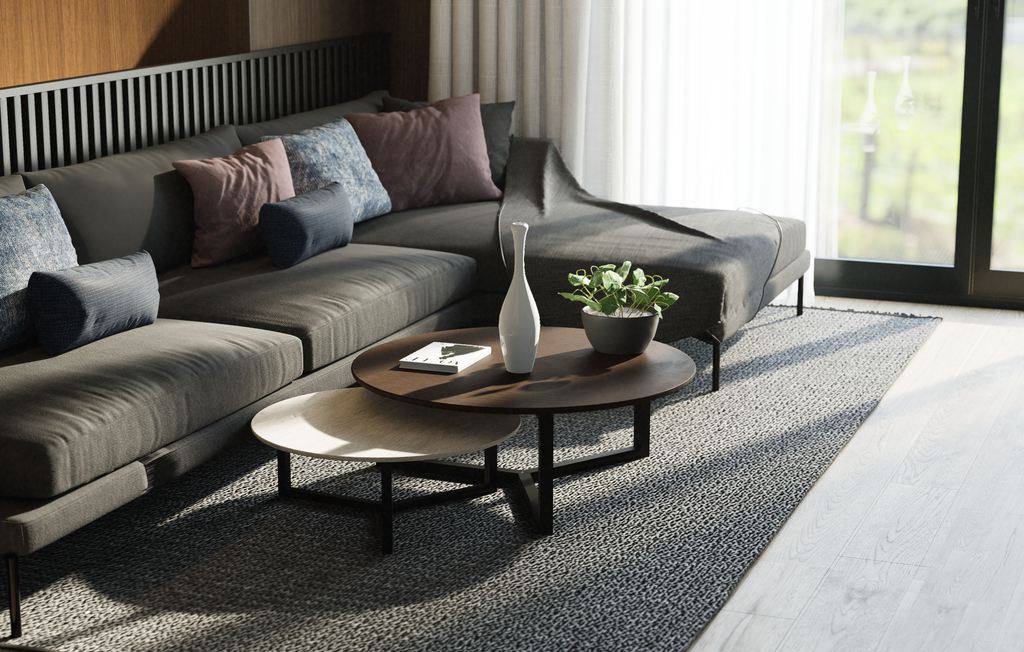
Understanding the drum coffee table pros and cons starts with separating physical footprint from visual footprint. A 36-inch drum table and a 36-inch legged table occupy similar floor space, but they do not look equally large. Exposed legs allow the floor and rug to remain visible, while an enclosed base creates a complete visual block.
A drum design is more likely to work when:
- The sofa or sectional is large enough to balance its volume.
- The room needs a rounded counterpoint to boxy furniture.
- Hidden storage matters more than open floor visibility.
- The table will remain in one position most of the time.
- The center of the seating area currently feels visually empty.
Use greater caution in narrow rooms, layouts with several solid-front cabinets, or spaces with very low sofas. A dark drum table placed between a low sectional and a wide media console may make the center of the room appear compressed, even when the walkway technically remains open.
Run a Physical and Visual Footprint Test
Mark the proposed tabletop diameter with painter’s tape. Then fill the enclosed base area with paper, cardboard, or a folded sheet so you can see the visual mass rather than only the outer measurement.
Complete five normal tasks:
- Sit down and stand up from each seat.
- Walk between the sofa and the main doorway.
- Reach the table from the outer sofa cushions.
- Fully extend any reclining footrest.
- Move a vacuum around the simulated base.
The table is too large when routine movement requires stepping sideways, the outer seats cannot reach it, or the enclosed center makes the room feel blocked from its main entrance.
What Size Drum Coffee Table Should You Choose?
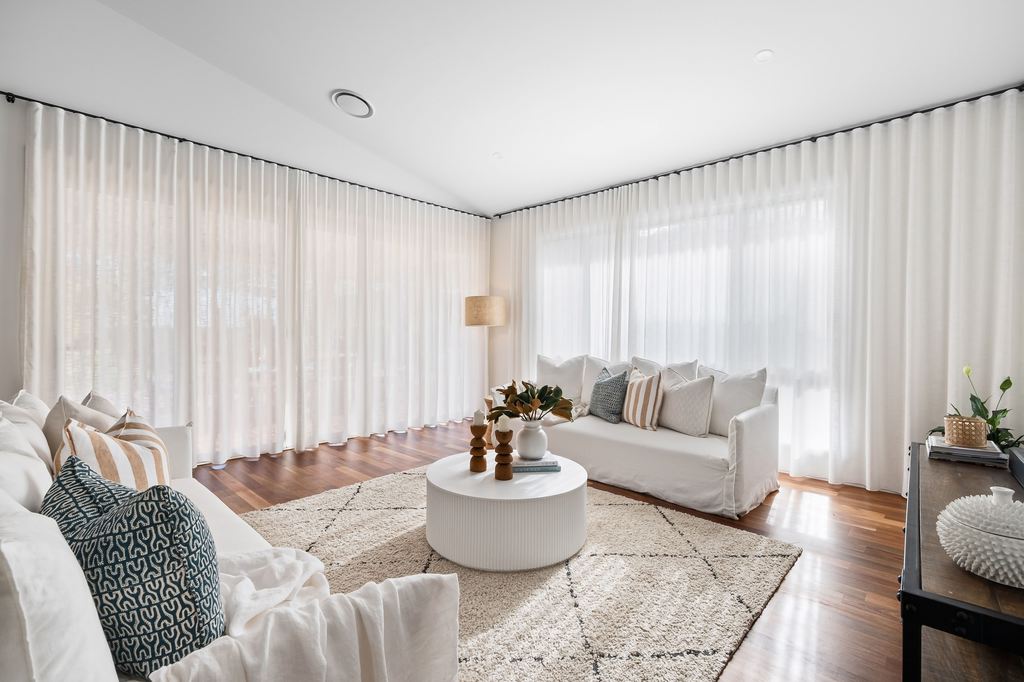
Begin with the sofa rather than a generic diameter. A drum coffee table should provide a useful surface without filling the entire open area inside the seating arrangement.
Use these measurements as starting points:
- Height: Keep the tabletop close to the sofa seat height or approximately 1–2 inches lower. A lift-top model may sit slightly lower when closed because its working surface rises during use.
- Sofa distance: Leave approximately 16–18 inches between the table and the front of the sofa for reach and leg movement.
- Main walkway: Preserve about 24–30 inches where people regularly pass the table.
- Overall scale: A table spanning roughly one-half to two-thirds of the primary sofa width usually looks balanced, but the enclosed base may justify choosing the smaller end of that range.
A more detailed coffee table size guide can help coordinate the table with seat height, sofa length, sectionals, and surrounding walkways.
Do not choose by diameter alone. Also check whether drawers can open toward the sofa, whether a lift top moves forward, and whether every seat can reach the surface without leaning across another person.
Drum Coffee Table vs Regular Coffee Table
The phrase “regular coffee table” can describe many designs. In this comparison, it means a coffee table with exposed legs rather than an enclosed drum-style body. When comparing a coffee table with legs vs solid base, focus on how the base changes daily use—not simply which silhouette looks more modern.
| Factor | Drum Coffee Table | Coffee Table With Legs |
| Visual weight | Grounded and substantial | Usually lighter and more open |
| Floor visibility | Covers most of its base area | Leaves more floor or rug visible |
| Storage | Easier to conceal inside the body | Usually requires drawers or a lower shelf |
| Cleaning | Clean around the perimeter | Clean underneath and between the legs |
| Mobility | Often heavier to reposition | Often easier to lift or slide |
| Rug placement | Creates one broad contact area | Individual legs may settle into thick pile |
| Style role | Functions as a focal point | Can remain visually understated |
| Legroom | No open toe space beneath the top | May offer space between the legs |
The central difference in a drum coffee table vs regular coffee table is therefore not round versus rectangular. It is enclosed mass versus visible floor.
Choose a drum table when you want the coffee table to anchor the seating area, conceal storage, or contrast with sofas and chairs that already have exposed legs. Choose a legged table when the room needs visual openness, easier floor access, or furniture that can be moved frequently.
Neither structure guarantees stability. A drum table with a narrow bottom can still tip or rock, while a well-built four-leg table may remain highly stable. Base width, product weight, tabletop overhang, joinery, and floor level all matter.
Choose the Right Material and Storage Type
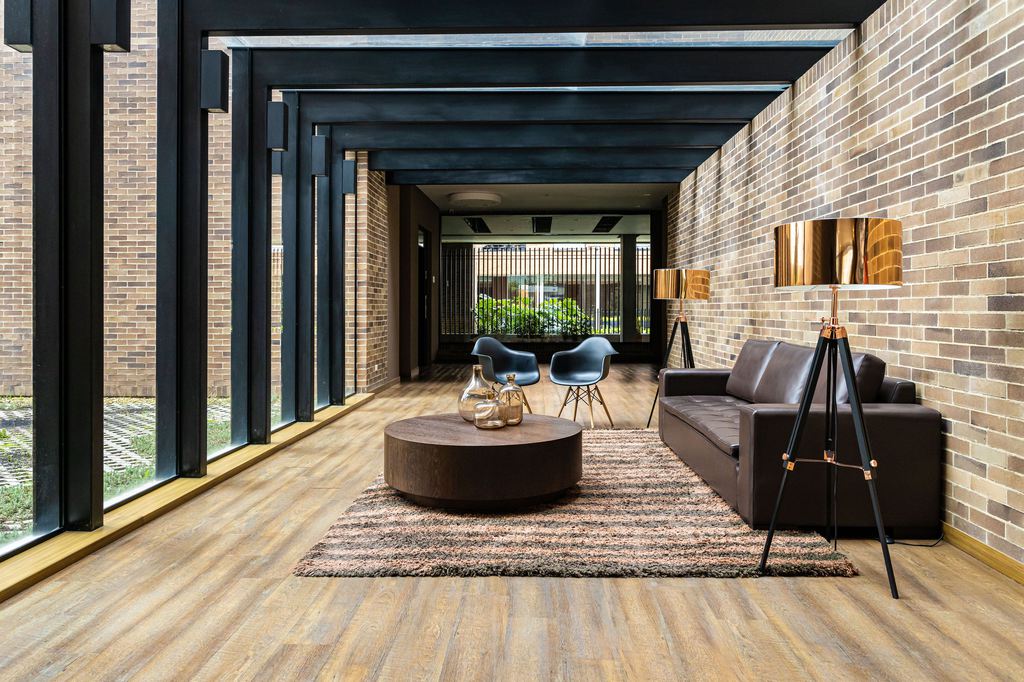
Material changes more than appearance. It affects how heavy the table is, how carefully it must be maintained, and whether the enclosed form suits an active family room. Storage design creates a second decision: the compartment must be accessible from the sofa without disrupting everything placed on the tabletop.
Match the Material to Daily Use
Wood and wood veneer add warmth and make a substantial base feel less industrial. Check whether the finish needs coasters, how exposed edges handle impact, and whether direct sunlight may alter the tone.
Stone and sintered stone create a cleaner architectural look and generally provide a firm serving surface. The completed table may be difficult to reposition, so verify product and package weights before delivery.
Metal can look lighter when it has a reflective or textured finish, even with an enclosed body. Consider fingerprints, dents, and the sound created when objects are placed directly on the surface.
Rattan or woven finishes reduce the visual severity of a drum silhouette. They can collect dust within the texture and may be less suitable for homes where pets scratch furniture.
Upholstered drum tables can double as ottomans, but drinks and laptops require a stable tray. Check stain care and whether the top is firm enough for the intended use.
Choose Storage by Access Pattern
Drawers work well for remotes, chargers, coasters, and other small objects used from the sofa. Lift tops offer deeper storage and can create a raised work or dining surface, but they need forward opening clearance. Removable lids provide broad access but require clearing the tabletop first.
Comparing different coffee table with storage types helps distinguish usable storage from capacity that is difficult to reach.
Check the opening direction before ordering. A drawer facing an unused side of a sectional may add storage on paper while remaining inconvenient every day.
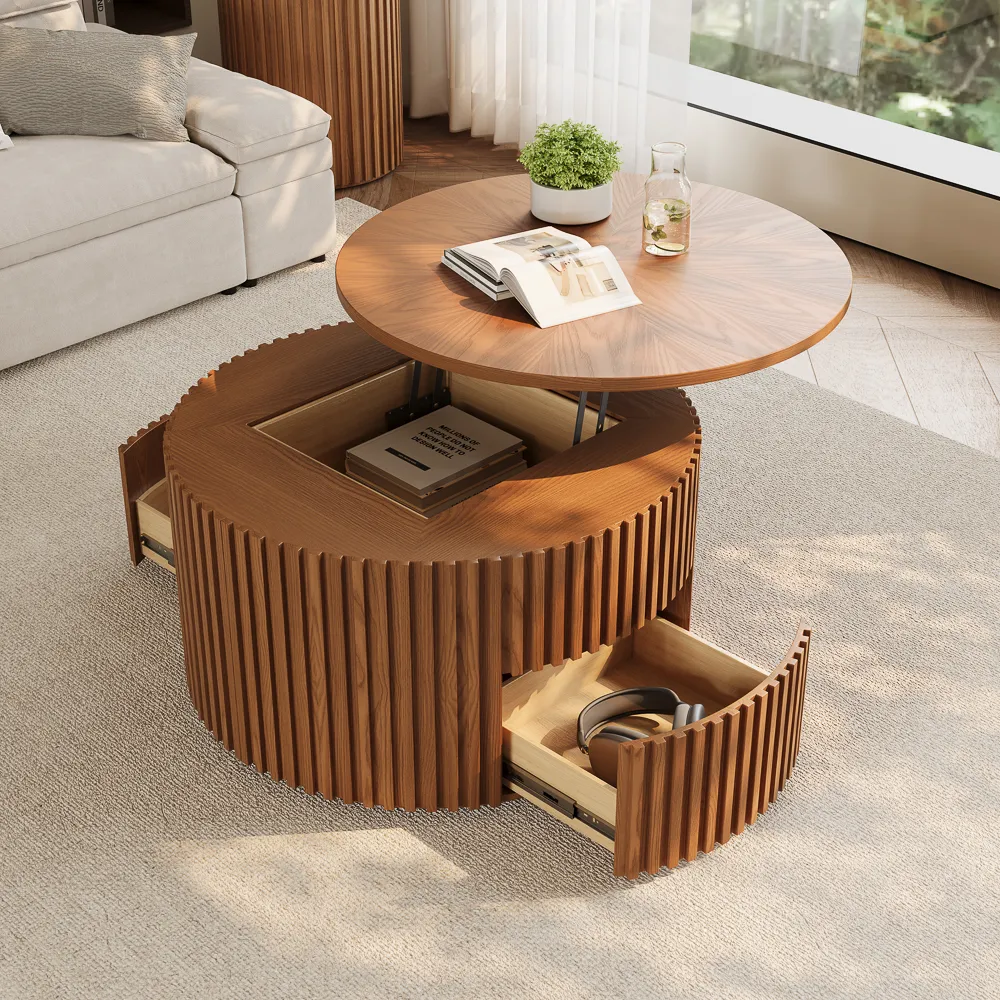
A compact living room that also serves as a workspace may benefit from the POVISON Silva Lifting Top Round Coffee Table. Its lift top rises to 23.2 inches for laptop or meal use, while hidden storage and two drawers keep smaller items organized. The walnut-colored fluted design arrives fully assembled, reducing setup after delivery.
Five Checks Before Buying a Drum Coffee Table
Product photos rarely show how an enclosed table behaves during delivery, cleaning, and normal use. Complete these checks before ordering:
- Measure the closed footprint. Mark the full diameter rather than estimating from the tabletop photo.
- Add opening clearance. Include the path of drawers, doors, or a lift top.
- Check product and package weight. A heavy table may require two people or in-room delivery.
- Inspect the base contact. Confirm that the entire base will sit on one level surface.
- Review assembly and care. Check whether the table arrives assembled and which cleaners the finish permits.
These checks also apply when learning how to choose a coffee table for your room, but weight and opening clearance deserve extra attention with enclosed storage designs.
Conclusion
The main drum coffee table pros and cons come from its enclosed base. It can anchor a large seating area, soften sharp furniture lines, and incorporate useful hidden storage. The same structure can reduce visible floor area, complicate moving, and feel heavy in a narrow room. Measure both the physical footprint and visual mass, then test storage access and normal traffic. Choose a drum table when its presence and capacity support the room; choose exposed legs when openness and flexibility matter more.
Q&A
Can Two Small Drum Tables Replace One Large Table?
Yes. Two smaller drum tables can serve an asymmetrical sectional or let one surface move closer to an accent chair. Keep their heights and finishes coordinated, and check their combined width. Avoid a narrow gap between them that traps cords, collects debris, or cannot accommodate a vacuum head.
Should a Drum Coffee Table Be Centered With the Sofa?
Not always. Centering works for a straight sofa and symmetrical seating plan, but a chaise sectional may require shifting the table toward the seats used most often. Prioritize comfortable reach from multiple seats and a clear walkway rather than aligning the table precisely with the sofa’s midpoint.
Can You Sit on a Drum Coffee Table?
Only when the manufacturer specifically rates the table for seating. A wide enclosed base may look strong, but the tabletop, internal frame, hinges, or storage components may not support a person. Never sit on a lift-top model while its mechanism is raised, and verify the stated weight capacity before using it as extra seating.
How Do You Protect Floors Under a Drum Table?
Use non-staining felt or rubber pads approved for the flooring material, especially beneath a heavy wood, stone, or metal table. Check the pads periodically because dust trapped underneath can scratch hardwood. Avoid dragging the table; lift it with adequate help, and confirm that protective pads do not make the base uneven.
Can an Indoor Drum Coffee Table Be Used Outdoors?
Only when the manufacturer identifies it as outdoor-rated. Indoor engineered wood, veneer, upholstery, metal hardware, and some stone finishes can be damaged by moisture, temperature changes, or prolonged sunlight. A covered patio is not automatically safe because humidity, condensation, and wind-driven rain can still reach the table.


