 By Stephanie

A couch that feels too hard, sinks too deeply, or leaves your back unsupported can make everyday sitting frustrating. Fortunately, learning how to make a couch more comfortable doesn’t always mean replacing it. Sometimes, repositioning cushions or adding a footrest is enough. Other problems require changes to the seat padding or internal support. The key is identifying what actually feels wrong before buying accessories or making repairs. This guide explains six practical fixes, how to test whether they work, and when your couch’s design may be limiting your comfort.
Table of Contents
Why Does Your Couch Feel Uncomfortable?
If you’re wondering, “Why is my couch so uncomfortable?” start by noticing where the discomfort occurs. A firm seat, a sagging cushion, and an awkward sitting position may feel equally unpleasant, but they require different solutions.
Remove extra pillows and sit in your usual position. Check how your hips, back, and legs are supported, then compare the seat with a less-used section of the couch.
| What You Notice | Possible Cause | What to Check First |
| Seat feels too hard | Firm foam or insufficient surface padding | Does the cushion rebound evenly? |
| You sink too deeply | Worn foam or weakened seat support | Does the cushion remain indented after standing? |
| Your back lacks support | Backrest position or excessive seat depth | Can your back and feet stay supported together? |
| Your feet hang above the floor | Seat height or depth mismatch | Can you sit upright without sliding forward? |
| You cannot stretch out comfortably | Insufficient leg support | Is there room for a stable footrest? |
| Upholstery feels uncomfortable | Rough or irritating surface texture | Does a soft fabric layer improve the feeling? |
A couch that feels too deep deserves particular attention. If you must slide forward to put your feet on the floor, fixing a couch that is too deep may require adjusting the back support rather than adding more seat padding.
How to Make a Couch More Comfortable: 6 Practical Fixes
Start with adjustments you can reverse before opening cushions or replacing materials. A removable pad may improve a firm seat, while a stable back cushion or footrest can correct an awkward sitting position. Choose the method that matches your diagnosis, and test each change separately so you can tell what actually improves comfort.
1. Fluff and Rotate Loose Cushions
Cushions containing fiber or feather blends can become uneven when the filling collects in certain areas. If one corner looks flat while another feels overstuffed, remove the cushion and gently work the filling back toward the center.
For removable seat cushions, rotate their positions when the sofa’s design allows it. This helps distribute everyday wear rather than concentrating pressure on one favorite seat. Flip cushions only if both sides are intended for sitting.
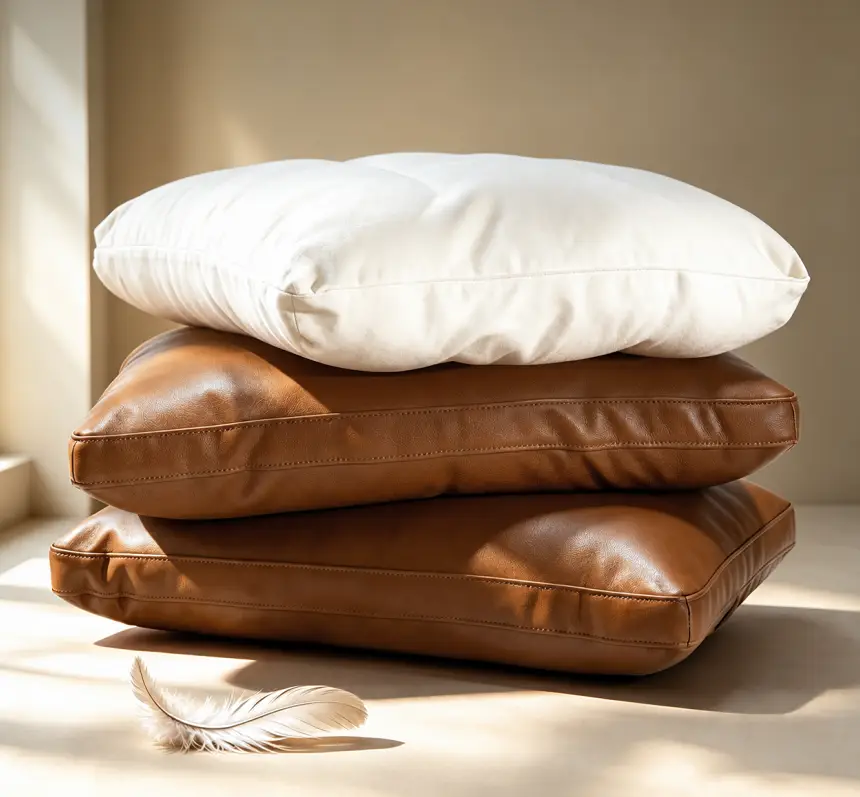
2. Add Padding to a Seat That Feels Too Firm
If your couch feels supportive but uncomfortable at first contact, a thin, removable layer may help. Making a couch softer without losing support works best when the existing foam still rebounds evenly.
Try a thin seat pad that covers your usual sitting area without bunching or sliding. If the extra cushioning doesn’t reduce the pressure you feel, avoid stacking additional layers. The discomfort may be coming from the seat structure or your sitting position rather than the surface.
3. Adjust Back Support Instead of Adding More Pillows
A couch may have comfortable seat cushions but still feel awkward because the backrest doesn’t support your torso properly.
Sit with your hips toward the back of the seat. If there is a noticeable gap between your lower back and the backrest, try a firm lumbar cushion. Position it where the gap occurs, rather than placing it randomly behind your shoulders.
For a deep couch, a broader back cushion may work better than several small decorative pillows. It should support more of your torso without forcing your lower back forward.
If you still find yourself leaning forward or shifting sideways after adding back support, check whether the cushion is too thick or positioned too high. It should fill the unsupported area without pushing your torso out of a natural sitting position.
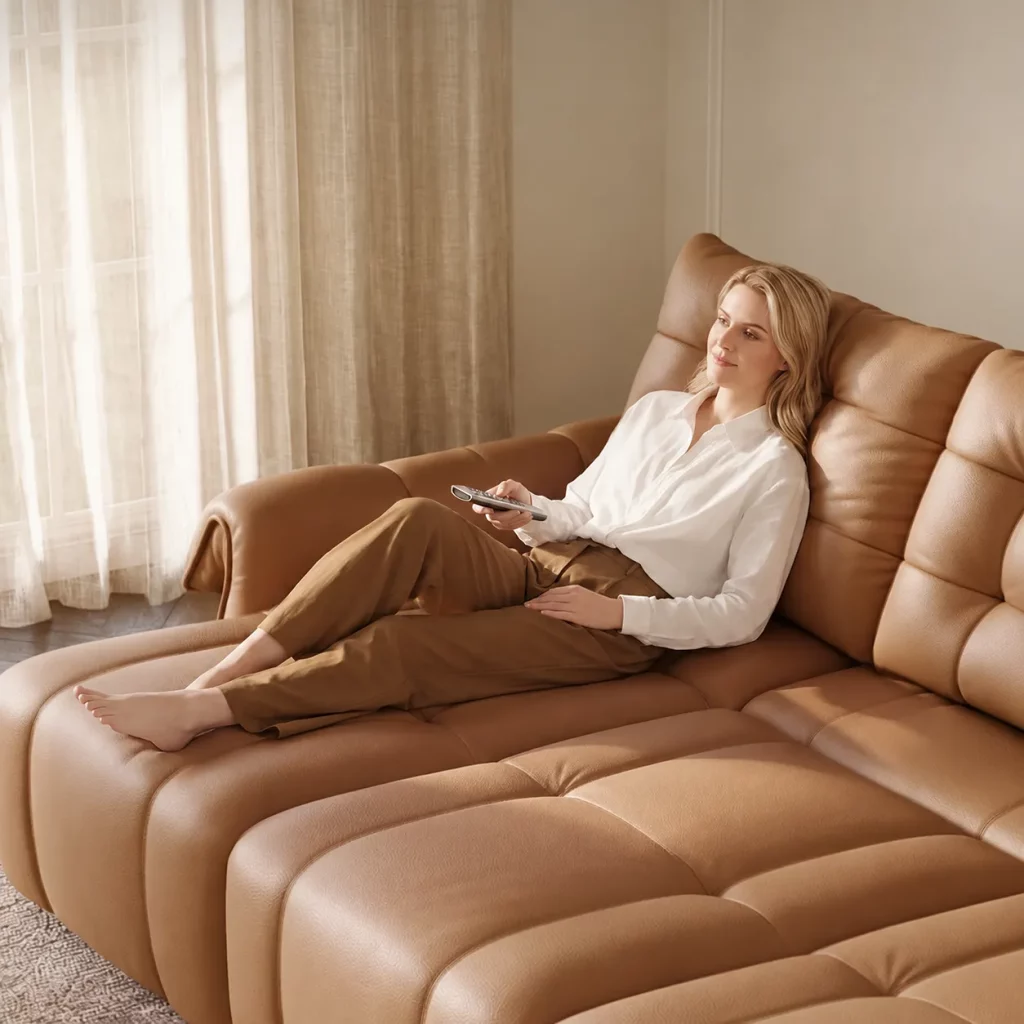
4. Give Your Legs a Stable Place to Rest
Sometimes the seat itself feels comfortable, but there is nowhere to stretch your legs.
A footrest or ottoman can help when you prefer reclining in the living room without lying across the entire couch. Position it directly in front of your usual seat and test whether your calves can rest comfortably without stretching your knees or sliding your hips forward.
For example, someone who spends an hour reading after work may enjoy having their legs supported, even though the same couch feels fine during a short conversation.
Choose an ottoman that stays stable on your flooring. Its surface should also support your legs without forcing them into an awkward upward angle.
Remember that a footrest changes leg support, not the couch’s actual seat depth or backrest position.
5. Soften Uncomfortable Upholstery Contact
Not every comfort problem comes from cushion firmness. Some upholstery feels rough against bare skin, while certain materials may feel unpleasant in warmer or cooler conditions.
If the seat supports your body well but the surface feels uncomfortable, try a breathable cotton throw or a soft, fitted sofa cover. Place it over the areas that regularly contact your arms, legs, or back.
For everyday use, choose a fabric that can be cleaned according to its care instructions and won’t slide whenever you stand up.
This adjustment works best for surface discomfort. A blanket may change how upholstery feels, but it won’t correct a flattened cushion or a weakened seat base.
6. Refresh Worn Cushion Inserts When Simple Fixes Fail
If a removable cushion stays flattened after fluffing and rotation, check whether the problem is inside the cushion or beneath it.
Place the cushion on a firm, level surface. If it still compresses excessively or stays visibly dented, ask an upholstery professional about replacing the insert. If it feels supportive off the sofa but sinks when reinstalled, the underlying seat support may need inspection instead.
Avoid adding more filling until you know which component has failed. A new insert cannot correct a damaged spring or weakened seat base.
How Can You Tell Whether a Comfort Fix Actually Works?
A couch may feel better immediately after adding a cushion, but that doesn’t mean the adjustment will remain comfortable throughout the day. The most useful test is whether it solves your original problem without creating another.
Change one thing at a time, then repeat the activity that first made you uncomfortable.
- Upright sitting: Read for 15–20 minutes. Can you keep your back supported and your feet on the floor without sliding toward the front edge?
- Lounging: Rest your legs as you normally would. Does the footrest stay in place, or do you need to reposition it repeatedly?
- Getting up: Stand from the seat several times. Does the extra padding make the couch feel too high or unstable?
For example, a lumbar pillow may close the gap behind your back but push you too far forward on the seat. In that case, it has replaced one discomfort with another.
A successful adjustment should feel natural during regular use, with less need to rearrange cushions or change positions. If you keep making the same corrections, reconsider whether the couch’s dimensions or design are the underlying problem.

When Are Cushions and Accessories Not Enough?
Not every uncomfortable couch needs replacing, but repeated adjustments can become costly without improving everyday use. Once you’ve identified the problem and tested the simplest fixes, consider whether further repairs are worth the investment.
- Check the repair cost: If a cushion or support component needs professional work, request an estimate before purchasing more materials. Compare the cost with the couch’s overall condition and remaining useful life.
- Review your warranty: Before opening upholstery or modifying internal parts, check whether the issue may be covered by the manufacturer’s warranty. Unauthorized alterations could affect coverage.
- Consider your daily routine: If the couch is structurally sound but still requires several pillows or frequent furniture rearrangement to accommodate your activities, the problem may be its design rather than a repairable defect.
These distinctions help you avoid spending money on adjustments that cannot address the underlying limitation.
When Is a Power Sofa Bed a Better Alternative?
A power sofa bed becomes worth considering when your existing couch is still supportive, but accommodating different activities requires constant adjustments. For example, you may prefer sitting upright during family conversations but need more room to stretch out while watching TV. A separate ottoman can help, although repeatedly moving it may be inconvenient in a shared living room.
For households with changing seating needs, the Aurora Modern Power Sofa Bed offers a powered seat that adjusts from 27 to 45.5 inches. You can extend the seating surface when you want to stretch out, then retract it when you need more floor space. High-resilience foam provides cushioning across the adjustment range without requiring additional seat pads.
A power sofa bed is an alternative for changing seating needs, not a remedy for damaged cushions or broken support structures.

Aurora Electric Sofa Bed
A practical upgrade for those who switch between sitting and lounging, offering more room to stretch out without constantly rearranging cushions or a footrest.
Conclusion
Learning how to make a couch more comfortable is less about adding cushions and more about finding an improvement that lasts through everyday use. Start with changes you can reverse, then check whether you can sit, get up, and lounge without constantly adjusting your setup. If the problem comes from worn materials, address the affected component rather than covering it with more padding. When the couch is structurally sound but still doesn’t accommodate your routine, a different seating configuration may be worth considering.

When Cushion Fixes Aren’t Enough
Explore power sofa beds with adjustable seating for comfortable sitting and lounging, without constantly rearranging pillows or footrests.
Frequently Asked Questions
Can a Sofa Topper Make the Seat Too High?
Yes. A thick topper can make it harder to keep your feet flat on the floor. Before buying, fold a blanket to approximately the same thickness and test your sitting position. If your feet dangle or standing becomes awkward, choose a thinner pad.
Can Two People Make the Same Couch Comfortable?
Yes, if their preferences can be accommodated with individual cushions or removable supports. For example, a shorter person may need firmer back support while a taller person prefers the full seat depth. If both regularly need different lounging positions, independently adjustable seating may be more practical.
Can I Put a Support Board Under a Recliner?
Not without manufacturer approval. A rigid board may obstruct moving components or interfere with the reclining mechanism. If the seat is sagging, inspect it according to the manufacturer’s instructions or consult a qualified repair professional rather than adding support beneath the mechanism.
What if My Couch Cushions Are Attached?
Use removable seat pads or external back support rather than opening attached cushions yourself. Check for manufacturer-designed access points before attempting repairs. If the filling has collapsed, an upholsterer can assess whether it can be replaced without damaging the cover or affecting your warranty.


