 By Kelvin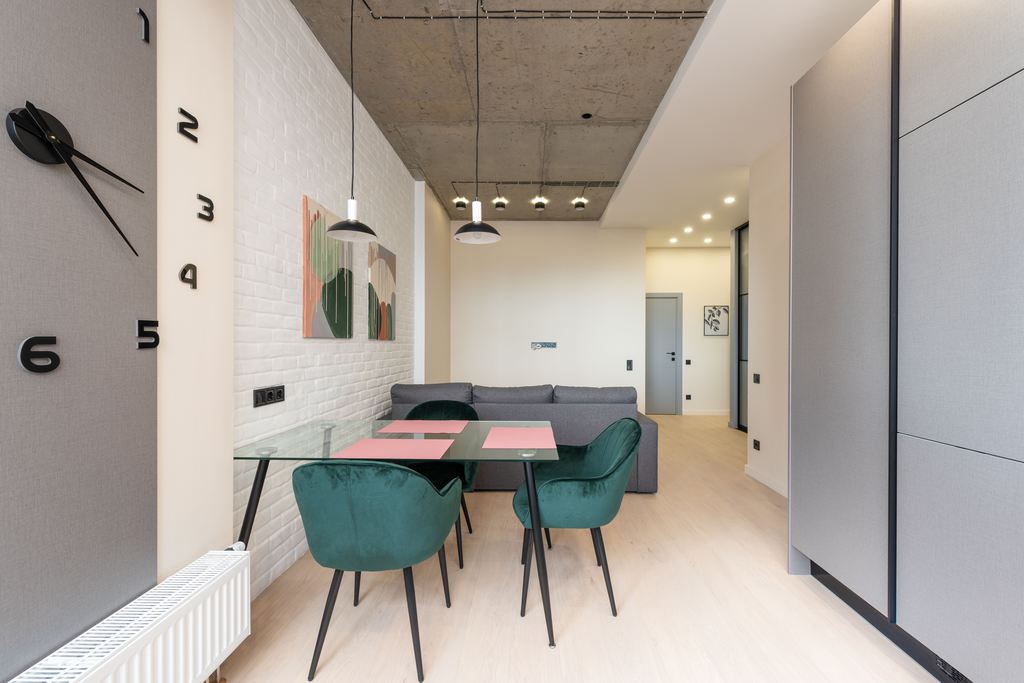
Introduction
A dining table against wall layout can make a small dining area easier to use, but only when the table, seating, and remaining walkway work together. The main question is not whether a table is “allowed” to touch a wall; it is whether doing so improves your everyday layout without making seats difficult to reach. Below, you’ll learn when wall placement works, how to measure the usable space, which table shapes make sense, and what to check before choosing a table for a compact dining area.
Table of Contents
What Does Putting a Dining Table Against a Wall Mean?
Putting a dining table against a wall generally means removing circulation or seating from one side of the table so the remaining floor area can be used more efficiently. The tabletop may sit very close to the wall, or the wall-facing side may accommodate a bench instead of a normal pull-out chair.
Common versions include a rectangular table with one long edge near the wall, a table pushed into a corner, and a dining nook where fixed or movable seating sits along the wall.
The important distinction is between intentional wall placement and simply squeezing an oversized table into a room. A successful layout should give something useful back: a clearer walkway, more open living space, or enough room for another function nearby.
That makes this arrangement particularly relevant in apartments and combined kitchen-dining areas where every extra foot of circulation matters.
When Does a Dining Table Against a Wall Work Best?
A dining table against wall arrangement works best when sacrificing access on one side creates more useful space somewhere else. Before changing the layout, consider who uses the table every day, which seats need frequent access, and whether people regularly pass through the dining zone.
Small Dining Rooms
In a narrow room, centering a table can leave two undersized passages instead of one comfortable one. Moving the table toward a wall can consolidate the available floor space into a more usable route.
This works particularly well for households that use only two or three seats most days. The wall side can remain unused until extra seating is needed.
If your main problem is simply finding furniture that fits, these small dining table ideas for limited spaces provide additional size and shape considerations.
Apartments and Eat-In Kitchens
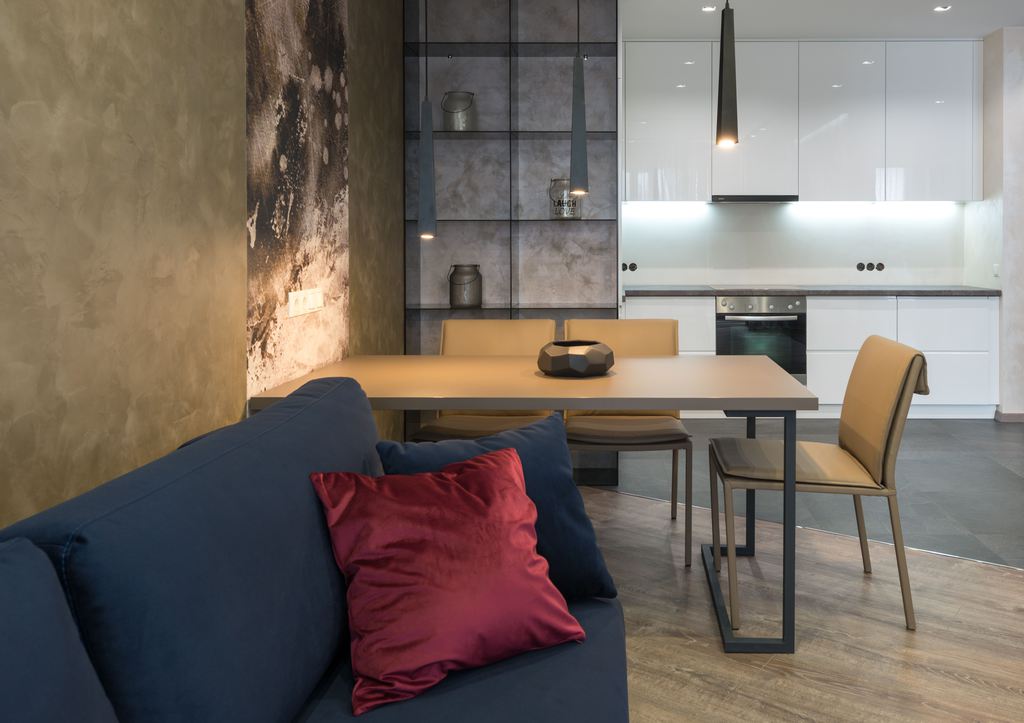
Wall placement is useful when the dining area shares space with kitchen cabinets, an island, or an entry route. Instead of trying to preserve circulation on every side of the table, decide which path people actually use.
For example, a couple in a one-bedroom apartment may keep two chairs on the open side of a four-person table and pull the table away from the wall only when friends come over. That can be more practical than permanently dedicating floor space to four accessible seats.
Multipurpose Rooms
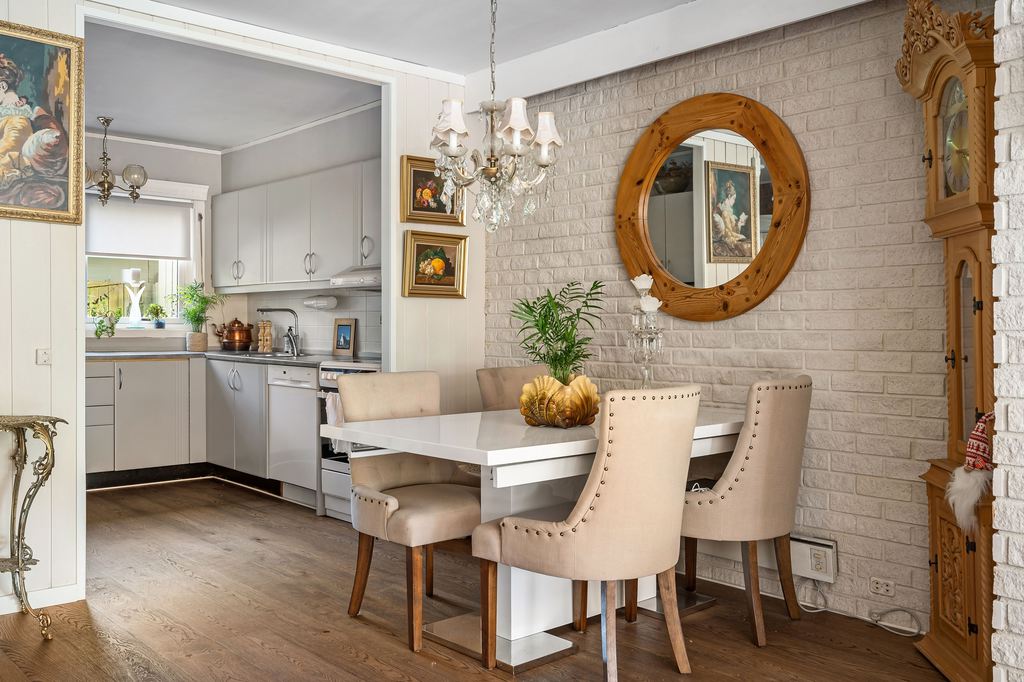
A living-dining room may need room for a sofa path, work area, or children’s play space as well as dining. Moving the table closer to a wall can create a clearer boundary between functions without adding another piece of furniture.
The tradeoff is flexibility. If every seat is occupied daily, repeatedly moving the table may become inconvenient.
How Much Space Do You Need Around a Dining Table Against a Wall?
Measure from the table edge, not from the center of the room. A common planning baseline is about 36 inches where chairs need to pull out and people need to move; busier paths often benefit from additional clearance. Povison’s existing guidance on dining table clearance requirements explains the broader measurement method for tables surrounded by seating.
A wall-side layout changes that calculation because every edge does not perform the same job.
| Area around the table | Practical planning target | Why it matters |
| Unused table edge beside wall | Minimal gap may work | No chair or walkway needs to fit there |
| Side with pull-out chairs | About 36 in. | Allows normal chair movement |
| Regular walking route | About 42–48 in. when possible | Helps people pass seated diners |
| End used occasionally | Depends on chair depth | May function with less everyday circulation |
| Extension area | Full extended-table footprint | Prevents an extension from blocking the room |
Do not automatically push the tabletop flush against the wall. Baseboards, outlets, curtains, chair rails, and tabletop overhang can all create a small gap.
Also measure with the chairs you plan to use. A slim side chair and a deep upholstered armchair can create very different circulation requirements even with the same table.
One useful test is to mark the table footprint on the floor with painter’s tape, place an existing chair where the new one would sit, and walk through the room while the chair is pulled out.
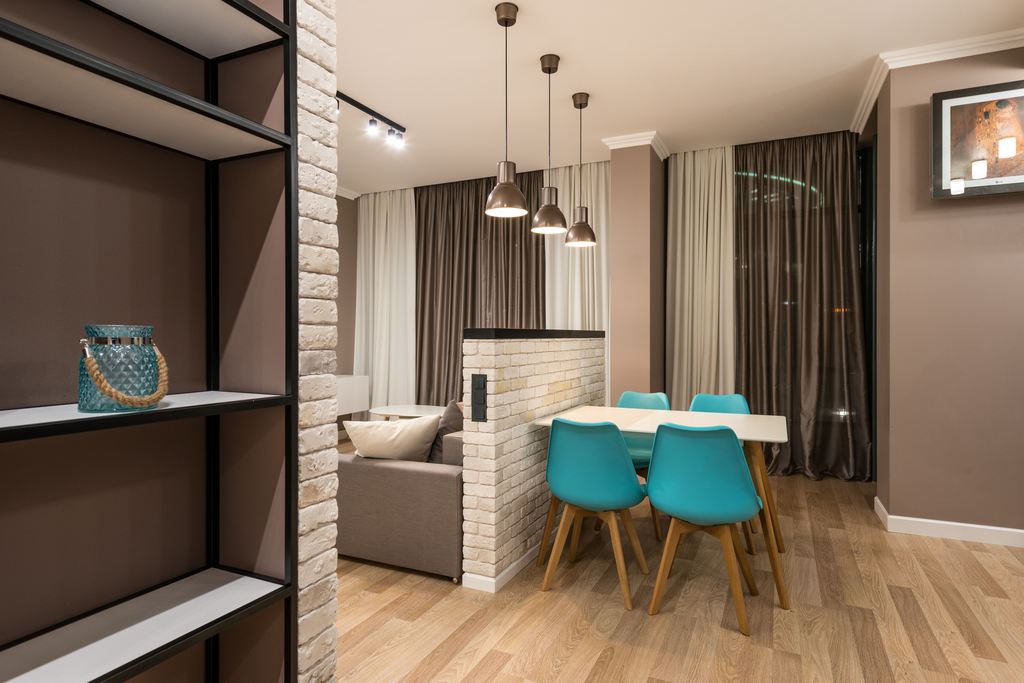
What Dining Tables Work Best Against a Wall?
There is no single shape that works in every wall-side arrangement. Match the table to the geometry of the usable floor area rather than choosing solely by seating capacity.
| Table type | Works especially well for | Watch for |
| Rectangular | Long walls and narrow rooms | Depth can consume too much walkway |
| Round | Corners and compact open areas | Curved edge does not sit flush to a wall |
| Oval | Softer circulation routes | Usually needs more floor length |
| Extendable | Small daily household plus occasional guests | Needs room to extend and reposition |
| Pedestal | Flexible chair placement | Base width can still affect feet and knees |
A rectangular table usually makes the most efficient use of a straight wall because its edge can follow the room’s geometry. Round tables are more useful when the goal is improving circulation through an awkward corner rather than maximizing wall contact.
If you are still deciding between shapes, round vs. rectangular dining table comparison covers seating, room shape, and traffic flow in more detail.
For a long wall where a rectangular footprint makes sense, the Hobart Rectangular Sintered Stone Dining Table gives buyers several table-size options rather than forcing one large footprint. Its rectangular top works naturally with linear rooms, while the easy-care sintered-stone surface suits a dining area that also handles breakfast, homework, or everyday spills.
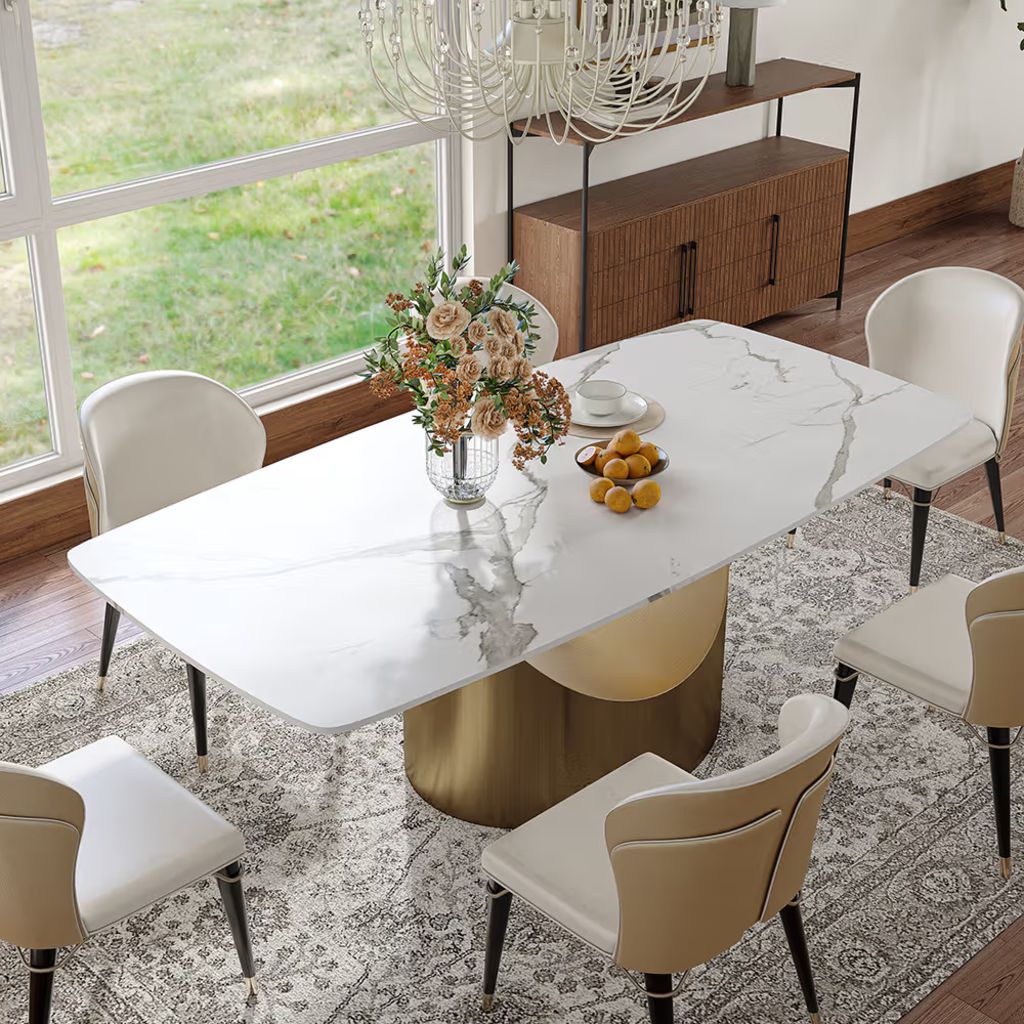
Hobart Rectangular Sintered Stone Dining Table
Flexible rectangular sizing for wall-side dining and everyday family use.
✨ Multiple table size options
✨ Easy-care sintered stone surface
✨ Straight edge suits wall layouts
How to Make a Dining Table Against a Wall Look Intentional
The strongest dining table against wall ideas make the arrangement read as a planned dining zone rather than temporary furniture storage. You do not need to fill the wall with decoration; instead, give the table and wall a clear visual relationship.
A pendant centered over the table can define the eating area even when the furniture itself is off-center in the room. Wall art can serve the same purpose, but size it to the table rather than to the entire wall.
Seating can also make the placement feel deliberate. A bench along the wall creates a dining-nook effect and removes the need to pull chairs backward into a solid surface. It works particularly well when children or occasional guests use that side, though adults who need to slide along a long bench may find individual chairs easier.
A rug is optional. In very tight rooms, leaving the floor uncovered can actually simplify chair movement and avoid adding another boundary to an already small space.
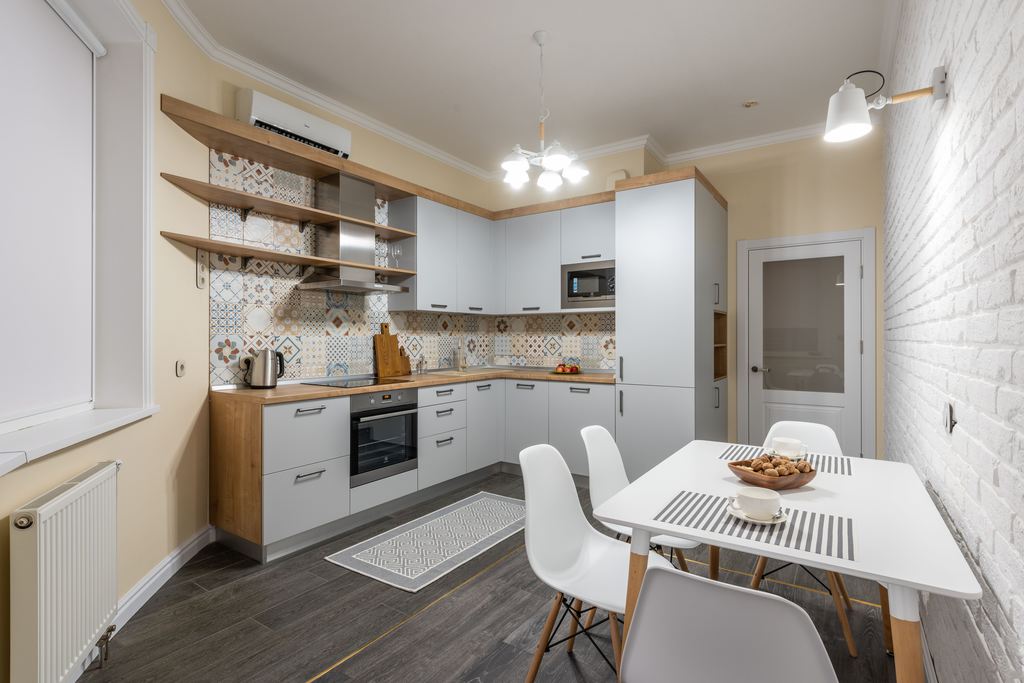
Common Mistakes When Placing a Dining Table Against a Wall
Wall placement saves usable floor area only when the remaining layout still functions. Before buying or moving the table, check these four common problem areas:
- Choosing a table that is too deep. Reducing space on one side does not compensate for a tabletop that leaves an undersized passage on the other.
- Measuring the table but not the chairs. Deep seats, arms, or angled backs increase the real footprint once someone is seated.
- Ignoring the table base. A base or leg positioned where the occasional wall-side seat needs to go can make that seat unusable.
- Forgetting the hosting layout. An extendable or movable table needs enough room to reach its larger configuration.
A dining room table against wall placement can work beautifully for two people during the week yet fail when six people arrive Saturday evening. Measure both the everyday position and the full-use position before deciding that the room fits a larger table.
Conclusion
A dining table against wall can be a practical solution when it creates a wider walkway or makes a small room serve more than one purpose. Start with the everyday seating you actually need, then measure the table, pulled-out chairs, and important circulation paths together. Rectangular tables tend to work naturally along straight walls, while round and extendable designs solve different space constraints. The goal is not simply to push furniture aside, but to choose a layout that remains comfortable when people sit, move, and gather around it.
Find the Right Dining Table
Explore designs for different room sizes, layouts, and everyday needs.
FAQs
Can four people use a table placed against a wall?
Yes, if all four seats remain reasonably accessible. A practical four-person setup often uses two seats along the open side and one at each end. If someone must regularly squeeze behind another diner to reach a chair, the layout is better suited to occasional guests than everyday family dining.
Should the table stay against the wall all the time?
Not necessarily. If you only need two or three seats most days, keeping the table near the wall can free up floor space. For larger meals, choose a table light enough to reposition safely and confirm that the room has enough open area to use all seats once it is moved.
What chair style works better with a wall-side dining table?
Armless chairs are usually easier to maneuver in tight layouts because they need less side clearance and can tuck farther under the tabletop. Avoid oversized upholstered chairs if the main walkway is narrow. Measure the chair at its widest point, not just the seat width, before deciding how many can fit comfortably.
Can I place a dining table in front of a window?
Yes, provided the tabletop and seating do not block a door, radiator, floor vent, or window you regularly need to open. Also check curtain length. Fabric hanging behind diners can interfere with chairs or touch food, so blinds or shorter treatments often work better in compact window-side dining areas.
Will a wall-side dining table damage the wall?
Frequent contact can leave scuffs, especially behind chairs or benches. Leave a small gap where possible and use washable wall paint, discreet bumpers, or a chair rail in high-contact areas. For a rental, non-permanent protection is safer than adding fixed panels or hardware without checking the lease.


[…] highchairs, toy baskets or a pet bed might live. In an open-plan space, you might keep the table tucked against a wall on weekdays, then rotate it ninety degrees into the room and pull out hidden leaves when guests arrive. In my […]
[…] tables win when the room is long and narrow, or when you need to push one side against a wall. A table against the wall with a bench on that side is one of the most space-efficient dining […]
[…] understanding about round layouts: chairs don’t tuck completely under the way they do with a rectangular table against a wall. A pedestal base helps here because there’s no center leg to prevent a chair from being […]