 By Kelvin
Introduction
If you like bright, calm rooms but worry they may look too plain, this guide will help you use modern scandinavian interior design in a warmer, more livable way. The style is not just white walls, pale wood, and fewer objects. It works best when clean furniture, useful storage, soft textures, and natural materials support daily life. This article explains how to choose the right colors, furniture, room layout, and details so your home feels simple without becoming cold or empty.
Table of Contents
What Is Modern Scandinavian Interior Design?
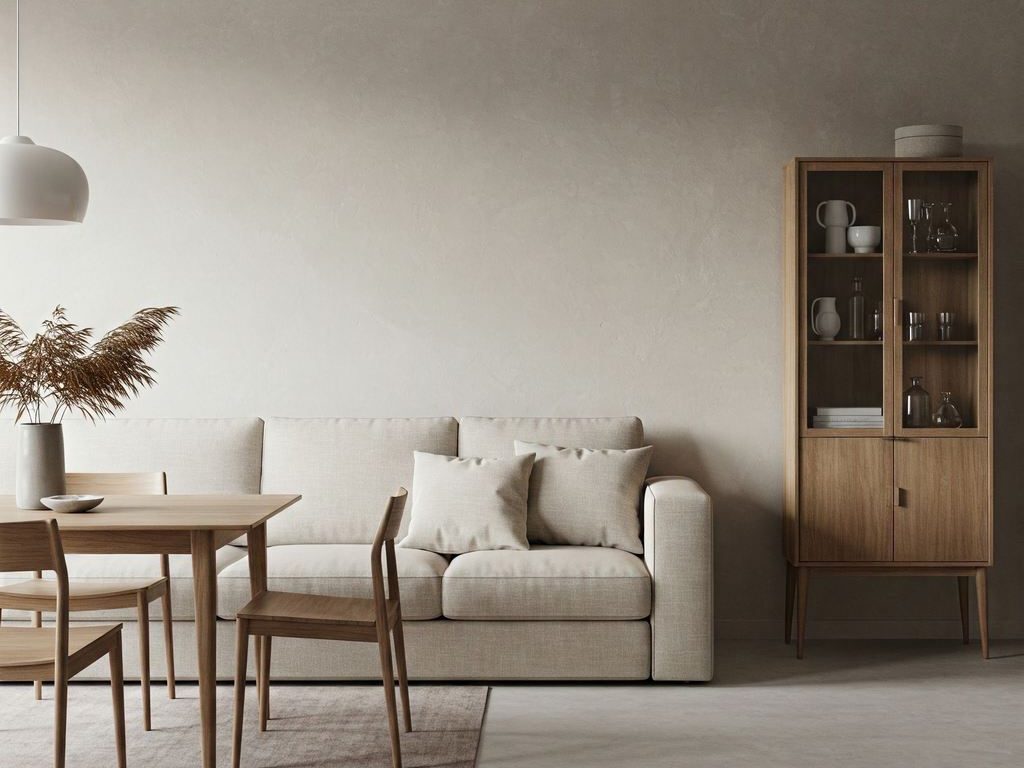
Modern scandinavian interior design is a clean, functional, and warm approach to home styling. It favors light, natural materials, simple furniture shapes, and rooms that feel easy to use. The goal is not to remove personality. The goal is to reduce visual noise so comfort, light, and useful furniture can stand out.
A good Scandinavian home usually includes:
- Light or warm neutral walls
- Wood furniture with simple shapes
- Comfortable seating without heavy ornament
- Closed storage that hides daily clutter
- Natural textures such as linen, wool, cotton, leather, stone, and wood
- Soft lighting instead of one harsh overhead light
The biggest mistake is treating Scandinavian style as pure minimalism. Scandinavian home interior design should still feel lived in. A sofa can have throw pillows. A dining table can have a ceramic bowl. A TV stand can hold remotes and devices, as long as the room still feels visually calm.
How Is Scandinavian Different From Similar Styles?
Many modern decorating styles use neutral colors, wood, and clean lines, so they can look similar at first. The difference is in the mood, furniture shape, material mix, and how much visual weight the room can handle. Use this comparison before buying large pieces, especially a sofa, dining table, or TV stand.
| Style | What Feels Similar | Key Difference | Best Fit |
| Scandinavian | Light colors, wood, function, calm rooms | Brighter, softer, and more casual than many minimal styles | Homes that need warmth, light, and everyday comfort |
| Japandi | Natural materials, low clutter, neutral palette | Lower, quieter, earthier, and more restrained | People who like grounded, Zen-like rooms |
| Minimalist | Clean lines and few objects | Can feel cooler and more reduced | Rooms where visual simplicity matters most |
| Mid-century modern | Wood, function, low profiles | Stronger retro shapes, richer wood, bolder silhouettes | Homes that need more character and vintage energy |
| Organic modern | Neutral tones and natural textures | More sculptural, earthy, and curved | Softer modern spaces with heavier texture |
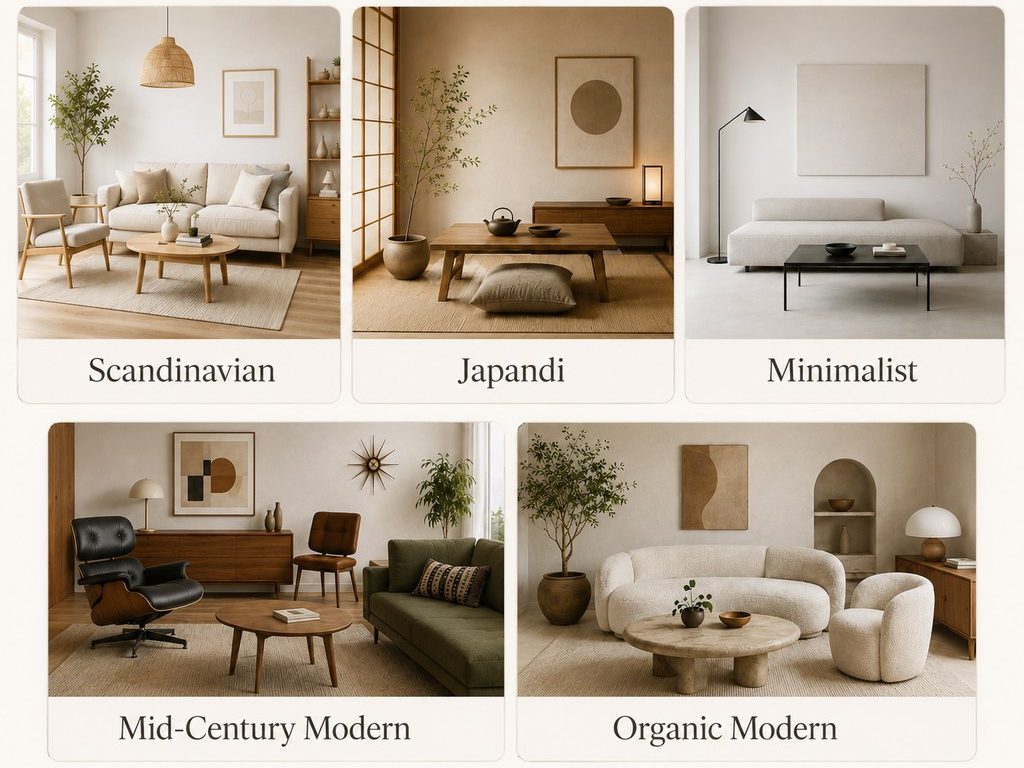
If you want a bright room that feels practical, soft, and easy to maintain, Scandinavian modern interior design is usually the safer direction. Choose Japandi if you want more stillness and deeper tones. Choose mid-century modern if you want stronger statement furniture and warmer wood character.
How Do You Choose Modern Scandinavian Furniture by Room?
Furniture carries most of the style in a Scandinavian home. Wall color and decor help, but the room will not feel balanced if the main pieces are bulky, glossy, or hard to use. The best approach is to choose furniture by room function: comfort for the living room, easy movement for the dining room, softness for the bedroom, and storage for small or open spaces.
Living Room
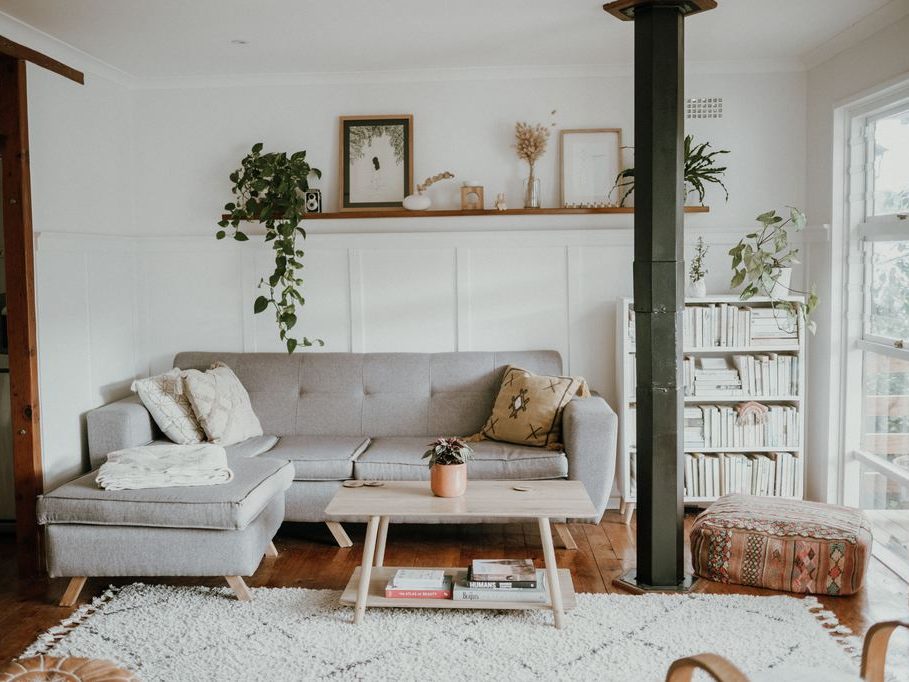
A scandinavian style living room should feel open, comfortable, and easy to reset at the end of the day. Start with a neutral sofa, then add a low coffee table, a soft rug, warm lighting, and a streamlined TV stand with closed storage.
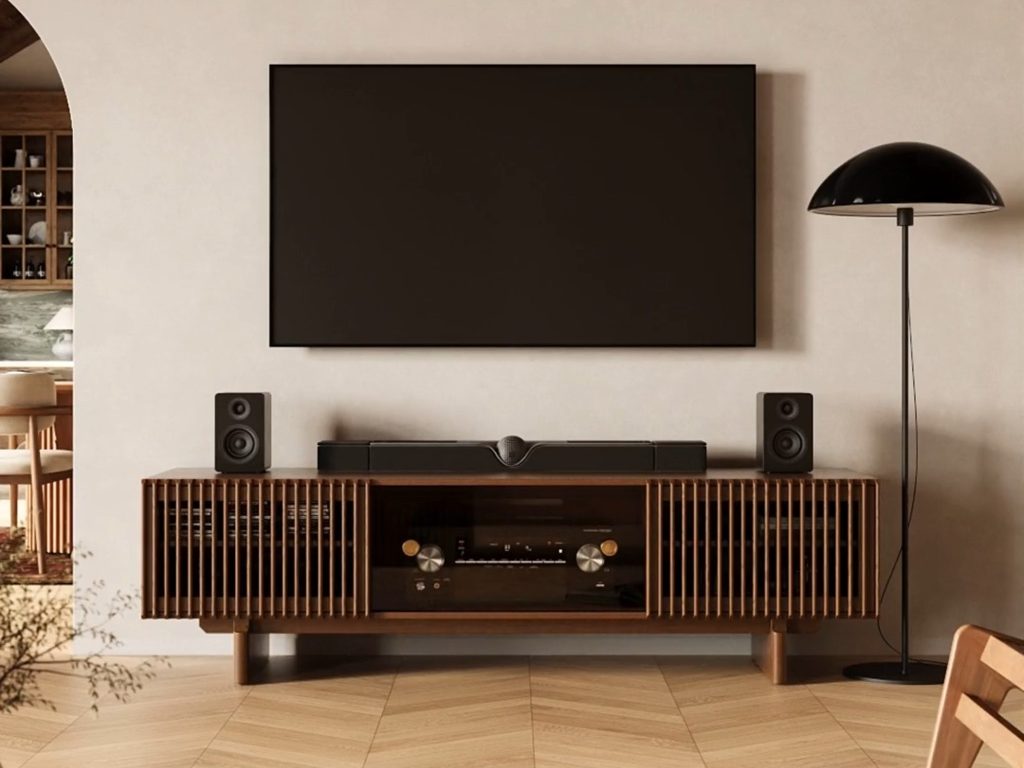
For living room scandinavian interior design, visual weight matters. Raised legs, slim arms, rounded corners, and low profiles usually work better than thick bases or oversized frames. A low media console can hide remotes, cables, gaming devices, and spare chargers while keeping the wall calm. This is especially useful when building a TV area around light colored wood furniture, because pale wood brightens the room while closed storage prevents everyday clutter from taking over.
Scandinavian interior design living room ideas often fail when the space becomes too pale. Add contrast through a black floor lamp, dark picture frame, brown leather accent, muted green plant pot, or textured rug. Small contrast points make white walls and neutral furniture feel intentional instead of flat.
Dining Room
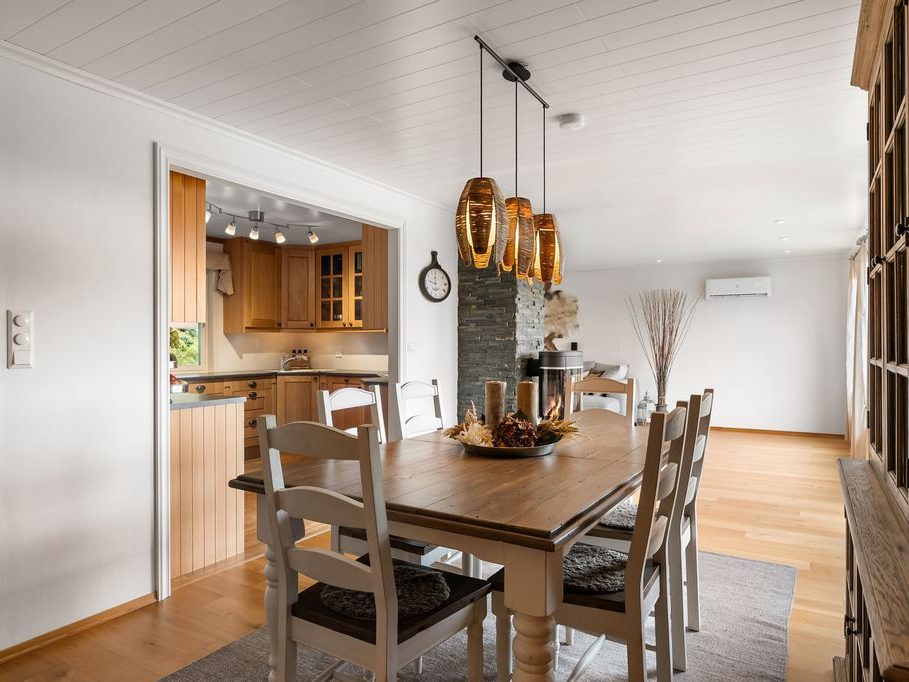
A Scandinavian dining room should feel relaxed, not formal. Choose a wood or stone dining table with a clean base, then pair it with slim chairs, curved backs, or softly upholstered seats. The goal is to create a natural gathering point without making the room feel heavy.
Keep tabletop decor low and useful. A ceramic bowl, linen runner, candleholder, or small vase is usually enough for daily meals. If the dining area connects to the living room, repeat one wood tone or one soft color across both spaces so the room feels connected without looking like a matching set.
Bedroom
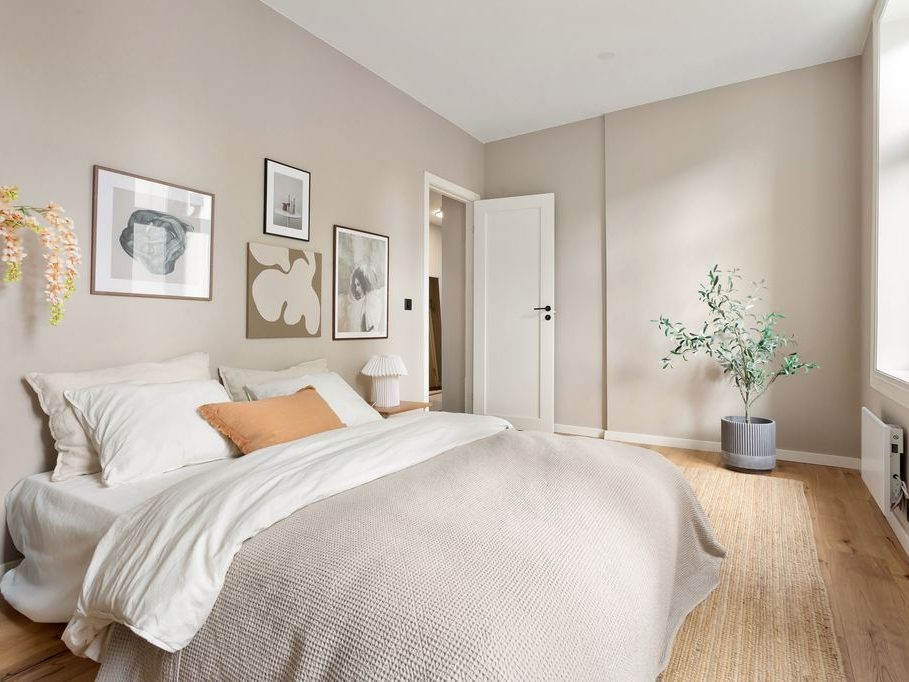
The bedroom should be the softest version of the style. Use a simple bed frame, warm bedside lamps, breathable bedding, and one or two natural textures. Linen, cotton, wool, light wood, and woven rugs can make the room feel calm without adding clutter.
Avoid making the bedroom too empty. A nightstand, soft throw, framed print, or small wood bench can add function and warmth. The key is to choose pieces that support rest, not decorations that compete for attention.
Small Spaces and Open-Plan Homes
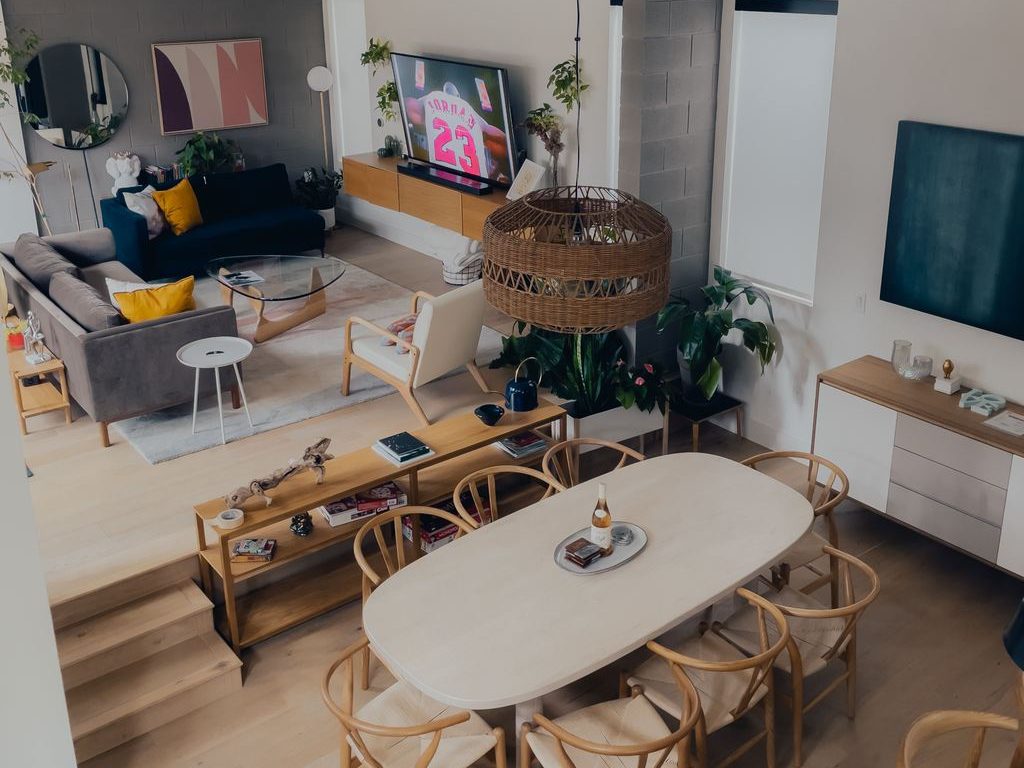
Scandinavian furniture works especially well in small homes because it reduces visual clutter. Choose pieces that do more than one job: a storage coffee table, slim sideboard, compact dining table, raised-leg sofa, or low TV stand with closed cabinets.
In open-plan homes, repeat colors instead of repeating furniture sets. A cream sofa, light wood dining table, and soft gray rug can connect the zones while keeping each area useful. If you are still comparing which style fits your room size and layout, furniture styles by home type can help clarify whether Scandinavian, Japandi, mid-century modern, or organic modern is the better direction.
What Colors and Materials Make the Style Feel Warm?
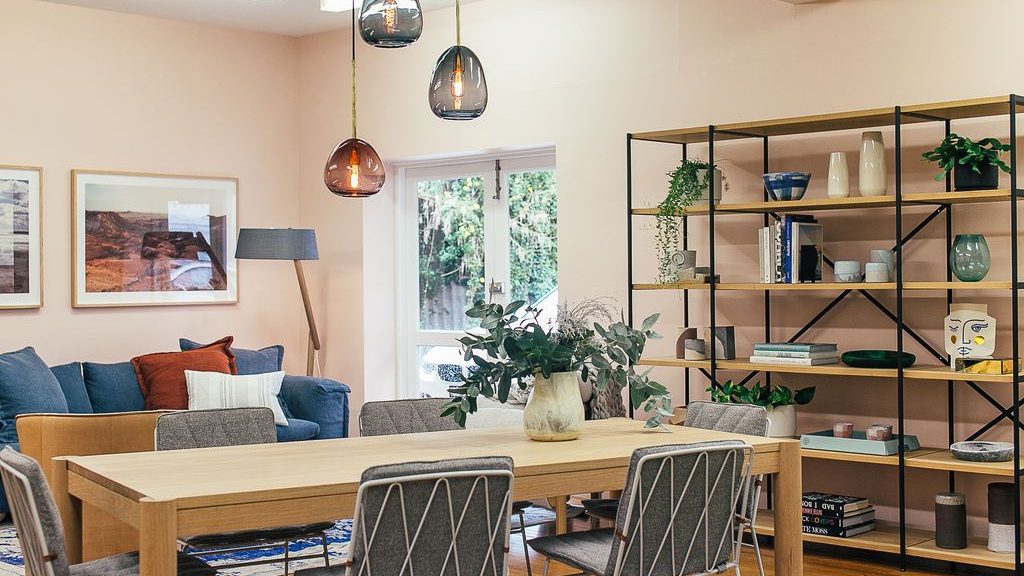
A Scandinavian room often starts with pale colors, but warmth comes from undertones and texture. Pure white, cool gray, and flat surfaces can make the room feel unfinished. Warmer whites, soft beige, light taupe, pale wood, and tactile fabric create a more comfortable base.
| Element | Good Choices | Why It Works | Use With Care |
| Wall color | Warm white, cream, soft gray, greige | Reflects light without feeling sterile | Pure blue-white |
| Wood | Oak, ash, birch, beech, light walnut | Adds natural warmth and grain | Too many unrelated wood tones |
| Upholstery | Linen, cotton, boucle, wool-like textures | Softens clean furniture lines | Glossy synthetic finishes |
| Accent colors | Sage, clay, dusty blue, muted ochre | Adds personality without noise | Bright primary colors everywhere |
| Contrast | Matte black, charcoal, dark bronze | Gives structure to pale rooms | Heavy black furniture sets |
| Decor | Ceramic, stone, woven trays, plants | Adds texture and natural detail | Crowded shelves |
A simple rule helps: repeat one warm material at least three times. For example, use light oak on the coffee table, dining chair legs, and picture frames. The room will feel connected without needing matching furniture sets.
What Should You Check Before Buying Scandinavian-Style Furniture?
A Scandinavian room can look clean but still feel cold, flat, or impractical. Before buying a sofa, TV stand, dining table, or sideboard, check whether the piece adds both warmth and function. In modern Scandinavian interior design, furniture should reduce visual clutter while making the room feel comfortable for daily use.
Common mistakes to avoid:
- Using pure white everywhere without warm texture
- Choosing furniture that is too boxy or visually heavy
- Relying only on ceiling lighting
- Removing decor instead of editing it
- Mixing too many unrelated wood undertones
- Using open shelves for items that should be hidden
- Choosing gray upholstery, gray walls, and gray rugs together
Ask before buying:
- Does the piece look light from the side?
- Does it offer storage without adding visual clutter?
- Is the color warm enough for your walls and flooring?
- Does the material add texture instead of shine?
- Can it work with the wood tones you already own?
- Is it comfortable enough for everyday sitting or dining?
- Will the room still look calm when daily items are present?
Large furniture sets the tone of the room, so look for warm materials, soft upholstery, useful storage, and clean proportions. For a Scandinavian-style media wall, hidden storage can keep cables, remotes, and devices from breaking the calm look. The Arboren-71” Modern TV Stand with storage fits this need when the living room needs a cleaner, warmer, and more organized TV area.dining table, or sideboard can define the whole room.
Conclusion
Modern scandinavian interior design works best when it feels bright, useful, and warm at the same time. Start with a calm color base, choose furniture with clean lines and real comfort, add closed storage, and use natural textures to keep the room from feeling cold. The style does not require a perfect, empty space. It simply asks each piece to have a clear job. When light, function, texture, and scale work together, a Scandinavian room can feel calm enough for quiet mornings and comfortable enough for everyday living.
FAQ
Can I mix Scandinavian and Japandi furniture?
Yes, Scandinavian and Japandi furniture can mix well if you control the color palette and furniture height. Use Scandinavian light woods, warm whites, and soft textiles as the base, then add Japandi elements such as low tables, handmade ceramics, darker wood accents, or more restrained decor. Avoid mixing too many dark, heavy pieces.
Can dark wood work in modern scandinavian interior design?
Yes, dark wood can work if it is used as contrast rather than the main base. A dark wood coffee table, chair frame, picture frame, or sideboard can ground a pale room. Large matching dark wood sets may make the room feel heavier and less bright.
How do I add color without losing the Scandinavian look?
Use muted, nature-based colors in small areas. Sage green, dusty blue, clay, rust, soft brown, and muted ochre work well on pillows, art, vases, rugs, or one accent chair. Keep large furniture neutral if you want the room to stay flexible and calm.
Should a Scandinavian room use curtains or blinds?
Yes, but window treatments should feel light. Sheer curtains, linen panels, woven shades, or simple roller shades usually work better than heavy drapes. The goal is to soften light and add privacy without blocking natural brightness or making the window wall feel visually heavy.
How much space should I leave around Scandinavian-style furniture?
Leave about 14–18 inches between the sofa and coffee table, and keep 30–36 inches for main walking paths when possible. Around a dining table, aim for about 36 inches from the table edge to the wall or nearby furniture. These clearances help the room stay open instead of just looking minimal in photos.
How can I update a Scandinavian room if my style changes later?
You do not need to replace everything if your taste changes later. A Scandinavian room is a flexible base because its main pieces are usually simple, neutral, and functional. To move toward Japandi, add lower furniture, darker wood, and handmade ceramics. For mid-century modern, bring in walnut tones, tapered legs, and bolder shapes. For organic modern, add curved forms, stone, and textured fabrics.


