 By Kelvin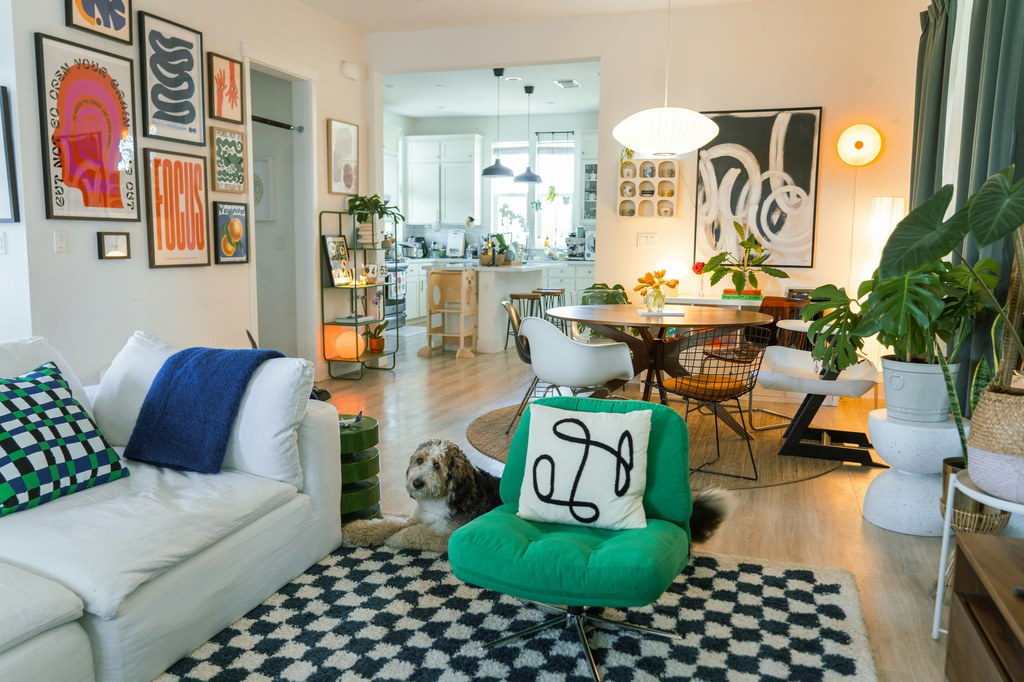
Introduction
If you like furniture, colors, and decor from different styles but worry the room may look messy, this guide will help you create a clearer plan. Eclectic style is not about placing random pieces together. It is about making different items feel connected through furniture, color, texture, layout, and editing. This article explains what the style means, how to build it room by room, and how to avoid the common mistakes that make a collected home feel crowded or unfinished.
Table of Contents
What Is Eclectic Style?
Eclectic style is an interior design approach that mixes different periods, materials, colors, shapes, and personal objects in one space. A modern sofa can sit with a vintage rug, a sculptural lamp, a warm wood cabinet, and bold artwork, as long as the room has enough visual connection.
A simple answer to “what is eclectic interior design?” is this: it is a curated mix, not a random mix. The room does not need to follow one strict design style, but each piece should have a reason to be there. The Spruce also describes eclectic interiors as spaces that mix different periods and styles while still feeling intentional and cohesive.
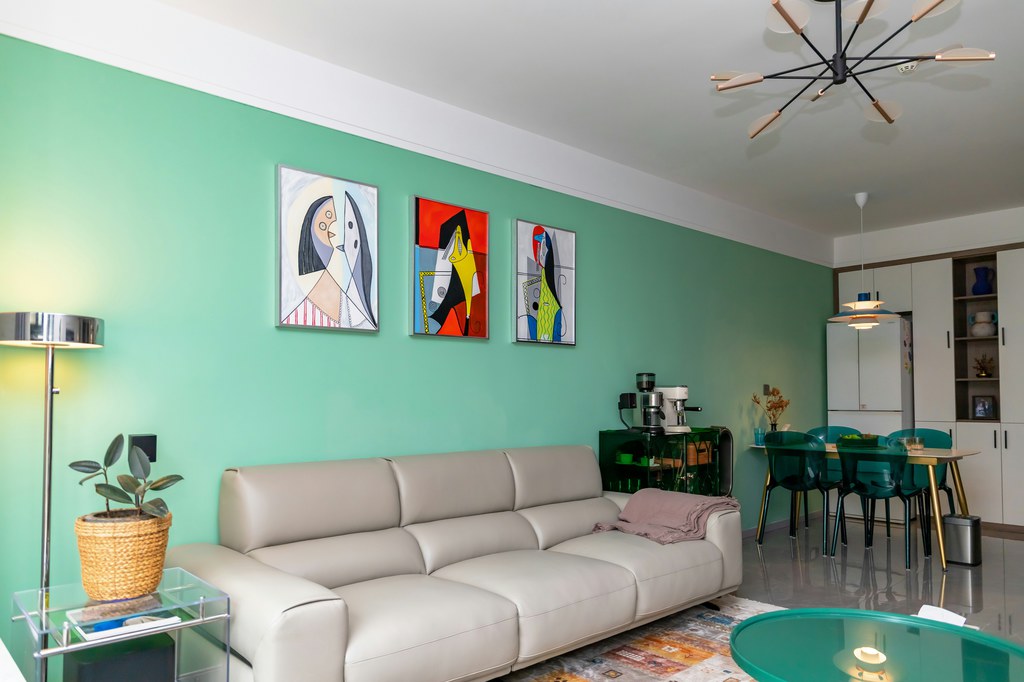
For furniture buyers, this matters because the largest pieces set the tone first. A sofa, dining table, TV stand, cabinet, or bed can quietly organize an eclectic style interior before smaller accents bring in personality. The goal is not to make every piece match, but to make the room feel mixed with purpose.
How Do You Start to Build an Eclectic Room?
Before styling each room, start with a simple order. An eclectic room works better when furniture, storage, color, and decor are planned together instead of added randomly.
For modern eclectic interior design, the most reliable formula is:
- Choose one anchor furniture piece.
- Repeat one or two colors in different parts of the room.
- Mix materials, but keep at least one finish consistent.
- Add vintage or artistic pieces in smaller doses.
- Use closed storage before adding more decor.
- Leave some empty wall, floor, or tabletop space.
This approach also helps when you already own furniture. You do not need to replace everything to create an eclectic decorating style. Keep the pieces that work, then use rugs, lighting, art, textiles, and smaller accents to build contrast room by room.
How to Build Eclectic Style Room by Room?
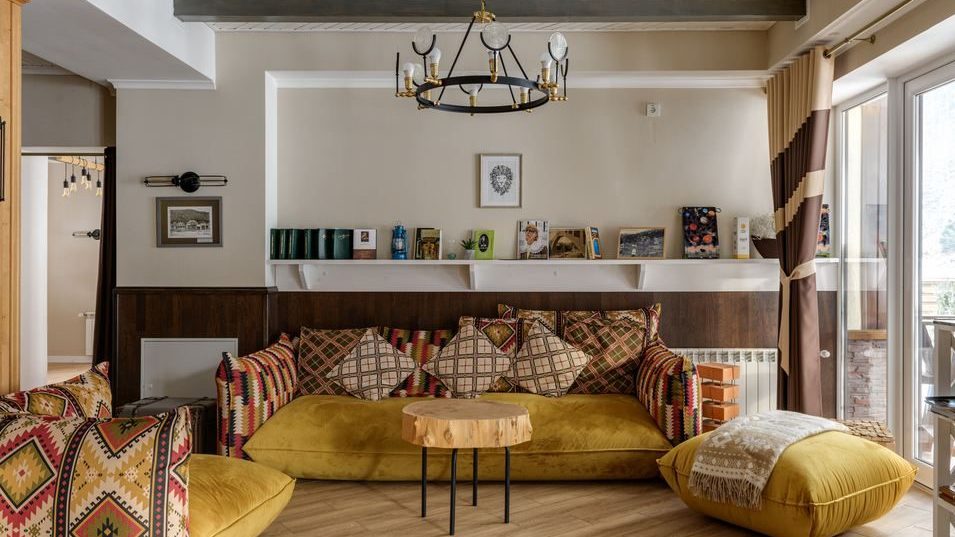
Eclectic rooms usually follow the same order: choose the main furniture, solve daily function, repeat one or two visual details, then add expressive accents. The balance changes by room. A living room can handle more layers, a dining room needs stronger order, and a bedroom should stay calmer.
Living Room
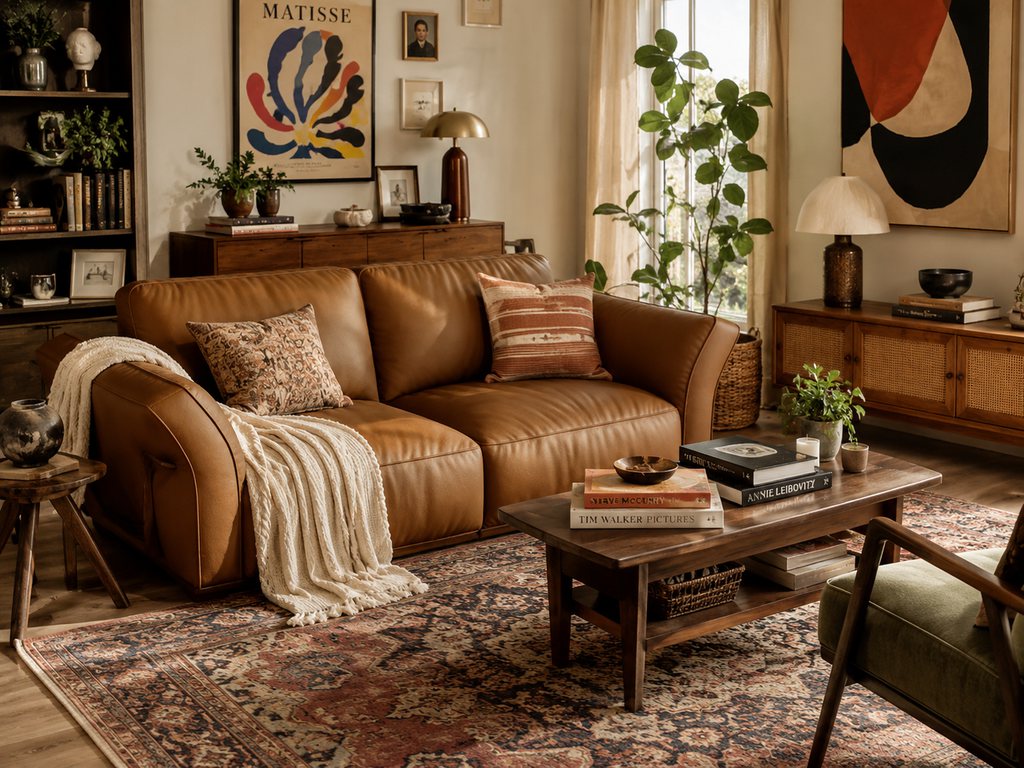
Use the living room as the main place to express modern eclectic interior design, but keep the order clear:
- Start with the seating anchor.
Choose the sofa, sectional, or main lounge chair first. It defines the seating area, comfort level, and visual weight of the room. - Keep surrounding furniture calmer if the room already has bold accents.
If the rug, artwork, pillows, or accent chair is colorful, a quieter TV stand or coffee table can help the room feel balanced. - Solve storage before adding more decor.
A real living room has remotes, chargers, books, blankets, pet items, snacks, and game-night pieces. A TV stand, sideboard, cabinet, or storage coffee table helps the room reset after daily use. - Repeat one or two details.
A warm wood tone can appear in the TV stand and coffee table. A rust color from the rug can return in pillows or artwork. A black metal detail can repeat through lighting, chair legs, or cabinet hardware. - Add personality last.
A patterned rug, vintage chair, sculptural lamp, framed art, ceramic vase, or textured throw can make the room feel personal without overwhelming the furniture foundation.
When you blend vintage decor with modern furniture, the room can feel collected over time instead of built from one matching set.
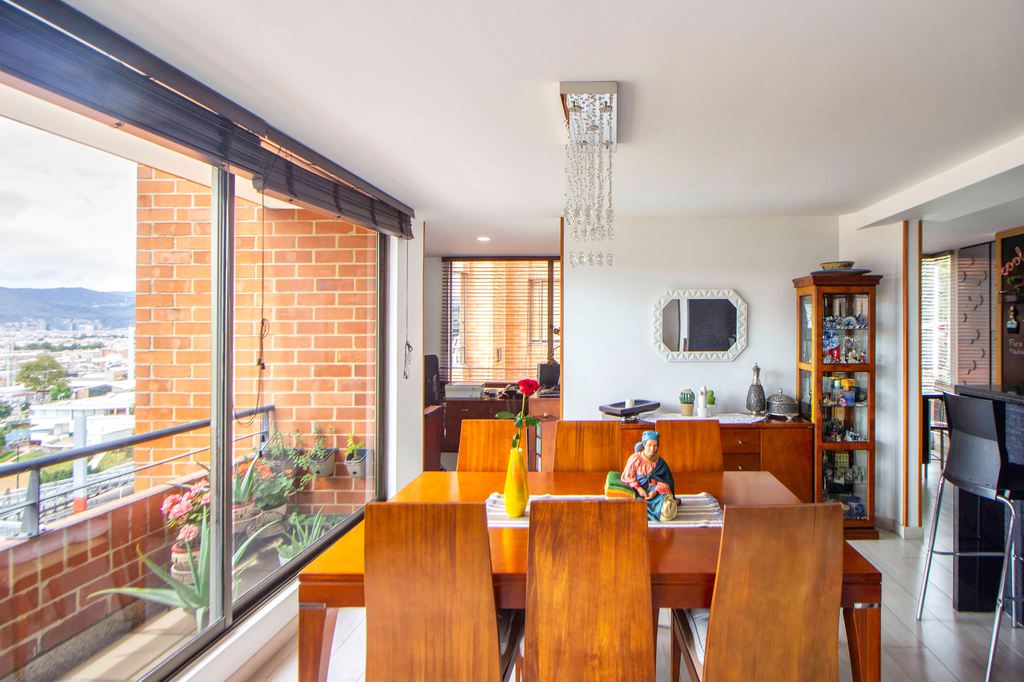
Dining Room
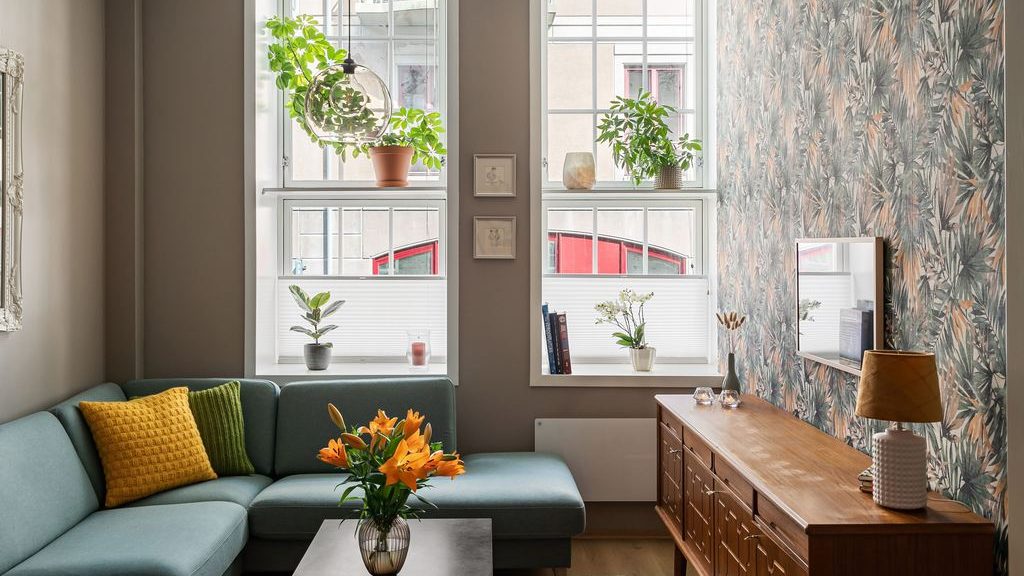
A dining room can support mixed pieces, but it needs a stronger center than a living room:
- Use the dining table as the anchor.
The table controls the shape of the room, the seating layout, and the way people gather. If the chairs, lighting, rug, or wall art are mixed, the table keeps the space grounded. - Let mixed chairs share one detail.
Dining chairs do not have to match exactly, but they should share at least one feature, such as seat height, wood tone, color, leg shape, upholstery, or back style. - Add storage to reduce visual clutter.
A sideboard or cabinet can hide table linens, candles, dinnerware, serving pieces, and seasonal items. This keeps the tabletop open for meals and simple styling. - Connect the dining area to nearby rooms.
In an open-plan home, repeat one color or material from the living room in the dining chairs, rug, artwork, or lighting. This keeps the transition natural without making both spaces look identical.
Practical dining room decor ideas should support meals first, then add style through lighting, wall art, texture, and carefully edited tabletop details.
Bedroom
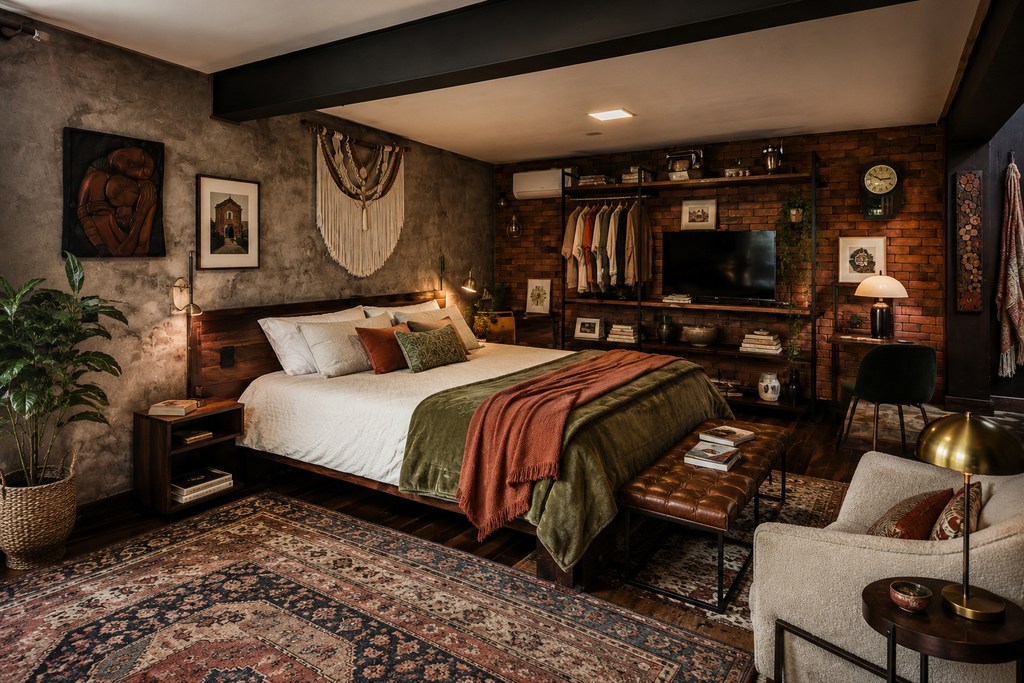
A bedroom can have an eclectic look, but it should feel quieter than the living room:
- Keep the bed as the resting point.
The bed should remain the visual center. If everything around it is loud, the room may feel busy instead of relaxing. - Balance mismatched nightstands.
Nightstands do not need to match, but their height, scale, or material should feel balanced. A wood nightstand on one side and a painted or metal table on the other can work if their proportions feel close. - Use texture before strong color.
Linen bedding, a soft rug, warm wood, woven shades, velvet pillows, or a leather bench can add depth without making the room visually noisy. - Add personal pieces in smaller doses.
A vintage stool, framed print, sculptural lamp, patterned pillow, or small artwork can bring personality. Avoid spreading bold color and strong pattern across every surface.
This is where contemporary eclectic interior design should feel edited. The room can be personal and layered, but it still needs enough visual calm for rest.
How Can You Tell If Eclectic Style Looks Collected or Cluttered?
A room usually feels cluttered when too many pieces compete for attention at the same time. Eclectic design style allows contrast, but it still needs hierarchy. One item can lead, a few pieces can support it, and the rest should give the room breathing space.
| Collected Eclectic Room | Cluttered Eclectic Room |
| One clear furniture anchor | Every piece tries to be the focal point |
| Storage supports daily use | Everyday items stay visible everywhere |
| Colors or materials repeat | Every area has a different color story |
| Accents add personality | Every item competes for attention |
| Surfaces have breathing room | Tables, shelves, and walls are all filled |
A collected room does not need to be quiet or minimal. It can still have color, vintage finds, bold art, and unusual shapes. The difference is that the room has a clear center, useful storage, repeated details, and enough empty space for the eye to rest.
For a living room that needs a clear center, the Cronus-Brown Genuine Leather Modular Sofa can work as a steady anchor. Its warm brown leather tone pairs easily with vintage rugs, wood cabinets, mixed pillows, or bold wall art while keeping the seating area grounded.
What Mistakes Make Eclectic Rooms Feel Messy?
The most common mistake is buying too many statement pieces. A bold sofa, colorful rug, dramatic artwork, vintage cabinet, or sculptural lamp can all be beautiful, but they should not all fight for attention in the same room.
Another mistake is ignoring scale. A delicate vintage chair may look lost beside a deep modern sectional. A small coffee table may feel accidental in front of a large sofa. A tall cabinet may overpower a low, relaxed room. Mixed furniture can work, but the pieces still need to fit the room’s size and function.
Avoid these common issues:
- Using every favorite color at once.
- Filling every shelf, wall, and tabletop.
- Choosing furniture only because it looks unusual.
- Forgetting closed storage.
- Mixing pieces without repeating any color or material.
- Treating eclectic as the same thing as maximalist.
- Copying inspiration photos without checking your own room size.
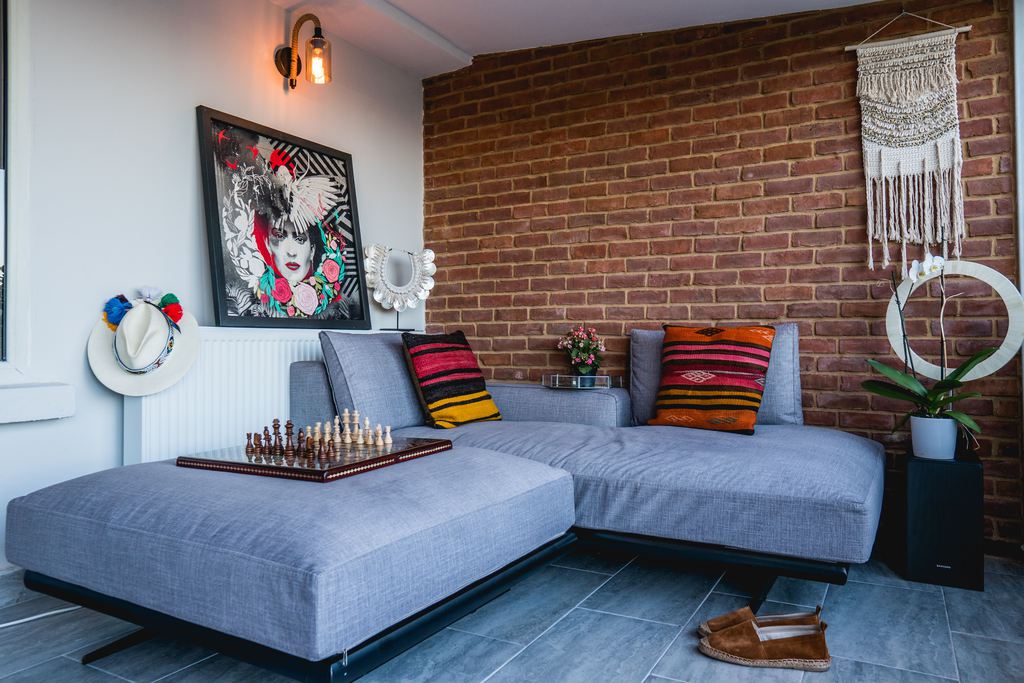
Matching furniture is not always a problem. In some homes, a coordinated base can make the room easier to layer. The better question is whether mixing different furniture styles helps the room feel more personal or simply makes it harder to organize.
The stronger the mix, the more editing matters. Before adding another object, remove one item and see whether the room feels calmer. Good eclectic rooms often need subtraction as much as addition.
Conclusion
Eclectic style is not about choosing random pieces or filling a room with everything you like. It works when the mix has structure. Start with furniture that supports daily life, repeat a few colors or materials, use storage to control clutter, and add personal accents with care. A collected home can mix modern, vintage, bold, quiet, practical, and personal elements, but each piece should help the room feel more livable, not more crowded.
FAQ
Can eclectic style work in a small apartment?
Yes, eclectic style can work in a small apartment if the largest furniture pieces stay visually controlled. Use one main sofa, table, or bed as the anchor, then add personality through art, rugs, lighting, and textiles. Small rooms need stronger storage and fewer competing focal points.
Can I create an eclectic room with mostly modern furniture?
Yes, mostly modern furniture can still create an eclectic room. Keep the main pieces clean and functional, then layer vintage artwork, textured rugs, sculptural lamps, handmade ceramics, or patterned pillows. This works well when the modern furniture is calm enough to support smaller expressive pieces.
How can I tell if a furniture piece will still work if I change decor later?
A piece is more flexible if it has a simple silhouette, durable material, comfortable proportions, and a color that can pair with several palettes. Before buying, picture it with a different rug, wall color, or artwork. If it only works with one exact look, it may be harder to keep long term.
Should the largest furniture piece be neutral or bold in an eclectic room?
The largest furniture piece should be neutral or bold depending on how much contrast already exists in the room. If the rug, art, curtains, or accent chair is strong, choose a calmer sofa or dining table. If the room feels plain, one bold sofa or cabinet can become the main focal point.
How many colors should an eclectic room use?
Most rooms are easier to manage with two or three main colors plus one accent color. More colors can work, but they need repetition. For example, a rust tone in artwork, pillows, and a rug will feel more intentional than one random bright object.
What lighting works best in an eclectic room?
Layered lighting works best because eclectic rooms often have several materials, colors, and focal points. Use a mix of ceiling lighting, table lamps, floor lamps, or wall lights to soften the room at night. Practical living room lighting ideas should support reading, TV time, conversation, and darker corners.


[…] cabinet can create a cohesive look when you repeat a color or material across the room. These eclectic style decor ideas can help connect different […]