 By Kelvin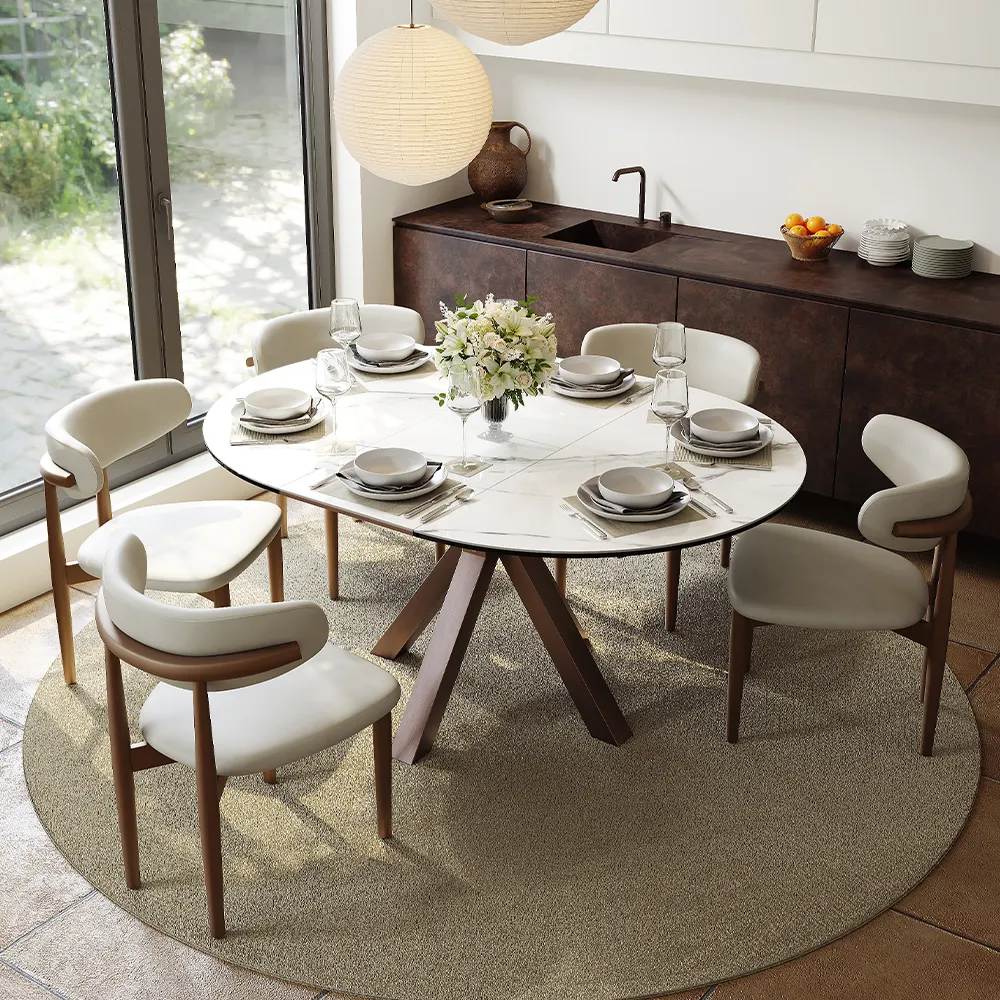
Introduction
A beautiful dining room should not only look good in photos. It should also make daily meals easier, keep guests comfortable, and fit the space you actually have. The best dining room decor ideas start with layout, table size, chair comfort, lighting, wall decor, and storage before smaller styling details. This guide focuses on practical dining room decorating ideas for real homes, especially small rooms, open-plan spaces, and dining areas that need to work for both weeknight dinners and casual hosting.
Table of Contents
What Should Dining Room Decor Ideas Solve First?
Before choosing art, rugs, or table decor, decide what problem the room needs to solve. A dining area used every morning by a family needs different choices than a room saved for holidays. A small apartment dining nook needs lighter furniture and tighter storage. An open-plan home needs visual boundaries so the table does not feel like it is floating.
| Dining Room Situation | Decor Priority | What to Avoid |
| Daily family meals | Durable table, comfortable chairs, easy-clean surfaces | Fragile tabletop decor or high-maintenance fabrics |
| Frequent hosting | Good lighting, extra serving surface, flexible seating | A table too small for serving dishes |
| Small dining room | Round or oval table, slim chairs, mirror, light wall decor | Bulky sideboards or oversized chairs |
| Open-plan dining area | Rug, pendant light, repeated colors | Furniture that feels disconnected from the living area |
| Formal room used rarely | Softer lighting, practical storage, less stiff styling | A showroom look that feels too precious to use |
For open-plan homes, the dining area should have its own identity without fighting the living room. A rug, pendant light, or repeated wood tone can define the zone, while a living room combined with dining layout should still protect walkways and chair pull-out space.
A simple rule helps: choose the biggest fixed pieces first, then decorate around them. The dining table, chairs, light fixture, and storage decide whether the room feels open or crowded. Smaller dining room decoration ideas should come later.
How Do You Decorate a Small Dining Room Without Crowding It?
Small dining room decor ideas work best when every piece earns its place. The goal is not to make the room empty. It is to keep movement easy, sight lines open, and surfaces useful. Instead of filling every wall or corner, focus on table shape, seating type, lighting, and one clear focal point.
Choose a Table Shape That Supports Movement
A round or oval table is often easier in a compact room because there are no sharp corners blocking the path. A pedestal base can also make legroom feel easier, especially when four people sit close together. In a narrow dining room, a slim rectangular table may still work better because it follows the room’s length.
Before buying, check whether someone can pull out a chair without hitting a wall, cabinet, or kitchen island. Painter’s tape on the floor is a quick way to test the table footprint before committing.
Use Lighter Seating When Space Is Tight
Dining chairs affect both comfort and visual weight. In a small room, armless chairs, open-back chairs, or slim upholstered chairs usually feel lighter than bulky armchairs. If one side of the table sits against a wall, a bench or banquette can save floor space and allow more flexible seating.
A household that uses the dining table for homework after dinner should prioritize chair comfort. A chair that looks sculptural but feels stiff will make the room less useful, no matter how stylish it looks.
Keep Storage Slim and Purposeful
A sideboard can be useful, but only if the room has enough depth. In a tight dining room, a deep buffet may steal the space needed to pull out chairs. Try a slim console, wall-mounted shelf, or closed storage in another nearby area instead.
If the table always collects mail, chargers, and school papers, the room does not need more table decor. It needs a better landing zone.
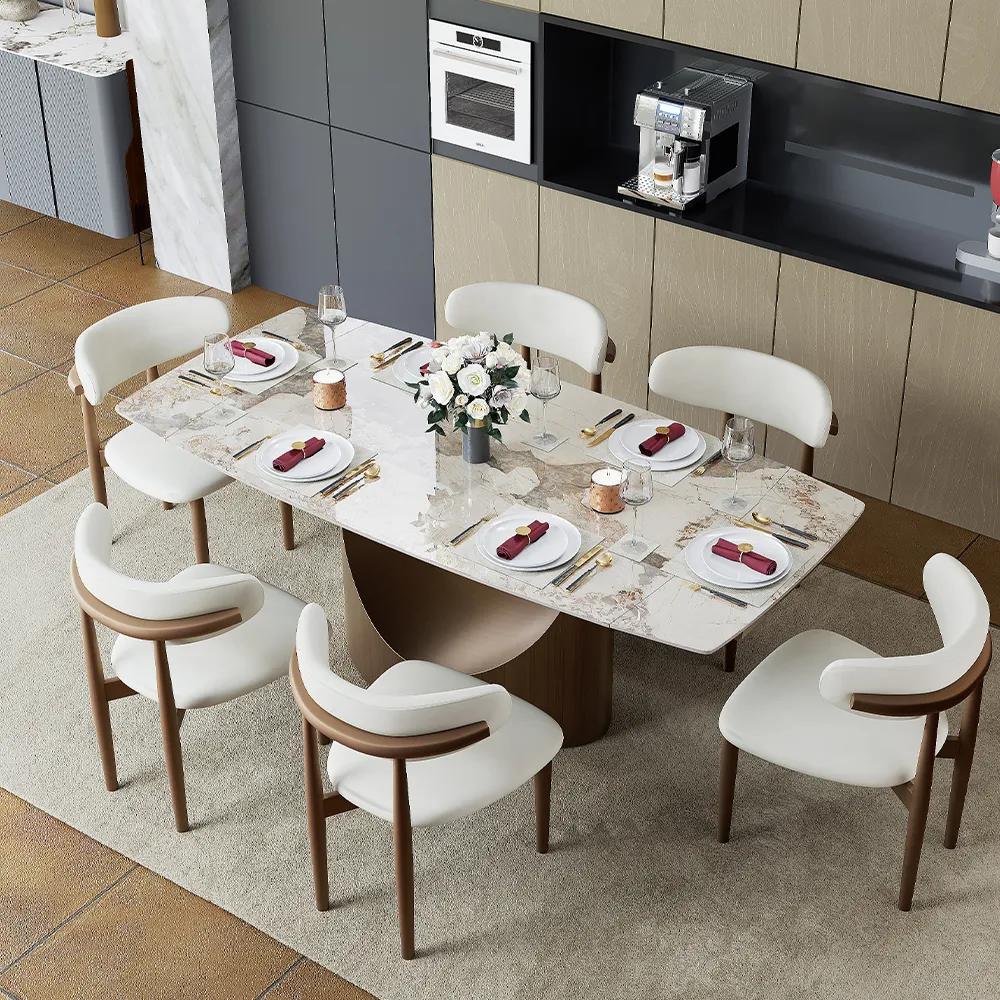
For small dining rooms that need flexibility, the Hobart-Rectangular Glossy Sintered Stone Extendable Dining Table can stay compact for daily meals and extend when guests come over. Its sintered stone tabletop is easy to clean, while the slim carbon steel legs keep the room visually lighter.
How Do You Build the Room Around the Dining Table?
The dining table is the anchor of the room. Once its size, shape, and material are right, the rest of the decor becomes easier to choose. Chairs, rugs, lighting, and color should support the table instead of competing with it. A helpful modern dining table guide can make shape, size, and chair pairing decisions easier before you style the room.
Match the Table to the Room’s Real Use
For everyday meals, choose a surface that is easy to wipe and does not make every spill feel stressful. Wood brings warmth, while stone-look or ceramic-style surfaces can suit homes that want a cleaner, more modern feel. Extendable tables are useful when the room is small most days but needs to handle guests occasionally.
A weekday breakfast setup may only need four chairs and a clear surface. The same table can still feel ready for guests with a runner, low bowl, and warmer lighting.
Make the Rug Large Enough or Skip It
A dining rug should be large enough that chairs stay on the rug when pulled out. If the rug is too small, chairs catch on the edge and the room looks cramped. For messy households, it is also reasonable to skip the rug and use lighting, wall art, or a table centerpiece to define the dining zone instead.
Choose low-pile, easy-clean rugs if food spills are common. Thick or high-pile rugs can look cozy but may trap crumbs and make chairs harder to move.
Center Lighting Over the Table
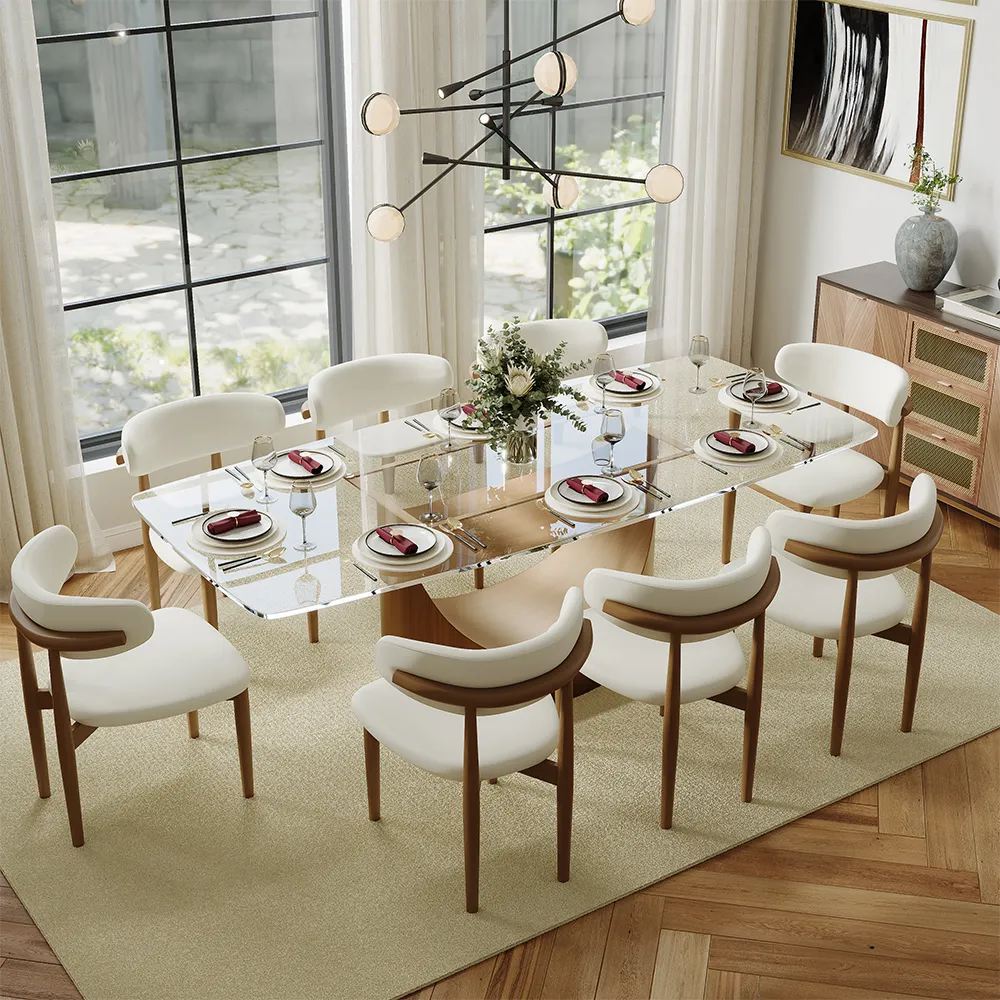
A chandelier or pendant should be centered over the dining table, not simply the middle of the room. For many rooms, designers commonly suggest hanging the bottom of the fixture about 30 to 36 inches above the tabletop and choosing a fixture roughly half the table’s width. (West Elm)
Lighting is also the fastest way to change the mood. A dimmer helps the same room move from homework and takeout to dinner with friends.
What Decor Makes a Dining Room Feel Finished?
Once the table, chairs, rug, and lighting are working, decor should add focus rather than clutter. The room usually needs one strong wall moment, a controlled color palette, and a few practical styling pieces. This is where dining room wall decor ideas, tabletop styling, and storage details can make the space feel complete.
Add One Clear Wall Focal Point
A blank wall can make even a good table look unfinished. Large art, a mirror, wallpaper, paneling, or a gallery wall can work, but the best choice depends on what the room lacks. A mirror helps a small or darker dining room feel lighter. Large artwork works well behind a rectangular table. Wallpaper adds mood when the furniture is simple.
For more specific dining room wall decor ideas, think about wall size, table shape, and whether the wall needs light, texture, or scale.
Use Color and Texture With Restraint
A dining room does not need many colors to feel designed. Repeating two or three tones across wood, upholstery, rug, art, and lighting usually works better than adding more decor. Warm wood, soft beige, muted green, brown, black, brass, and stone textures are easy to layer without making the room feel busy.
Texture matters more than constant color changes. A wood table, woven shade, linen curtains, ceramic bowl, and soft chair fabric can make a neutral dining room feel warm without looking flat.
Keep Table Decor Low and Useful
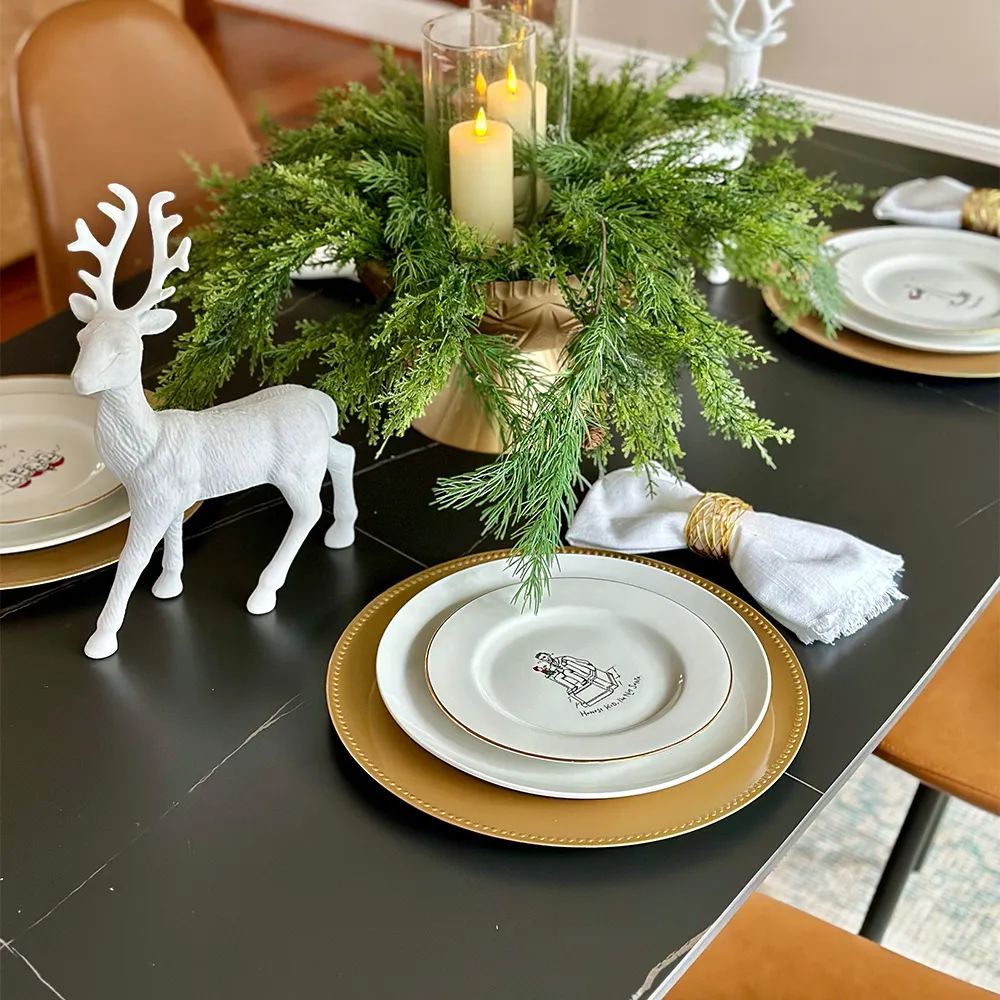
Dining table decor should not block conversation. Low bowls, short vases, candles, trays, seasonal branches, or a small plant usually work better than tall arrangements. On a daily-use table, one simple centerpiece is enough.
A family that eats at the table every night should not need to remove five decorative objects before dinner. The best tabletop styling leaves room for plates, serving dishes, and elbows.
What Dining Room Decor Mistakes Should You Avoid?
Many dining rooms feel wrong because of scale, not taste. The colors may be beautiful, and the furniture may be high quality, but the room still feels crowded if the table is too large, the rug is too small, or the chairs cannot move easily. Use this quick checklist before adding more decor.
Avoid these common mistakes:
- Choosing a table before measuring chair pull-out space.
- Buying dining chairs that look good but feel uncomfortable.
- Using a rug that is too small for pulled-out chairs.
- Hanging a chandelier too high, too low, or off-center from the table.
- Filling every wall when one focal point would be stronger.
- Adding a deep sideboard to a narrow room.
- Styling the tabletop with tall decor that blocks faces.
- Matching every furniture finish too closely.
- Ignoring storage until the dining table becomes a drop zone.
- Choosing delicate materials for a high-use family dining room.
Good dining room decor should make the space easier to use. If an object makes cleaning harder, blocks movement, or has to be moved every day, it may not belong in the room.
Conclusion
The strongest dining room decor ideas begin with function, not accessories. Decide how the room will be used, choose a table and chairs that fit the space, then add lighting, rug, wall decor, storage, and tabletop styling in that order. Small rooms need extra attention to scale, while open-plan spaces need clearer visual boundaries. When every piece supports comfort, movement, and daily use, the dining room feels more beautiful because it actually works.
FAQ
What dining table material is easiest to maintain for daily use?
A sealed wood, ceramic, sintered stone, or stone-look tabletop is usually easier to maintain for daily dining. Before buying, check whether the surface resists stains, heat, and moisture, and whether it needs coasters or placemats. For families comparing the easiest dining table material to maintain, a smooth wipeable surface is often more practical than porous or untreated materials.
How can I make a dining room look finished on a small budget?
Start with lighting, wall decor, and tabletop editing. A better bulb temperature, one large artwork or mirror, and a low centerpiece can make the room feel more intentional without replacing furniture. Avoid buying many small accessories, because they often create clutter instead of impact.
How do I know if a dining table is too large before buying?
A dining table is too large if chairs cannot pull out comfortably, people have to turn sideways to walk past, or nearby storage and doors become hard to use. Before buying, measure the table footprint plus chair clearance. A practical right dining table size for your room should support daily movement, not just look good in product photos.
Should the dining room match the kitchen or living room?
It should coordinate, but it does not need to match exactly. Repeat one or two elements, such as wood tone, metal finish, wall color, or rug color. This keeps the dining room connected to nearby spaces while allowing the table, lighting, or wall decor to create its own focal point.
What should I put on a dining table for everyday use?
For everyday use, put one low, easy-to-move centerpiece on the dining table. A shallow bowl, small vase, candle tray, or seasonal branches can add style without blocking conversation or taking up too much space. Practical dining table decorating ideas should leave enough clear surface for plates, serving dishes, and daily meals.
How do I decorate a dining room with little natural light?
Use warm layered lighting, a mirror, lighter wall decor, and a controlled color palette. Avoid relying only on a single overhead light, because it can make the room feel flat. A mirror should reflect something calm, such as a pendant light or clean table setting.


