 By Kelvin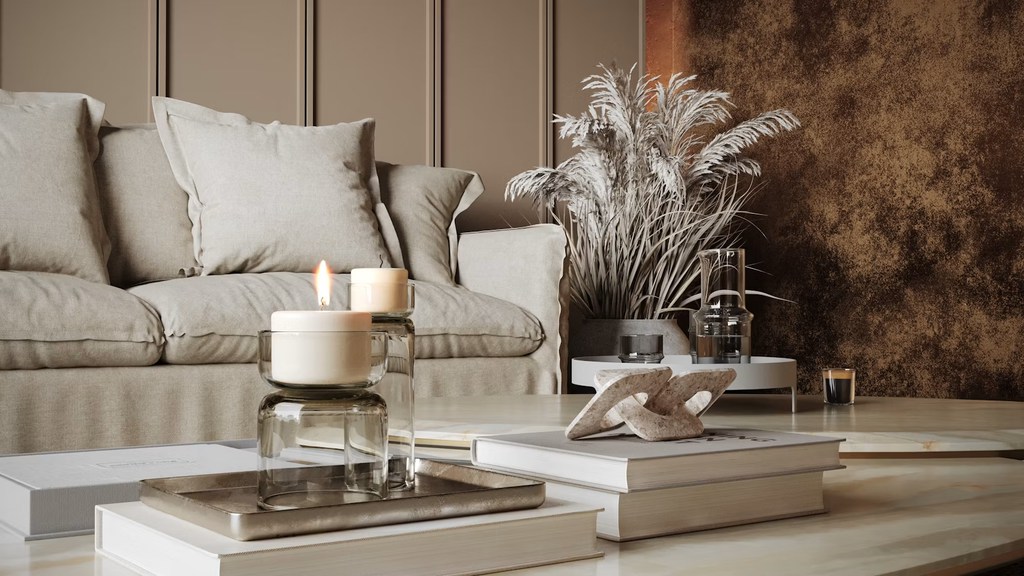
Introduction
A coffee table should make your living room easier to use, not harder to live in. If you are searching for coffee table ideas, you probably want more than a styled tray and a vase. You may be trying to fix a crowded room, a messy tabletop, an awkward sectional, or an empty-looking sofa area. This guide focuses on practical living room coffee table ideas that solve those real problems while still helping the room feel finished, balanced, and comfortable.
Table of Contents
What Problem Should Your Coffee Table Solve First?
Before thinking about style, decide what your coffee table needs to improve. A beautiful table can still be wrong if it blocks the walkway, looks too small beside the sofa, or becomes the place where every remote and charger disappears.
Ask yourself what actually bothers you in the room:
- The room feels crowded or hard to walk through.
- The sofa area looks empty, unfinished, or out of scale.
- The table always collects remotes, chargers, cups, toys, or books.
- Your sectional is hard to pair with a table that everyone can reach.
- Kids or pets move through the room often, so sharp corners feel risky.
- You need a surface for snacks, games, books, or a laptop.
- The current table sits too close to a recliner, chaise, or main walkway.
This is the difference between random decor inspiration and useful coffee table ideas. A formal sitting room may only need a sculptural table and a few low objects. A family room may need storage, soft corners, and a surface that can handle daily use.
How Do You Match the Right Table to Your Living Room?
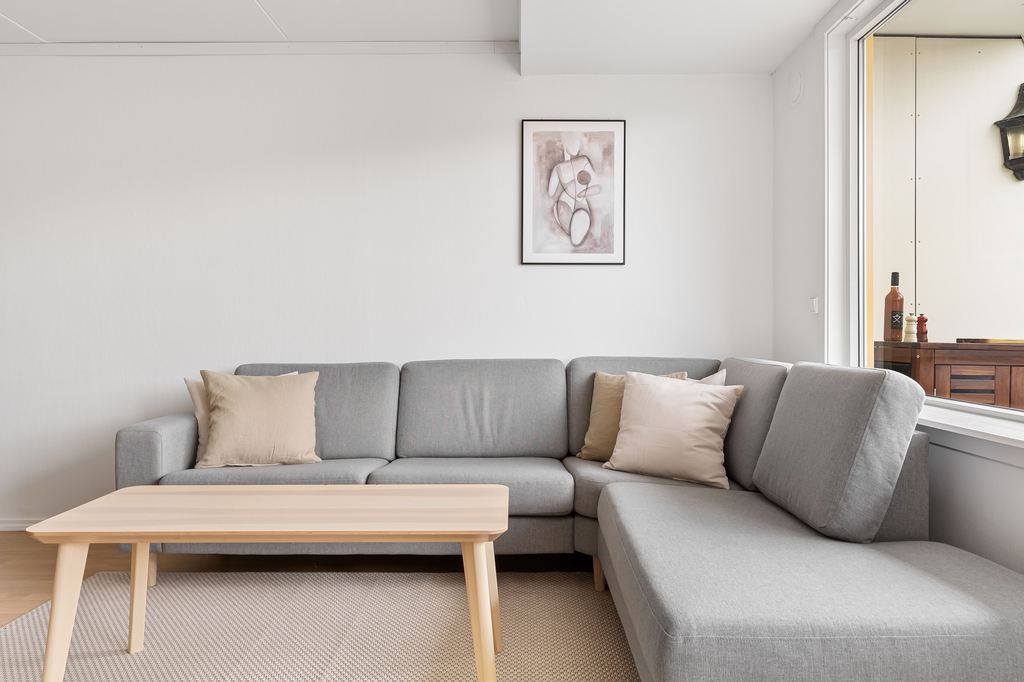
A coffee table should answer the room’s biggest problem first. Instead of asking, “What table looks nice?” ask, “What would make this sofa area easier to use?” The table below gives a faster way to match common living room pain points with practical improvement methods.
| Living Room Problem | Improvement | Avoid | Why It Works |
| Small room feels crowded | Use a round, oval, glass, or nesting table | Thick block table | Softens traffic flow and reduces visual weight |
| Sectional feels hard to fill | Use a square, round, or larger rectangular table | Tiny accent table | Reaches more seats and anchors the center |
| Sofa area looks empty | Use a wood, stone, or sculptural table | Very thin table with little presence | Adds visual weight and creates a focal point |
| Clutter builds up daily | Use drawers, shelves, or a lift-top design | Open-only table | Keeps small items close but hidden |
| Kids or pets use the room | Use rounded edges or an ottoman-style table | Sharp glass corners | Makes busy paths easier and safer |
| Open-plan room lacks zoning | Align the table with the rug and sofa | Floating small table | Helps define the living area |
Coffee Table Ideas for Small or Busy Living Rooms
In a compact room, the best coffee table ideas for small living room layouts usually protect movement first. Oval and round coffee tables are easier to walk around than sharp rectangular pieces. Nesting tables work well when you need extra surface space only sometimes. Glass, slim legs, and open bases can also make the table feel lighter.
If the sofa sits close to the TV stand, avoid bulky closed storage. A raised base, light wood tone, or open shelf often feels less crowded. For more layout-specific guidance, coffee tables for small living rooms need careful attention to walkway clearance, table height, and visual weight.
Coffee Table Ideas for Sectionals and Large Sofas
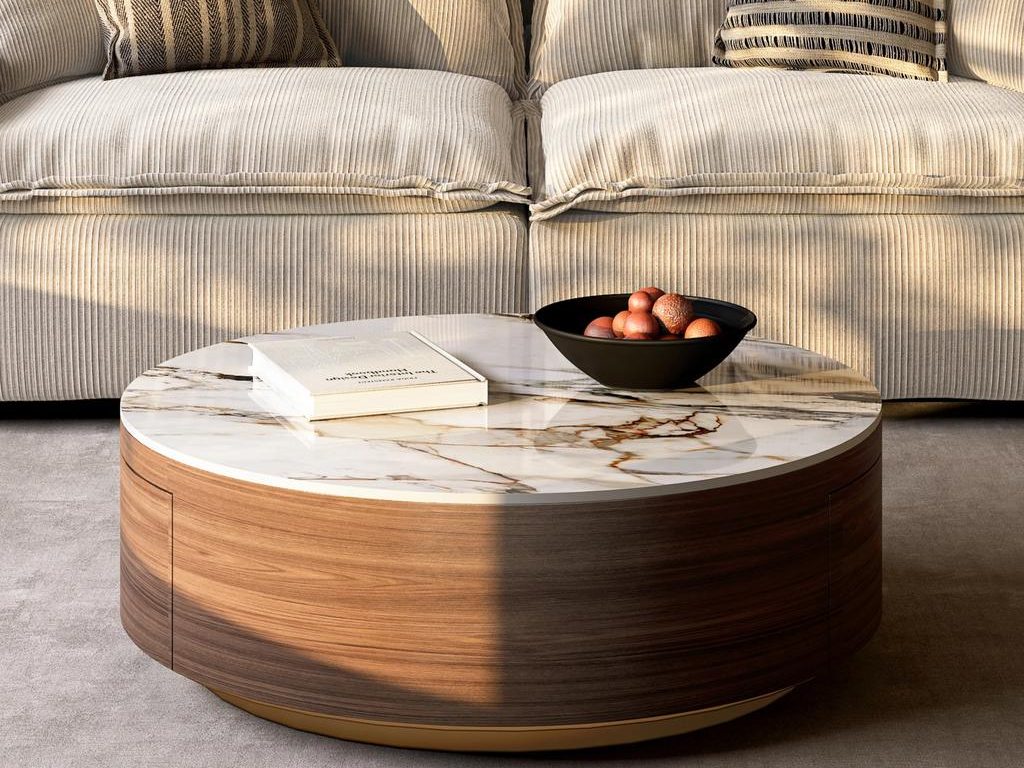
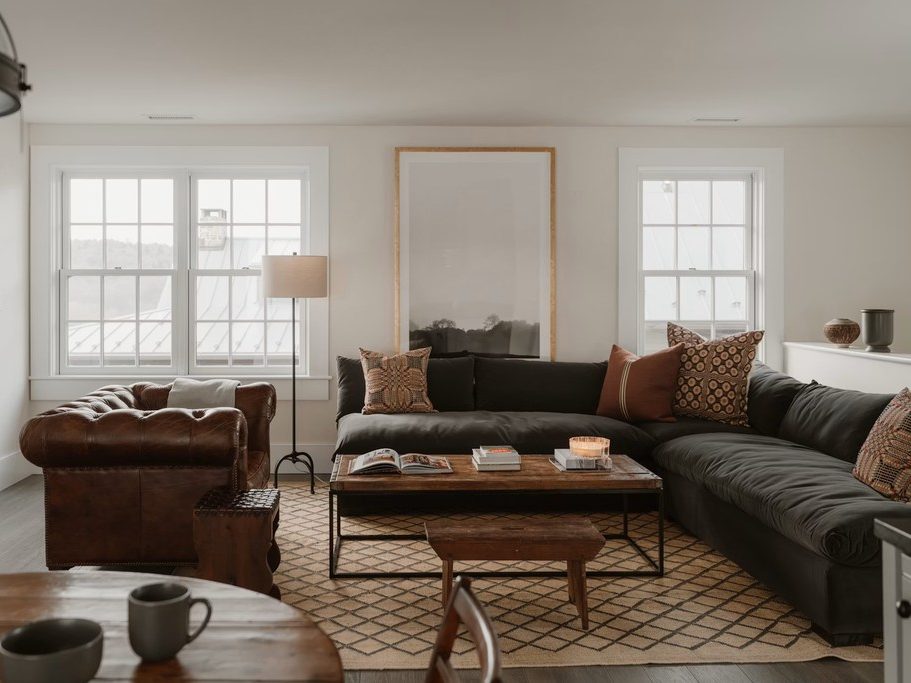
Sectionals need reach. If the table is too small, it floats in the middle and only works for one seat. For an L-shaped sectional, a square or round table often fills the center better. For a long chaise sectional, a rectangular or oval table can follow the sofa line more naturally.
If your sofa reclines, measure the footrest when fully open. Many coffee table ideas for living room layouts look good in photos but fail when a recliner, chaise, or deep seat needs real clearance.
Coffee Table Ideas That Hide Clutter Without Looking Heavy
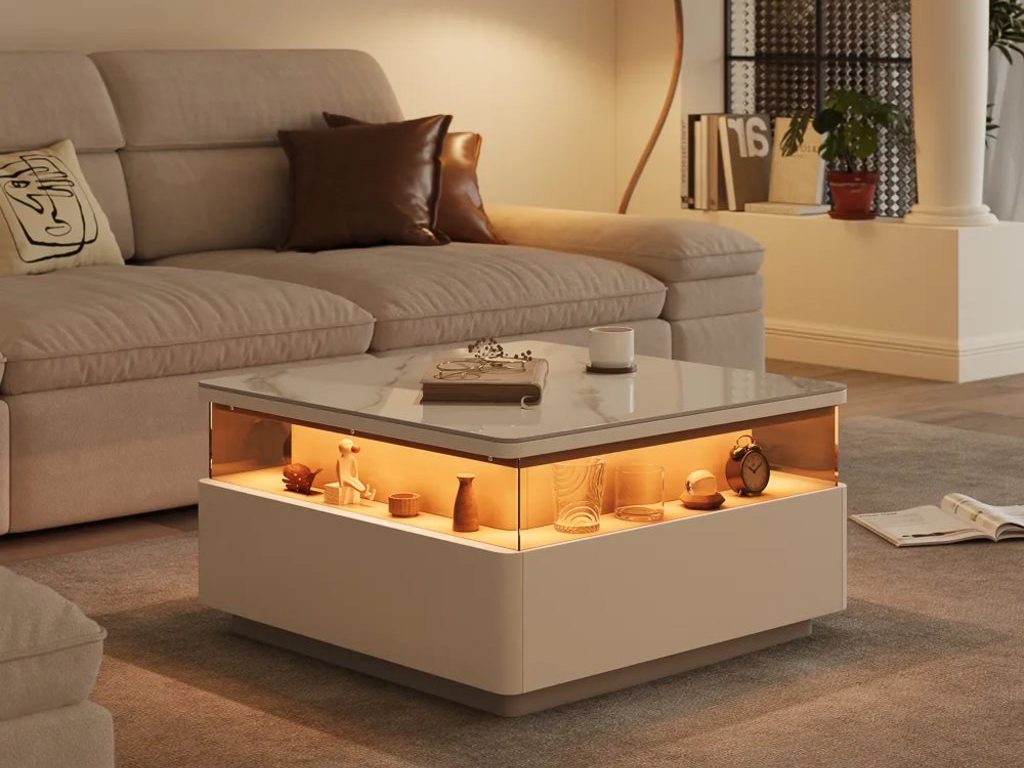
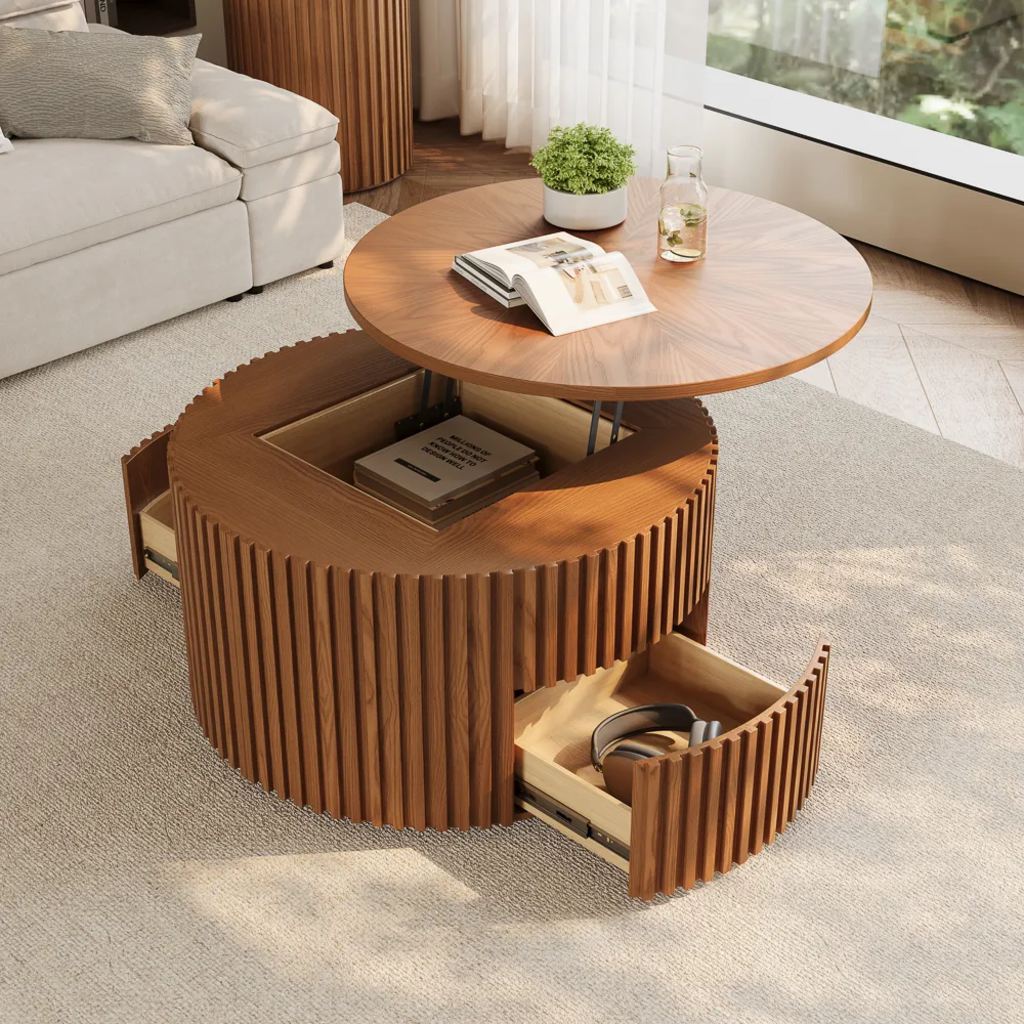
Storage helps when remotes, chargers, coasters, and small items keep piling up. Drawers work for small objects. Open shelves are useful for books or baskets. Lift-top tables help if you often use the sofa for laptop work, casual meals, or movie snacks.
The key is not choosing the biggest storage table available. If the room is already tight, choose storage with legs, rounded edges, or lighter finishes. A coffee table with storage should be judged by how easily it opens, what it hides, and whether it still leaves enough legroom.
What Size and Shape Should You Check Before Choosing?
Many coffee table living room ideas fail because the table is too tall, too far from the sofa, or too small for the seating area. Use these simple checks:
- The table should usually be about one-half to two-thirds the length of the sofa.
- The height should be close to the sofa seat height or slightly lower.
- Leave about 14 to 18 inches between the sofa and table.
- Leave more space if the area is also a main walkway.
- For sectionals, measure the open center area, not the full sofa length.
- For recliners, check clearance when the footrest is fully extended.
Shape should follow the room’s movement. Rectangular tables work with standard sofas. Square tables often work with sectionals. Round and oval tables are better when people walk around the table often. In narrow rooms, two small tables can be easier than one fixed table.
How Can You Style a Coffee Table Without Losing Function?
Styling matters, but the table should not become a display surface that you have to clear every night. Keep decor low, simple, and easy to move.
Try one of these formulas:
- Tray + book + small plant
- Bowl + candle + low object
- Book stack + vase + coaster set
- One sculptural piece + empty space
- Storage box + greenery + personal object
Leave part of the tabletop empty. That blank space is what makes the table usable for coffee, snacks, games, or a laptop. Avoid tall vases that block the TV or conversation. If decor is the main issue, how to style a coffee table usually comes down to varied heights, a few useful objects, and enough negative space for real life.
Conclusion
The best coffee table ideas are not just about decorating the tabletop. They solve a real living room problem first. A small room may need a round or nesting table. A sectional may need a larger square or rectangular piece. A family room may need storage, soft edges, or an ottoman alternative. Once the table fits the room’s movement, sofa scale, and daily habits, styling becomes much easier. Choose the function first, then add just enough decor to make the room feel finished.
FAQ
When should I skip a coffee table or choose an alternative?
You can skip a coffee table when open floor space matters more than a fixed center surface. This works well in narrow rooms, small apartments, play-friendly living rooms, or layouts where kids, pets, or mobility needs require a clear path. Use side tables, nesting tables, a C-table, or an ottoman with a tray so drinks, remotes, and books still stay within reach.
Should my coffee table match my TV stand?
Your coffee table does not need to match your TV stand exactly. It should share one visual connection, such as wood tone, shape, metal finish, or color temperature. A little contrast often looks more natural than a full matching set, especially in modern living rooms.
Should a coffee table be centered with the sofa or the room?
A coffee table should usually be centered with the main sofa or seating group, not the entire room. In open-plan spaces, align it with the rug and sofa area so it helps define the living zone. If the room has an off-center fireplace or TV, prioritize comfortable reach over perfect symmetry.
What should I put on a coffee table if I still need daily surface space?
Use only a few low, movable items if you still need daily surface space. A tray, one book stack, a small plant, or a bowl can make the table feel finished without taking over the top. Avoid tall vases, too many tiny objects, and anything that blocks drawers or lift-top movement.
Should the coffee table sit fully on the rug?
A coffee table usually looks best when it sits fully on the rug, especially in a defined seating area. This helps connect the sofa, chairs, and table visually. If the rug is small, at least keep the table centered on it rather than half-on, half-off, which can make the layout feel accidental.
What coffee table color is safest if my room already has many wood tones?
If your room already has many wood tones, choose a coffee table that intentionally contrasts or quietly blends. Black, stone, glass, or a slightly different wood finish can prevent the room from looking mismatched. Avoid trying to match every wood exactly, because near-matches often look less intentional than clear contrast.


