 By Jenny Smith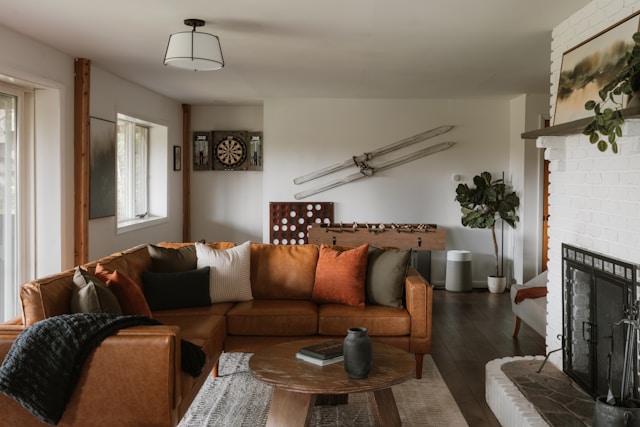
Sectional sofas have quietly become the hero of the modern living room. Instead of juggling a regular sofa, loveseat, and a couple of chairs, a sectional sofa gives you one connected, lounge-ready island for everything from movie nights to WFH marathons. In this guide, you’ll learn what a sectional really is, how it differs from a standard sofa setup, whether a modern sectional sofa fits your space and lifestyle, and how to choose the best layout, style, and configuration for your living room sectional.
Understanding Sectional Sofas: What They Are & How They Work
What Is a Sectional Sofa?
A sectional sofa is a multi-piece sofa designed to connect into one larger seating unit. Instead of a single fixed frame, you get components like a corner unit, armless seats, a chaise, and sometimes an ottoman that lock together to form one large sofa. That’s what makes a sectional sofa so good at wrapping around a corner or floating in the middle of an open-plan room.
Compared with a standard sofa plus loveseat or sofa plus accent chairs, a sectional typically offers more seats in a tighter footprint, with fewer awkward gaps. You’re trading scattered pieces for one cohesive, lounge-ready shape that feels custom to your room.
Main Types of Sectional Sofas
Most homes start with an L shaped sofa: a classic layout where a long side meets a shorter side at a right angle. It’s ideal against two walls or to hug a corner and instantly define the living area. U-shaped and “pit” sectionals go further, wrapping around three sides to create a conversation pit that’s perfect for big families and serious entertainers.
Modular sectionals use individual pieces you can flip, add, or rearrange over time. Many modern sectional sofa designs combine modular construction with low profiles, clean lines, and slim arms, so they feel airy rather than bulky. For a deeper dive into shapes and room matches, explore Povison’s best sectional sofa guide. Global demand reflects this shift: the sectional sofa market was valued at about $38.4 billion in 2024 and is projected to keep growing strongly through 2033 (data from DataIntelo, 2024).
Pros & Cons: Is a Sectional Sofa Right for Your Lifestyle?
Why People Love Sectional Sofas
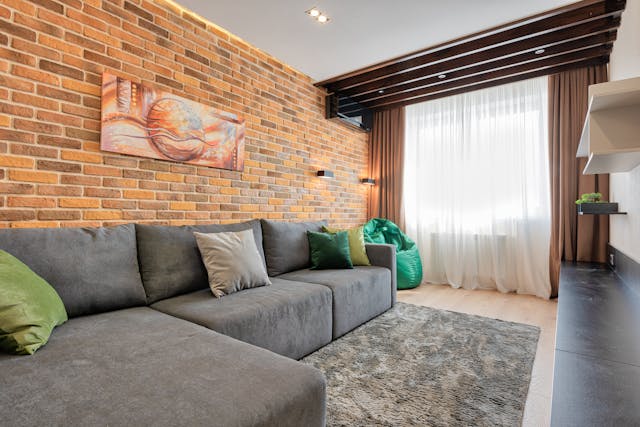
A sectional sofa packs a lot of seating into one footprint, which is gold if you live with kids, pets, or frequent guests. Everyone can lounge, stretch out, or nap without fighting for the “good” spot. In open-concept layouts, a living room sectional also acts like a soft room divider, visually separating the lounge zone from dining or workspace areas without adding walls.
There’s a lifestyle shift behind this: people are spending more time nesting at home, with surveys showing winter “cozy time” often centers on curling up on the couch (48% of respondents in a 2,000-person U.S. survey named it a key comfort ritual, New York Post, 2025). (纽约邮报) A sectional supports that cocooning lifestyle in a way a smaller sofa simply can’t.
Downsides to Consider Before You Buy
The same qualities that make a sectional sofa cozy can become drawbacks if you choose the wrong scale or color. A huge dark U-shaped piece can overwhelm a compact room, making it feel cramped and heavy. Because it’s one big form, a sectional is harder to rearrange than separate sofa and chair combos; you get fewer layout experiments once it’s in place.
Non-modular sectionals can also be tricky with doors, elevators, and narrow hallways. If you move to a new home with a different room shape, the chaise might end up blocking a door or window. When one arm or corner no longer works, the entire large sofa can start to feel “off,” which is why thinking ahead about flexibility matters.
Will a Sectional Sofa Fit Your Space? Layout & Measurement Checklist
Measure Like a Pro (So You Don’t Block Every Walkway)
Before falling in love with a living room sectional, map out the reality of your room. Measure wall lengths, note windows, doors, and radiators, and mark where vents or floor outlets live. Check the depth you can comfortably handle, especially where a chaise will project into the room, and remember low windows or heaters when considering back height.
- Measure each wall and note obstructions
- Mark TV or fireplace as the main focal point
- Check doorways, hallway turns, and elevator dimensions
- Aim for 24–36 inches of clear walking path around the sectional
- Use painter’s tape on the floor to outline the sectional footprint
For more layout rules and spacing examples, you can borrow ideas from Povison’s step-by-step guide on how to layout furniture in your living room.
Matching Sectional Shapes to Room Shapes
An L shaped sofa shines in long, rectangular rooms or any space where you want to “finish” an empty corner. When I moved into a narrow apartment, swapping two clashing loveseats for a compact L shaped sectional instantly made the room feel intentional instead of pieced together. The sectional hugged one corner, leaving the middle of the room free for a slim coffee table and soft rug.
U-shaped or extra-deep living room sectional designs work best in large square rooms or open-plan layouts where you need a defined conversation pit. Whatever you choose, start with the focal point: TV, fireplace, or big window. Let that anchor determine where the sectional faces, then build around it, instead of defaulting to “push the sofa against the wall.”
Choosing the Right Style & Configuration (Modern, Cozy, or In-Between?)
Modern Sectional Sofa vs Classic Looks
A modern sectional sofa usually has clean lines, lower backs, slim or track arms, and neutral or muted tones. It pairs well with minimalist, Scandinavian, or contemporary interiors and can make compact rooms feel lighter. Transitional or classic styles have slightly higher backs, softer cushions, and details like tufting or piping, which suit cozy family rooms and traditional homes. Fabric and color change how big a large sofa feels: light, textured fabrics make it seem airier, while charcoal or caramel leather feels richer and more cocooning. In smaller or darker rooms, a pale modern sectional sofa with visible legs is almost always more forgiving than a bulky, skirted design.
Picking the Best Configuration for How You Live
Configuration is where lifestyle really matters. Choose the chaise side by standing at the main entry and following the natural traffic flow toward your TV or focal point. Keep balcony doors and hallway paths clear, and place the chaise on the opposite side so no one has to climb over it. Decide if you want a stationary or modular sectional sofa: modular pieces are great if you move often or like to rearrange, while stationary frames offer cleaner lines but a fixed silhouette. For a deeper breakdown of modular vs traditional builds, check Povison’s guide to modular sectional sofas vs traditional. Families with kids and pets should prioritize performance fabrics, washable covers, and deep seats; one friend with two toddlers swears by their extra-wide chaise, where the kids pile on with snacks and books while she still keeps a “guest-ready” corner.
Comfort, Quality & Practical Details People Forget to Check
Inside the Sofa: Frame, Cushions & Fabric
Under the upholstery, a good sectional sofa starts with a strong frame. Solid hardwood tends to outlast particleboard or softwood frames, especially in high-traffic family rooms. For support, you’ll often see webbing, sinuous springs, or in higher-end pieces, 8-way hand-tied springs; you don’t need to be an expert, but you do want support that feels even and doesn’t sag when you sit near the edge.
Cushion comfort is about more than “soft vs firm.” Look at seat depth and height relative to your body. Taller people often love deeper, lounge-style seats, while shorter users prefer slightly shallower seats so their feet touch the floor. Performance fabrics and stain-resistant finishes are worth the upgrade, especially on a modern sectional sofa in a busy household, because they slow wear and keep the fabric looking fresh longer.
Practicalities: Delivery, Assembly & Care
Before you check out, confirm how the sectional will actually arrive. Modular pieces are easier to navigate through tight stairwells; a single giant frame might require white-glove delivery. Measure doorways, elevator depth, and tricky corners, and compare them to the largest piece’s dimensions.
When you test sofas in person, use a simple “sectional sit test”: sit upright with your feet flat, slouch back as you would for Netflix, lie down on the chaise, and even try a quick side-lying position. Check that your lower back feels supported and your neck isn’t straining at your usual TV height. At home, removable cushion covers, clear cleaning codes, and the habit of rotating cushions will keep your living room sectional looking balanced for years.
Styling & Layout Ideas for Different Room Sizes
Small & Medium Living Rooms
In a smaller room, look for a compact living room sectional with slim arms, raised legs, and lighter upholstery. Floating an L shaped sofa a few inches off the wall adds depth and lets you tuck a narrow console behind it for extra storage and lamps. A small round coffee table keeps traffic flowing, while nesting tables and wall-mounted shelves reduce floor clutter without sacrificing function.
Large, Open-Plan Spaces
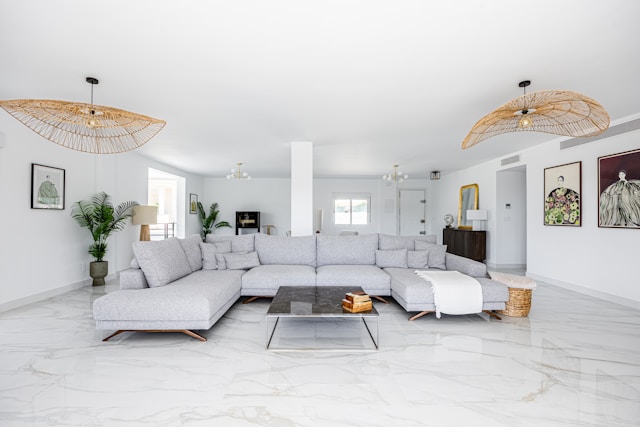
In large or open-plan spaces, a big U-shaped or generously scaled large sofa can define a lounge zone without building walls. Use the sectional to anchor a big rug and face it toward your main focal point, whether that’s a fireplace or a city view. Balance the scale with a substantial coffee table or ottoman and artwork that visually matches the width of the sofa, so the seating doesn’t dwarf everything else. For styling a deeper, lounge-style piece, Povison’s deep sofa living room ideas offer layout and color tips you can steal.
Conclusion: Is a Sectional Sofa Really Right for You?
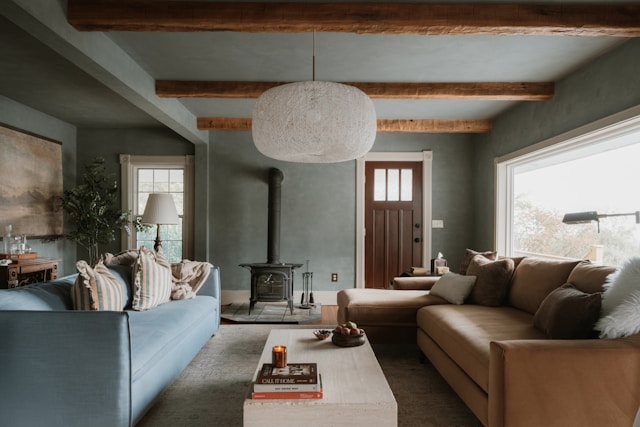
A sectional sofa isn’t automatically the best choice for every home—but when it fits your room and lifestyle, it can transform how you use your space. Start with your dimensions and focal point, then match the sectional’s shape, style, and configuration to how you actually live, not how a showroom looks. Whether you land on a slim L shaped sofa or a sprawling living room sectional, the goal is the same: a room where people naturally want to gather, lounge, and stay awhile.
Sectional Sofa FAQs
Is a sectional sofa okay for a small living room?
Yes, as long as you choose the right scale. Opt for a compact L shaped sofa with slim arms, raised legs, and lighter fabric so it feels airy. Keep the chaise on the side that doesn’t block doors or main walkways, and pair it with a small round coffee table to maintain clear circulation.
Can I separate my sectional into individual pieces?
It depends on the design. True modular sectionals are built from standalone units that can be rearranged or even used as separate seats. Fixed-configuration sectionals connect with brackets and are meant to function as one large sofa, so separating them will often look unfinished or expose sides that weren’t meant to be seen.
How big should my rug be under a living room sectional?
A good rule: the rug should be large enough to sit under the front legs of the sectional sofa and any facing chairs. Leave a border of floor (typically 8–18 inches) between rug edges and walls. In big rooms, it’s often better to size up so the entire seating zone feels anchored by one generous rug.
Are sectionals going out of style?
Not anytime soon. Designers are leaning into flexible, lounge-friendly seating, and modern sectional sofa silhouettes with clean lines and neutral fabrics feel timeless. Trends shift more in details—fabric texture, leg style, cushion shape—than in the basic idea of wrapping comfortable seating around the heart of the living room.
How long should a quality sectional sofa last?
With a solid wood frame, durable suspension, and quality fabric, a well-cared-for sectional sofa can last 8–15 years or more. Lifespan depends on use, pets, and maintenance. Look for robust joinery, sturdy legs, and cushions that recover their shape; rotating cushions, vacuuming, and quick stain treatment will extend its life significantly.


