 By Kelvin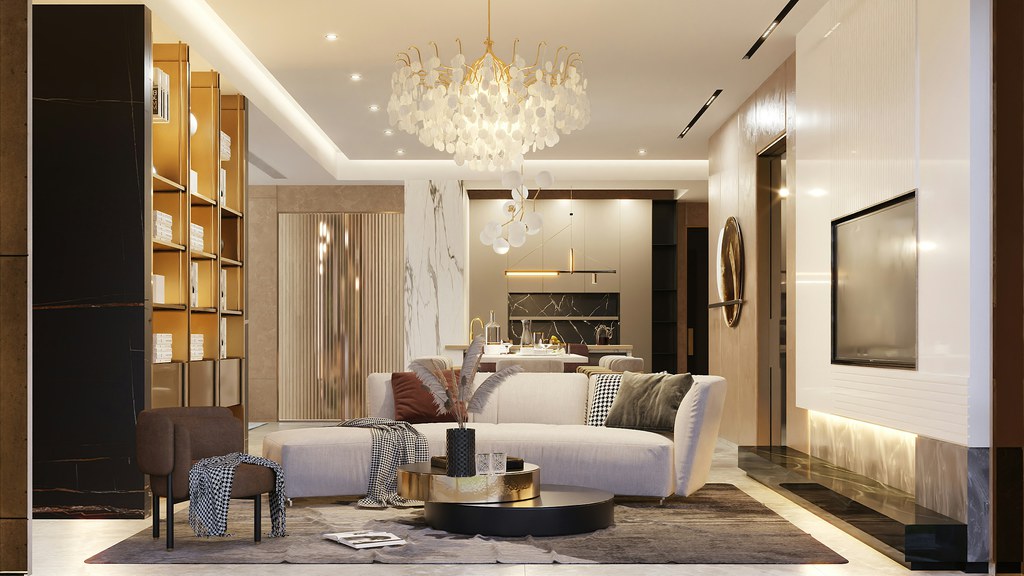
Introduction
If you are searching for line definition in interior design, you probably want more than a textbook answer. You want to know why some rooms feel calm, tall, open, boxy, busy, or unfinished even when the furniture is expensive. Lines are one reason. They show up in sofa arms, TV stands, coffee tables, dining tables, shelves, rugs, curtains, and even the way furniture is aligned. This guide explains the concept simply, then shows how to use lines when choosing furniture for a real home.
Table of Contents
What Is Line Definition in Interior Design?
The definition of line in interior design is the visual direction created by edges, shapes, outlines, seams, patterns, or furniture placement. A line can be physical, such as the edge of a coffee table, the frame of a cabinet, or the vertical drop of a curtain. It can also be implied, such as the path your eye follows across a sofa, rug, TV stand, or row of dining chairs.
The practical answer is simple: line gives a room structure. It tells the eye where to move, where to rest, and what to notice first.
In furniture, lines are often easier to control than walls or flooring. You may not be ready to add wall paneling or replace hardwood floors, but you can choose a low sofa, a long media console, a round coffee table, or a tall cabinet. That is where line definition in interior design becomes useful for everyday buying decisions.
Why Should Furniture Buyers Care About Lines?
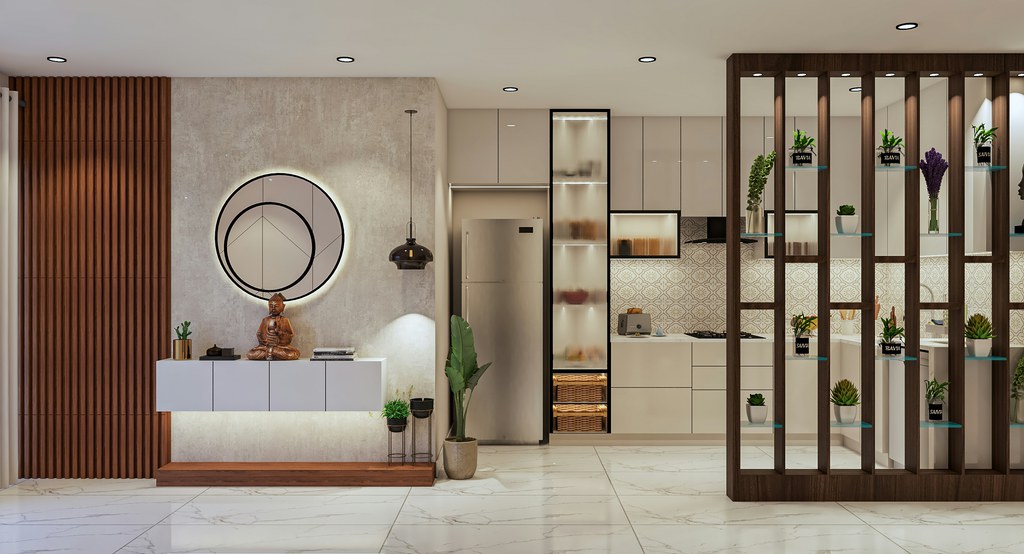
Many people choose furniture by color, material, and size first. Those things matter, but the shape of a piece often changes the room more than expected. A low, long sofa creates a very different feeling from a tall, high-back sofa. A round coffee table changes the walking path in a tight living room. A long TV stand can make a cluttered media wall feel calmer.
Lines affect three buying decisions:
- Proportion: Does the furniture make the room feel taller, lower, wider, or heavier?
- Mood: Does the room feel calm, formal, energetic, soft, or rigid?
- Function: Does the furniture guide traffic, define zones, or create visual clutter?
This is why modern furniture with clean lines often works well in homes that need visual order without feeling overly decorated. The style is not only about looking simple; it is about reducing competing edges, busy details, and confusing shapes.
Which Furniture Lines Change a Room the Most?
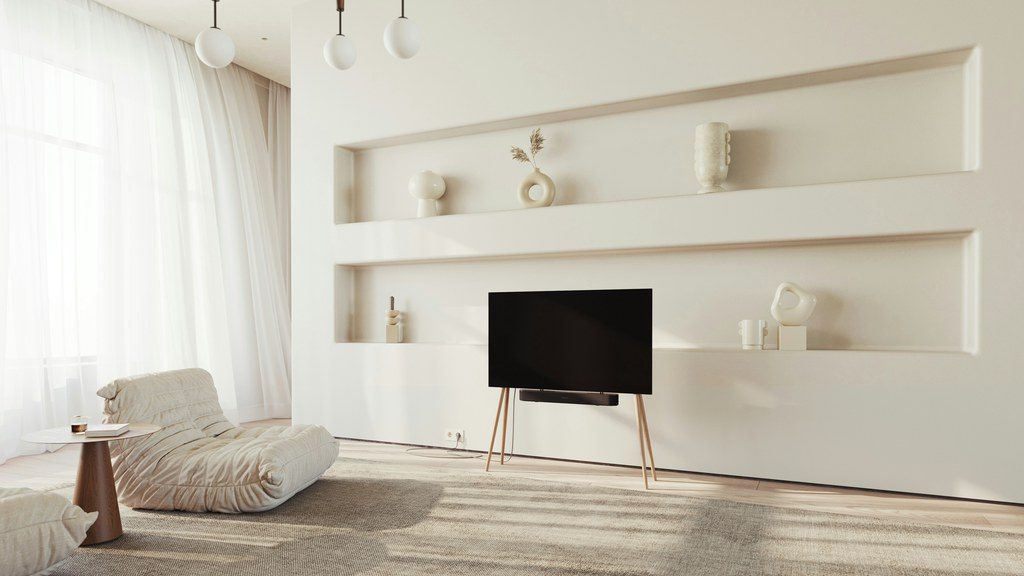
Different furniture pieces create different line effects. A sofa usually sets the main horizontal line in a living room. A TV stand controls the visual weight of the media wall. A coffee table changes the center of the seating area. Dining tables and sideboards guide movement and rhythm in shared spaces.
Use this table as a buying shortcut when you are deciding what shape or silhouette your room needs.
| Furniture Piece | Line It Creates | Best For | Be Careful If |
| Sofa | Horizontal, curved, or blocky line | Grounding the living room and setting the main seating shape | The back is too high for a small or low-ceiling room |
| TV stand | Long horizontal line | Making a TV wall feel cleaner and more stable | It is too short for the wall or too bulky for the room |
| Coffee table | Rectangular, round, oval, or sculptural line | Adding structure or softening a boxy layout | Sharp corners block a tight walkway |
| Dining table | Long, round, or oval line | Supporting traffic flow and conversation | The shape leaves too little chair clearance |
| Sideboard | Horizontal line plus door rhythm | Adding storage and visual order | Busy fronts compete with rugs, art, or wall panels |
| Bookshelf or cabinet | Vertical line | Drawing the eye upward and adding height | Too many tall pieces make a small room feel crowded |
A room does not need every type of line. It needs the right dominant line and one or two supporting lines.
How Do Different Line Types Guide Furniture Choices?
The main types of line in interior design are horizontal, vertical, diagonal, and curved. Each one changes how a room feels. For furniture shopping, the key is not memorizing terms. The key is knowing when a room needs grounding, height, movement, or softness.
Horizontal Lines in Interior Design
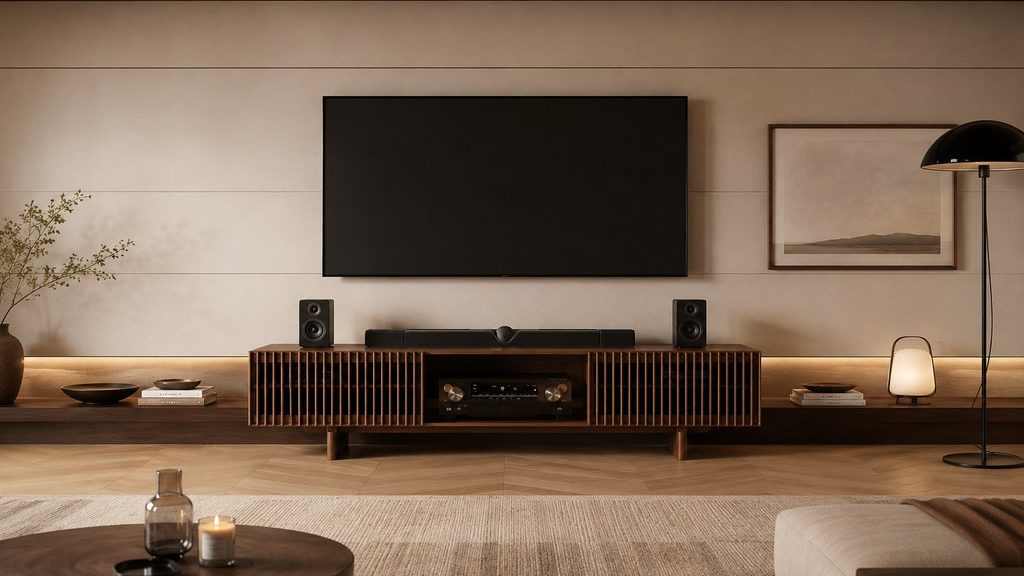
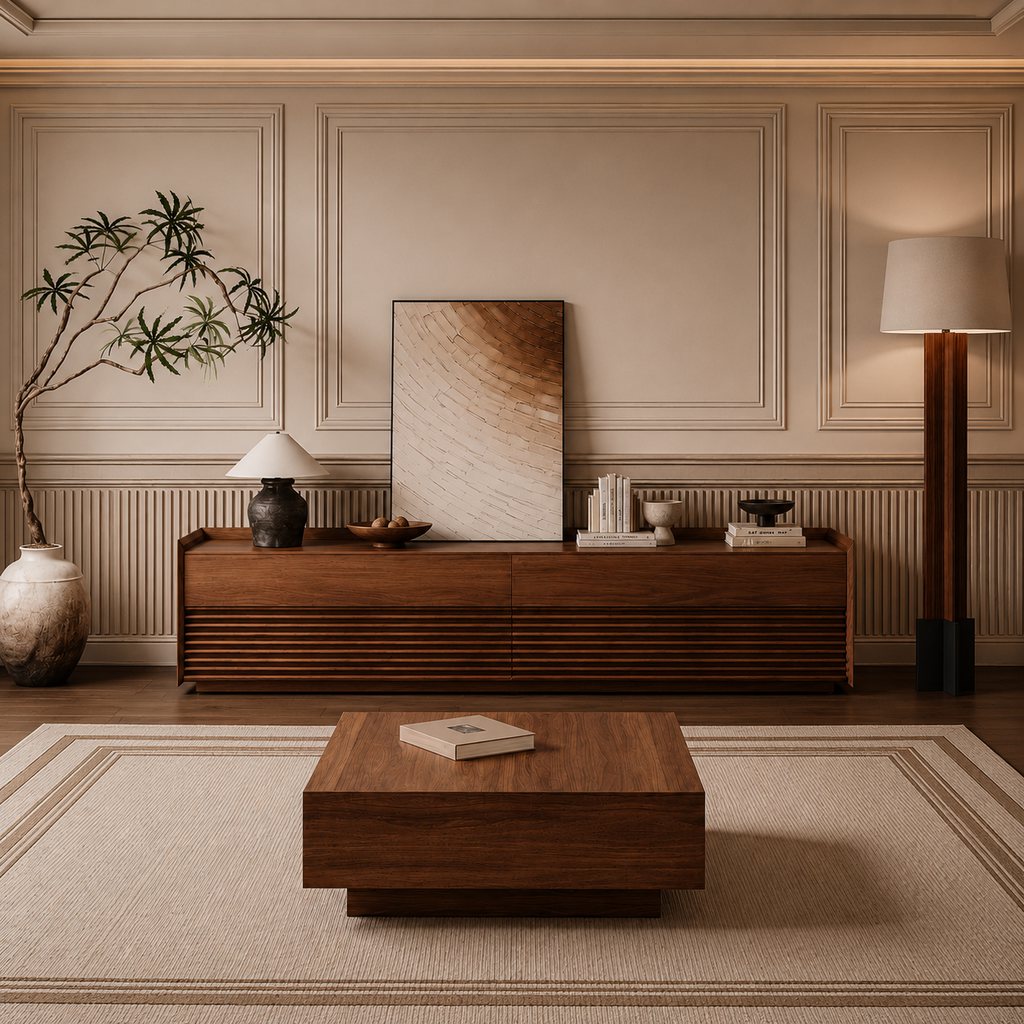
Horizontal lines in interior design create a sense of calm, width, and stability. In furniture, they appear in low sofas, platform beds, long dining tables, sideboards, benches, and media consoles.
A long horizontal piece is useful when a room feels scattered. For example, a TV wall with visible cords, remotes, speakers, and gaming devices can feel busy because the eye has no clear resting point. A low, closed-storage media console creates one stable line under the screen and helps the wall feel more intentional. A cleaner TV wall often starts with a stand that has the right width, closed storage, and cable-friendly design.
Horizontal lines can also make a narrow room feel wider, but they should not be overused in a room with a low ceiling. For a TV wall that needs this steady horizontal effect without looking cluttered, the Arboren Mid-Century Modern TV Stand with storage adds a low, clean base with closed storage and cable-friendly details to keep electronics visually contained. If every major piece is low, long, and heavy, the space may start to feel compressed.
Vertical Lines in Interior Design
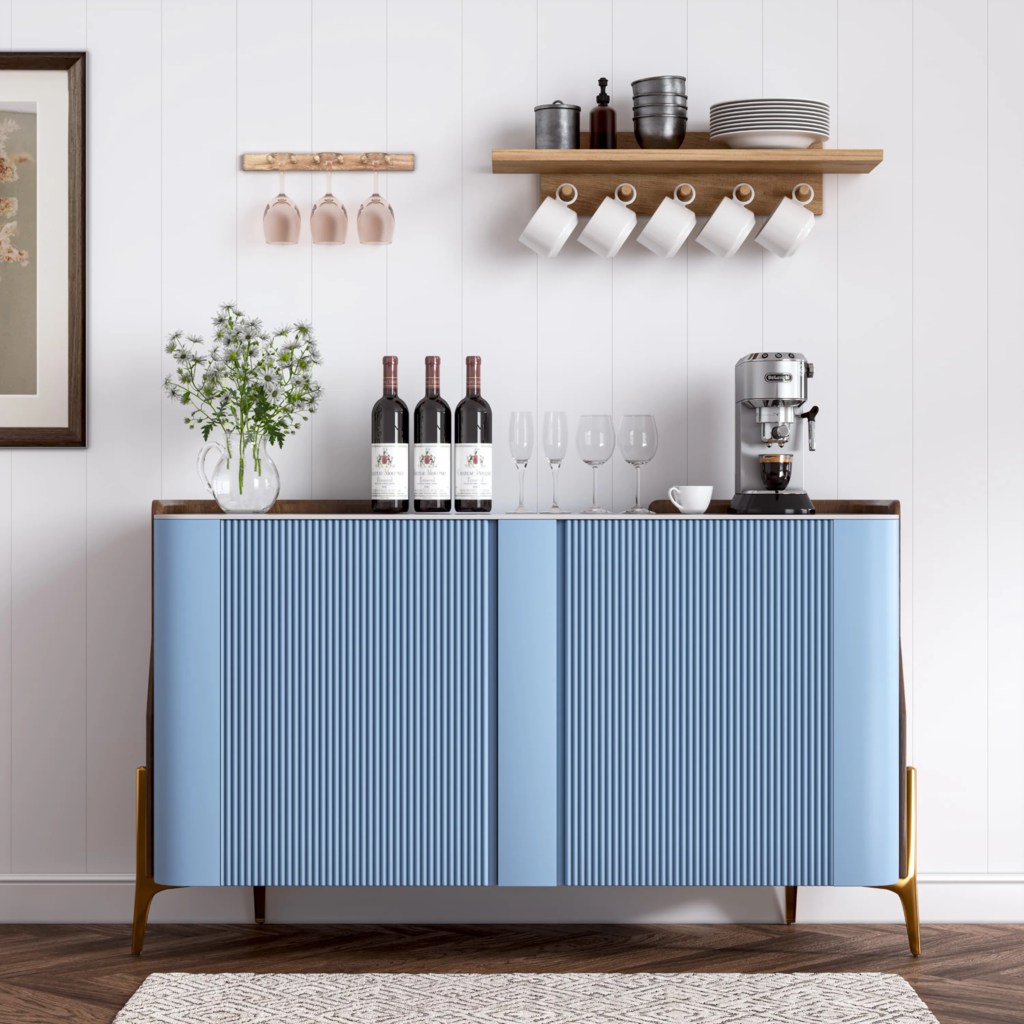
Vertical lines in interior design draw the eye upward. They can make ceilings feel taller and give a room more presence. They appear in tall bookcases, high curtains, floor lamps, headboards, narrow cabinets, wall panels, and vertical artwork.
Use vertical lines when a room feels low, flat, or visually heavy. In a living room with a low sofa and long TV stand, one tall floor lamp or a pair of floor-to-ceiling curtains can lift the whole composition. In a bedroom, a tall headboard can create a stronger focal point without needing a bold wall color.
The caution is scale. Too many tall storage pieces in a compact room can feel like a wall of furniture. One vertical accent often works better than several competing tall pieces.
Curved Lines in Interior Design
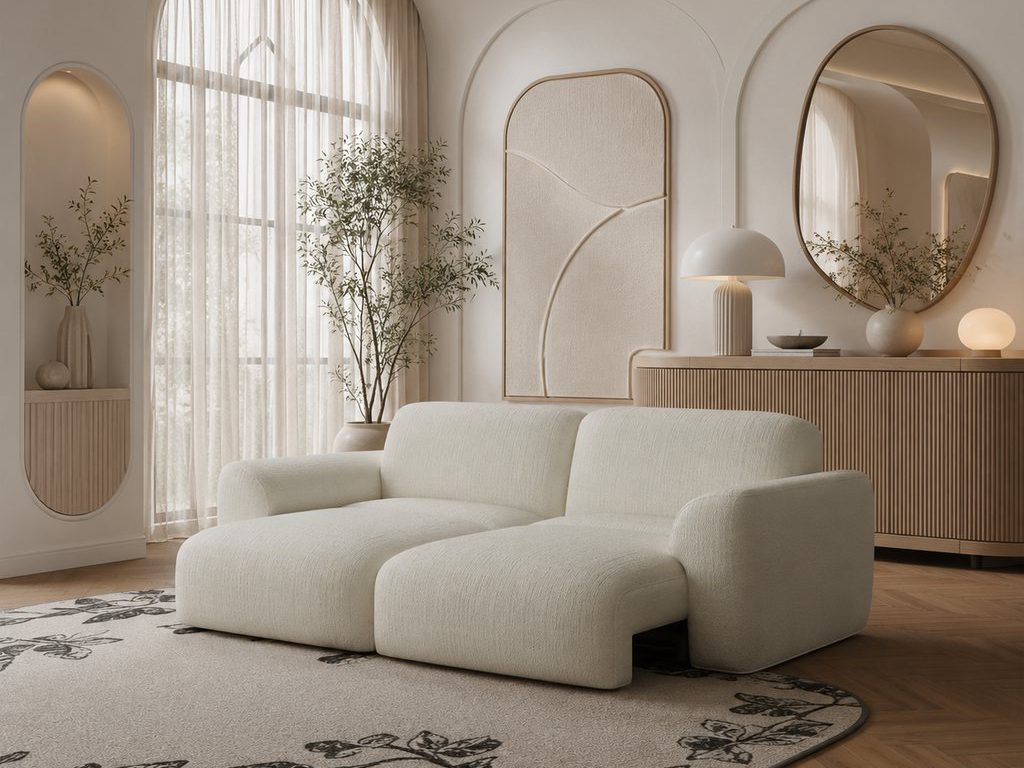
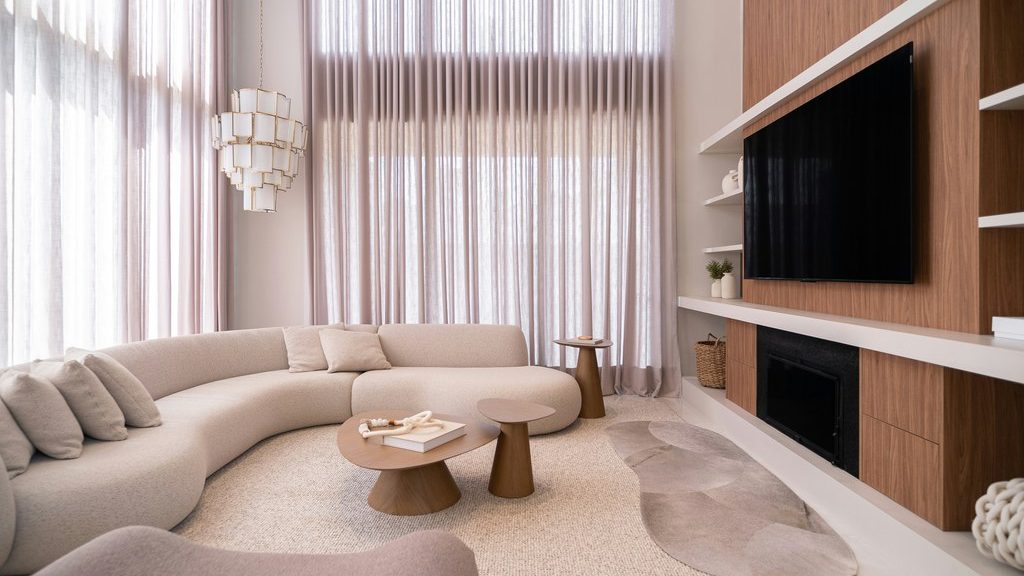
Curved lines in interior design make a room feel softer, more relaxed, and easier to move through. They show up in curved sofas, round coffee tables, oval dining tables, arched mirrors, rounded chair backs, circular rugs, and soft-edge ottomans.
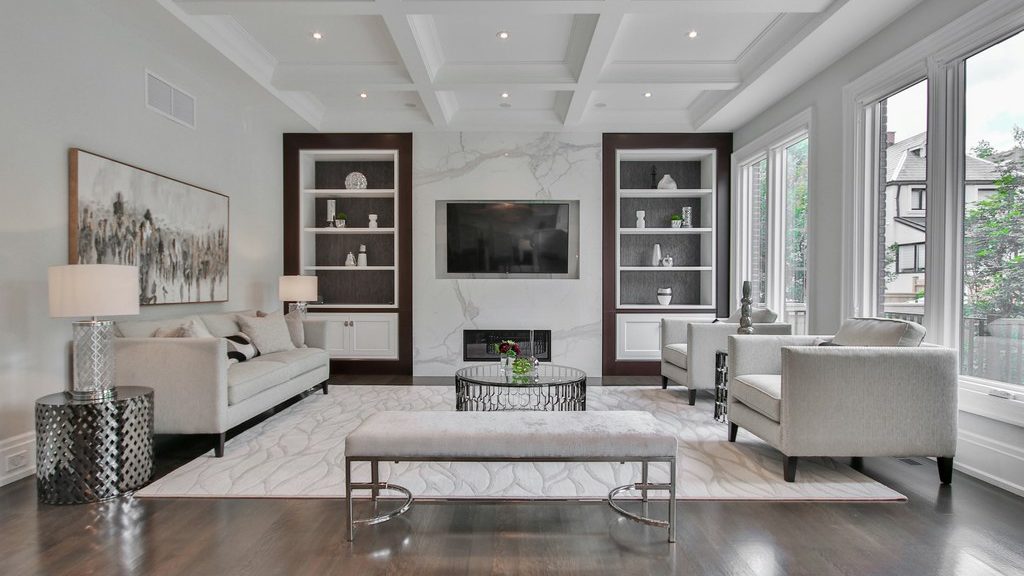
Curves are especially helpful when a room has many straight edges: rectangular windows, square rugs, boxy sofas, straight media consoles, and angular tables. A round coffee table can soften a seating area without changing the whole room. A curved sofa can help a large or open-plan living room feel more social because the seats naturally turn toward each other. Curved sofa ideas for softer living rooms are useful when the goal is comfort, flow, and conversation rather than strict symmetry.
For a room that needs softer furniture lines but not a dramatic crescent sofa, the Aurora-Power Sofa Bed works better as a subtle curved-line choice. Its rounded arms, cream chenille texture, and retractable power seat help soften boxy walls or straight storage pieces while keeping the seating practical for daily lounging.
Curves are not automatically better. In a very small apartment, a deeply curved sofa may waste corner space. In that case, a straight sofa with a round table may be the smarter balance.
Diagonal Lines in Interior Design
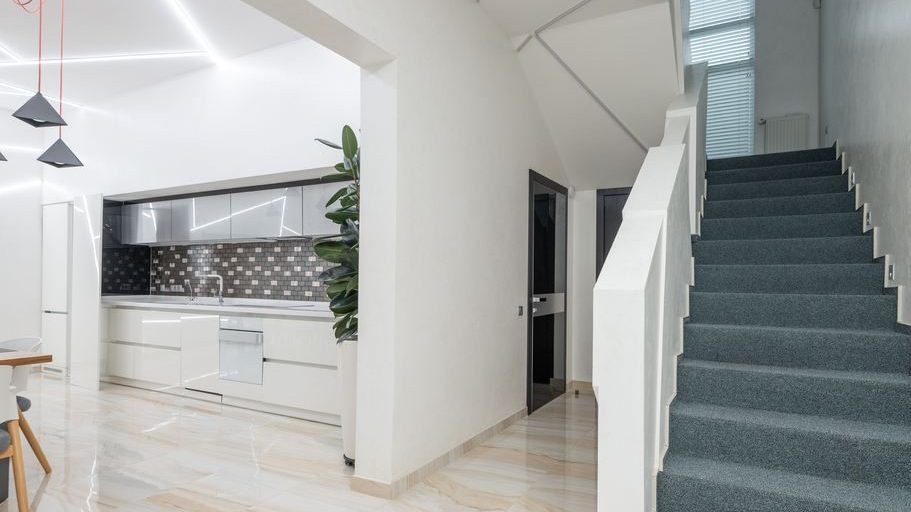
Diagonal lines in interior design add movement and energy. They appear in angled chair legs, slanted shelving, herringbone floors, chevron rugs, angled lighting arms, and furniture placed on a diagonal.
Diagonal lines work best as accents. A small angled side table, a herringbone cabinet front, or a rug with subtle diagonal movement can keep a room from feeling too static. But too many diagonals can make a room feel restless. In a space used for relaxing, such as a family room or bedroom, diagonal lines should support the design rather than dominate it.
How Do Furniture Lines Support Different Decorating Styles?
Furniture lines also help define decorating style. Two rooms can use the same neutral colors, but the furniture silhouettes may make one feel modern, another feel Japandi, and another feel organic modern. When choosing furniture, look at the overall outline first: low or tall, straight or curved, slim or blocky, plain or detailed.
| Decorating Style | Line Direction | Furniture Choices |
| Modern | Clean straight lines, low profiles | Low sofas, sleek TV stands, simple coffee tables |
| Japandi | Low horizontal lines with minimal detail | Platform-style beds, plain cabinet fronts, low wood storage |
| Organic Modern | Straight structure with soft curves | Curved sofas, round coffee tables, warm wood consoles |
| Mid-Century Modern | Slim geometry and angled legs | Tapered-leg tables, low media consoles, clean-lined sofas |
| Transitional | Softened straight lines | Rounded-arm sofas, simple sideboards, gently curved chairs |
The goal is not to label every style perfectly, but to see why a sofa shape, table form, or storage silhouette may support the room you want. A modern room often needs restraint and clean edges. An organic modern room may need the same clean structure, but with more rounded forms and natural materials. A Japandi room usually works best when the furniture lines stay low, quiet, and uncluttered.
How Can Lines Solve Common Room Problems?
Line choices become most useful when you connect them to a room problem. Instead of asking, “Which line type is best?” ask, “What feels wrong in this room?” The answer usually points toward a furniture shape, height, or placement decision.
| Room Problem | Line Strategy | Furniture Move |
| The room feels cold or boxy | Add curved lines | Try a round coffee table, curved chair, oval dining table, or rounded sofa arm |
| The TV wall feels messy | Add one strong horizontal line | Use a long TV stand with closed storage and a calm front |
| The ceiling feels low | Add controlled vertical lines | Hang curtains higher, add a tall floor lamp, or use a slim cabinet |
| A small room feels crowded | Reduce heavy lines | Choose slim legs, lower profiles, raised bases, and softer corners |
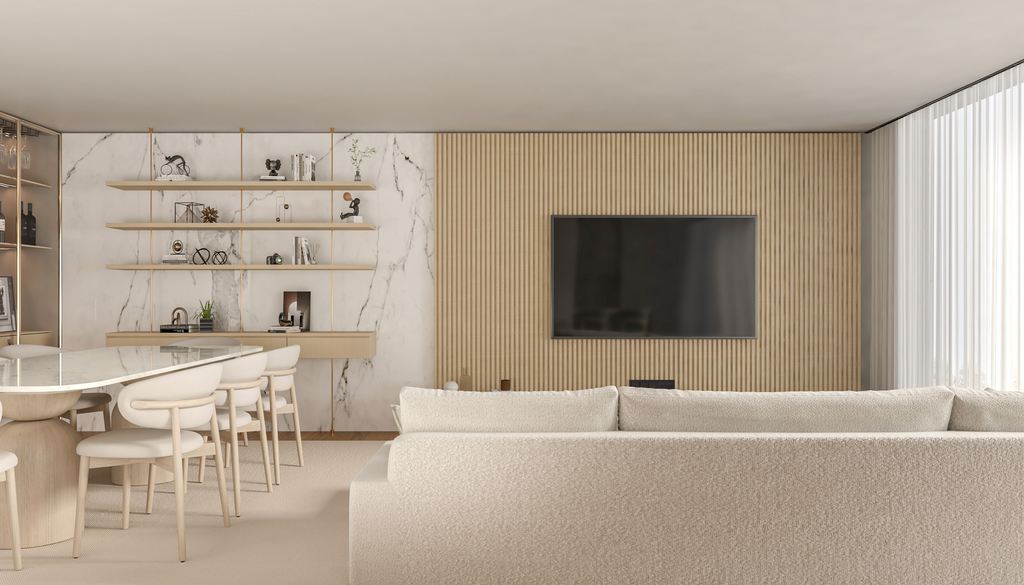
| Open-plan areas feel unclear | Create implied lines | Align the sofa back, rug edge, dining table, and lighting direction |
| The room feels flat | Mix line types | Pair a linear console with a round table or curved accent chair |
A common living room example is the boxy sofa problem. The sofa, rug, TV, windows, and coffee table are all rectangular, so the room feels correct but stiff. Replacing only the coffee table with a round or oval shape can make the seating area easier to walk through and more relaxed.
Another example is an open living and dining area. If the sofa faces one direction, the rug sits at a different angle, and the dining table floats without alignment, the room feels accidental. Straightening the implied lines between the sofa back, rug edge, and dining table can create zones without adding a divider.
How to Balance Straight and Curved Furniture Lines
A balanced room usually has one dominant line direction and one softening contrast. Too many straight lines can feel cold. Too many curves can feel loose or overly trendy. The goal is not to use every line type. The goal is to make the furniture support the way the room is used.
Try these simple formulas:
- Straight sofa + round coffee table: good for small living rooms that need clear seating but softer traffic flow.
- Long TV stand + curved accent chair: good for a structured media wall with a more inviting seating area.
- Rectangular sideboard + oval dining table: good for dining rooms that need storage and easier movement.
- Low horizontal sofa + tall curtains: good for rooms that need both calm and height.
- Clean-lined storage + textured rug: good for rooms that need order without feeling plain.
The best mix depends on what the room already has. If the architecture is full of straight lines, bring in curves through furniture. If the room already has arches, rounded windows, or soft rugs, straight storage pieces can add needed structure.
What Furniture Line Mistakes Should You Avoid?
Line mistakes usually happen when every piece is chosen separately. A sofa looks good online. A coffee table looks good in a showroom. A TV stand looks practical. But together, their lines may fight each other.
Avoid these common mistakes:
- Buying every piece with the same boxy shape. The room may feel rigid, even if the colors are warm.
- Choosing a TV stand that is too short for the wall. It can make the screen feel top-heavy and disconnected.
- Using too many tall pieces in one small room. Vertical storage is useful, but too much can feel crowded.
- Choosing a sharp rectangular coffee table for a tight walkway. Rounded corners can make daily movement easier.
- Letting the rug, sofa, and dining table point in different directions. Misaligned implied lines can make open spaces feel unfinished.
Before buying, look at the room as a whole. Ask what the largest visible line will be. In many living rooms, it is the sofa or TV stand. In dining rooms, it is the table. In bedrooms, it is the bed frame or headboard. Start there, then choose supporting pieces that balance that main line.
Conclusion
Line definition in interior design is not only a design-school concept. It is a practical way to choose furniture that makes a room feel calmer, taller, softer, wider, or better organized. Horizontal lines ground a space, vertical lines lift the eye, curved lines soften hard edges, and diagonal lines add movement in small doses. When you shop for furniture, look beyond color and material. The silhouette, height, edge shape, and direction of each piece will decide how the whole room feels.
FAQ
Should a small room use more vertical or horizontal lines?
A small room usually needs both. Low horizontal furniture keeps the room grounded and open, while one or two vertical elements lift the eye. For example, pair a slim sofa with tall curtains or a floor lamp. Too many heavy horizontal or vertical pieces can make the room feel tight.
Can furniture lines affect interior style?
Yes, furniture lines strongly affect style. Clean straight lines often read modern, low horizontal lines can feel Japandi or mid-century, organic curves feel warmer and softer, and decorative curves can feel more traditional. This is why line in interior design matters even before color, fabric, or decor.
How does line definition help an open-plan living and dining room?
Line definition helps an open-plan room feel organized without adding walls. The sofa back, rug edge, dining table direction, pendant lights, and storage pieces can create implied zones. An open-plan living room layout works better when these lines guide movement instead of pointing in random directions.
Can fluted or slatted furniture make a room look too busy?
Yes, fluted or slatted furniture can look busy if several pieces use the same repeated detail. One ribbed sideboard or slatted TV stand can add rhythm, but pairing it with striped rugs, paneled walls, and busy shelves may create visual noise. Keep surrounding pieces simpler when one furniture item already has strong line texture.
Should furniture color match the line direction?
Furniture color does not need to match the line direction, but contrast affects how visible the lines feel. A dark low TV stand creates a stronger horizontal line than a pale one. A light cabinet with subtle grooves feels softer. Use stronger contrast when you want structure, and lower contrast when you want calm.
What is the easiest furniture change for a room that feels too boxy?
The easiest change is usually adding one rounded piece. A round coffee table, oval dining table, curved chair, or sofa with rounded arms can soften a room filled with rectangular windows, straight shelves, square rugs, and boxy storage. Start with one curved element before replacing larger furniture.


[…] are only one part of how different furniture lines shape a room; horizontal, vertical, and diagonal lines influence furniture choices in different […]