 By Kelvin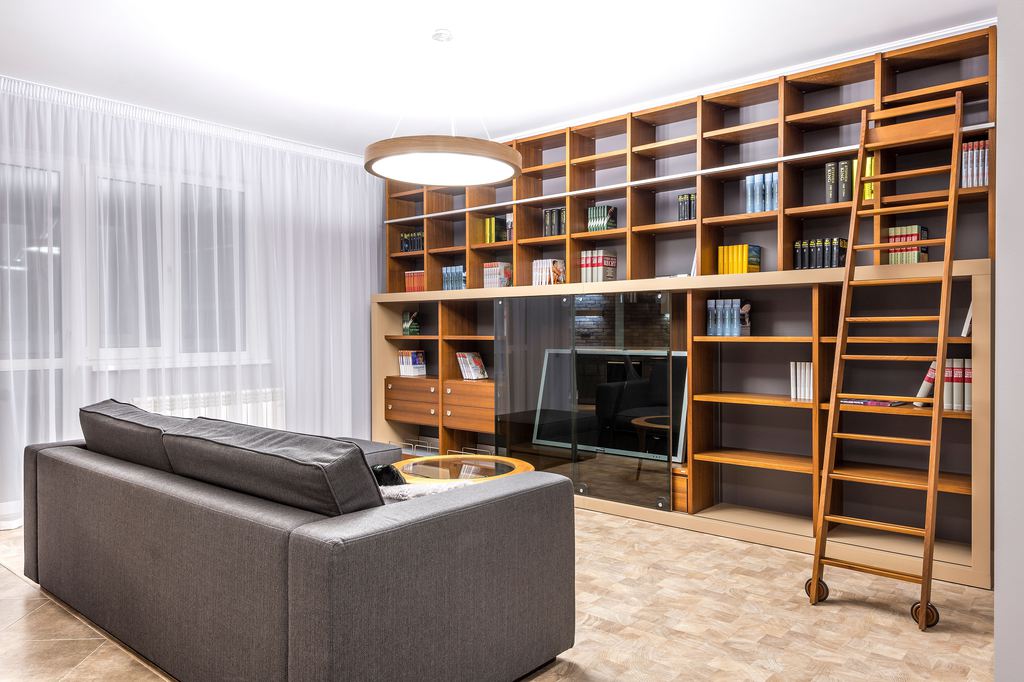
Introduction
A living room library can keep books close without giving up the sofa, TV, or open floor space that daily life needs. The challenge is not simply finding shelves. It is deciding where books belong, where people will actually read, and how to stop media gear, magazines, and loose items from taking over. The goal is balance: storage for a collection, furniture for reading, and a layout that works when friends visit or the family settles in for a movie.
Table of Contents
What Makes a Living Room Feel Like a Library?
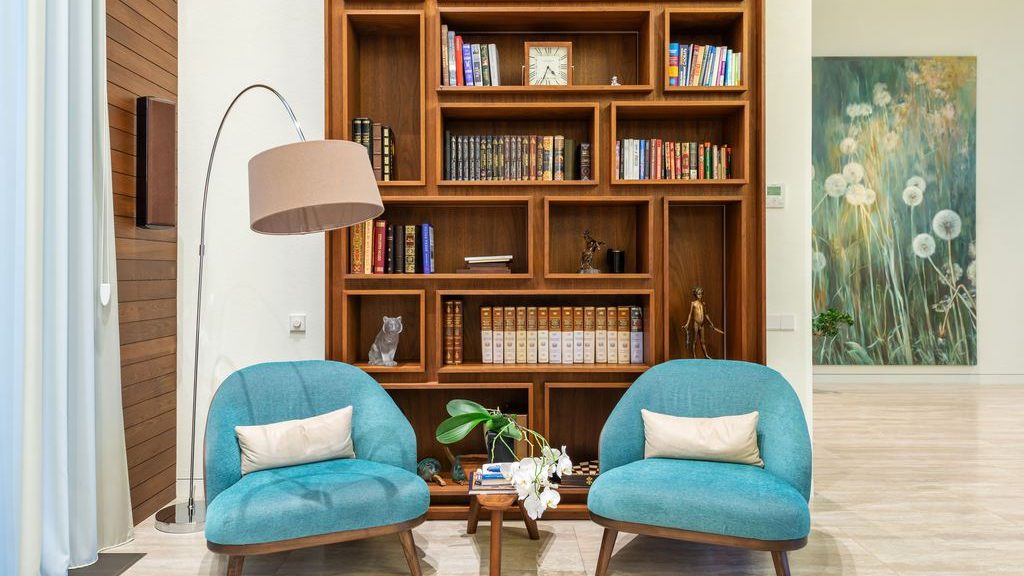
A room feels like a library when reading is built into the way it functions, not when every surface is covered with books. A bookcase, wall shelf, or glass-door cabinet may hold the main collection. The rest of the room should make those books easy to enjoy: a comfortable seat, a nearby surface, and light that works after sunset.
Use this quick test:
- Read: Some books are visible and easy to reach.
- Sit: One seat is comfortable enough for more than a few pages.
- Set down: A table holds a drink, glasses, and the book in progress.
- Store: Remotes, cables, games, and extra magazines have a closed home.
- Move: The path through the room stays clear.
A chair and compact bookcase can work in an apartment; a larger family room may need a book wall plus low media storage to keep its functions separate.
How Should You Plan the Room Around Daily Life?
Before buying shelves or rearranging a sofa, decide how the room works each week. A reading-first room can center a chair and book storage. A TV-first family room needs the screen and seating to remain comfortable, with books organized around rather than against those priorities. This order prevents the finished room from looking inviting but feeling hard to use.
Decide Whether the Room Is TV-First, Reading-First, or Mixed-Use
A TV-first room can still feel bookish. Keep the screen on its most practical wall, then place books on a separate shelf wall, cabinet, or reading corner. A reading-first room can center a chair, lamp, and collection, with the TV on a secondary wall or omitted.
Mixed-use rooms need both. Keep seating comfortable for movie night, and add one seat that turns toward books, a window, or conversation. On a quiet weeknight, that seat becomes the place for a novel; on Saturday, it can angle back toward guests.
Protect the Main Walkway Before Adding Storage
Start with doors, hallways, and the route between the sofa and other rooms. A bookcase that forces people to squeeze past its corner will make the layout feel smaller. In a compact home, a small living room layout works better when one clear route stays open and storage gathers along the least interrupted wall.
Keep tall pieces away from a door swing. If a window gets strong direct sun, move sensitive books farther from the glass or use a cabinet with doors. Anchor tall freestanding cases according to the manufacturer’s instructions.
Separate the Book Collection From Everyday Clutter
Books, media equipment, and household extras need different storage. Put the collection in shelving or a cabinet that is designed to organize it. Let a media console handle the TV, cords, remotes, and game accessories. Then reserve small, easy-access zones for the book you are reading now.
A stack of art books can look intentional; bills, controllers, charging cords, and half-read paperbacks do not. A library in living room spaces stays calmer when each category has one clear job.
What Furniture Helps a Living Room Work Like a Library?
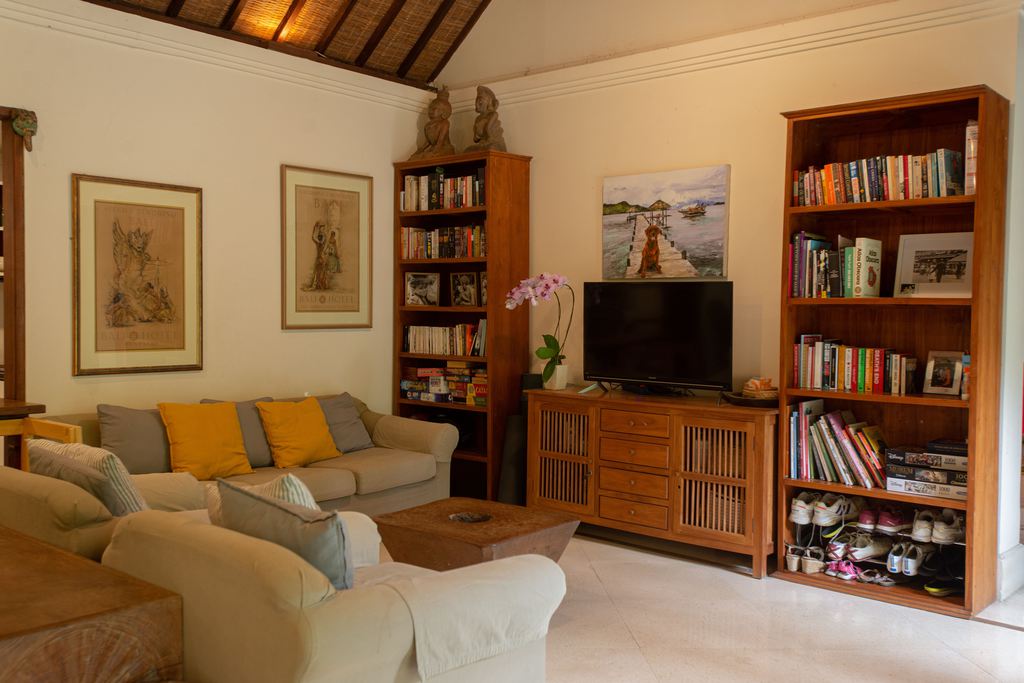
A functional setup combines dedicated book storage with furniture that supports the reading routine. The key is not to make every item do everything. Book storage carries the collection, while media furniture, tables, and seating handle the things that make the living room useful the rest of the day.
Let Book Storage Carry the Collection
If you own many hardbacks, series, or heavy art books, use a bookcase, wall shelving, or glass-door cabinet as the main home for them. Choose based on the depth of your books, whether the collection is growing, and how much dust or sunlight the room gets. Everyday titles belong at a reachable height; upper shelves suit less-used books and display pieces.
For a smaller collection, where to place books in a living room can matter more than adding a full wall of shelving. A few books near the seat you use most often feel more natural than shelves filled only to imitate a traditional library.
Use a Media Console to Calm the TV Wall
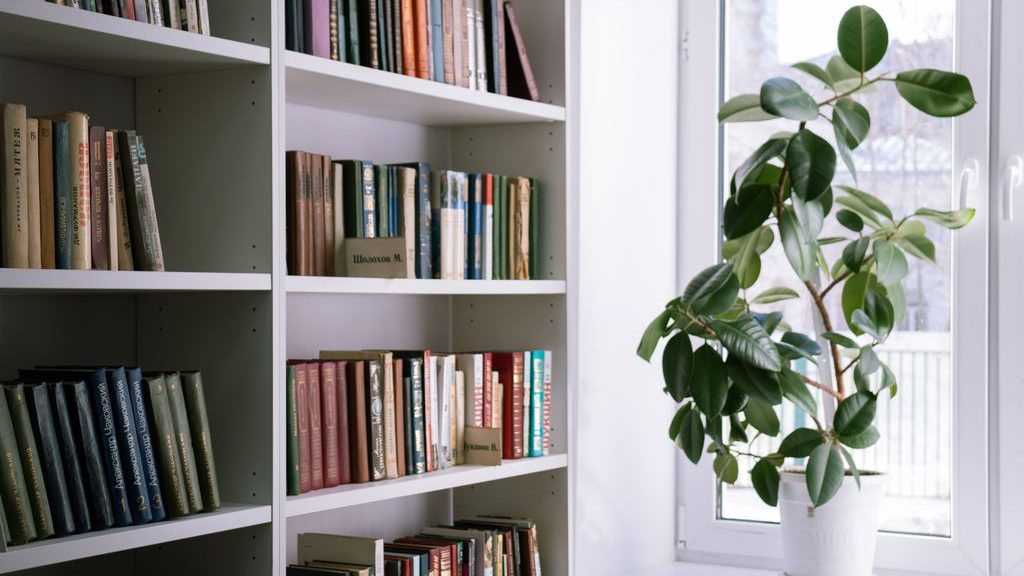
A TV stand or media console is not a substitute for a large bookcase, but it can make the TV side feel less electronic. Use closed compartments for cables, remotes, and game gear. Keep only a small group of magazines or current reads in an open section or on top, so books add warmth without competing with the screen.
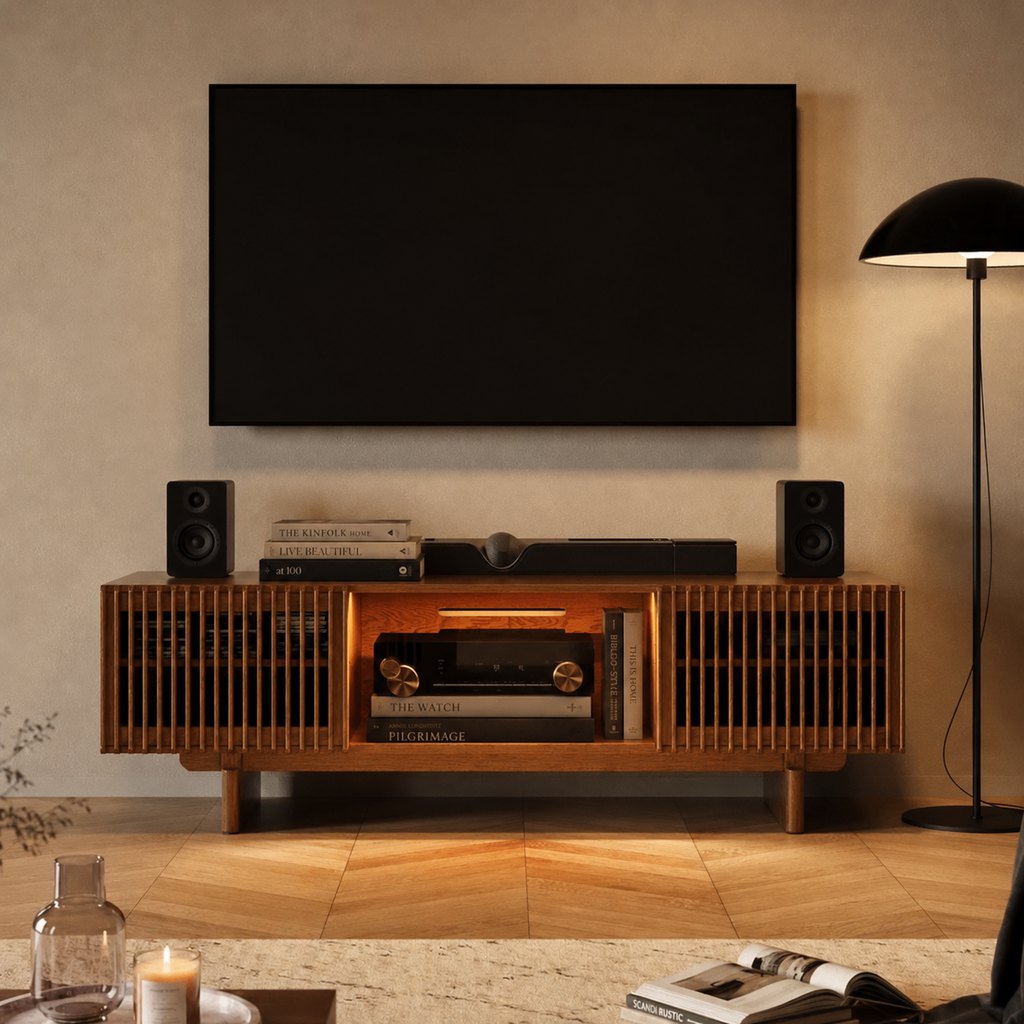
In a family room, separating book storage from device storage makes the room easier to reset after movie night. For a TV-first family room, the Arboren-71” Mid-Century Modern TV Stand keeps media equipment and everyday clutter contained. Its 22-inch depth, slatted doors, and open center shelf create a calmer TV wall, with space for a small rotation of current books rather than the full collection.
Give the Reading Seat a Useful Neighbor
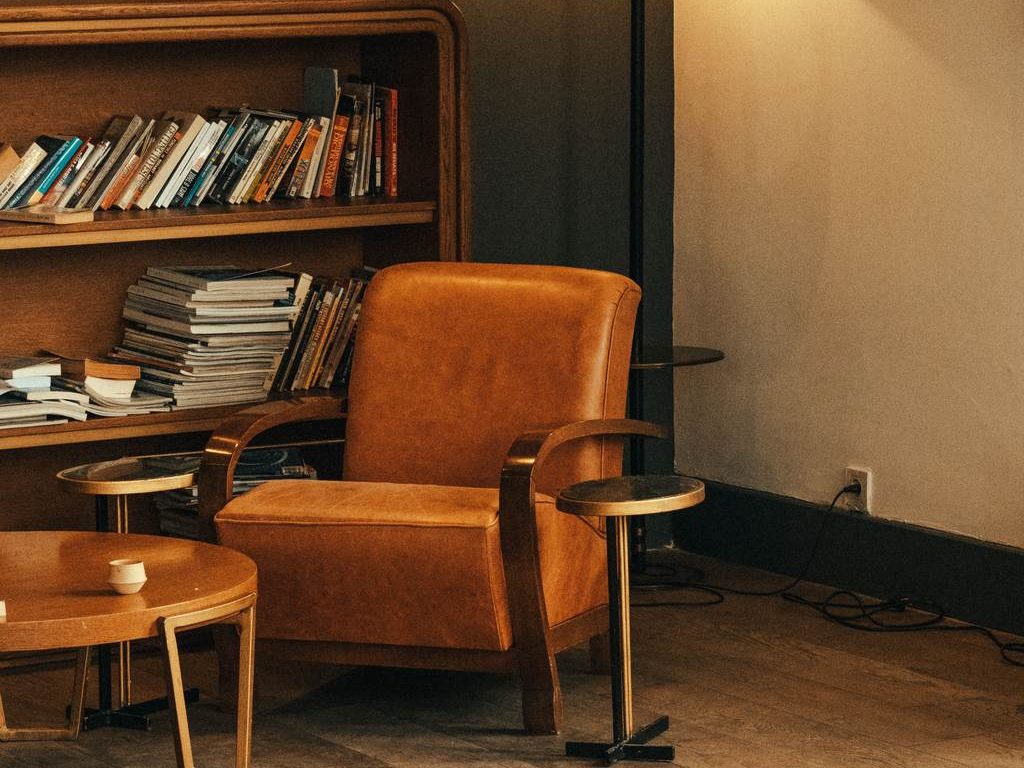
A reading chair needs a side table within easy reach. It should hold a lamp, drink, and book without making the chair feel boxed in. A lower shelf, drawer, or compact cabinet can hold glasses, a charger, a magazine, or a remote.
This small pairing turns a decorative corner into one you use. A sofa can remain the main seating, but a chair near the collection gives the room a second purpose: not just watching, but lingering.
Let the Coffee Table Support the Ritual, Not the Whole Collection
Use the coffee table for one or two large-format books, a current magazine, or a tray that keeps reading items together. Drawers or concealed storage can hold a tablet, bookmarks, children’s paperbacks, or game-night supplies between uses.
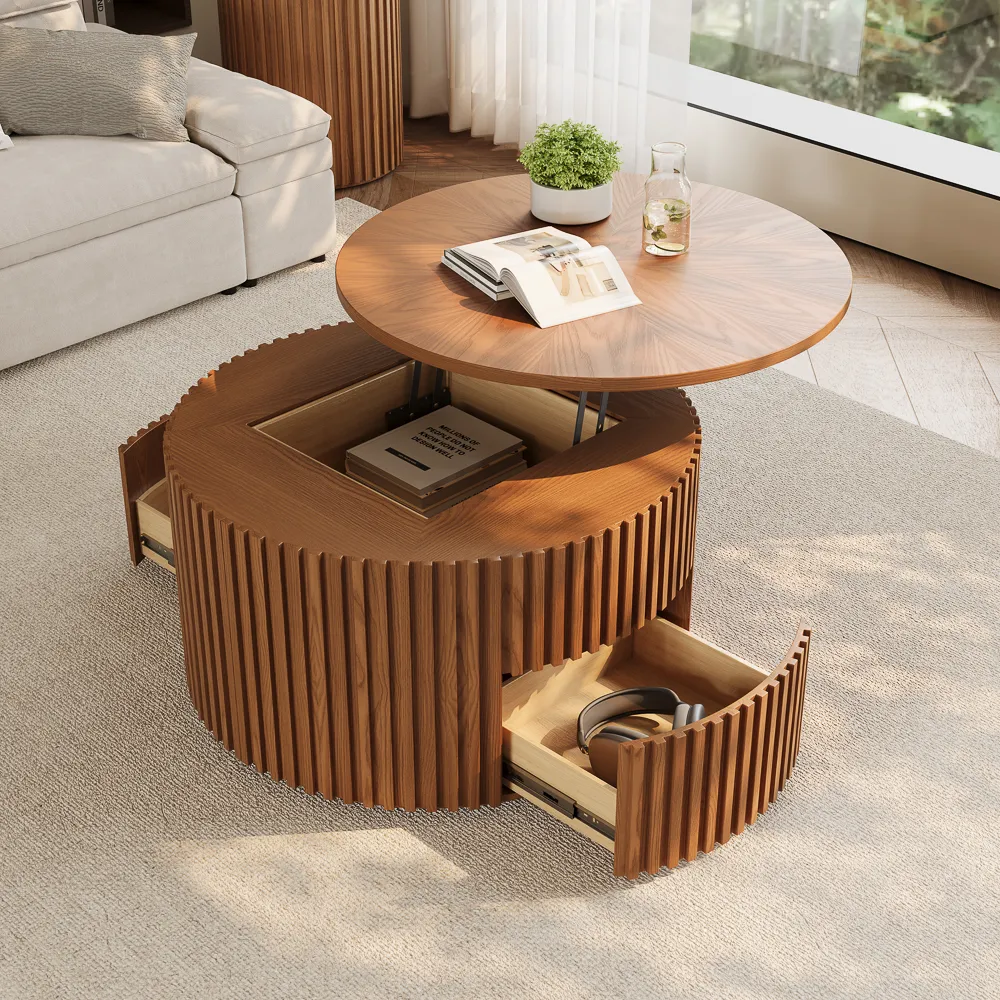
Do not use the tabletop as overflow for books with no permanent home. It should still be free enough for cups, a shared puzzle, or a guest’s plate. When the coffee table also needs to support a laptop, notes, or a cup during a longer reading session, the Silva-31.5” Lifting Top Round Coffee Table adds a raised surface, two drawers, and hidden storage. Its round shape softens the center of a seating group, while books and reading accessories can be put away once the room shifts back to everyday use.
Which Library Living Room Setup Fits Your Space?
Choose the layout around the room’s biggest daily pressure point—not a single style image.
| Room situation | Start with | Book approach | Supporting furniture |
| Small apartment living room | Keep the main path open | Narrow bookcase, one wall shelf, or compact cabinet | Low media console, small side table, one reading chair |
| TV-focused family room | Place the TV and sofa first | Books on a separate wall or in a cabinet beside seating | Closed media storage and a coffee table that can clear |
| Reading-first sitting room | Choose the chair and light | Main collection within a few steps of the chair | Side table, ottoman, and surface for current books |
| Open-plan living area | Define the lounge zone without blocking traffic | Concentrate books on one wall | Low cabinet or console, sofa, and inward-angled chair |
| Home with children | Plan accessible, secure storage | Durable children’s books low; tall cases secured | Closed storage for toys and a forgiving coffee table |
What Should You Display, Keep Nearby, and Hide?
Use three layers. Display art books, favorite novels, travel books, or a small group of magazines. Keep nearby the current read, glasses, and bookmark on the side table or coffee table shelf. Hide cords, remotes, extra periodicals, loose papers, and anything that makes the room look unfinished.
A Sunday reset can be as simple as returning a current book to the chair-side table, putting media items back in the console, and clearing the coffee table.
How Can You Create a Library Feel Without Looking Cluttered?
Let books do most of the visual work, then add a few objects with a reason to be there: a framed photo, small bowl, plant, or travel souvenir. Leave gaps on open shelves instead of filling every inch with decor. Repeating warm wood, linen, or aged metal can connect book storage to the seating area.
Light matters after dark. Layer a floor lamp, table lamp, or wall light near the chair, then use living room lighting ideas that fit the room’s size and evening routine. The goal is a room that feels collected, not staged.
Conclusion
The most useful living room library is not measured by the number of shelves it has. It works because the room gives books a real home, gives readers a comfortable place to pause, and keeps TV equipment and daily clutter from taking over. Start with the way the room is used most, then assign book storage, media furniture, seating, and small tables their own jobs. With that balance in place, even a shared family room can feel quieter, more personal, and easier to live in.
Questions to Consider
When are built-in bookshelves worth choosing over freestanding bookcases?
Built-ins are most useful when you plan to stay in the home for years, want to use an awkward wall precisely, or need storage that visually blends into the architecture. Freestanding bookcases make more sense when the room may change, you rent, or you want the freedom to move and reconfigure furniture later.
Are adjustable shelves worth paying for in a living room library?
Yes, adjustable shelves are useful when your collection includes paperbacks, tall hardcovers, art books, albums, or storage baskets. They let you change the spacing as your needs shift, instead of leaving wasted vertical space or forcing oversized books to sit sideways.
Do bookcases need to match the TV stand in a library living room?
No. Bookcases and TV stands do not need to match exactly, but they should share at least one visual connection, such as a similar wood tone, metal finish, leg style, or overall visual weight. That creates cohesion without making the room look like a matching furniture set.
How deep should a bookcase be for oversized art books?
A bookcase should be deep enough that your largest regularly stored books sit flat without their covers bending or hanging over the edge. Measure your deepest art book, album, or oversized hardcover before buying. If only a few books are unusually large, store them horizontally on a lower shelf instead of choosing an overly deep unit for every title.
What type of upholstery works best for a reading chair in a living room library?
Choose upholstery based on how the chair will be used. A tightly woven performance fabric is practical for a family room or pet-friendly space, while leather can be easier to wipe clean and develops character over time. Avoid delicate fabrics in a high-traffic reading corner unless the chair is mainly decorative.
Is a glass-door bookcase worth it in a sunny or dusty living room?
It can be worth it when books sit near windows, pets, or high-traffic areas. Glass doors reduce dust buildup and create a calmer look when shelves hold mixed books and objects. Check that the cabinet still allows easy access to frequently read titles, since doors add one extra step to everyday use.


