 By Stephanie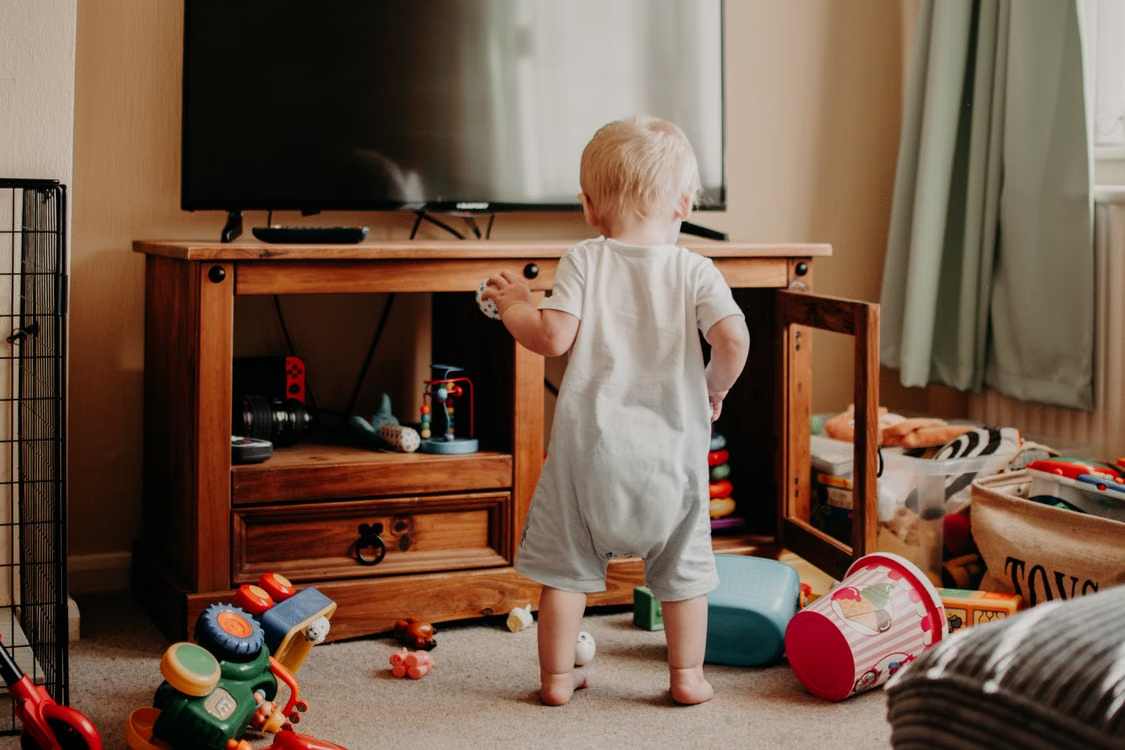
Most families do not need a playroom defined only by tiny furniture and themed decor. They need a place where kids can build, draw, read, and spread out—without leaving the rest of the home feeling taken over. The best playroom ideas make everyday life easier: toys are simple to reach, cleanup does not take an hour, and adults still enjoy being in the room. Whether you have an extra room, a second living area, or one corner beside the sofa, a thoughtful layout can support playtime now and family routines later.
Table of Contents
What Makes a Playroom Work for Everyday Family Life?
Before choosing colors or buying bins, decide how the room should work during a normal weekday. A useful playroom supports active play, quiet concentration, and a fast evening reset. Those needs should guide the layout, storage plan, and furniture choices from the start.
Design the Play–Reset Loop
Start with the sequence children already follow: take something out, use it, then put it away. Keep the most-used items in a visible, low spot, and leave enough clear floor around them to play without moving furniture.
When cleanup is part of the layout—not an afterthought—children can help reset the room. That makes space easier to use every day and less dependent on a full adult-led cleanup at night.
Give Each Activity a Clear Home
Avoid one oversized toy pile that mixes books, costumes, craft supplies, and building sets. Group items by how they are used:
- Books near a soft seat
- Art materials near a tabletop
- Active toys near open floor space
- Board games close to a cabinet or drawer
A defined home makes toy rotation easier and helps children learn where things belong. It also keeps visual noise from spreading across the whole room.
Separate Playroom or Shared Family Space?
An extra room is helpful, but it is not essential. The right setup depends on where your family naturally spends time, how much supervision younger children need, and whether the space must return to an adult room after playtime ends.
When a Dedicated Room Earns Its Keep
If you are asking, “Is a playroom a good idea for your home?” a separate room can be worth it when your family needs space for larger builds, several age groups, or noisier imaginative play. It can also give an extra sitting area a clear purpose.
The same planning principles behind turning a second living room into a flexible family space help the room stay useful when guests visit, children get older, or routines change.
When a Shared Space Makes More Sense
A family room play zone is often the better choice for toddlers and younger children, who tend to play longer when adults are nearby. Define one edge of the room with a rug, a low storage piece, and one or two baskets.
Keep the main sofa and walking routes open, leaving roughly 30 to 36 inches for the primary path whenever the room layout allows. The room should still work for reading, conversation, and movie nights once the toys are put away.
Plan Four Zones for Easy Play and Cleanup
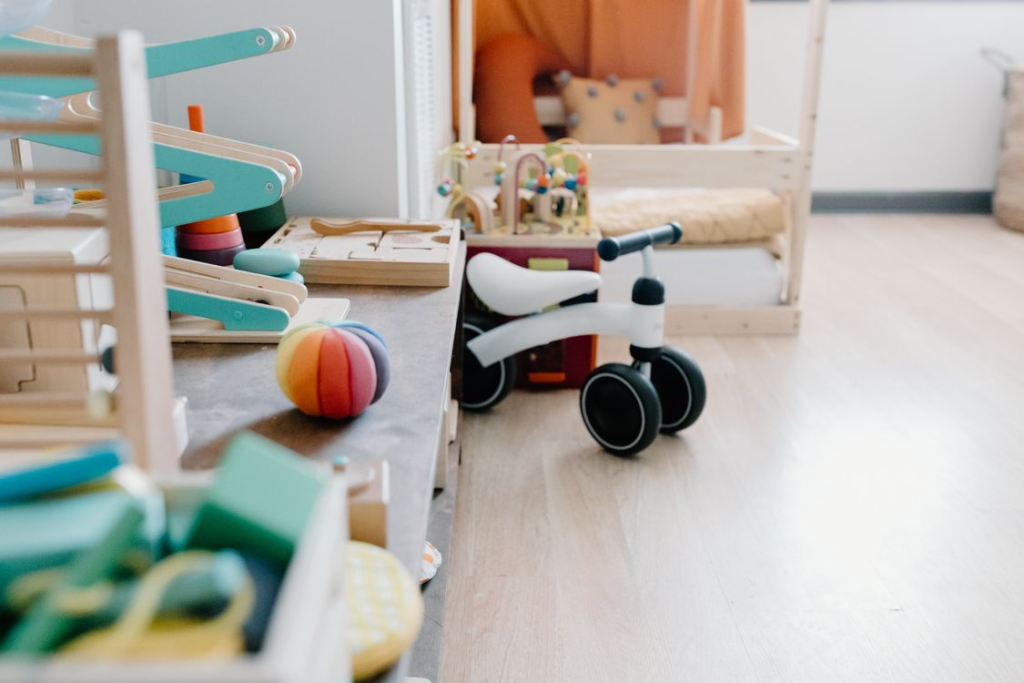
Once you know where play will happen, use zones to stop every activity from competing for the same surface. You do not need walls or matching furniture. You need clear activity cues, nearby storage, and a path that stays open when play is in full swing.
Open Floor and Quiet Zones
Reserve the widest part of the room for blocks, vehicles, pretend play, and floor puzzles. A washable rug can define this area while giving children a softer place to sit and build.
Then create a quieter edge with front-facing books, cushions, and a small lamp. At 4:30 p.m., a child can build a train track on the rug while a parent answers emails from the sofa, and the route to the kitchen stays clear for dinner prep.
Choose a stable table lamp placed out of reach, or use wall-mounted lighting to keep the reading corner comfortable without adding a climbing risk.
Table and Reset Zones
Place the table zone close to drawers or a cabinet, so paper, markers, and puzzle pieces do not travel through the whole house. This is where coloring, crafts, homework, and board games can happen without taking over the dining table.
The reset zone should sit close to the main seating area or exit. A simple evening routine works well:
- Return visible toys
- Close cabinet doors or drawers
- Clear the tabletop
- Leave one favorite activity ready for tomorrow
Playroom Storage Ideas That Keep Clutter Under Control
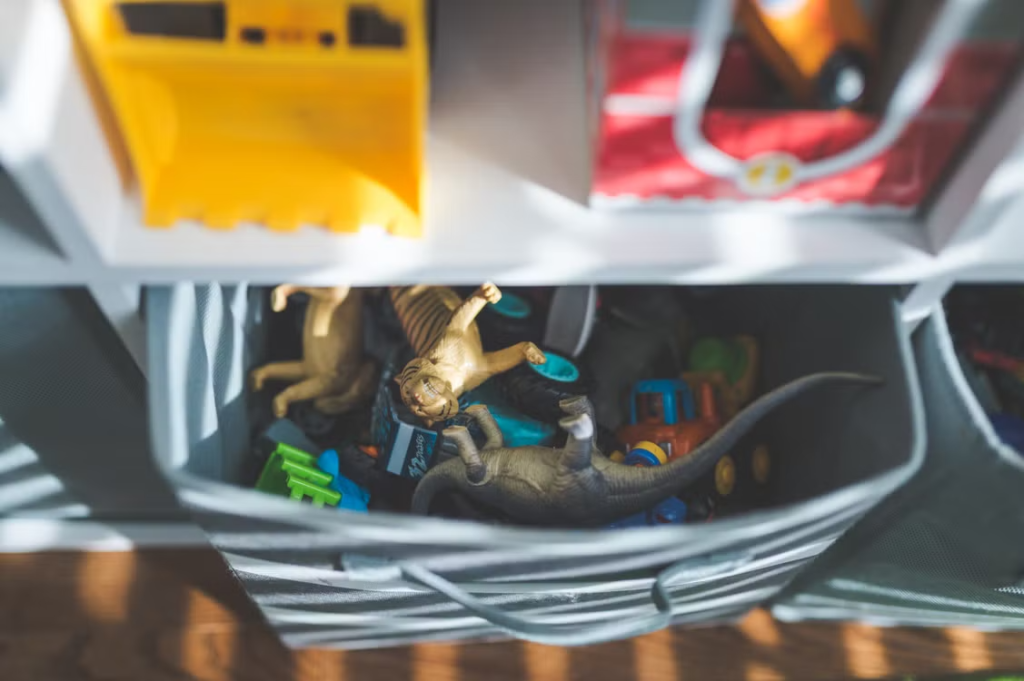
Storage should follow the rhythm of real family life, not just the number of toys you own. A useful system keeps the things children reach for every day within easy reach, while giving the smaller, messier items a predictable place to land once the room shifts back to reading, relaxing, or hosting.
Use a Three-Layer Storage System
The most useful playroom storage ideas balance independence with calm. Keep favorites within reach, display only a limited number of books and art materials, and place the rest behind doors or inside drawers.
| Storage layer | Best for | Where it belongs |
| Open and low | Daily books, blocks, dolls | Beside the play or reading zone |
| Visible but contained | Art supplies, puzzles, board games | Baskets, trays, shallow shelves |
| Hidden and high-capacity | Toy rotation, messy sets, electronics | Drawers, cabinets, closed media storage |
This approach keeps the room inviting at 3 p.m. without requiring it to look busy at 8 p.m.
Keep only two to four activity categories visible at a time, such as books, blocks, puzzles, or art supplies. Everything else should have a closed home or move into toy rotation.
Give Everyday Clutter a Place to Land
Once larger toys, books, and art supplies have their own zones, the remaining clutter usually gathers in the same place: around the sofa. That is why the coffee table needs to do more than hold drinks. In a shared family room, it can give half-finished activities a temporary home without making the room feel like playtime never ended.
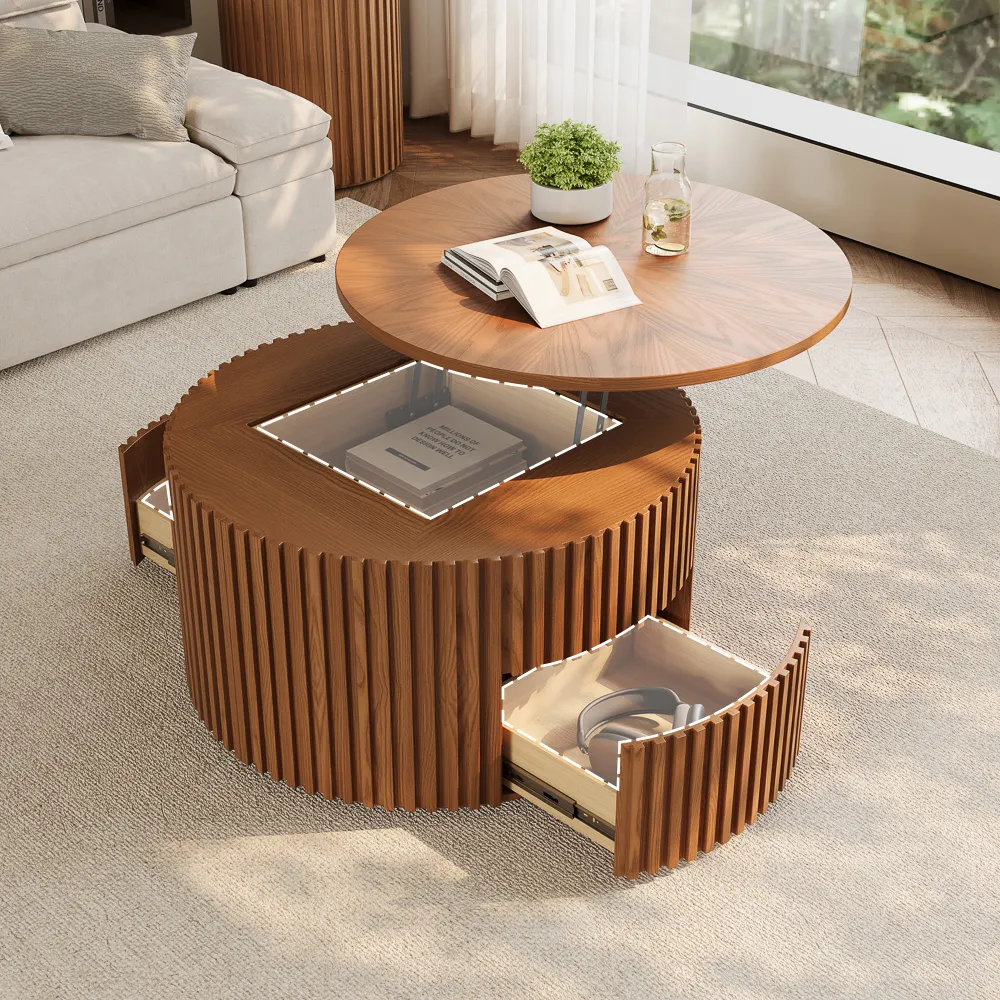
Different coffee table storage types for busy shared living rooms solve that problem in different ways. The most useful option keeps small items close enough for everyday use while keeping the center of the room clear when the family shifts to dinner, reading, or a movie.
During coloring time, the round coffee table keeps pencils, cards, and puzzle pieces close without sending everyone back to a cabinet. Its lift-top gives children a more comfortable surface for drawing or snacks, while the drawers and concealed storage make it easy to clear loose items before dinner or a movie. The round shape also leaves more room to move around the sofa in a compact layout.
Furniture That Grows With Kids and Small Spaces
Furniture choices matter most in rooms that need to do more than one job. Rather than filling a play area with short-lived children’s pieces, use a small number of durable, adult-scale items that support play now and still make sense for homework, movie nights, and everyday family life later.
Choose Pieces With a Second Life
Look for furniture that can stay useful after the toy phase changes:
- Low cabinets that can later hold books, games, or school supplies
- Comfortable seating for reading now and visiting friends later
- Durable tables that move from finger painting to homework
- Closed storage that can shift from toys to media accessories
Keep permanent furniture in a warm wooden tone or neutral finish. Let the color come from toys, books, artwork, and cushions that are easier to refresh as children grow.
Keep the Media Zone Separate From the Play Zone
After toys have a home, look at the TV wall. In a shared family room, that area often becomes the second catchall: controllers, charging cords, handheld games, and remotes all end up there. Giving media equipment its own storage keeps it from competing with blocks, art supplies, and board games, and makes the room easier to switch from daytime play to a family movie night.
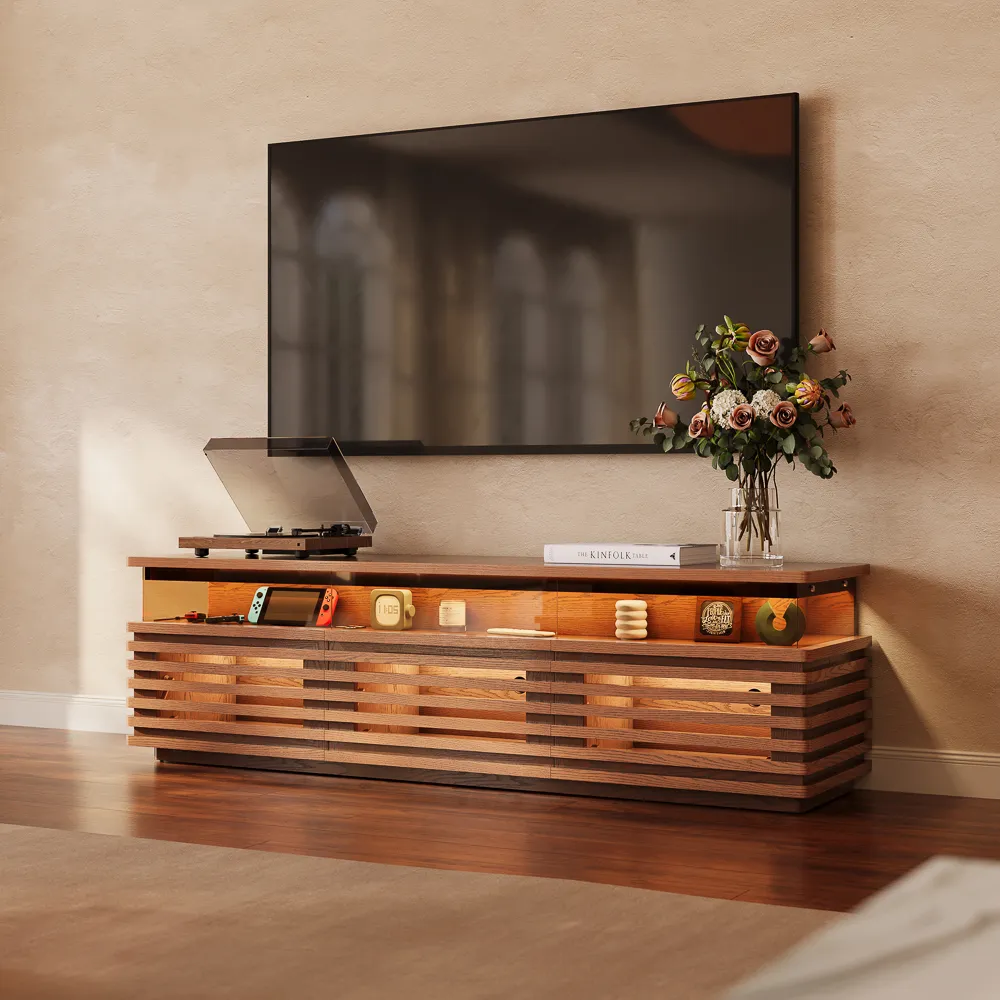
The TV stand with adjustable LED lights gives the TV wall a clear job without making it feel like a tech station. Its slatted doors keep consoles and accessories tucked away while allowing airflow, and the rear cable openings help keep cords off the floor. Three closed cabinets create room for controllers, games, and streaming devices, while the adjustable lighting and walnut finish help the space still feel like part of the living room after playtime.
Because this furniture sits in a child-accessible room, stability matters as much as storage. Anchor freestanding TV furniture, bookcases, and storage towers according to the manufacturer’s instructions. The U.S. Consumer Product Safety Commission notes that TVs and furniture can tip when children climb, pull, or fall against them.
Keep Small Rooms Open
Use walls and edges before filling the middle. A shallow book ledge, a low cabinet along a blank wall, or a narrow basket beside the sofa may be all a small room needs.
On a Sunday evening, a parent can slide two baskets under the console, fold away floor cushions, and leave one puzzle on the table for Monday morning. In apartments and shared living rooms, toy rotation often works better than adding another storage unit.
Conclusion
Great playrooms are built around routines, not a shopping list. Give children room to move, make daily toys easy to reach, and keep a nearby reset zone for everything else. Then choose furniture that can move from crayons and picture books to homework, game nights, and quiet reading. That is how a shared living room or dedicated room keeps its personality while meeting a family’s changing needs. A space that works after bedtime, before guests arrive, and on a rainy Saturday is a space your whole household can genuinely enjoy.
Playroom FAQs
How High Should Playroom Storage Be for Toddlers?
Keep everyday books, large toys, and simple puzzles low enough for children to reach without climbing. Reserve higher shelves or closed drawers for small parts, art tools, and items that need adult help. The goal is independence without turning shelves, cabinets, or chairs into something a child needs to climb.
What Should You Look for in a Coffee Table Around Young Kids?
Prioritize a stable shape, rounded edges, and a finish that is easy to wipe clean. The table should feel proportionate to the seating around it and leave enough room to walk through the space comfortably. Avoid a design that becomes an obstacle during active floor play or crowded family gatherings.
How Do You Furnish a Playroom for Kids of Different Ages?
Start with shared pieces that work for everyone, such as a flexible table, open floor area, and comfortable seating. Then separate age-specific items by access level. Younger children can use low storage for larger toys, while older kids need drawers or cabinets for small pieces, games, and creative supplies.
Can One Piece of Furniture Serve Both Playtime and Adult Life?
Yes, as long as it supports a real routine beyond playtime. A cabinet can hold toys now and books later. A sturdy table can shift from crafts to homework. A comfortable chair can become a reading spot, then extra seating when friends or family visit.


[…] Family rooms and daily-use spaces […]