 By Charles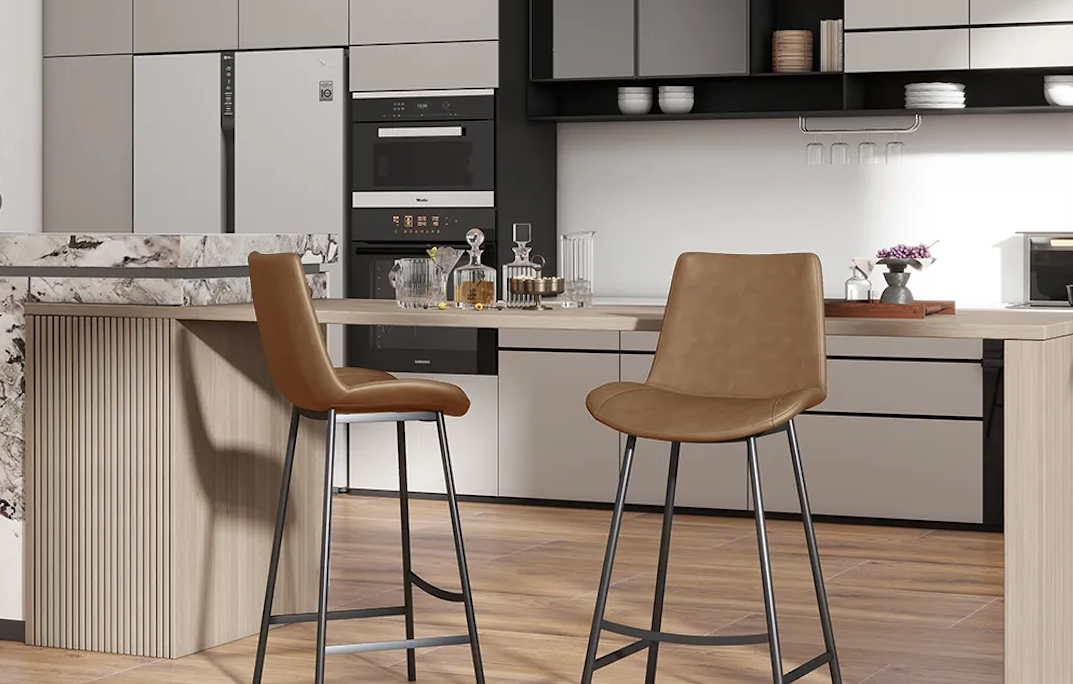
Last weekend my sister-in-law texted me a photo of two stools she was considering for her new island. Both gorgeous. One backless. One with a lower back. “Which one?” she asked, like there was an obvious answer.
There wasn’t. And I told her so.
I’ve been writing about furniture for a while now, and the “back vs. no back” question on bar stools is one of those decisions that looks simple from the outside and gets messy the second you actually live with the choice. So if you’re staring at a cart full of options at 10 p.m. trying to decide whether the backrest is worth the trade-offs — pull up a chair (or stool). Let’s actually work through this.
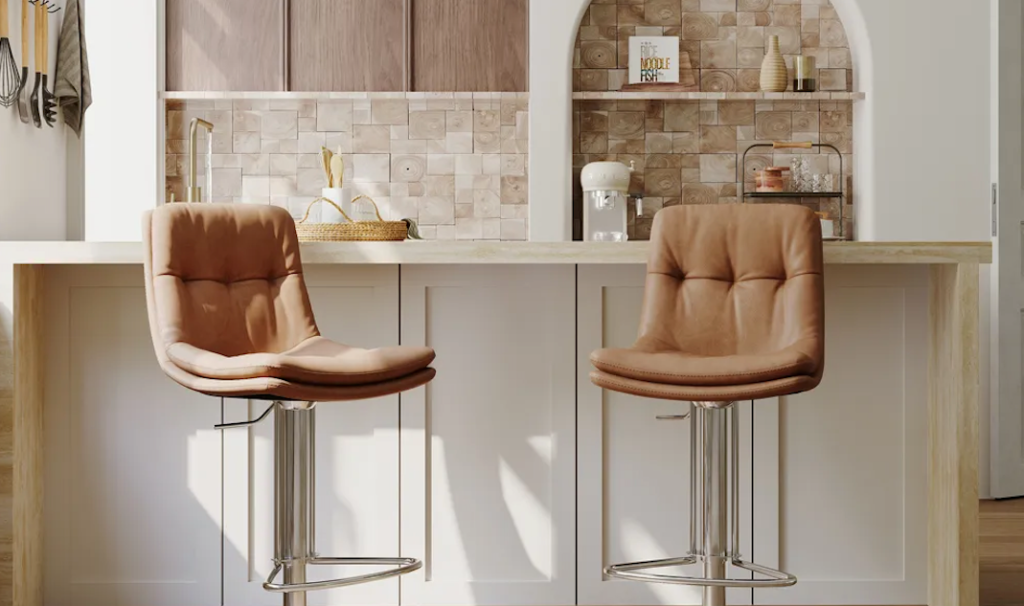
Why Buyers Consider Bar Stools With Backs
Here’s the thing nobody tells you when you fall in love with that minimalist backless stool on Pinterest: 20 minutes is about how long the average person can sit on one before they start fidgeting. I’ve timed it. My partner gives me about 17 minutes.
A backed stool changes that math entirely. The backrest gives your lumbar spine something to rest against, which lets you actually relax instead of constantly engaging your core just to stay upright. According to Mayo Clinic’s office ergonomics guidelines, seating that supports your spine’s natural curve — paired with feet flat on a floor or footrest — is the difference between casual comfort and creeping back pain. That’s clinical guidance for office chairs, but the physics don’t care whether you’re at a desk or a kitchen island.
So why isn’t the answer just “always pick the backed one”? Because backs come with their own baggage: they take up more visual space, they sometimes can’t slide all the way under a counter, and they cost more. Which leads to the actual question — who really needs the back?
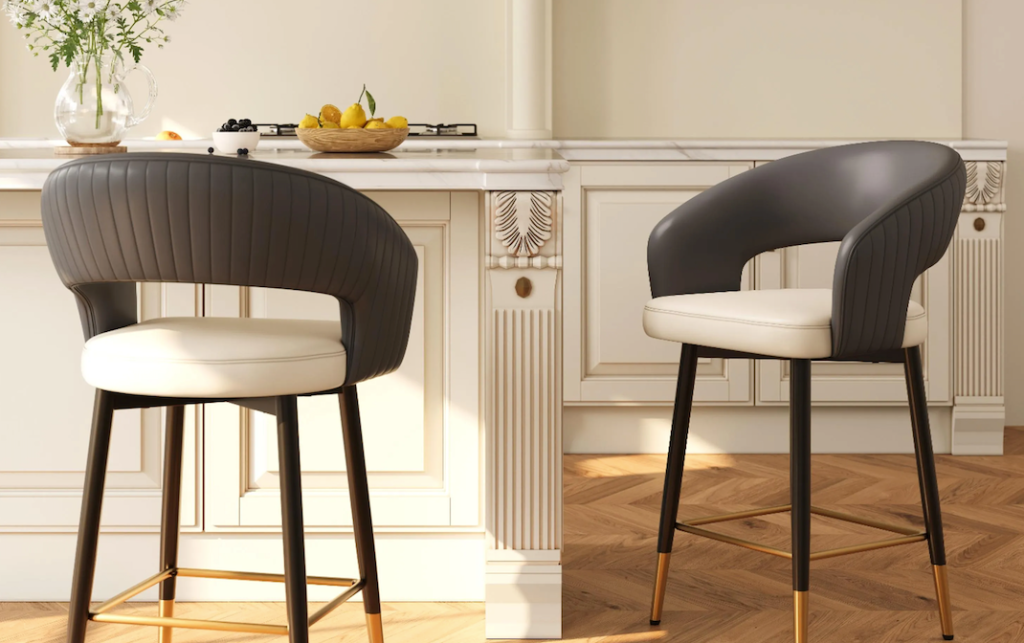
Who Benefits Most From Added Back Support
Families and Daily Meals
If your island is where breakfast happens, where homework gets done, where your kid eats their afternoon snack while telling you about recess — you need the back. Period.
Kids especially. A 7-year-old sitting on a backless stool is going to slide forward, hook their feet awkwardly on the rung, and end up in a posture I can only describe as “shrimp.” A backrest gives them something to lean against, which means they sit longer, eat more of their meal, and don’t tumble off sideways when the dog barks (yes, this happened in my kitchen).
For multi-generational households or anyone hosting older parents, the back is non-negotiable. It provides both comfort and a real safety anchor for getting in and out of the seat.
Longer Sitting and Work-From-Island Use
The kitchen island has quietly become America’s second home office. Mine certainly has — I’ve taken Zoom calls from my counter, edited drafts there, run through emails between coffee refills. If you’re doing the same, a backless stool will eat your spine alive within a week.
The National Institute for Occupational Safety and Health (NIOSH) recommends lumbar support and frequent position changes for any extended seated work. A backed stool lets you shift between sitting upright (work mode) and leaning back (thinking mode). On a backless stool, you only get one option: ramrod straight, until you can’t anymore.
The other thing nobody mentions: video call backgrounds. A nice backed stool reads as “intentional dining seating” on camera. A backless stool reads as “this person is perched.”
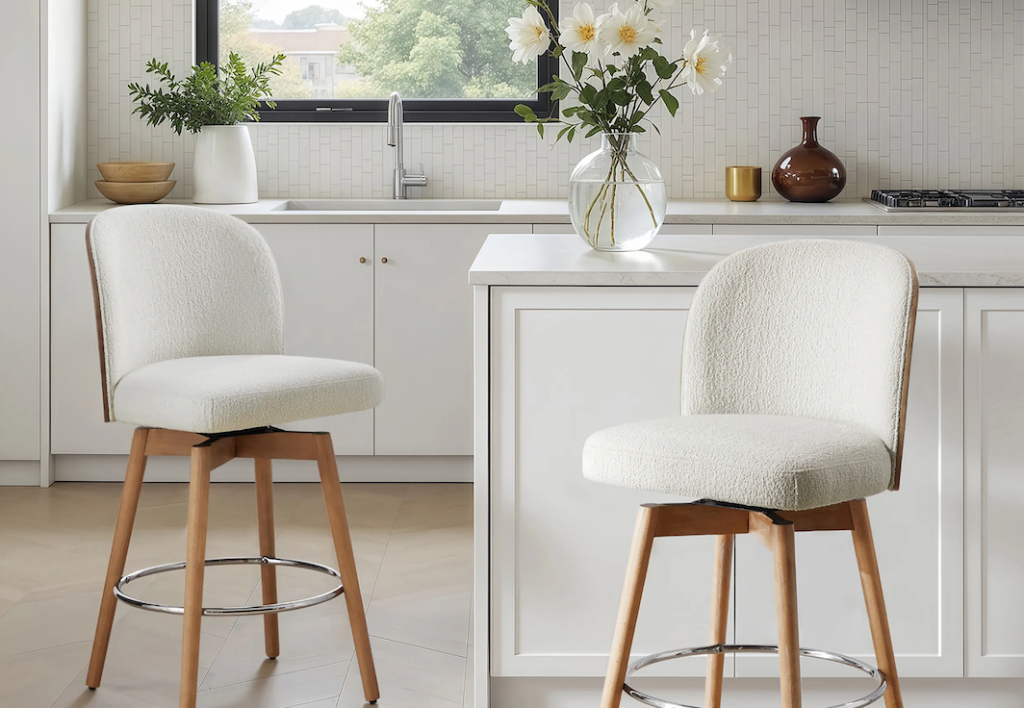
When Backless Stools Are Still the Better Choice
Now, plot twist — I’m not actually team-back across the board.
There are real situations where backless wins:
Small kitchens. If your galley kitchen has zero floor space to spare and the stools live tucked under the counter most of the day, a backless stool that disappears completely under the overhang is genuinely more functional than a backed stool that sticks out by 4–6 inches even when “tucked in.”
Quick-stop counters. A coffee bar in a hallway nook. A perch at a kitchen pass-through where nobody actually lingers. If the longest anyone sits there is 10 minutes, the back is dead weight.
Tight clearance behind the seating area. The NKBA’s planning guidelines recommend at least 36 inches of walkway clearance behind seated diners, bumped to 44 inches if there’s regular foot traffic. If your layout is already cutting that close, a backed stool sticking further out from the counter can turn a tight passage into a real squeeze.
Open sightlines. A high-back stool sitting tall above a kitchen island can block the view from the kitchen into the living room. If you specifically designed your island to feel “open,” tall backs can fight you on that.
This is the part most articles skip. They sell you on backs because backs are easier to sell. But the right answer depends on your actual room and your actual life — not the picture on the showroom floor.
Key Comfort Features to Compare
If you’ve decided a backed stool makes sense, here’s what actually matters when you compare them:
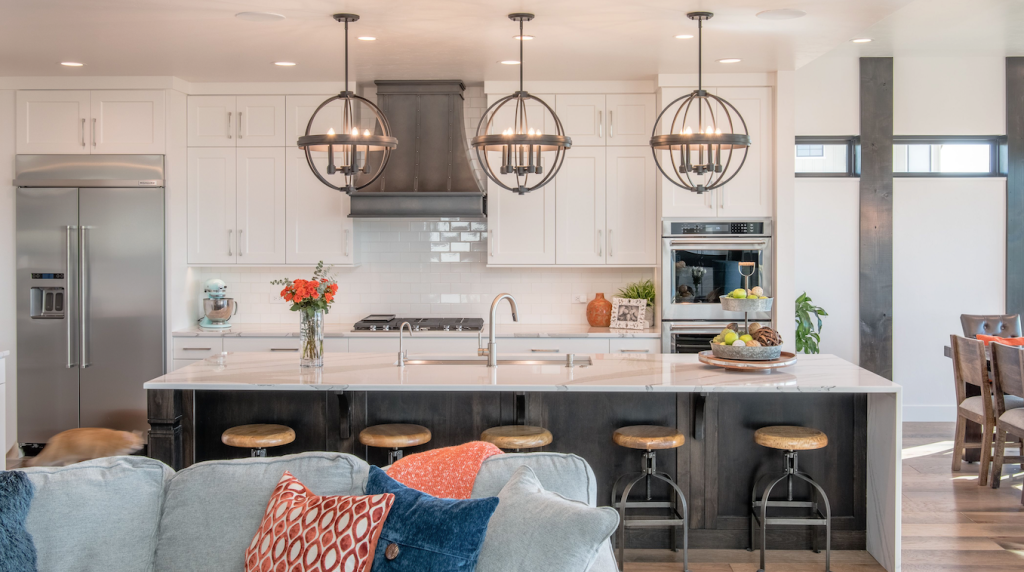
Back height. Low backs (4–10 inches above the seat) tuck under most counters and provide light lumbar support. Mid backs (11–14 inches) extend a few inches above the counter, give better support, and still preserve sightlines. High backs (15+ inches) are the most supportive and the most visually dominant. Mid is usually the sweet spot for kitchens.
Lumbar contour. A flat back is barely better than no back. Look for a slight curve where the small part of your back lands. You can usually tell from the side-view product photo.
Seat depth. A seat that’s too deep means you sit with your lower back unsupported because you can’t reach the backrest. 16–18 inches of seat depth is usually right.
Footrest position. This is the one most people overlook. Without a properly placed footrest, your legs dangle, which puts pressure on the back of your thighs and ruins the comfort the backrest was supposed to provide. The footrest should sit roughly 7–9 inches below the seat for a counter-height stool.
Material density. A seat that’s too soft makes you slouch even with a backrest. A seat that’s too hard is uncomfortable after 15 minutes. Medium-density foam or a contoured wood seat both work.
What to Know Before Ordering Online
Buying stools online is mostly fine — until it isn’t. Here’s what saves returns:
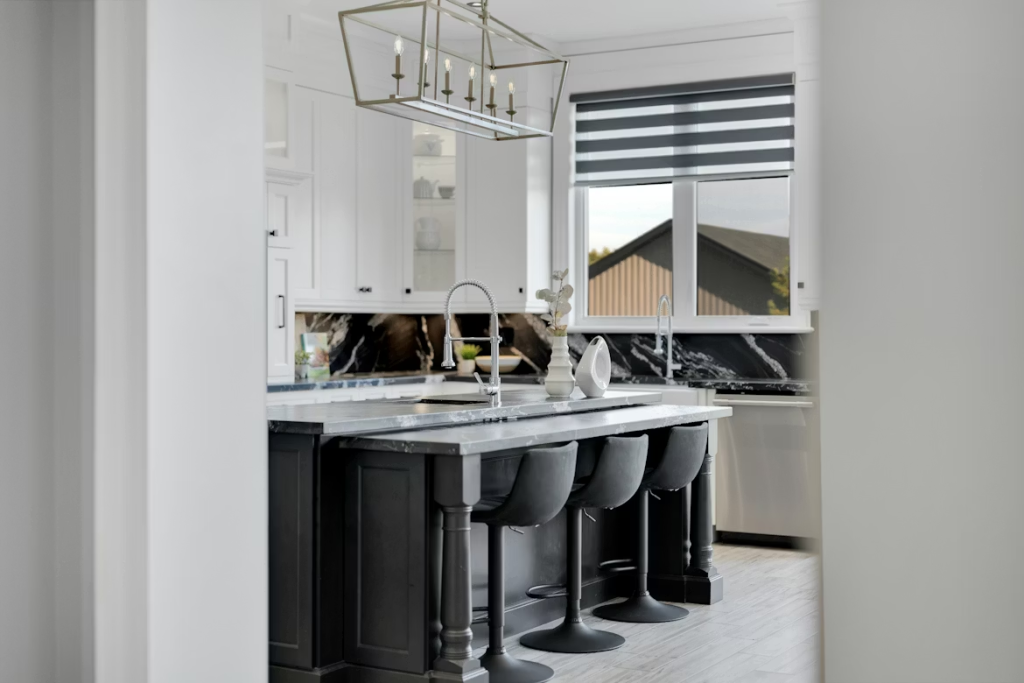
Measure your counter from floor to top, not from the underside. Subtract 10–12 inches. That’s your target seat height. A 30-inch stool at a 36-inch counter will leave your knees jammed into the underside.
Check the back height against your counter overhang. If you want the stool to slide fully under, the total height (seat + back) needs to clear the counter underside.
Read the warranty terms. Most reputable brands offer at least a one-year structural warranty on bar stools — anything less is a flag. POVISON’s stools, for example, are built fully assembled (no flat-pack drama) with quality controls handled before shipping, which is honestly the unboxing experience I now prefer over fighting an Allen key at 9 p.m.
If you’re still on the fence about which form factor fits your space, POVISON’s bar stool collection is worth a scroll — the product pages list seat heights, back heights, and weight capacities clearly, which makes the comparison work much faster than chasing specs across five different tabs.
FAQ
Do backs make stools harder to tuck in?
Yes, sometimes. A high-back stool usually sits 4–8 inches taller than the counter underside, so it can’t slide fully out of the way. Low-back and mid-back stools can typically tuck in if the back’s total height (seat + back) is less than your counter’s underside-to-floor measurement. If full tuck-in matters to you, measure first.
Are stools with arms practical in smaller kitchens?
Honestly, usually not. Arms add 4–6 inches to total stool width and almost always prevent the stool from tucking under the counter. They’re great for long meals and lingering, but in a tight kitchen they cost more floor space than they’re worth. If you want extra support without the bulk, a higher mid-back without arms is often the better compromise.
Are backed stools better for open layouts?
It depends on the back height. In an open-plan kitchen-living space, tall backs can interrupt sightlines from one zone to the other. Low or mid-back stools usually preserve the openness while still giving you lumbar support. If your design priority is the visual “flow” between rooms, lean toward a back height that stays at or just above your counter line.
What if comfort feels different in person?
This is real and it happens to everyone. Showroom comfort and three-hours-into-Thanksgiving comfort are different animals. The honest fix: check the return window and shipping cost on returns before ordering. Anything under 30 days is tight; anything that requires you to pay return shipping on bulky stools can turn a “let me just try them” decision into a real loss. Reputable brands are upfront about both.
Conclusion
Bar stools with backs aren’t universally better. They’re better for specific situations — daily family meals, longer sitting sessions, work-from-island setups, anyone with back issues, households with kids or older guests. They’re not the right call for tight galley kitchens, occasional perches, or open-plan layouts where sightlines matter more than seating endurance.
The honest answer to “are they worth it?” is: figure out how you actually use your island, not how it looks in the staged photo. If you spend more than 30 minutes a day sitting at it, get the back. If it’s a 10-minute coffee perch, save the money and the floor space.
Either way, the goal is a kitchen that feels Ready To Live In — where the seating works as hard as the rest of the room, and you don’t have to think about it once you’ve made the choice. Ready to upgrade your island? Browse POVISON’s fully assembled bar stool collection — every piece arrives ready to use, no tools, no late-night assembly drama.
Related Reading:


