 By Jenny Smith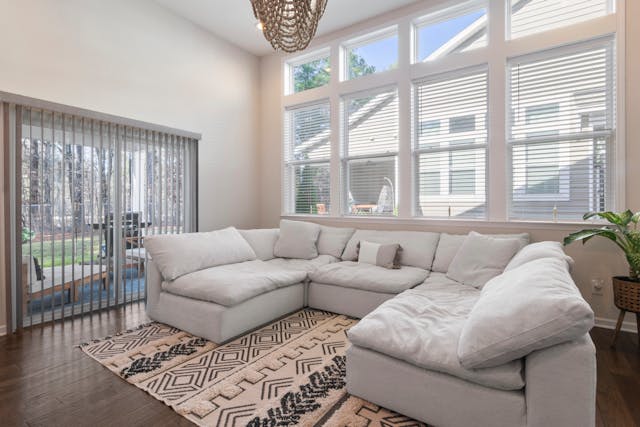
Choosing among different kinds of couches gets easier once you stop thinking only about looks. The best couch depends on three things: how much space you have, how you actually use the room, and how much flexibility you need over time. Some styles are great for everyday living, while others shine in guest rooms or formal spaces. This guide breaks down eight common couch types, shows where each one works best, and helps you narrow the choice without getting lost in furniture jargon.
Table of Contents
What are the 8 most common kinds of couches?
Most readers searching this topic want a simple answer first, then a smarter way to compare options. The most useful categories combine everyday seating, flexible layouts, extra functions, and a few statement styles that still work in real homes.
| Couch type | Best for | Main advantage | Watch out for |
| Standard sofa | Most living rooms | Easy to place and style | Less lounge space |
| Loveseat | Small rooms | Compact footprint | Seats fewer people |
| Sectional | Families and larger rooms | More seating | Needs more floor space |
| Modular sofa | Changing layouts | Easy to reconfigure | Can feel bulky |
| Sleeper sofa | Frequent guests | True bed function | Heavier mechanism |
| Sofa bed / futon | Small multi-use rooms | Space-saving | Firmer sleep surface |
| Chaise sofa | Lounging | Stretch-out comfort | Long footprint |
| Chesterfield | Formal spaces | Strong classic look | Less casual feel |
This table works best as a quick filter: first choose the footprint, then the function, then the style. That order keeps you from falling in love with a couch shape that simply does not fit your room or routine.
What everyday couch types work in most homes?
If you want the safest starting point, look at the standard sofa and the loveseat. They are the easiest to mix with other furniture, and they fit the widest range of room sizes and decorating styles.
- Standard sofa: the default choice for balanced seating and flexible styling.
- Loveseat: a compact two-seat option that works especially well in apartments, reading corners, and secondary seating zones.
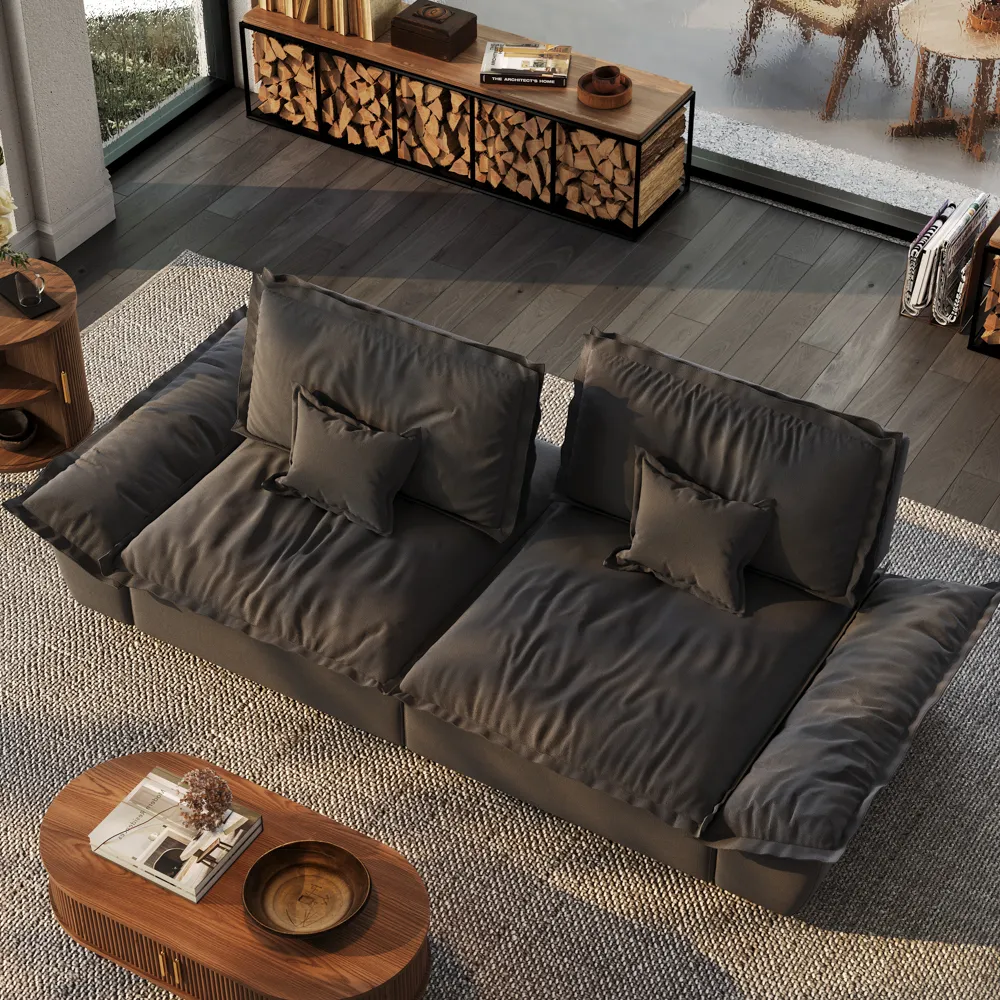
A good example of the compact route is a modern deep sofa loveseat. The current product page highlights an adjustable backrest, extra-deep seating, and water-resistant suede fabric, which makes this kind of piece more useful for long lounging than a basic small sofa.
What flexible couch types adapt to changing layouts?
Sectionals and modular sofas make the most sense when your room is a true hangout zone. They give you more seats, better lounging, and a layout that feels anchored instead of scattered.
- Sectional: best when you want one large seating area for family time or movie nights.
- Modular sofa: best when you may move, rearrange often, or want to add pieces later.
I once helped a friend swap a sofa-and-chair setup for a modular sectional in a long apartment living room, and the whole room finally felt calmer. Instead of three awkward gaps, there was one clear seating zone where everyone naturally gathered.
What couch types add extra function?
Sleeper sofas and sofa beds matter when a room has to work harder. They give you seating by day and sleeping space when needed, but they do it in different ways.
- Sleeper sofa: usually hides a separate mattress inside the frame.
- Sofa bed / futon: usually folds flat and uses the seating surface for sleep.
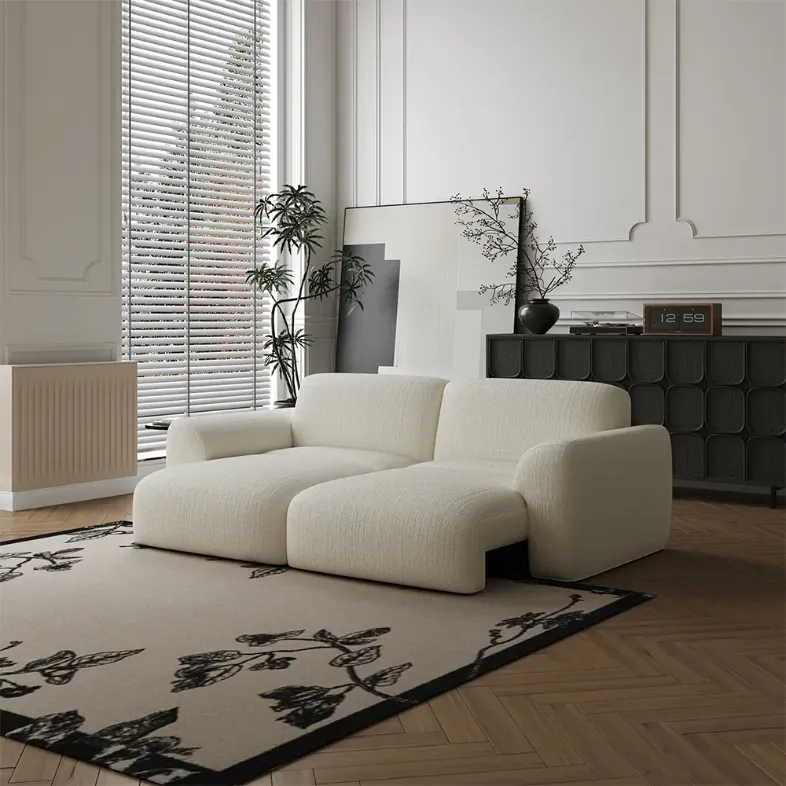
A practical example is an electric pull out sofa bed with a retractable feature. Povison describes it as a one-touch design that shifts between lounge, recline, and sleep modes, with stain-resistant chenille and water-resistant, pet-friendly details that make sense in a living room that doubles as a guest room.
What statement styles still feel practical?
Not every couch decision is about function alone. Some readers want a shape that adds personality right away, and the two most useful style-led options are the chaise sofa and the Chesterfield.
- Chaise sofa: great for solo lounging or stretching out without committing to a full sectional.
- Chesterfield: known for a more tailored, classic look that suits formal or design-led rooms.
How do you choose the right couch for your space?
After you know the main couch types, the next step is filtering them through your room. A couch that looks perfect online can feel huge, cramped, or awkward once it lands in your actual layout, so scale and circulation should come first.
How should room size and traffic flow guide your choice?
Before you buy, sketch the room and note where people naturally walk. That is why learning how to layout furniture in your living room is so useful: the couch should support movement, not block it. Smaller rooms usually do better with loveseats, compact sofas, or sofa beds, while larger rooms can carry sectionals and modular pieces more comfortably.
When should you choose a sofa, sectional, or modular design?
Choose a standard sofa when you want the easiest layout flexibility. Choose a sectional when one room handles most of your relaxing, hosting, and TV time. Choose modular when your needs may change, such as future moves, room updates, or a growing household.
Why does daily use matter as much as style?
A couch for formal sitting can be firmer and more tailored, but a couch for everyday living needs the right depth, back support, and fabric durability. If your family actually naps, snacks, scrolls, and stretches out here every day, comfort should outrank the trend.
How do you match a couch to your lifestyle?
This is where the choice becomes personal. Two homes with the same square footage can need completely different couches because one hosts overnight guests, one has pets, and another simply wants a cleaner, more formal look.
What works best in small apartments?
Loveseats, apartment sofas, and sofa beds usually win because they save visual and physical space. A compact piece also feels more intentional once you understand how to style a loveseat in a modern living room with balanced pillows, lighter surroundings, and open walkways.
Which couches suit families and pet homes?
Sectionals, modular sofas, and durable deep sofas make daily life easier because they offer more shared seating and more forgiving surfaces. Homes with kids or pets usually benefit from tighter weaves, performance fabrics, or water-resistant upholstery rather than delicate decorative textiles.
In one busy family room I helped rethink, the real win was not the color or shape but the seat depth. The parents sat upright for coffee, the kids sprawled sideways for cartoons, and the dog claimed the corner every evening without the sofa looking overwhelmed.
Which couches make hosting easier?
If guests stay overnight often, a true sleeper sofa is usually the smartest choice. If guests mostly stay for conversation or long movie nights, a sectional or deep standard sofa may be enough. The best answer depends on whether you need a real bed or simply more room to lounge.
What features matter besides couch type?
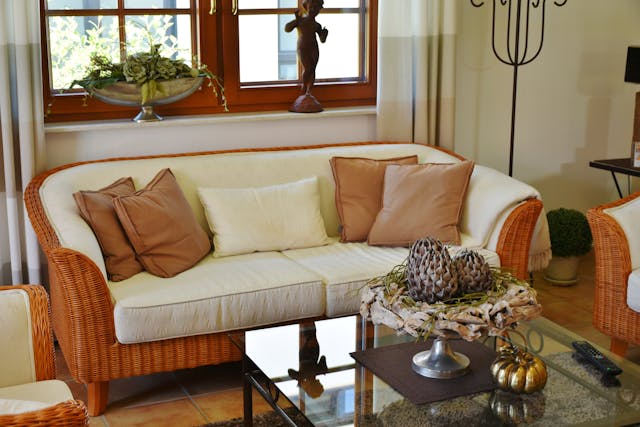
Even the right category can disappoint if the details are wrong. Fabric, seat depth, and maintenance needs have a huge effect on long-term comfort, especially in homes where the couch is used every single day instead of saved for guests.
Which materials are easiest to live with?
Performance fabric, microfiber-like weaves, and some leathers tend to be easier for busy homes because they handle spills and daily wear better. Material choice also affects cleaning, so it helps to know how to clean a fabric sofa before choosing a texture that looks beautiful but demands more upkeep.
How do seat depth and support change comfort?
Deep seats feel relaxed and lounge-friendly, while shallower seats usually feel easier for upright sitting. The best fit depends on your body and habits. If you like curling up with a throw, deeper seating can feel amazing; if you prefer a straighter posture, moderate depth is usually more comfortable.
Conclusion
The best way to choose among the main kinds of couches is to work in order: space first, lifestyle second, style third. Start with the footprint your room can handle, then think about how you sit, host, clean, and relax. From there, the right type usually becomes obvious. A loveseat may solve a tight apartment, a sectional may anchor family life, and a sleeper sofa may save a guest setup. The smartest couch is not the trendiest one. It is the one that fits your real life without making the room harder to live in.
Q&A
Before you finish comparing kinds of couches, a few smaller questions usually come up. These details may seem minor, but they often shape whether a couch feels right after the first week instead of only on delivery day.
Can you mix a loveseat and a full sofa?
Yes. This is one of the easiest ways to make a living room feel layered instead of overly matched. The key is repeating one or two elements, such as fabric tone, leg finish, or overall silhouette, so the pieces feel related even if their sizes differ.
How much walking space should you leave around a couch?
A comfortable room needs clear circulation more than oversized furniture. As a practical rule, leave enough space for people to move naturally between the couch, coffee table, and nearby paths, especially in small rooms where bulky seating can quickly interrupt the layout.
Is deep seating always more comfortable?
Not always. Deep seating feels great for lounging, reading, and stretching out, but it can be less comfortable for shorter people or anyone who prefers upright support. Comfort depends on how you sit most of the time, not just how plush the couch looks.
Should all couches in an open-plan room match?
No. In open spaces, coordinated is usually better than identical. A sectional can pair well with a loveseat or accent chair if the scale, color family, and visual weight feel balanced. Matching everything too closely can make the room feel flat and less lived-in.


