 By Jenny Smith
A sofa bed is one of the easiest ways to make a room work harder without making it feel crowded. If you have ever searched what is a sofa bed, you were probably not just asking for a definition. You were also trying to understand comfort, space, guest use, and whether it is better than a sleeper sofa. This guide answers those questions in plain English, so you can decide what kind of sofa bed makes sense for your home and your daily routine.
Table of Contents
What Is a Sofa Bed?
A sofa bed is a sofa that turns into a bed, giving you seating and sleeping space in one piece. It is a practical choice for small homes, guest areas, and rooms that need to serve more than one purpose.
When shopping, the wording may vary. “Sofa bed” can be used broadly, but the exact design depends on the product. Pay attention to how it opens and what you actually sleep on.
Common terms you may see:
- Sofa bed — a sofa that converts into a bed
- Sleeper sofa — often includes a hidden mattress
- Pull-out couch — opens by pulling out the bed section
- Convertible sofa — changes shape into a sleep surface
How Is a Sofa Bed Different From a Sleeper Sofa?
This is the comparison most readers actually care about, because the wrong assumption can lead to the wrong purchase. In practice, the difference between a sofa bed and a sleeper sofa usually comes down to the mechanism, the sleeping surface, and the level of overnight comfort you expect.
| Feature | Sofa Bed | Sleeper Sofa |
| Typical setup | Folds flat, slides out, or reconfigures cushions | Pulls out a hidden frame and mattress |
| Sleep surface | Usually seat/back cushions or platform | Separate mattress |
| Best for | Small rooms, flexible use, occasional guests | More bed-like overnight use |
| Weight and bulk | Often lighter and simpler | Usually heavier and bulkier |
| Comfort expectation | Good for short stays, varies by design | Often better for repeated guest sleep |
A simple rule works well here: choose a sofa bed when space and flexibility matter most, and choose a sleeper sofa when sleep comfort matters almost as much as seating comfort. That is why so many top-ranking pages explain both terms side by side instead of treating them as exact synonyms.
Why Do People Choose a Sofa Bed?
People choose a sofa bed because it helps one room do more than one job. It works well in small apartments, home offices, and living rooms that occasionally need to host overnight guests. Instead of giving up valuable floor space to a full bed, you get seating by day and a sleep solution at night.
I once helped a friend furnish a small rental where the living room also had to serve as guest space. A sofa bed kept the room open during the week and still made holiday visits feel easy and comfortable.
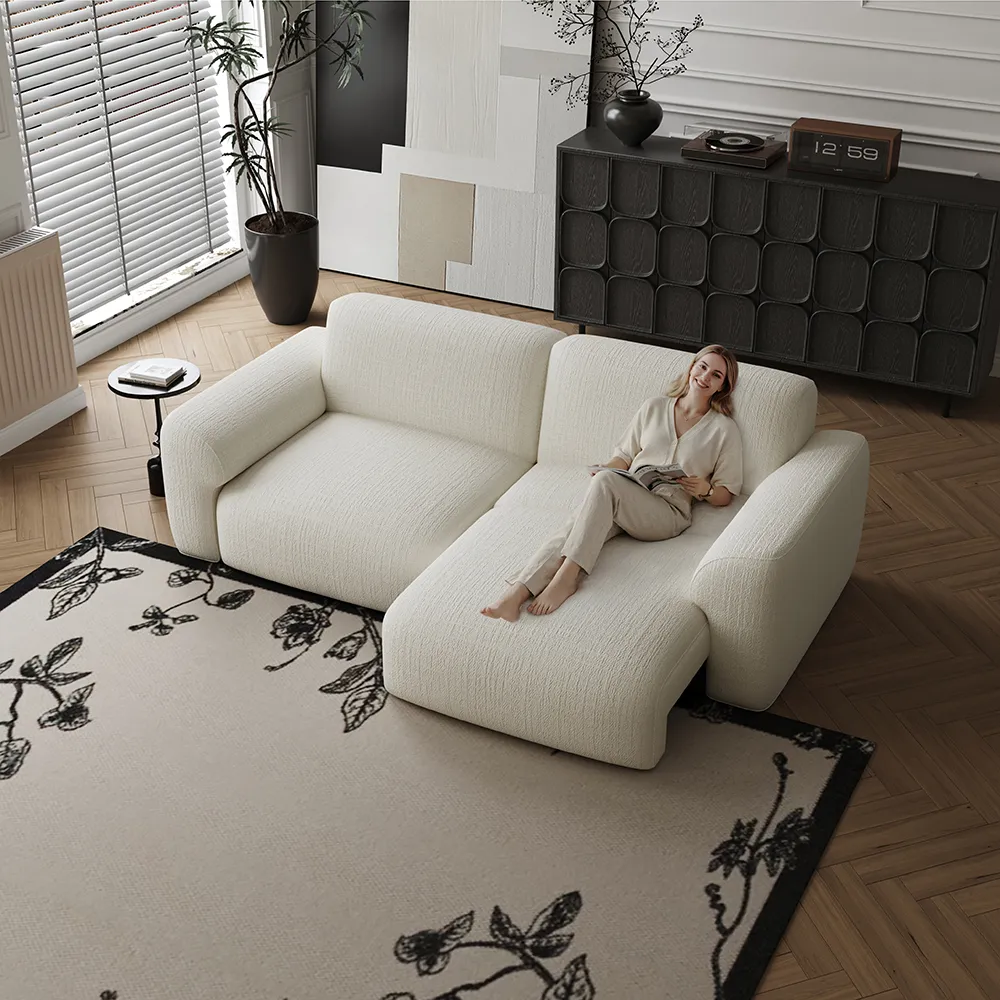
For readers who want that flexibility with a more polished look, the Aurora Power Sofa Bed offers a retractable design, soft chenille upholstery, and remote-controlled setup, making it feel practical without looking overly functional.
What Types of Sofa Bed Are Best for Different Rooms?
Once the definition is clear, the next step is matching mechanism to room layout. The naming can get messy, which is why understanding what sofa beds are called in different stores is helpful before you buy. A “convertible,” “futon,” or “pull-out” may all solve different space problems even when they sit under the same broad category.
Common Types
- Fold-flat or click-clack sofa bed: good for quick setup and smaller rooms
- Pull-out sleeper style: better for guests who need a more bed-like surface
- Sectional sofa bed: useful when you want more seating and occasional sleeping space
- Power or retractable sofa bed: easier to operate and often more lounge-focused
- Modular sofa bed: flexible for changing layouts or multi-use family rooms
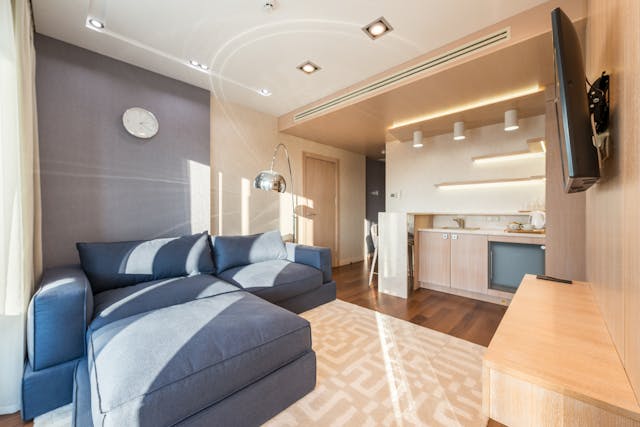
For a tight apartment, a fold-flat, retractable, or power sofa bed can be a practical choice because it keeps the room flexible and easy to use. In a den or guest room that sees more frequent overnight stays, a pull-out or other supportive design may work better. In the end, the right sofa bed is the one that matches your space, your guest routine, and how much comfort and setup ease matter to you.
How Do You Choose the Right Sofa Bed?
Choosing well is less about style names and more about daily reality. Before you compare fabrics or silhouettes, think about how often it will be slept on, how much clearance you have when it opens, and whether the sleeper will care more about softness or support. Those three checks prevent most bad purchases.
Start With Room Size and Sleep Frequency
If the sofa bed is only for a few holiday weekends each year, you can prioritize looks and compact size. If it will be used monthly, support and opening ease matter more. If someone may sleep on it every week, treat it like a real sleep product rather than a backup piece.
Use this quick checklist before buying:
- Measure the sofa closed
- Measure it fully open
- Leave walking space in front
- Check the usable sleeping length
- Think about who will actually sleep on it
Then Look at Comfort and Ease
A sofa bed does not need to feel luxurious to be useful, but it should feel stable, supportive, and easy to open. In a narrow office-guest room I tested once, the biggest surprise was not cushion softness. It was how annoying a hard-to-open mechanism became at 11 p.m. after guests had already arrived.
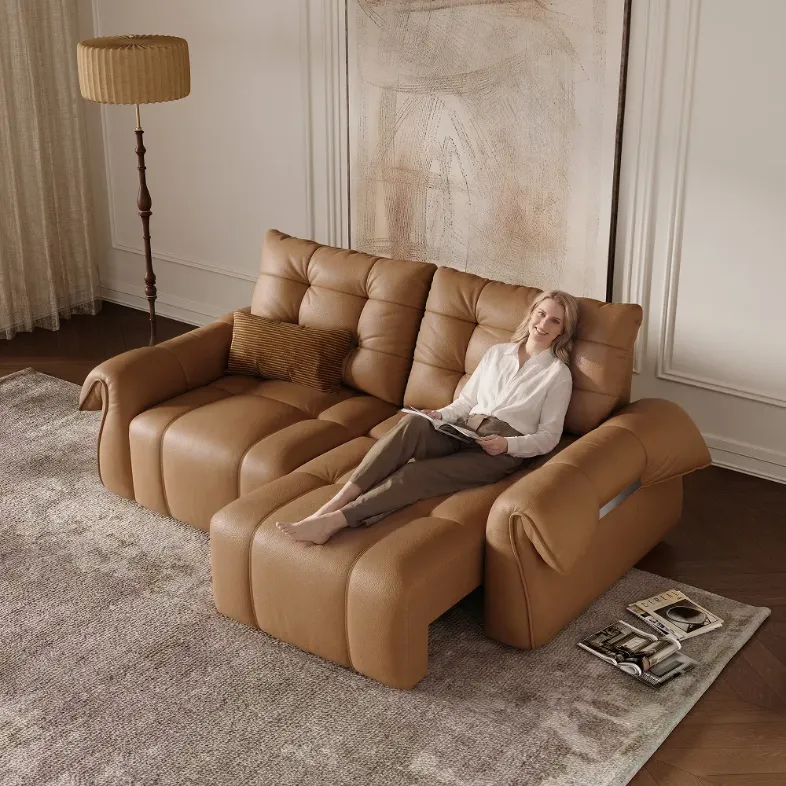
If you want a more lounge-oriented option, the Cygnus Power Sofa Bed is a good example of where the category is heading. Its product details highlight top-grain leather, remote control operation, one-touch switching between lounge, recline, and sleep modes, and extra-wide deep seating, which makes it appealing for readers who care about movie-night comfort as much as guest use.
Conclusion
So, what is a sofa bed? It is a flexible piece of furniture that helps one room serve more than one purpose. The best one for you depends on how it opens, who will sleep on it, and how much space you can spare when it is extended. If you keep those basics in mind, a sofa bed can be more than a backup bed. It can be a smart everyday solution for smaller homes, guest-friendly living rooms, and multi-use spaces that need to stay comfortable and uncluttered.
FAQ
These are the smaller questions readers often ask after they understand the basics. They are not about definitions anymore. They are about living with a sofa bed day to day, maintaining it, and avoiding the small problems that tend to show up after the purchase.
How long does a sofa bed usually last?
A well-made sofa bed can last for years, but lifespan depends heavily on how often you convert it and how much strain the mechanism takes. For occasional guest use, it may hold up very well. For frequent sleeping, choose sturdier construction and check warranty details before buying.
Do sofa beds need a mattress topper?
Not always. A thin topper can help on flatter or firmer sofa beds, especially for occasional guests. But some electric sofa beds, including POVISON designs with built-in support foam and dedicated sleep modes, are made to be slept on directly, so a topper is usually optional rather than necessary.
Are sofa beds hard to move?
Some are surprisingly manageable, while others are very heavy because of built-in frames, motors, or thicker structures. Always check product dimensions and weight before delivery day. In apartments or upstairs spaces, moving difficulty matters almost as much as how the sofa feels once it is in place.
What sheets fit a sofa bed?
That depends on the actual sleep surface, not just the product label. Some sofa beds work with standard twin, full, or queen sheets, but others have unusual dimensions. Measure the sleeping area first, then buy fitted bedding based on those numbers instead of guessing from the product name alone.


