 By Kelvin
Introduction
Learning how to clean a couch starts with one simple rule: do not treat every sofa the same. A fabric couch, microfiber couch, leather couch, and unknown upholstery can react very differently to water, soap, vinegar, baking soda, or steam. The safest method is not the strongest cleaner; it is the one that matches the material and care code. This guide helps you clean dust, stains, odors, and everyday buildup at home while reducing the risk of water marks, fading, stiff fabric, or damaged upholstery.
Table of Contents
What Should You Check Before Cleaning a Couch?
Before you clean sofa at home, check the care tag. This small label tells you whether your couch can handle water, solvent-based cleaner, both, or no liquid cleaner at all. Skipping this step is one of the easiest ways to cause water rings, fabric shrinkage, discoloration, or texture damage.
| Couch Code | What It Means | Best Starting Method | Avoid |
| W | Water-based cleaner is usually safe | Mild soap solution or fabric-safe upholstery cleaner | Over-wetting the fabric |
| S | Solvent-based cleaner only | Dry-cleaning solvent or professional cleaning | Water, vinegar, steam |
| WS / W-S | Water or solvent may be safe | Spot test first, then clean lightly | Skipping the test patch |
| X | Vacuum only | Vacuum and soft brushing | Liquid cleaner, steam, soaking |
| No Tag | Unknown material | Vacuum first, then hidden spot test | Full DIY deep cleaning |
These couch cleaning codes should guide every cleaning decision. If the label is missing, treat the couch as delicate. Start with vacuuming and avoid applying liquid to a large visible area until you have tested a hidden spot and allowed it to dry fully.
What Type of Couch Are You Working With?
Before you start cleaning, identify the couch material first. Fabric, microfiber, leather, and delicate upholstery respond differently to water, soap, baking soda, and upholstery cleaner. A quick material check helps you choose the safest method before moving into the full step-by-step cleaning process.
Fabric Couch
If you are learning how to clean a fabric couch, begin with a slow vacuum across the seat, back, arms, seams, and cushion gaps. If the tag allows water, use a small amount of mild soap solution or fabric-safe upholstery cleaner on a white cloth, then blot instead of rubbing. Baking soda may help absorb light odors on suitable dry fabric, but it should be fully vacuumed away.
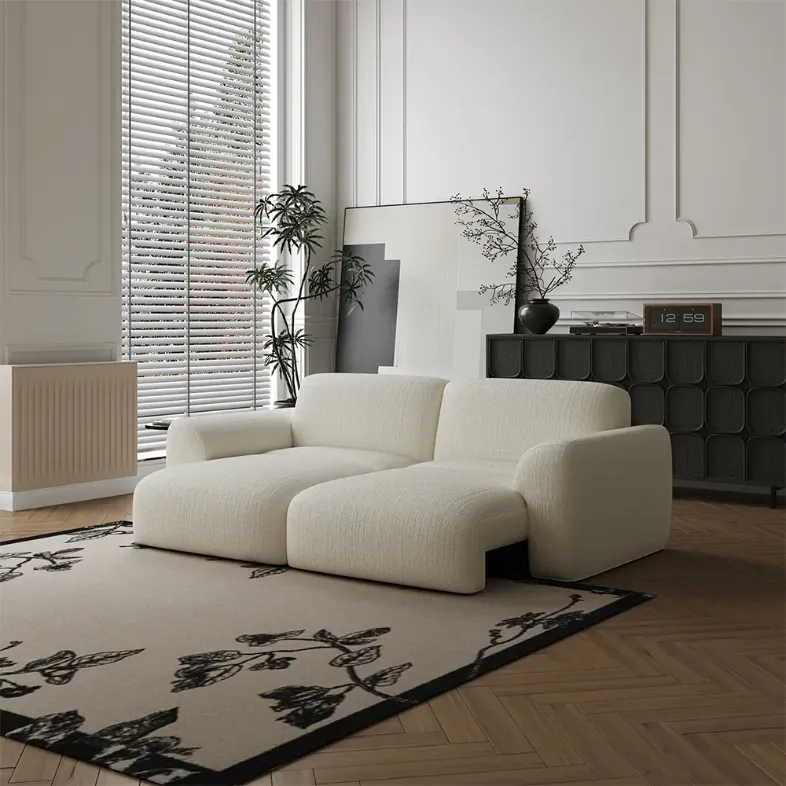
If easy everyday care is a priority, fabric choice matters as much as the cleaning method. The Aurora-Power Sofa Bed uses soft performance chenille with a 100% polyester composition, making it a practical option for homes that want a cozy fabric feel with simpler spot-clean care.
Microfiber Couch
For how to clean a microfiber couch, the care code matters even more because some microfiber shows water marks quickly. W-coded microfiber may handle light water-based cleaning, while S-coded microfiber may need a solvent-safe method. Use a white cloth, clean in small areas, and gently brush the surface after drying to restore the soft texture.
Leather Couch
For leather, use very little moisture. Dust with a dry microfiber cloth or soft vacuum brush, then wipe protected leather with a barely damp cloth or leather-safe cleaner. Dry the surface right away and avoid vinegar, bleach, alcohol-heavy sprays, or soaking. If the leather needs more than light surface care, how to clean a leather couch without damaging it becomes a more specific material-care question.
Unknown or Delicate Upholstery
If the couch has no tag, delicate texture, vintage fabric, suede, velvet, or an expensive custom cover, avoid aggressive DIY cleaning. Vacuum first, spot test carefully, and stop if the fabric changes color, feels rough, or develops a ring. In these cases, professional cleaning may be safer than trying multiple home remedies.
How Do You Clean a Couch Safely at Home?
After checking the code and material, you can move into the main cleaning process. This order matters because dry cleaning should come before wet cleaning, and stains should be handled before you refresh the full couch. A safe routine uses the least amount of moisture needed to get the surface clean.
Step 1: Remove Loose Items and Cushions
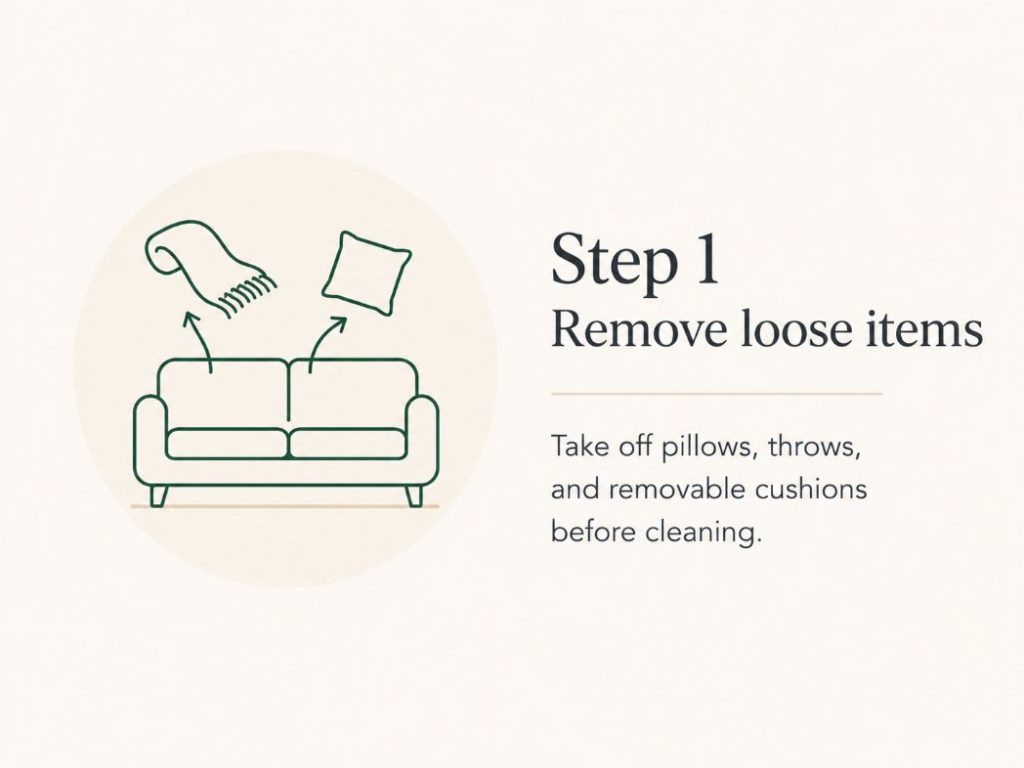
Take off pillows, throws, blankets, and anything tucked between the seats. If your couch has removable cushions, lift them out and check the gaps underneath. Crumbs, pet hair, dust, and small objects often collect there first.
This is also a good time to inspect hidden stains. A small spill under a cushion is easier to treat before it dries into the upholstery or padding.
Step 2: Vacuum Every Surface
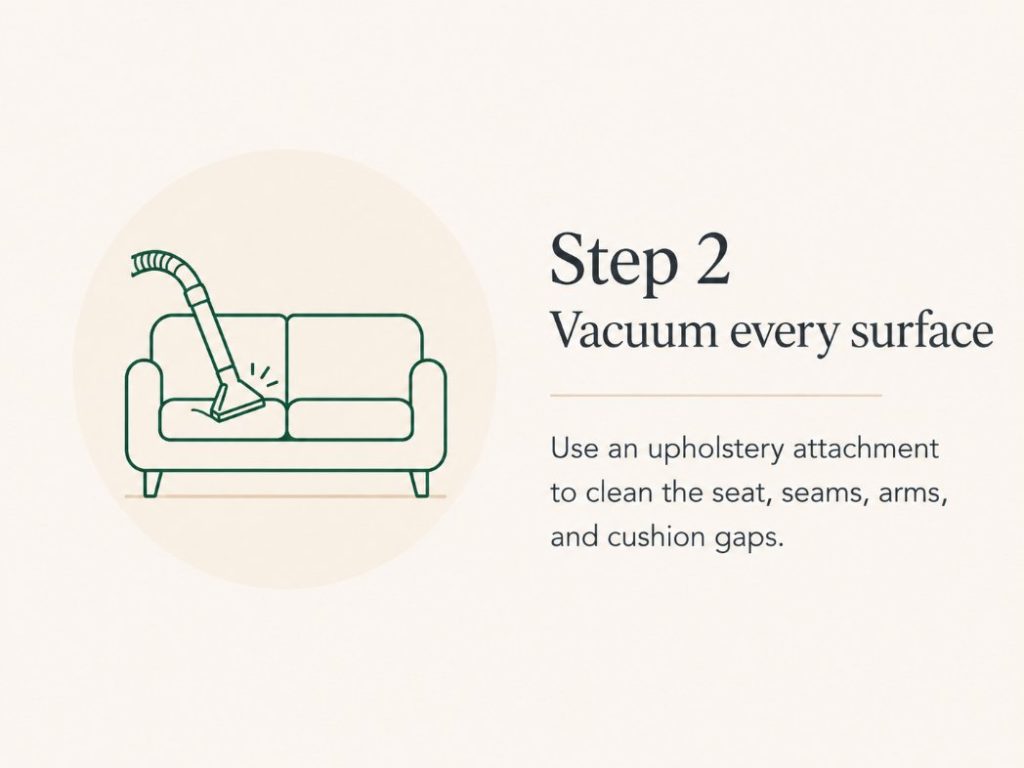
Use a vacuum with an upholstery attachment or soft brush head. Work across the seat, back, arms, cushion seams, and the area under removable cushions. For textured fabric, move slowly so the vacuum can lift dust instead of pushing it deeper.
In my own living room, the biggest difference comes from vacuuming the seams first. A beige couch can look clean from far away, but the cushion lines often hold enough dust to make the whole sofa feel dull.
Step 3: Spot Test Before Cleaning
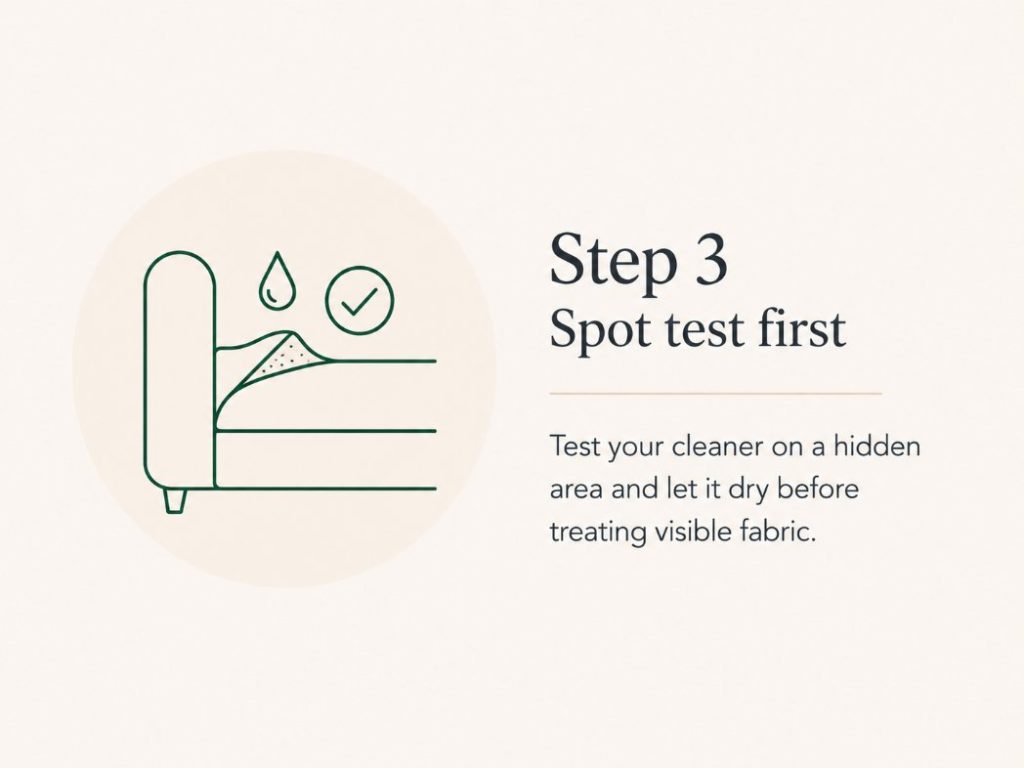
Before using water, soap, alcohol, baking soda, or any upholstery cleaner, test the method on a hidden area. Let it dry completely before deciding whether to continue.
Watch for color transfer, dark rings, fading, rough texture, or stiffness. If the test area changes, stop and use a gentler method.
Step 4: Treat Small Areas First
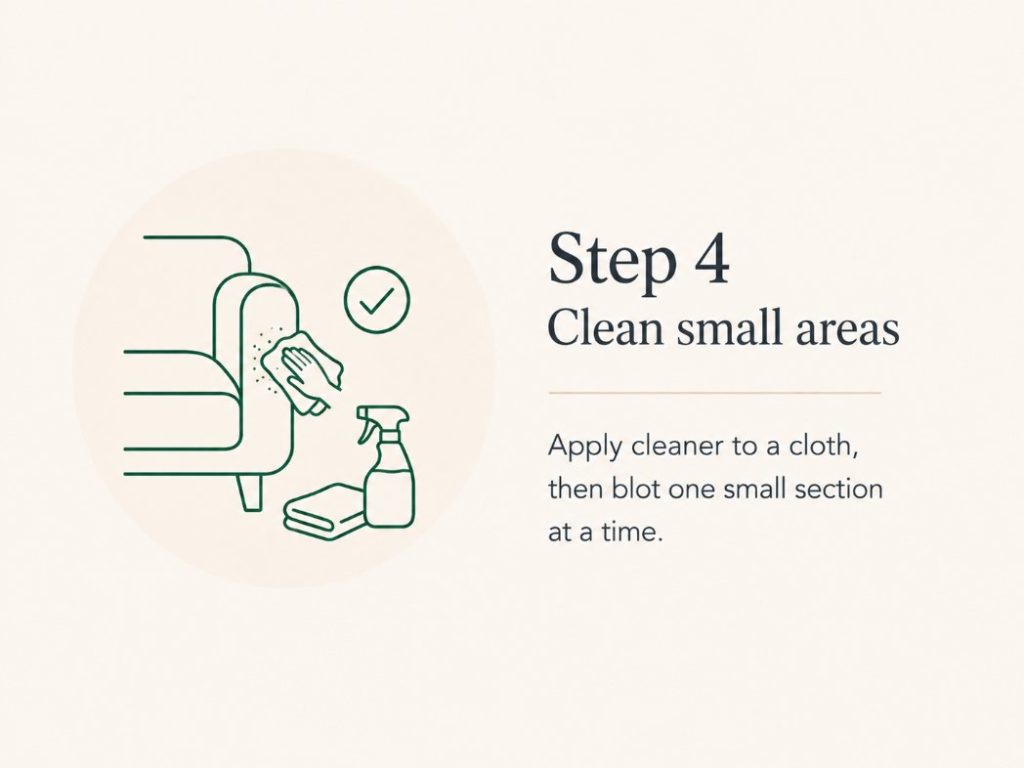
Do not spray or wet the whole couch immediately. Apply cleaner to a cloth, not directly to the upholstery, and work on one small area at a time. Blot the surface lightly and avoid rubbing.
For fresh spills, press with a clean white cloth and work from the outside of the stain toward the center. This keeps the mark from spreading.
Step 5: Let the Couch Dry Fully
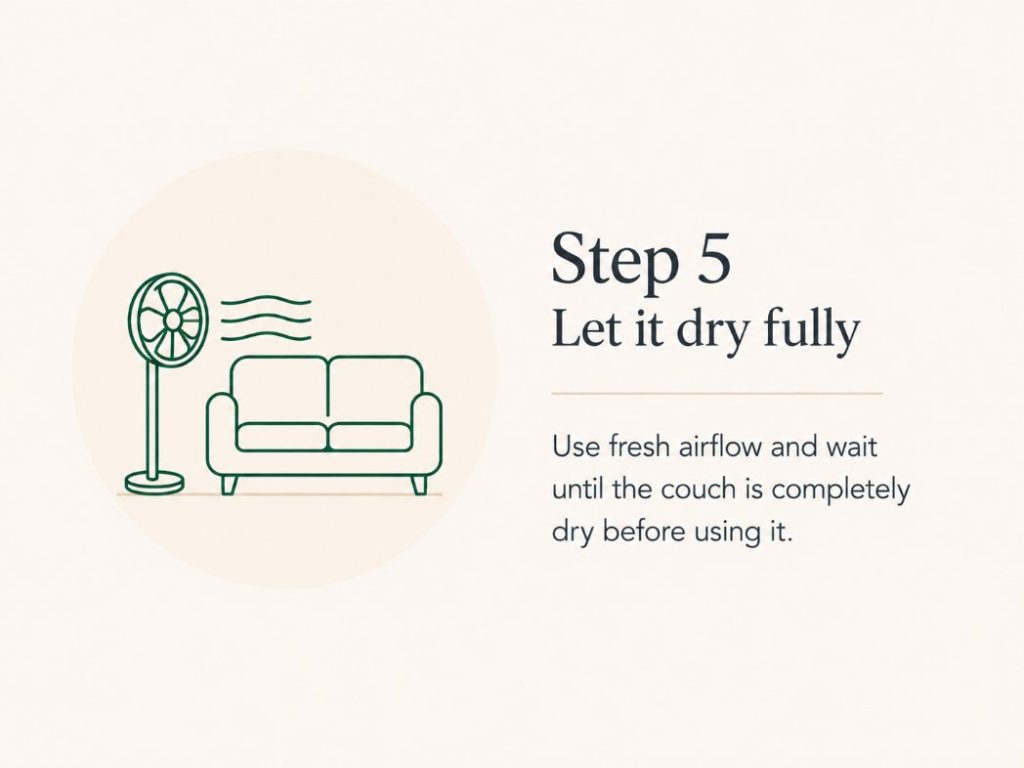
Drying is part of the cleaning process. Open windows, use a fan, and keep cushions separated when possible. Do not sit on the couch while it still feels cool or damp.
One time after spot cleaning a gray sofa before guests arrived, I put the cushions back too early. The room looked ready, but the seat stayed slightly damp for hours. Since then, I always give cushions extra airflow before styling them again.
What About Stains, Odors, and No-Machine Cleaning?
After the main cleaning routine, you may still need to handle specific problems like food stains, pet smells, or a couch that needs refreshing without a machine. These situations do not always require deep cleaning. In many cases, a lighter method is safer and more effective than using too much liquid.
Fresh Spills
For fresh spills, blot immediately with a clean white cloth. Do not rub, because rubbing can spread the stain and push liquid deeper into the upholstery. If the care code allows cleaning, use a small amount of suitable cleaner on the cloth and blot again.
This is the safest starting point for how to clean couch stains without making the mark larger.
Everyday Odors
To remove couch odors, begin with dry methods. Vacuum slowly, then use baking soda only on suitable fabric upholstery. Sprinkle a thin layer, let it sit, and vacuum thoroughly.
If you are wondering how to clean a couch with baking soda, remember that it is better for odor absorption than stain removal. Do not use it on leather, suede, or materials where powder may stay trapped in the texture.
No-Machine Refresh
If you want to know how to clean a couch without a machine, start with vacuuming, brushing, and spot cleaning. A steam cleaner or upholstery machine is not always necessary, especially for light dust, crumbs, or mild odor.
Use a damp white cloth only when the care code allows water. Keep moisture low, avoid direct spraying, and dry the couch with good airflow. This simple method works well for quick weekend refreshes and apartment-friendly cleaning.
What Should You Avoid When Cleaning a Couch?
Most couch cleaning damage comes from doing too much. Too much water, pressure, heat, or cleaner can leave marks that are harder to fix than the original stain. When in doubt, use less liquid and more patience.
Avoid these common mistakes:
- Do not soak upholstery or pour cleaner directly onto the couch.
- Do not scrub aggressively, especially on woven fabric or microfiber.
- Do not use colored towels on light upholstery.
- Do not steam leather, suede, velvet, or X-code fabric.
- Do not assume removable covers are machine washable.
- Do not mix cleaning products together.
- Do not use vinegar on leather.
- Do not sit on the couch before it is fully dry.
- Do not treat cushion covers and cushion inserts the same way.
If your couch has removable parts, the safest method may change by section. The cover, cushion insert, and frame may each need different handling, especially when you are figuring out how to clean sofa cushions without damage.
Choosing an easier-care material can also make these cleaning rules easier to follow. The Cronus-Brown Genuine Leather Modular Sofa uses top-grain leather, so everyday dust can be handled with a soft dry cloth, while small spills should be dabbed quickly instead of scrubbed. It fits the low-moisture cleaning approach recommended for leather couches.

When Should You Call a Professional Couch Cleaner?
DIY cleaning works best for dust, light odors, and small fresh stains. It becomes riskier when the material is delicate, the stain is old, or the couch has absorbed too much moisture. Professional cleaning can be worth it when the wrong home method could cause permanent damage.
Call a professional if:
- The tag says X.
- The couch is suede, unfinished leather, silk, or delicate velvet.
- The stain is oil-based, ink-based, or very old.
- The couch smells musty after cleaning.
- The fabric changes color during spot testing.
- The sofa is expensive or difficult to replace.
- You already tried cleaning and the stain spread.
This is not only about appearance. A good couch supports daily life, movie nights, naps, guests, and pets. Cleaning should protect that comfort, not shorten the life of the furniture.
Conclusion
The safest way to clean a couch is to slow down before adding moisture. Start with the care code, identify the material, vacuum thoroughly, spot test, treat small areas first, and let everything dry completely. Fabric, microfiber, leather, and delicate upholstery should not be cleaned the same way. Use baking soda, soap, solvent, or upholstery cleaner only when the material allows it. Once you understand how to clean a couch by code, material, stain type, and drying risk, regular care becomes easier and much safer.
FAQs
Can I use dish soap to clean a couch?
You can use a small amount of mild dish soap on some W-coded or water-safe fabric couches, but it should be diluted and tested first. Apply it with a cloth instead of pouring it onto the couch. Too much soap can leave residue and attract more dirt.
Is vinegar safe for couch cleaning?
Vinegar may work on some water-safe fabrics when diluted, but it is not safe for every couch. Avoid using vinegar on leather, suede, delicate upholstery, or any couch with an S or X cleaning code. Always spot test before applying it to a visible area.
Can removable couch covers go in the washing machine?
Only machine wash removable covers if the care label clearly allows it. Some covers can shrink, fade, or lose shape in the washer. Use cold water and air drying when recommended. If the label says dry clean only, do not risk a home wash.
How often should I clean my couch?
Vacuum high-use couches weekly or every two weeks, especially in homes with pets, kids, or frequent snacking. Spot clean spills as soon as they happen. A deeper clean may be useful every 6–12 months, depending on the fabric, odor, and daily use.
Why does my couch have water marks after cleaning?
Water marks usually happen when the fabric gets too wet or dries unevenly. They can also appear when dirt spreads outward from the original spot. To avoid this, use less liquid, blot instead of rubbing, clean edge-to-center, and dry the area with good airflow.


