 By Jenny Smith
Introduction
If you’ve searched for living-room furniture lately, you’ve probably seen “TV stand,” “TV console,” even “media console” used almost interchangeably. No wonder it feels confusing. At the same time, we’re spending serious time in front of our screens—watching TV remains the single biggest leisure activity for Americans at about 2.6 hours a day on average (U.S. Bureau of Labor Statistics, 2024). So choosing the right piece under your TV isn’t just semantics. Let’s break down what the terms really mean, how they look, and which one will actually work best in your space.
Definitions Explained – How People Use “TV Stand” and “TV Console”
“TV Stand”: The Common Name for TV Furniture
In everyday language, “TV stand” is the catch-all term for any furniture that holds your television and usually some devices. It can describe everything from a simple open shelf for a small screen, to a mid-size cabinet with a couple of doors, to a long, low piece that some brands market as a console. Different retailers use their own wording, but almost every “TV console” could still be accurately described as a TV stand because it does the core job: supporting your TV at a comfortable viewing height while offering at least a bit of storage.
“TV Console” as a Style Within TV Stands
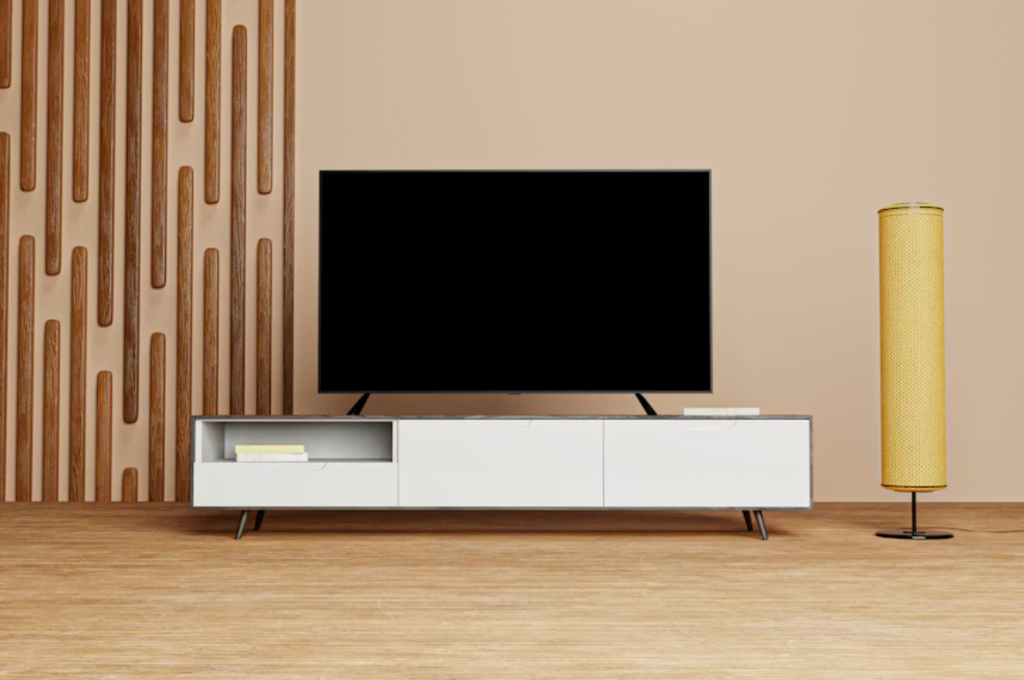
“TV console” usually describes a style of TV stand, not a completely separate or more premium category. Console-style stands tend to be longer and lower, with a strong horizontal line that visually grounds the wall. They often look more like built-in cabinetry, with plenty of doors and drawers plus a few open niches for devices. There’s no hard industry rule that says when something must be called a console instead of a stand—brands use “console” mostly as a style and marketing term, not as a guarantee of higher quality or durability.
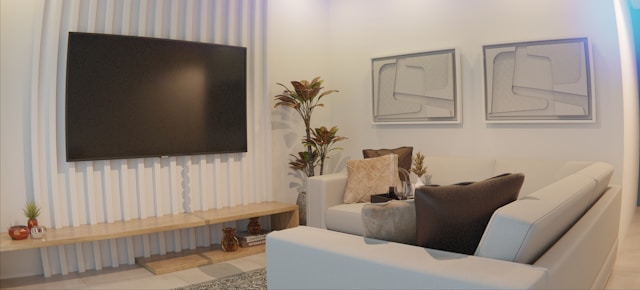
Style & Storage Comparison: TV Stand vs Console-Style TV Stand
Overall Look and Presence in the Room
A typical TV stand can be compact and practical, or wide enough to fill most of a wall, but it usually balances height and width so it doesn’t overwhelm the room. Console-style stands push that horizontal look further, stretching across the wall with a low profile that makes the TV and cabinet feel like one continuous unit. As average TV sizes have grown—from about 49 inches in 2017 to 55.5 inches in 2021 in North America (Statista data reported by CEPro) —that long, low look has become more popular. In my own living room, switching from a small stand to a wider console made the TV wall look cleaner and better proportioned to the size of the screen.
Storage Layout – Open, Closed, or Mixed
Across the board, TV stands mix open and closed storage in different ways. Some favor open shelving for soundbars, game consoles, and routers, while others focus on closed cabinets to hide clutter, toys, and extra cables. Console-style TV stands usually lean into more continuous doors and drawers, with a cleaner, less visually busy front. The key takeaway: storage design varies far more from model to model than from the words “stand” or “console.” When you shop, zoom in on the internal layout, shelf heights, and number of compartments instead of relying on the label alone.
Practical Details – Cable Management, Ventilation & Safety
Because we use our TVs so often—TV and video still take up more than half of people’s daily leisure time (U.S. Bureau of Labor Statistics, 2024) —the practical details of your stand or console really matter. Look for pre-drilled cable cutouts, partially open backs, or built-in channels, so you’re not wrestling a nest of wires every time you add a device. Ventilation is just as important: open sections or breathable back panels help receivers and consoles stay cool. Finally, check the weight limit, base design, and the option to add an anti-tip kit, especially if you have kids, pets, or a very large screen. Whether the piece is called a stand or a console, these details are what determine long-term comfort and safety.
Which One Fits Your Space?
Before you think about names, grab a tape measure. Measure TV width, wall width, viewing distance, and walking paths. Aim for a stand at least as wide as your TV, with enough depth for the base and a height that keeps the center of the screen roughly at eye level when you’re seated.
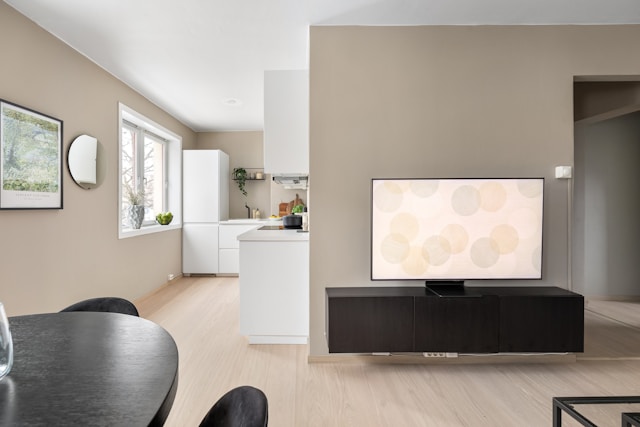
In small living rooms or studio apartments, a compact TV stand that combines essential storage with a small footprint will feel lighter and keep walkways open. A long wall or open-plan space can easily handle a console-style stand that visually anchors the TV zone and provides generous storage for games, blankets, and decor. If your layout is awkward, pairing a wall-mounted TV with a low, storage-focused stand under it can solve both cable mess and clutter. For more small-space tactics, you can dive into this detailed guide on choosing a TV stand for a small living room.
Function, Lifestyle & Budget Considerations
A TV stand or console works hardest when it’s matched to how you actually live. If your evenings revolve around streaming, gaming, or watching sports marathons, you’ll want extra shelves for consoles, controllers, and maybe a charging station. Families with kids often prefer more closed storage to hide toys and protect fragile devices. I once helped a friend swap a narrow open stand for a console with deep drawers; overnight, the living room went from “constant Lego zone” to “movie-night ready” with a quick tidy.
Budget and build also play a big role. A simpler open TV stand often costs less and assembles more quickly, while a console-style piece with doors, drawers, and solid wood construction will usually sit in a higher price band and may be heavier to move. If you’re debating whether “luxury” is worth it, this luxury TV stand guide breaks down which materials, joinery, and hardware upgrades actually justify the investment. Either way, prioritize stable construction, smooth hardware, and a finish that matches the rest of your furniture.
How to Decide Between a TV Console and a TV Stand
A Simple Decision Checklist
When you’re stuck between product names, run through a quick checklist:
- How wide is your wall and how large is your TV?
- Do you need minimal storage or a lot of hidden space?
- Do you prefer a light, open look or a substantial, built-in feel?
- How important is fast, easy assembly versus a more complex, feature-rich piece?
- What’s your realistic budget range for this purchase?
If your wall is small and your storage needs are modest, a compact TV stand usually wins. For a long wall, big TV, and serious storage goals, a console-style TV stand will likely feel more balanced.
Don’t Stress About the Label – Focus on Fit
There’s no universal rule that makes a “console” automatically better than a “stand.” What truly matters is how the piece fits your TV, your room, and your routine. Look at the dimensions, storage layout, cable access, ventilation, and overall style. Does it feel stable with your screen size? Does the finish work with your sofa and rug? Does the storage match your devices and clutter level? Many designs marketed as TV consoles are simply console-style TV stands under the broader TV-stand umbrella. For styling ideas no matter what the label says, check out thismodern TV stand guide.
Conclusion
When you see “TV console vs TV stand” in product descriptions, treat it less like a strict category fight and more like a style hint. “TV stand” is the broad, everyday term; “TV console” usually signals a longer, lower, more cabinet-like version of a TV stand. The right choice for you comes down to measurements, room layout, storage needs, and the mood you want your TV wall to set. If you focus on those practical and aesthetic factors instead of the label, you’ll end up with a piece that feels made for your home—and one you’ll enjoy every time you hit play.
FAQs – TV Console vs TV Stand
Is a TV console better than a TV stand?
Not by default. “Console” is usually a style term, not a built-in quality upgrade. A compact TV stand might be better for a small apartment, while a long console-style stand might suit a big wall and large screen. The best option is the one that fits your measurements, storage needs, and décor—not the fanciest name.
Can a console-style TV stand hold any TV size?
A console-style stand can support large TVs, but always check the manufacturer’s recommended TV size and weight capacity. Make sure the top panel is at least as wide as your TV for both visual balance and stability. For very large screens, consider combining the console with a wall mount and using the stand mainly for storage and styling.
Do I need a TV stand if my TV is wall-mounted?
Strictly speaking, no—but most people still prefer one. A TV stand or console beneath a wall-mounted TV offers storage for devices, baskets, and decor, plus better cable management. It also keeps the wall from feeling empty and gives you a place for speakers, game consoles, or framed photos, even when the screen itself is floating.
Can I use a dresser or sideboard instead of a TV stand?
Yes, as long as it’s deep and sturdy enough and meets the weight and width needs of your TV. Many dressers and sideboards work beautifully as media furniture in living rooms. Just double-check that the back allows for cable routing or can be carefully modified, and that the TV base sits fully and securely on the top surface without wobbling.


