 By Charles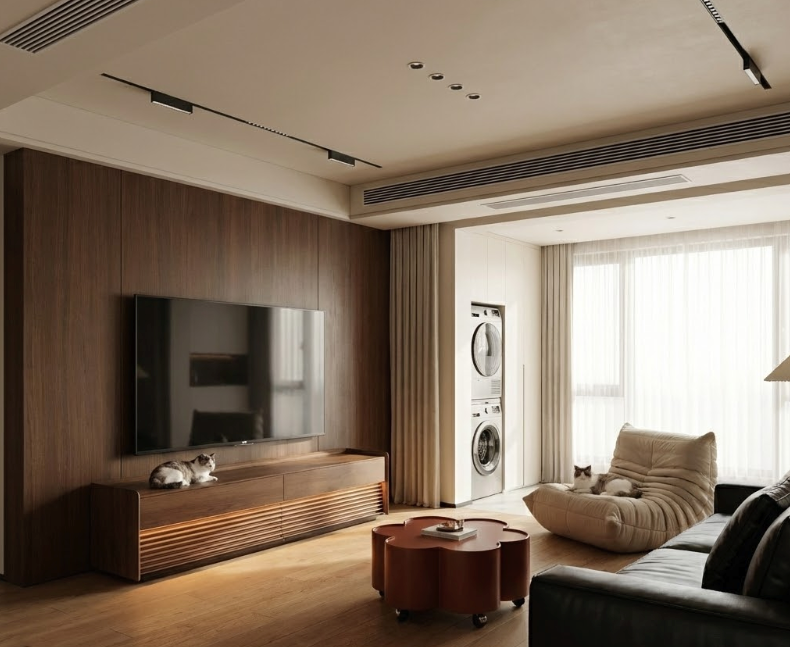
Hey fellow nest builders!
Let’s be real — a modern TV stand isn’t just somewhere to park your screen. It’s cable control, toy camouflage, and the thing your eyes land on every evening.
Trust me, I’ve seen enough wobbly legs to know the struggle. When you choose the right one, your living room feels calmer and cleaner. Here’s the thing: you don’t need to spend your entire weekend on assembly. Let’s find one that fits your style!
What Defines a Modern TV Stand?
A modern TV stand is all about clean lines, smart storage, and low-maintenance materials that can keep up with everyday chaos. Instead of ornate details or chunky shapes, you’re looking at simple silhouettes that don’t fight with your TV, your rug, or your sofa.
At its core, a modern stand does three things well: it holds your TV safely, hides your clutter, and manages your cables so you’re not staring at a spaghetti monster every night.
Here’s what that usually looks like in practice:
- Low, horizontal profile that keeps your TV at comfortable eye level when you’re seated.
- Simple, straight lines or very gentle curves, nothing fussy to dust around.
- Built-in cable management, like cutouts or channels, so you can run cords cleanly.
- Closed storage (doors or drawers) for games, remotes, and kid or pet chaos.
- Open shelves for devices that need line-of-sight, like consoles or receivers.
Modern doesn’t have to mean cold or ultra-minimal. You can absolutely have warmth and personality, wood tones, textured doors, or metal accents, as long as the overall look stays streamlined and uncluttered. If you can walk into your living room and your eyes go “ahh” instead of “where do I look first?”, you’re in modern territory.
The real test: if you turned the TV off and looked at just the stand, would it still feel clean, balanced, and intentional? If the answer is yes, you’ve probably found a good modern TV stand.
Popular Modern Styles
When you start shopping, “modern” can feel like a big, blurry category. It helps to know the main styles so you can match them to how you actually live, not just what looks good in a staged photo.
Mid-Century Modern
Mid-century modern TV stands usually sit on tapered legs, have simple wood fronts, and may mix open shelves with a few doors. They’re great if you like a warm, cozy vibe.
Choose this style if:
- You love walnut or oak tones and simple hardware.
- You want something that looks stylish but not trendy.
- You’re okay with a bit of leg height (helpful for robot vacuums, by the way).
Minimalist / Scandinavian
Minimalist stands focus on flat fronts, hidden hardware, and very light or very dark finishes. Think sleek white, matte black, or pale wood.
Pick this if:
- You like a clutter-free look and plan to actually put things behind doors.
- Your living room is small and you want the TV wall to visually recede.
- You prefer a calm, airy feel with fewer visible lines and textures.
Industrial Modern
Industrial modern mixes wood with metal, black steel frames, metal legs, or perforated doors. It feels a bit tougher and more casual.
This works well if:
- You have kids or pets and want something that doesn’t show every fingerprint.
- You already have black fixtures or metal accents in the room.
- You want a TV stand that can handle some bumps without looking fragile.
Floating / Wall-Mounted
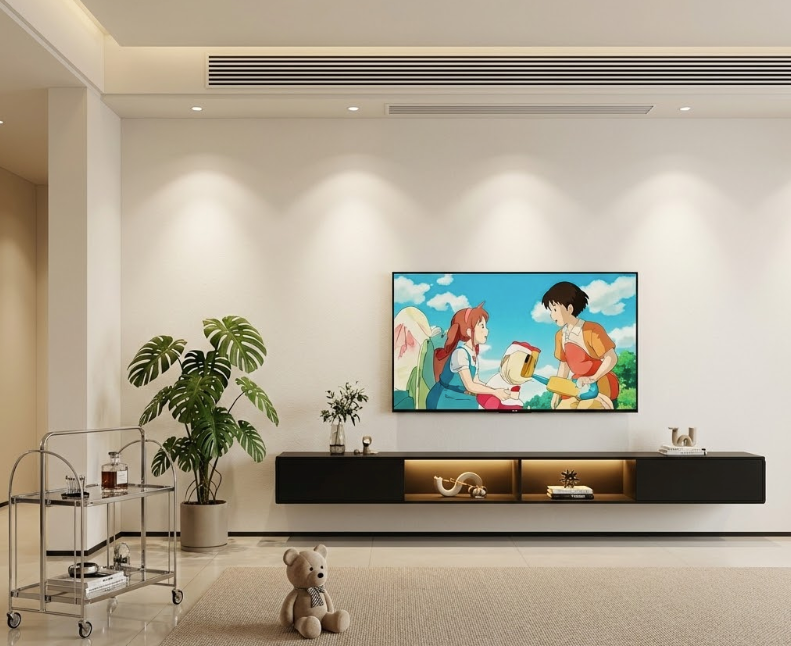
Floating modern TV stands mount to the wall and leave the floor open. They’re visually light and great for smaller spaces.
Go this route if:
- You want easier floor cleaning and a very streamlined look.
- You’re okay with a more involved install (usually drilling into studs).
- Your walls are in good shape and you don’t plan to move the TV soon.
Once you know which modern style feels like “you,” it becomes a lot easier to scroll past the noise and only consider stands that fit both your taste and your actual lifestyle.
Ready to see which style speaks to you? Explore our curated collection at Povison, where we blend these modern aesthetics with the durability real life demands.
Still on the fence? Remember, we offer a 30-day in-home trial. See how it looks with your own sofa and lighting, and if it’s not a perfect match, we’ll take it back.
How to Match with Modern Sofas
You don’t need a designer’s eye to make your modern TV stand work with your sofa. You just need a few simple rules so the two biggest pieces in your living room aren’t arguing with each other.
Keep One Piece the Star
If your sofa is bold, deep color, big chaise, or lots of tufting, let your TV stand be quieter: smooth doors, simple handles, and a neutral finish. If your sofa is very simple, your TV stand can carry more character with slatted doors, ribbed fronts, or mixed materials.
Think of it like this: one piece leads, the other supports.
Align Heights and Proportions
For a balanced look, your modern TV stand should usually be slightly lower than the back of your sofa and long enough that your TV doesn’t visually overwhelm it.
- For a 55–65″ TV, a stand around 60–75″ wide usually feels right.
- If you have a big sectional, a wider stand helps the TV wall feel anchored.
When the sofa and stand feel roughly in scale, the whole room looks more intentional.
Coordinate Color, Don’t Match Everything
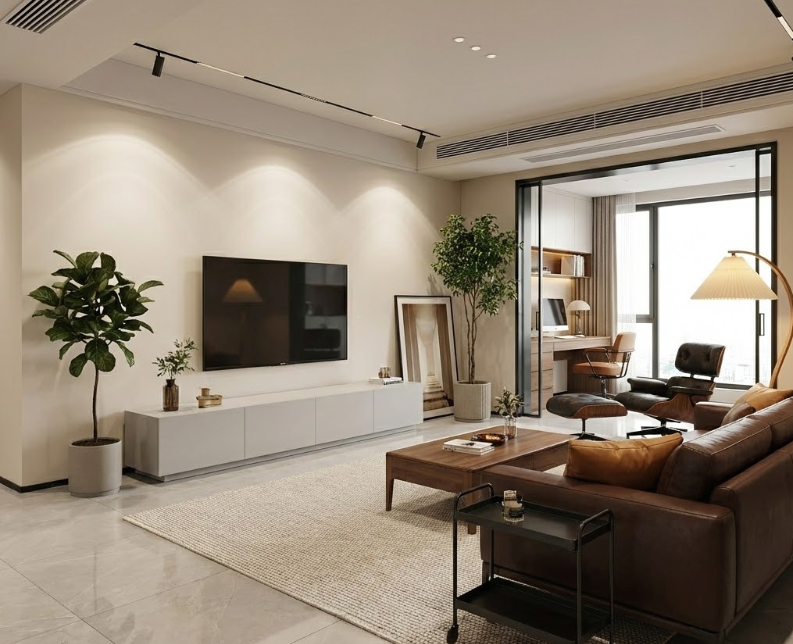
You don’t need your TV stand and sofa to be the same color, actually, it’s better if they’re not.
- Gray sofa? Try a warm wood or white stand to keep things from feeling flat.
- Beige or tan sofa? A black or dark wood stand adds contrast and depth.
- Dark sofa? A light wood or white stand keeps the room from feeling too heavy.
Just make sure at least one tone repeats somewhere else (a wood coffee table, a black floor lamp, a fabric ottoman) so your TV stand doesn’t feel like the odd one out.
Consider Real Life: Kids, Pets, and Snacks
If your sofa is the family crash zone, your TV stand will take hits too, rogue toy cars, puppy tails, and the occasional spilled drink. In that case:
- Avoid high-gloss fronts that show every fingerprint.
- Lean toward mid-tone wood or matte finishes that hide smudges.
- Choose doors or drawers for quick “shove everything in before guests arrive” cleanup.
When your sofa and stand both work hard and look good, your living room instantly feels more pulled together, even on the messiest weekday.
Best Materials & Finishes
The right materials make a modern TV stand look good on day one and hold up to years of movie nights, assignments sessions, and dog zoomies. You want something that can handle real life, not just a photo shoot.
Solid Wood vs. Particle Board
Solid wood (like walnut, oak, or ash) is heavier, more stable, and ages better. It’s less likely to sag under the weight of a large TV. You’ll usually pay more up front, but you’re buying years of use.
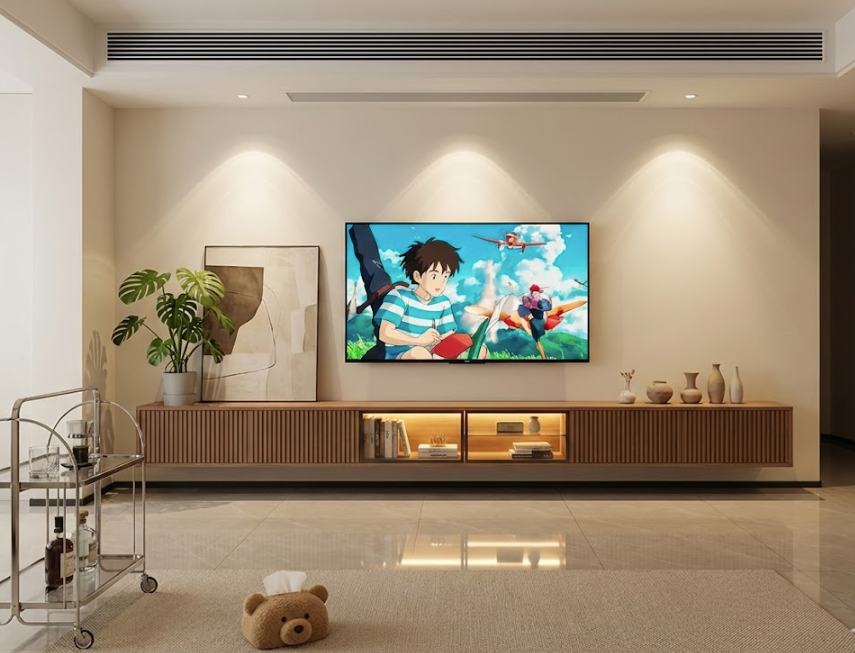
Particle board with a veneer or laminate finish can look nice at first, but it’s more vulnerable to chips and swelling if drinks spill or kids bang toys against it. If you go this route, look for thicker panels and sturdy hardware, not flimsy cam locks everywhere.
Metal Frames and Legs
Metal legs or frames add strength without visual bulk. Black powder-coated steel is common in modern stands because it hides scuffs and pairs nicely with most sofas and rugs. If you have pets or kids, metal legs also tend to survive more bumps than delicate wood ones.
Finishes That Survive Real Life
When you’re choosing a finish, think less about “Is this trendy?” and more about “Will this still look decent after three years?”
- Matte finishes hide fingerprints and small scratches better than glossy ones.
- Mid-tone wood disguises dust and crumbs more than very dark or very light finishes.
- A sealed or lacquered surface is easier to wipe clean after spills.
If you’re a “no coasters” household, look for stands that mention protective top coats or water-resistant finishes.
Glass and High-Gloss: Proceed Carefully
Glass shelves and high-gloss doors can look very sleek, but they also show smudges, paw prints, and dust more quickly. If you have curious toddlers or pets who like to boop everything, you may spend more time cleaning than you’d like.
In a busy home, a modern TV stand with sturdy wood or wood-look surfaces, metal legs, and a practical, easy-to-clean finish will usually give you the best mix of style, durability, and sanity-saving maintenance.
Modern TV Stand: Frequently Asked Questions
What defines a modern TV stand compared to a traditional one?
A modern TV stand is defined by clean lines, a low horizontal profile, smart storage, and built-in cable management. It focuses on simple silhouettes, closed storage for clutter, and open shelves for devices, avoiding ornate details or bulky shapes so the room feels streamlined and intentional even when the TV is off.
How do I choose the right size modern TV stand for my TV?
As a guideline, your modern TV stand should be wider than your TV so it looks balanced and stable. For a 55–65″ TV, a stand around 60–75″ wide usually feels right. In larger rooms or with a big sectional, going wider helps visually anchor the TV wall.
What is the best way to match a modern TV stand with my sofa?
Let either the sofa or the modern TV stand be the visual star, not both. Keep one simpler and one more detailed. Aim for the stand to be slightly lower than the sofa back, coordinate colors without perfectly matching, and repeat at least one tone elsewhere so the pieces feel cohesive, not random.
Which materials are most durable for a modern TV stand in a busy home?
For durability, solid wood or high-quality engineered wood with a tough veneer, plus metal legs or frames, work well. Look for matte or mid-tone finishes that hide fingerprints and dust, and sealed or lacquered surfaces for easier cleanup. Avoid fragile glass shelves and easily scratched high-gloss fronts in kid- and pet-heavy homes.
Should a modern TV stand be wider than the TV or can it be the same width?
Ideally, a modern TV stand should be slightly wider than the TV to create a stable, balanced look and give space for decor or speakers. A stand that’s exactly the same width can feel top-heavy, especially with large screens. Going a few inches wider on each side usually looks more intentional.


