 By Kelvin
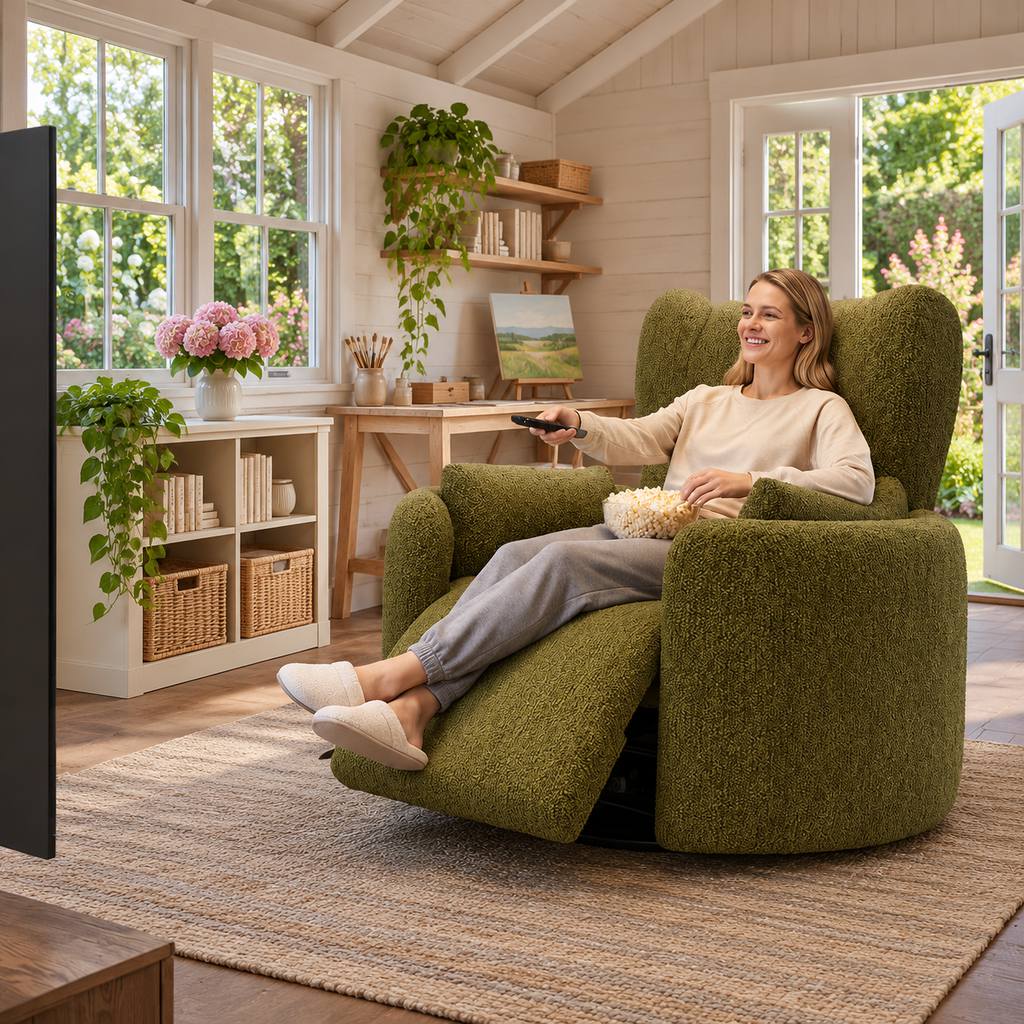
She shed interior ideas work best when the room is planned around one main activity—not filled with furniture that competes for floor space. Whether you want a quiet reading retreat, a place for creative projects, or a comfortable spot to unwind, the layout should make that activity easy to enjoy. Start by deciding what the shed needs to do, then choose seating, tables, lighting, and storage that fit its usable dimensions. These practical steps can help you create a cozy interior without turning a small backyard building into a crowded multipurpose room.
Table of Contents
What Should Your She Shed Be Used For?
Before choosing a color palette or buying furniture, decide what the room needs to support most often. Reading, hands-on hobbies, and relaxing require different amounts of floor space, work surfaces, and lighting. The most practical setup gives one activity priority and adds a second only when the two can share the room comfortably.
Reading and Quiet Relaxation
A reading retreat needs a comfortable seat, a nearby surface for books or drinks, and lighting that works after sunset. Position the chair near a window when possible, but avoid placing it where direct sunlight makes the space uncomfortable during warmer months. A narrow bookshelf or wall-mounted shelves can keep books accessible without taking up much floor space.
Creative Hobbies and Personal Projects
She shed craft room ideas should start with the type of work you actually do. Painting, sewing, and small DIY projects need a stable work surface, task lighting, and storage for supplies. Keep frequently used materials close to the worktable, while less-used items can go on higher shelves or inside labeled bins. If you also want a place to relax, leave one separate seat available rather than turning the worktable into an all-purpose surface.
A Personal Lounge
If relaxation is the main purpose, prioritize comfortable seating and enough room to stretch out. A small sofa or reclining chair can anchor the space, while a side table provides a place for a book, coffee, or headphones. Keep decorative pieces secondary to the seating arrangement. A lounge should feel easy to use at the end of the day, not like a room that needs to be rearranged before you can sit down.

How to Arrange Furniture Without Crowding the Space
Once you know the main activity, arrange the largest functional pieces first. The goal is to create a clear route through the shed while keeping the most-used furniture easy to reach. These small she shed ideas work best when each area has a defined purpose instead of trying to fit several complete room setups into one building.
Start With the Main Activity Area
Place the worktable, reading chair, or primary sofa where it can be used without blocking the entrance or windows. For a craft space, allow enough room to pull out a chair and handle materials. For a reading area, position the seat so you can reach the lamp and side table without standing up.
If you plan to combine a hobby area with a quiet reading spot, keep the work surface and relaxation seat separate. This makes it easier to leave an unfinished project in place without taking over the entire room. Similar decisions about combining activities and avoiding competing uses are useful when planning flexible room layouts for different everyday needs.
Create a Separate Spot for Relaxing
A second seating area does not need to be large. In a medium-sized shed, one comfortable chair beside a small table may be enough to create a distinct break area. A rug can visually separate the seat from a work zone without adding another bulky piece of furniture.
For example, someone who spends an afternoon painting could keep brushes and supplies at the worktable, then move to a nearby chair for a coffee break. The two activities share the room but do not compete for the same surface.
Keep Walkways and Door Access Clear
Avoid placing furniture where it blocks the entrance, storage doors, or the natural path between activity zones. Measure the usable interior after accounting for wall thickness, door swing, and built-in storage. Mark the furniture footprints on the floor with painter’s tape before buying larger pieces.
A practical sequence is to identify the main activity, mark the walkway, place the largest furniture, and then add smaller pieces. This approach follows the same principle used when planning a main walkway before placing large furniture: movement should be considered before decoration.

Which Seating Works Best for Your She Shed?
Seating should match both the room’s purpose and its available floor space. A single chair may be enough for reading, while a sofa makes more sense when two people regularly share the retreat. Larger adjustable seating can support longer lounging sessions, but it also requires more room to operate. Compare the full footprint—not just the furniture’s appearance—to decide what fits.
Accent Chairs for Smaller Spaces
An accent chair is often a practical starting point for a small reading nook or hobby room. It provides a dedicated place to sit without requiring the full footprint of a sofa. Pair it with a slim side table and a floor lamp, and use wall shelves for books or supplies.
However, not every accent chair is compact. Check the overall width and depth, as well as any extra room needed for a footrest or reclining mechanism. A chair that looks small in a product photo can still occupy a substantial part of a narrow shed.

Power Recliners for a Dedicated Reading Corner
For a roomier reading or relaxation area, a power recliner offers more seating-position flexibility than a fixed chair. The Oliver-Swivel Power Barrel Recliner combines a 270-degree swivel with a 90–145-degree power recline, allowing you to turn toward a window, side table, or another person without moving the chair. Its chenille upholstery adds a soft texture, while its 43.3-by-38.6-inch footprint makes measuring the corner essential.

Oliver-Swivel Power Barrel Recliner
A dedicated lounge seat supports longer reading sessions and relaxed conversation.
👍 Best for: Roomy reading or relaxation corners
✨ 270-degree swivel
✨ 90–145-degree power recline
✨ Soft chenille upholstery
Compact Sofas for Shared Seating
A compact sofa or loveseat is useful when you want room for two people to sit together. Choose a design with a manageable overall width and depth, and avoid pairing it with an oversized coffee table. A small round side table can provide a useful surface while leaving more room to move around the seating area.
If the shed is narrow, place the sofa against the longest uninterrupted wall. This usually creates a more usable central area than positioning a large seating piece in the middle of the room.

Power Sofa Beds for Larger Retreats
A power sofa bed can serve as everyday seating and provide a deeper lounging or occasional sleeping surface. It is more suitable for a spacious She Shed than a compact reading nook, particularly when the room also needs a worktable or storage. Before choosing one, check its closed and fully extended dimensions, as well as access to a power outlet.
For a larger retreat that may also accommodate overnight guests, the Aurora Power Sofa Bed offers independently adjustable seats that extend from 27 to 45.5 inches. Its water-resistant, scratch-resistant performance chenille suits everyday lounging, and the fully extended design provides a sleeping surface. At 83 inches wide, it needs a dedicated wall and sufficient forward clearance.

Aurora Power Sofa Bed
A larger retreat gains a shared seat for lounging without adding another chair.
👍 Best for: Larger retreats needing flexible seating
✨ Independent seat adjustment
✨ 27–45.5-inch adjustable depth
✨ Fully extends for overnight guests
Lighting, Storage, and Decor That Support Daily Use
Once the main furniture is in place, lighting and storage should make everyday activities easier rather than simply fill empty walls. Keep the setup specific to the room’s purpose: reading needs focused light, crafts need clear work surfaces, and a lounge benefits from softer ambient lighting. A few coordinated details can establish the atmosphere without making the shed feel crowded.
Layer Natural and Artificial Lighting
Use natural light where possible, especially near reading or creative work areas. Add an adjustable task lamp beside a chair or above a worktable so you can see clearly after sunset. Softer ambient lighting, such as a shaded floor lamp or wall light, can make the rest of the room feel more relaxed.
Avoid relying on decorative string lights as the only source of illumination. They can add atmosphere, but they do not provide the focused light needed for reading, sewing, or detailed projects. For more specific furniture and lighting combinations, reading room layouts with comfortable seating and better lighting offer useful reference points.
Use Vertical Storage to Save Floor Space
Wall-mounted shelves, hooks, and narrow cabinets help keep supplies organized without adding more furniture to the floor. Group items by activity: books and reading accessories near the lounge seat, and craft materials near the worktable. Keep frequently used items within easy reach and store seasonal or occasional supplies higher up.
Add Soft Textures and Personal Details
She shed decor ideas can include cushions, a throw, curtains, a small rug, plants, and artwork that reflect your interests. Choose a limited color palette and repeat a few materials or finishes to make the room feel cohesive. The strongest she shed decorating ideas are not necessarily the ones with the most accessories; they are the ones that make the space feel personal while leaving enough room to use it comfortably.

What to Check Before Bringing Indoor Furniture Into a She Shed
A backyard building does not automatically provide the same conditions as an indoor living room. Before bringing upholstered furniture into the space, check the building’s condition and measure the route from the outside door to the final furniture position.
Use this checklist:
- Measure the usable interior: Check the finished room dimensions rather than relying only on the shed’s advertised exterior size.
- Check doorway clearance: Measure the door opening, hallway turns, and any narrow entry points against the furniture’s package dimensions.
- Allow for the full furniture footprint: Recliners and extendable sofas need additional clearance when opened. Measure both the closed and operating positions.
- Confirm power access: Electric recliners and power sofa beds need a suitable outlet. Keep cords away from walkways and areas where moisture may collect.
- Check moisture and temperature: Look for leaks, condensation, musty odors, and poor ventilation. Address these problems before placing upholstered furniture inside.
A shed with recurring dampness or major temperature swings is not ready for indoor upholstered seating. Improve the building’s moisture control and ventilation first. Furniture placement cannot compensate for an unsuitable indoor environment.

Conclusion
The strongest she shed interior ideas start with a clear purpose and furniture that fits the way the room will actually be used. A reading nook may need only one supportive chair, while a larger retreat can accommodate a sofa or adjustable seating for longer lounging sessions. Measure the usable floor area, protect the walkways, and make sure the building can support indoor furniture before buying. With those decisions in place, lighting, storage, and personal details can make the shed feel comfortable without crowding it.

Find Furniture for a More Comfortable Home
Explore thoughtfully designed furniture for relaxing, gathering, and making every space feel more like home.
Q&A: Common Questions About She Shed Interiors
Is a 10×12 She Shed Big Enough for a Sofa and Hobby Table?
A 10×12-foot shed has 120 square feet of gross floor area, but the usable interior will be smaller after accounting for walls, doors, and storage. It may fit a compact worktable and one seating piece, but a full-size sofa can restrict movement. Sketch both furniture footprints before purchasing.
Can a She Shed Be Used as a Guest Room?
Yes, if the building has suitable insulation, ventilation, temperature control, and a comfortable sleeping arrangement. Also check local building and zoning requirements before using an accessory structure for overnight accommodation. A sofa bed can provide occasional sleeping space, but the furniture alone does not make a shed a compliant guest room.
Can You Put a Rug Under a Power Recliner?
Yes, provided the rug is stable, relatively low-pile, and does not interfere with the chair’s base or moving footrest. Use a suitable non-slip pad and check the manufacturer’s placement instructions. Thick or uneven rugs can affect stability and make it harder to operate reclining furniture safely.
Should Upholstered Furniture Touch the Exterior Walls of a She Shed?
Avoid pushing upholstered furniture tightly against an exterior wall, particularly in a building with seasonal temperature or humidity changes. Leaving an air gap helps circulation and makes it easier to inspect for condensation or moisture. Check behind furniture periodically, especially after heavy rain or extended humid weather.
Should You Choose a Fixed Sofa or Modular Seating for a Narrow-Entry She Shed?
Modular seating can be easier to move through a narrow entrance because individual sections may fit through openings that cannot accommodate a full sofa. However, confirm that the sections actually separate and measure the largest package. A fixed sofa may still work if its delivery dimensions and moving angle fit the access route.


