 By Kelvin
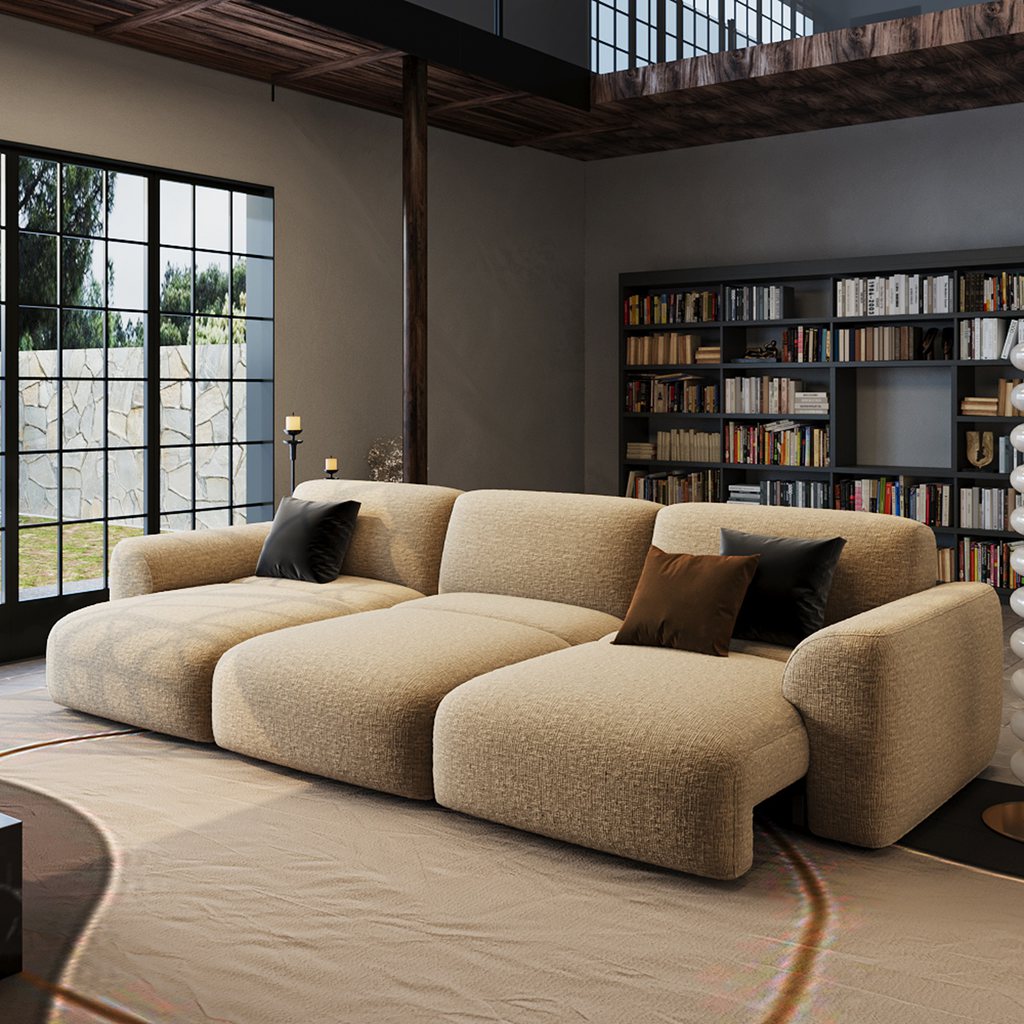
The right reading space should make it easy to settle in with a book, adjust your seating position, and keep everyday essentials within reach. You don’t need a dedicated library or a large spare room to create one. These reading room ideas cover practical furniture combinations, lighting, storage, and layouts for different home sizes. Whether you’re planning a quiet corner by the window or a room that also works for lounging and occasional overnight guests, the goal is to make the space comfortable without overcrowding it.
Table of Contents
What Makes a Reading Room Comfortable and Functional?
A comfortable reading room needs four basic elements: supportive seating, suitable lighting, a nearby surface, and accessible book storage. Each serves a different purpose, so the room doesn’t need a large collection of furniture to work well.
- Comfortable seating: Choose a chair, recliner, or sofa that supports your preferred reading position.
- Task lighting: Use a reading lamp that illuminates the page without creating glare.
- A nearby table: Keep books, glasses, a drink, and other essentials within reach.
- Book storage: Use shelves, cabinets, or small storage units to organize current reads and larger collections.
Good reading room design ideas start with these functional needs rather than decorative accessories. Once the basic setup works, you can add a rug, curtains, cushions, and artwork to establish the atmosphere.
The distinction matters: a room can look like a library in photos but still feel inconvenient if the chair is uncomfortable or the lamp is poorly positioned. Start with how you will use the space, then choose decor that supports that routine.
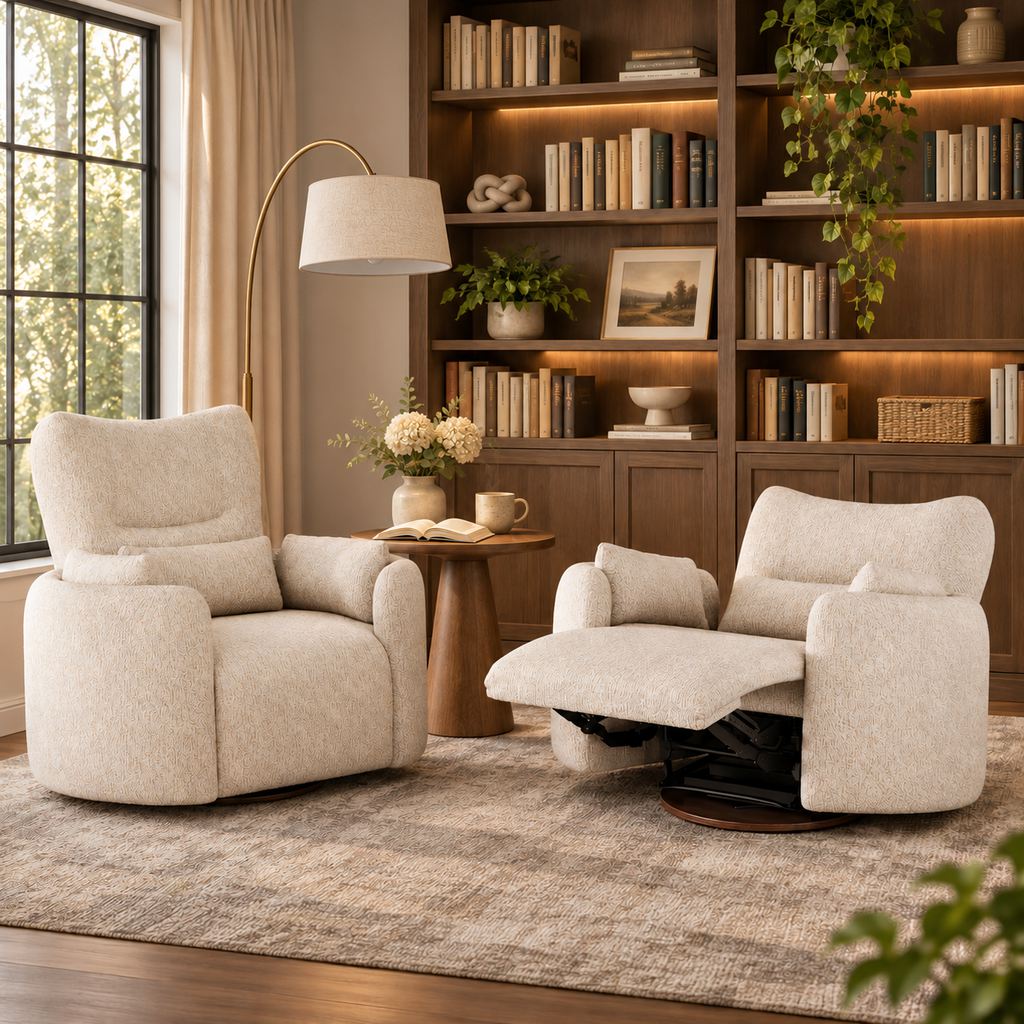
How Should You Choose Seating for Your Reading Style?
The right reading seat depends on how you naturally sit, how long you usually read, and whether you like to change positions. Instead of choosing furniture based only on appearance or softness, consider how much back support, legroom, and adjustability you need.
| Seating Type | Best For | What to Consider |
| Accent Chair | Upright reading | Back support, armrests, and seat depth |
| Accent Chair + Ottoman | Feet-up reading | Leg support and additional floor space |
| Recliner | Relaxed reading | Adjustable backrest and footrest |
| Sofa Bed | Stretching and lounging | Extendable seat depth and sleeping function |
If you prefer sitting upright with a hardcover book, an accent chair with a supportive back and comfortable armrests may be sufficient. Readers who like to put their feet up can pair it with an ottoman. If your reading sessions gradually turn into longer periods of relaxation, a recliner offers more control over your position.
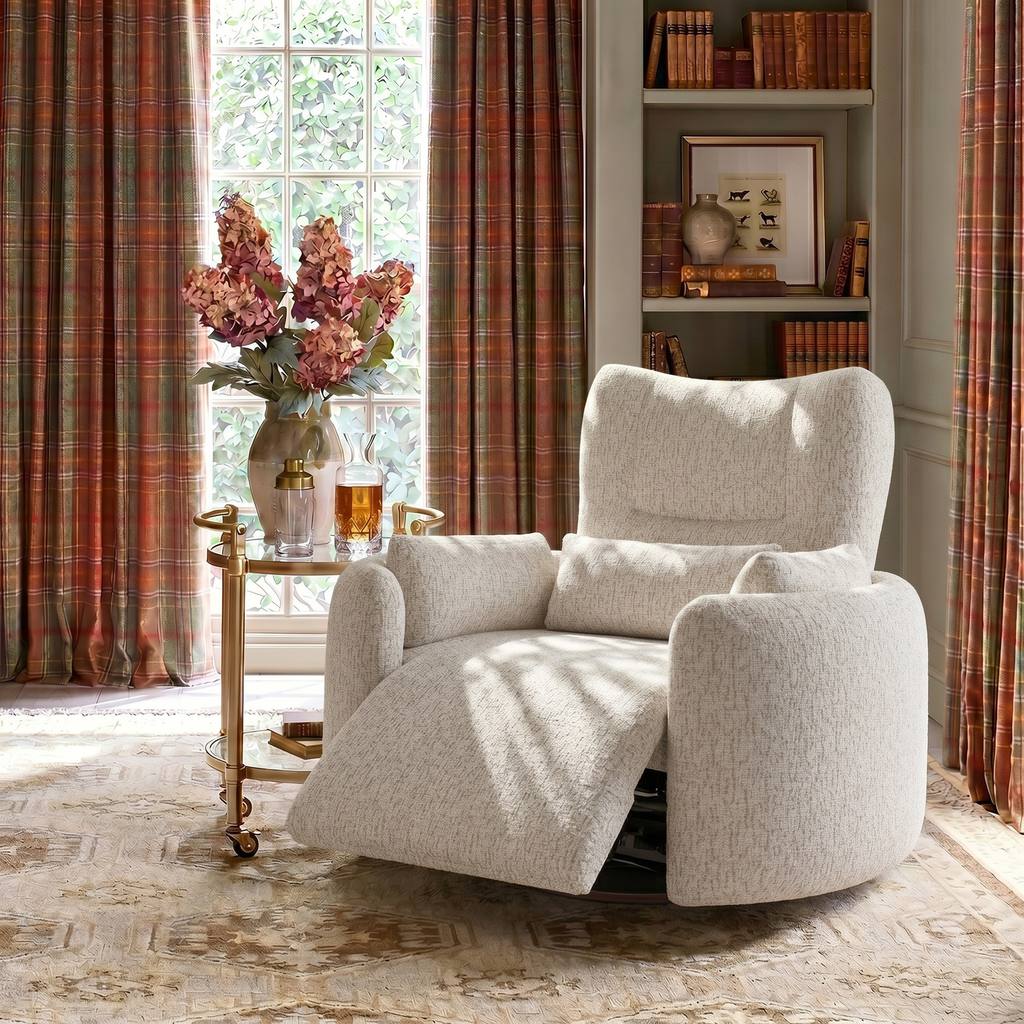
For readers who want to compare different sofa configurations, the sofas for different reading positions can also help clarify how seat depth and adjustability affect everyday comfort.
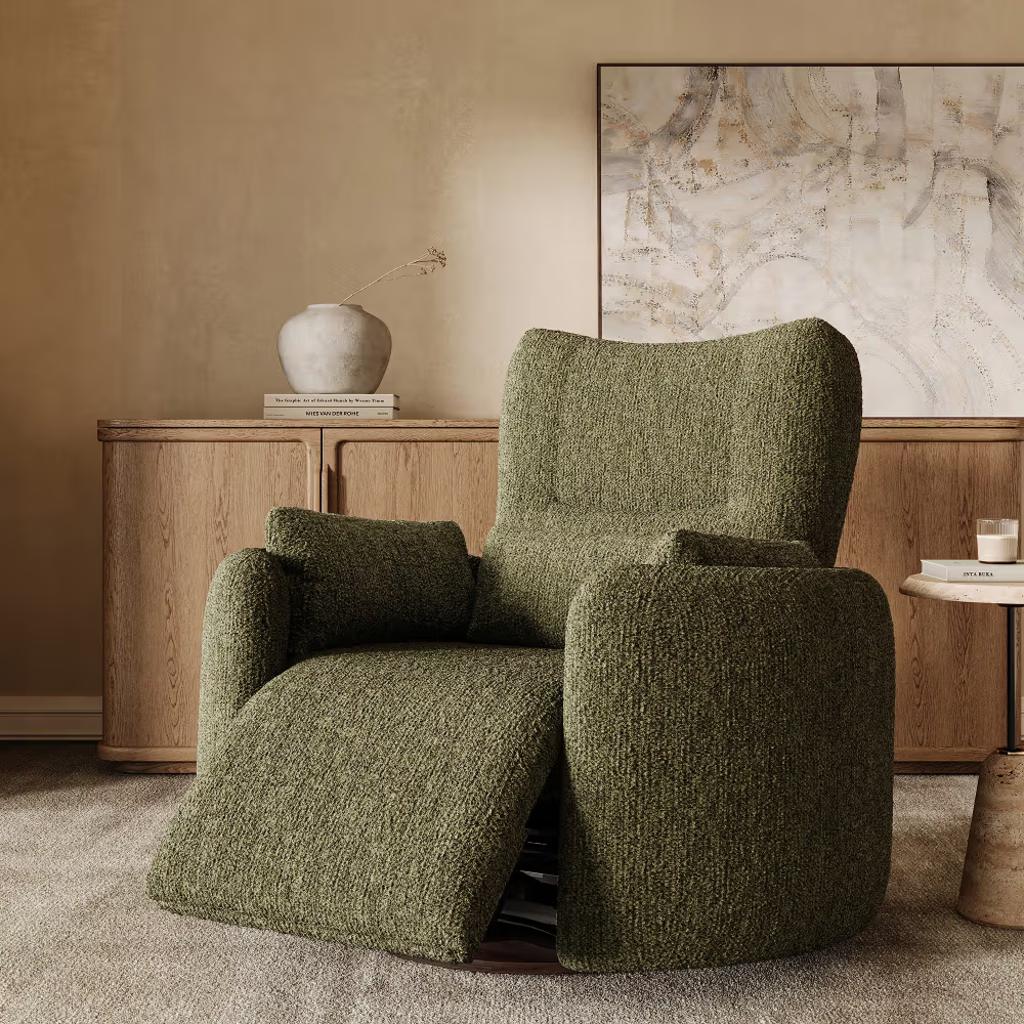
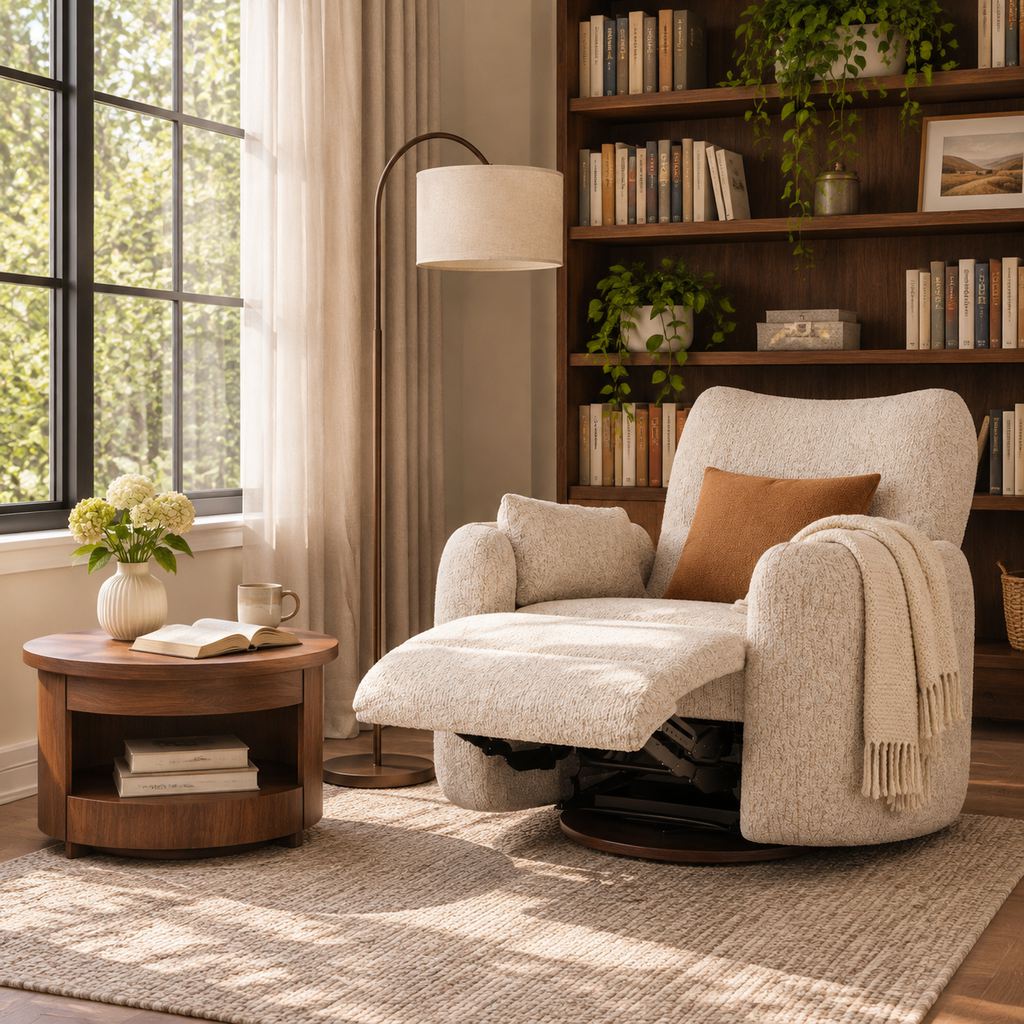
For a dedicated reading corner, the Oliver-Swivel Power Barrel Recliner offers another option. Its powered reclining and zero-gravity adjustment let you change positions without repeatedly rearranging cushions, while manual swivel and gentle rocking add flexibility. I’d consider it when you want one adjustable seat that can serve both focused reading and relaxed evening lounging.
Oliver-Swivel Power Barrel Recliner
Swiveling, rocking, and powered reclining support changing reading positions throughout longer sessions.
👍 Best for: Readers who alternate between upright and reclined positions
✨ Power recline with zero-gravity adjustment
✨ Manual swivel and gentle rocking
How Should You Arrange Lighting, Tables, and Book Storage?
Once the seating is selected, arrange the supporting furniture around the way you use it. The lamp should illuminate your reading position, the table should be easy to reach, and storage should keep frequently used books accessible without filling every surface.
Lighting
Natural light is useful during the day, but avoid positioning your chair where direct sunlight creates glare on the page. A floor lamp beside or slightly behind the chair can provide focused illumination in the evening. Adjustable lamps are particularly useful when you switch between printed books and screens.
Tables
A side table is usually sufficient beside a single reading chair. Choose a surface that can hold a drink, glasses, and your current book without requiring you to lean forward. In a sofa-based reading area, a coffee table provides a shared surface for multiple people and additional reading materials.
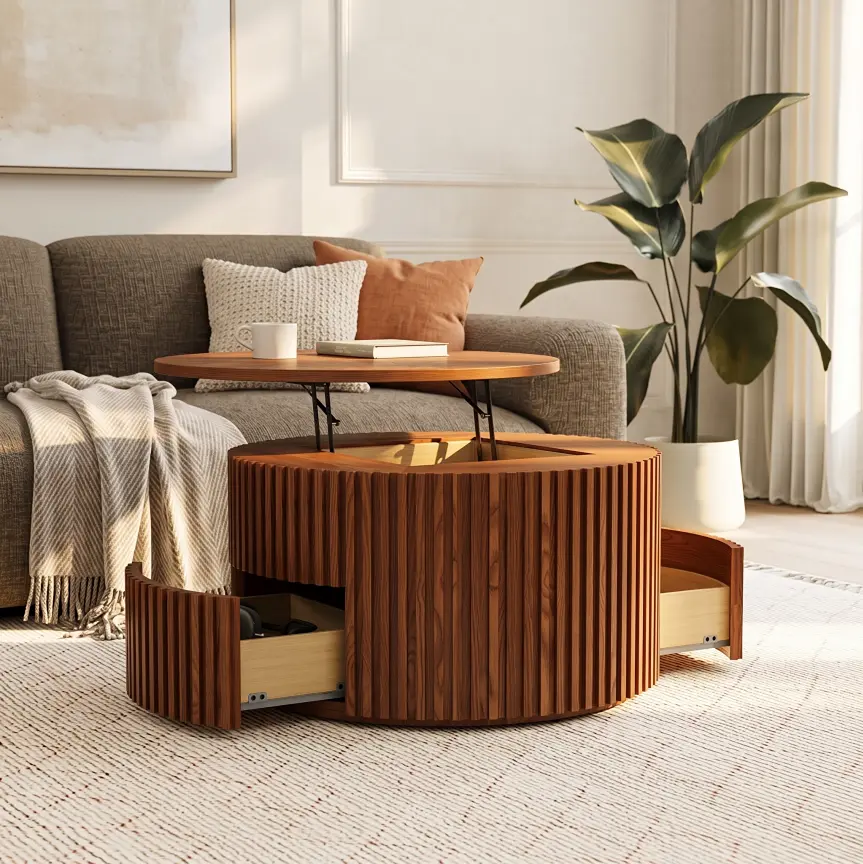
When the room doubles as a lounge, a lift-top coffee table can make the surface more useful. The Silva Lifting Top Round Coffee Table raises to bring books, notes, or a laptop closer while seated. Its two drawers provide concealed storage for smaller reading essentials, and its round shape works well in a seating arrangement where sharp corners could interrupt movement.
Silva Lifting Top Round Coffee Table
Lift-top surface brings books, notes, and drinks closer without adding another desk.
👍 Best for: Sofa-based reading and lounge areas
✨ Lift-top raises the work surface
✨ Two drawers for reading essentials
Book Storage
Choose storage based on the size of your collection. A full bookcase makes sense when you own many books, while a narrow shelf or small cabinet may be enough for a few regularly used titles.
If your reading area is part of a shared living room, keep the main collection separate from everyday household items. A dedicated reading seat, accessible books, and organized storage can help maintain a quieter corner without changing the entire room. This approach also works in a living room library layout, where reading needs to coexist with television viewing and everyday family activities.
For reading room decor ideas, use a few coordinated materials and accessories rather than filling every shelf. Warm wood, soft upholstery, a comfortable rug, and layered lighting can create a welcoming atmosphere without competing with the books.
Which Reading Room Layout Fits Your Space?
You don’t need an entire spare room to establish a comfortable reading area. The most practical arrangement depends on where you have unused floor space, how much natural light is available, and whether the reading area needs to share space with another activity. These layouts offer different starting points for full rooms and smaller corners.
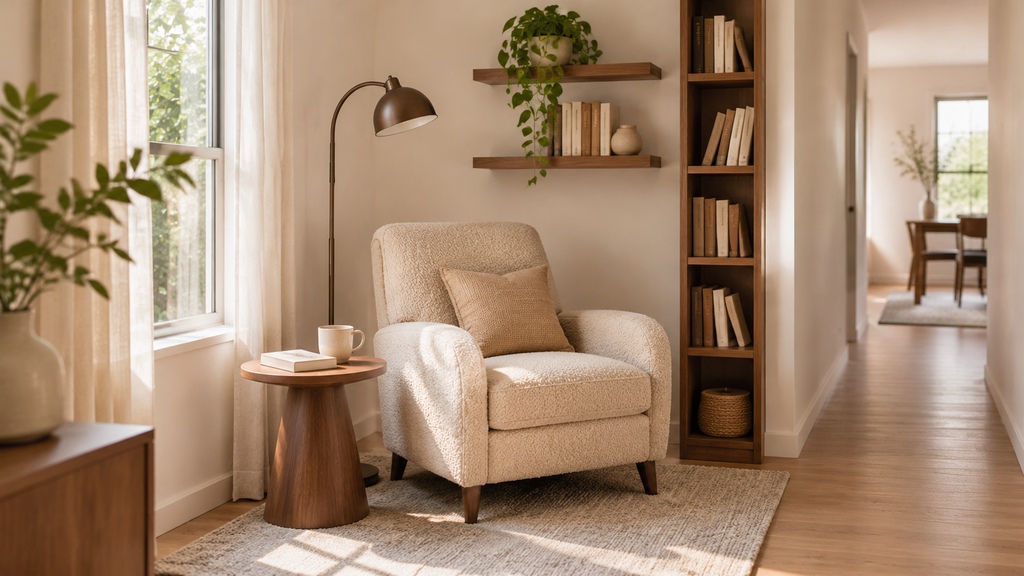
Small Reading Nook Ideas for Unused Corners
Small reading nook ideas for small spaces work best when the furniture has a clear purpose. Start with one comfortable chair, a compact side table, and a floor or wall-mounted reading lamp. A narrow bookshelf or wall shelf can keep books accessible without taking up additional floor space.
Avoid adding a large ottoman or oversized storage cabinet unless you have enough room to move around them. If the space is particularly narrow, choose a chair with a smaller footprint and use vertical storage instead of adding more furniture.
For small reading room ideas, keeping one clear walkway is more useful than fitting every possible piece into the room. A few well-chosen items can establish a dedicated reading zone without making the surrounding space feel crowded.
Bedroom Reading Nook Ideas
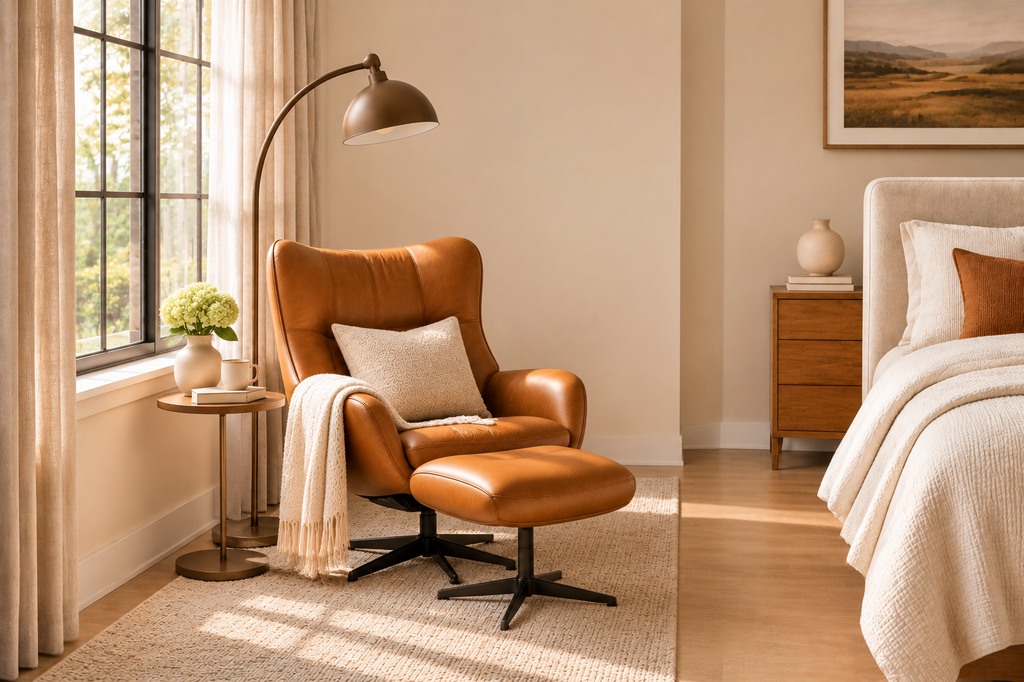
A bedroom reading corner can use space that would otherwise remain empty, such as the area beside a window or an unused section near the bed. Place an accent chair at an angle to the main sleeping area to create a separate activity zone.
Add a small table for a book and water, then position a reading lamp so you can use the chair without relying on the bedroom’s main overhead light. If the room already has limited walking space, avoid adding a second large seating piece.
This setup is especially practical for someone who likes reading before bed but doesn’t want to spend the entire evening sitting on the mattress.
Window Reading Nook Ideas
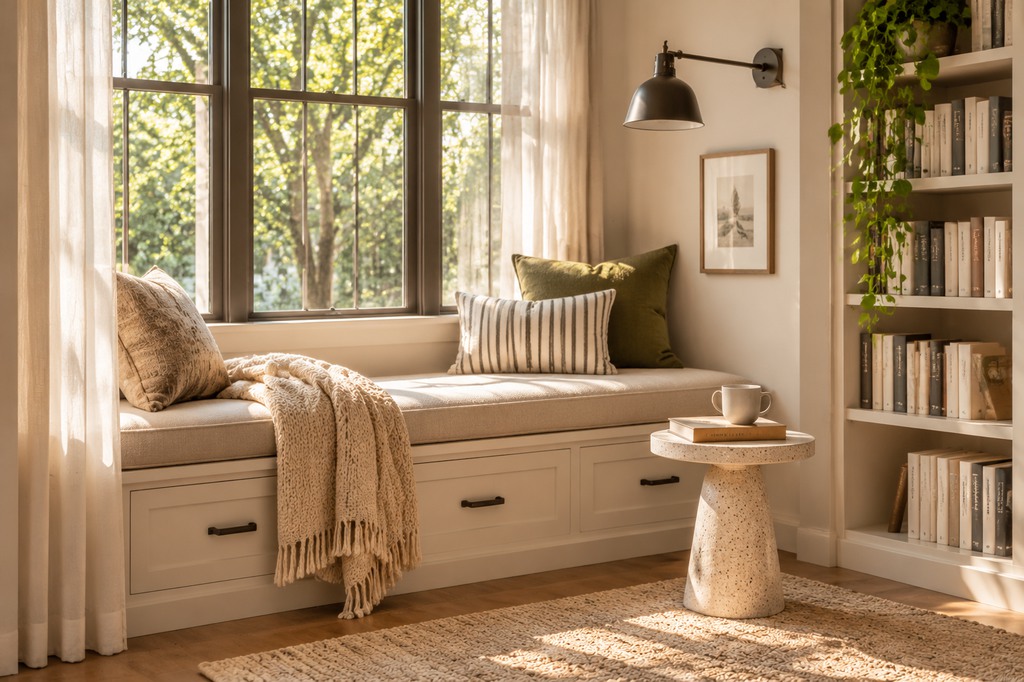
A window reading nook can make good use of daylight, particularly in rooms where the rest of the space feels darker. Position the chair so natural light reaches the page from the side rather than directly into your eyes. Sheer curtains can soften strong daylight while maintaining a connection to the outdoors.
A lounge chair or accent chair with an ottoman can work well here, provided the arrangement doesn’t block window access or curtains. Keep the side table close enough to reach without standing up.
Also consider the time of day when you usually read. A window that provides comfortable morning light may create glare in the afternoon, so adjustable window coverings and an additional reading lamp can make the area more versatile.
Living Room Reading Area
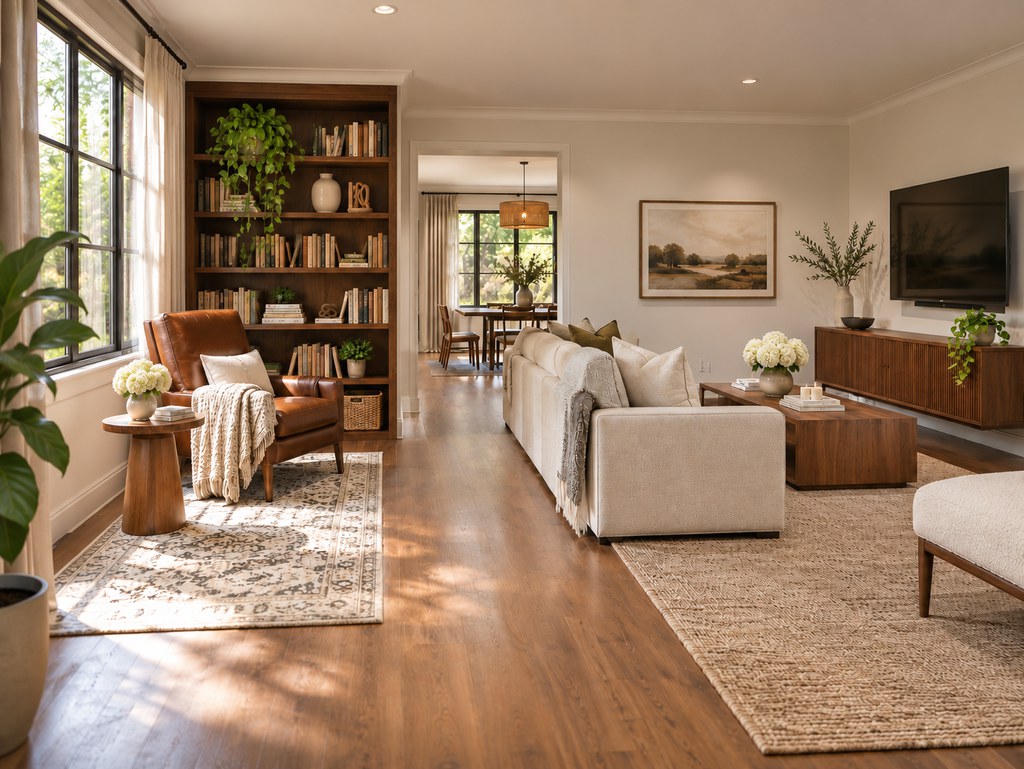
In a shared living room, position the reading chair slightly away from the main television-facing seating arrangement. This creates a separate place to read without requiring a partition or another full room.
A small rug, floor lamp, and side table can help distinguish the reading zone visually. If the room is already crowded, compare your furniture placement with a practical small living room layout before adding another chair or table.
The key is to preserve the main walkway and avoid placing the reading seat where people regularly pass through.
What Should You Measure Before Buying Reading Room Furniture?
Furniture that looks compact in a product photo can occupy more space than expected once placed in a room. Before buying, measure the full footprint of each piece and consider how it will function when opened, extended, or adjusted.
Check these points:
- Chair footprint: Measure the overall width and depth, including the space needed to get in and out comfortably.
- Ottoman placement: Account for the combined space occupied by the chair and footrest.
- Recliner clearance: Check the manufacturer’s fully reclined dimensions and required wall clearance.
- Sofa bed extension: Compare the closed and fully extended positions rather than relying only on the everyday sofa footprint.
- Table spacing: Make sure you can reach the table without blocking the route around the seating area.
A useful way to test the arrangement is to mark furniture outlines on the floor with painter’s tape. Then walk through the room, open nearby doors, and simulate the furniture’s extended position.
This is particularly important in small reading rooms. If you need to move several pieces every time you recline or extend a sofa, the layout may be too crowded for everyday use.
A Power Sofa Bed Solution for Reading, Lounging, and Guest Stays
A reading room doesn’t have to serve only one activity. Depending on the available space, it can also become a place to lounge, take a short nap, or accommodate an occasional overnight guest. The furniture you choose should reflect which secondary uses are genuinely important.
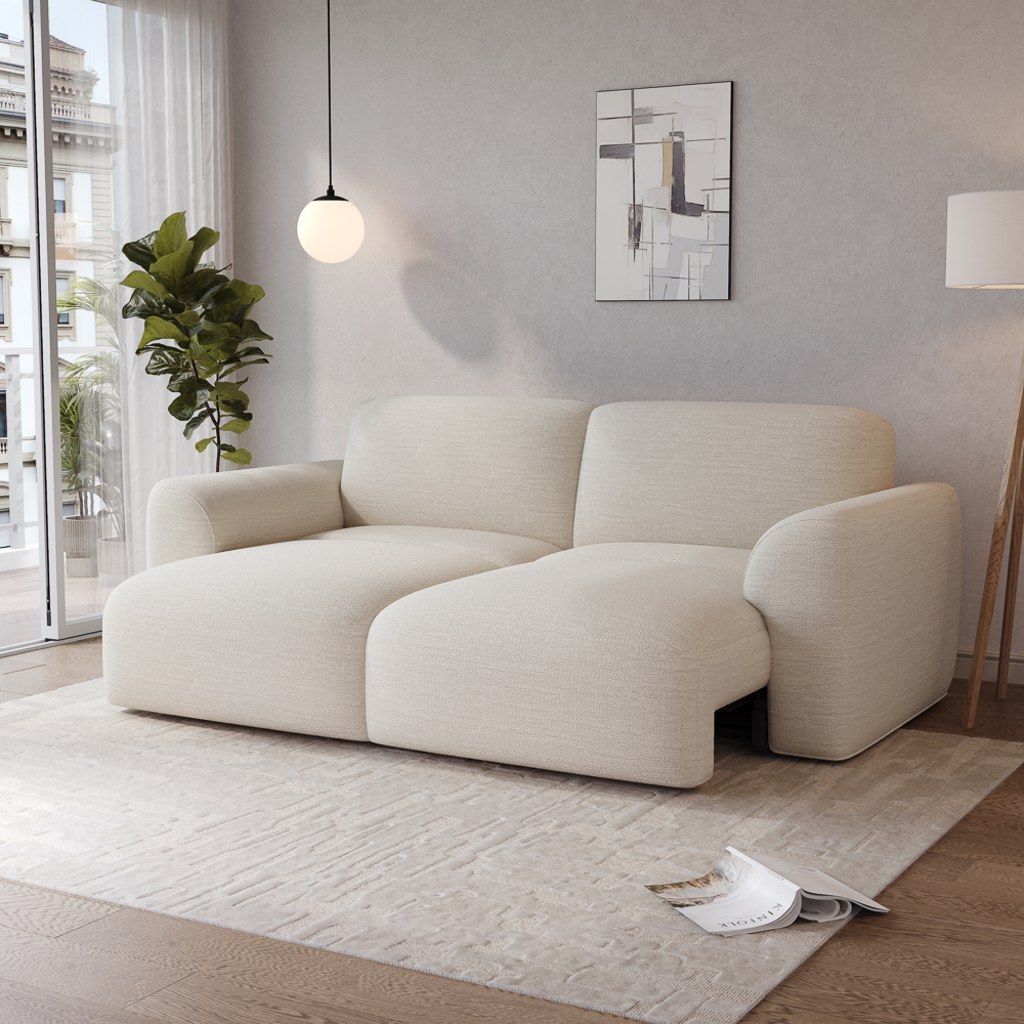
A power sofa bed combines everyday sofa seating with an electrically adjustable extension mechanism, providing more room to stretch out for reading and lounging. Depending on the model, it can also provide a sleeping surface for overnight guests without requiring a separate guest bed.
For readers who want more room to stretch out than a conventional chair provides, the Aurora Power Sofa Bed offers stepless power-adjustable seat depth, extending from 27 to approximately 45.5 inches. This creates a near-Queen-sized lounging surface for reading and relaxing. Before purchasing, check the fully extended dimensions to ensure the sofa won’t block walkways or nearby furniture.
Aurora Power Sofa Bed
Adjustable seating expands from everyday reading to relaxed lounging and occasional guest sleep.
👍 Best for: Reading rooms with occasional overnight guests
✨ 27–45.5-inch adjustable seat depth
✨ Converts into a sleeping surface
Before choosing one, make sure the room can accommodate the extended footprint without blocking access to other furniture.
The benefit is not simply having an extra bed. It is having a sofa that supports everyday reading and lounging before overnight guests arrive. The power sofa bed configurations for lounging and sleeping also show how adjustable seating can accommodate different everyday positions and temporary sleeping needs.
Conclusion
The most useful reading room ideas begin with how you actually want to read, relax, and use the available space. Choose seating that suits your preferred position, arrange lighting and tables around everyday convenience, and measure furniture before committing to a layout. Whether you’re creating a small window nook or a flexible room with a sofa bed, a thoughtful combination of furniture can make the space comfortable without filling it with unnecessary pieces.
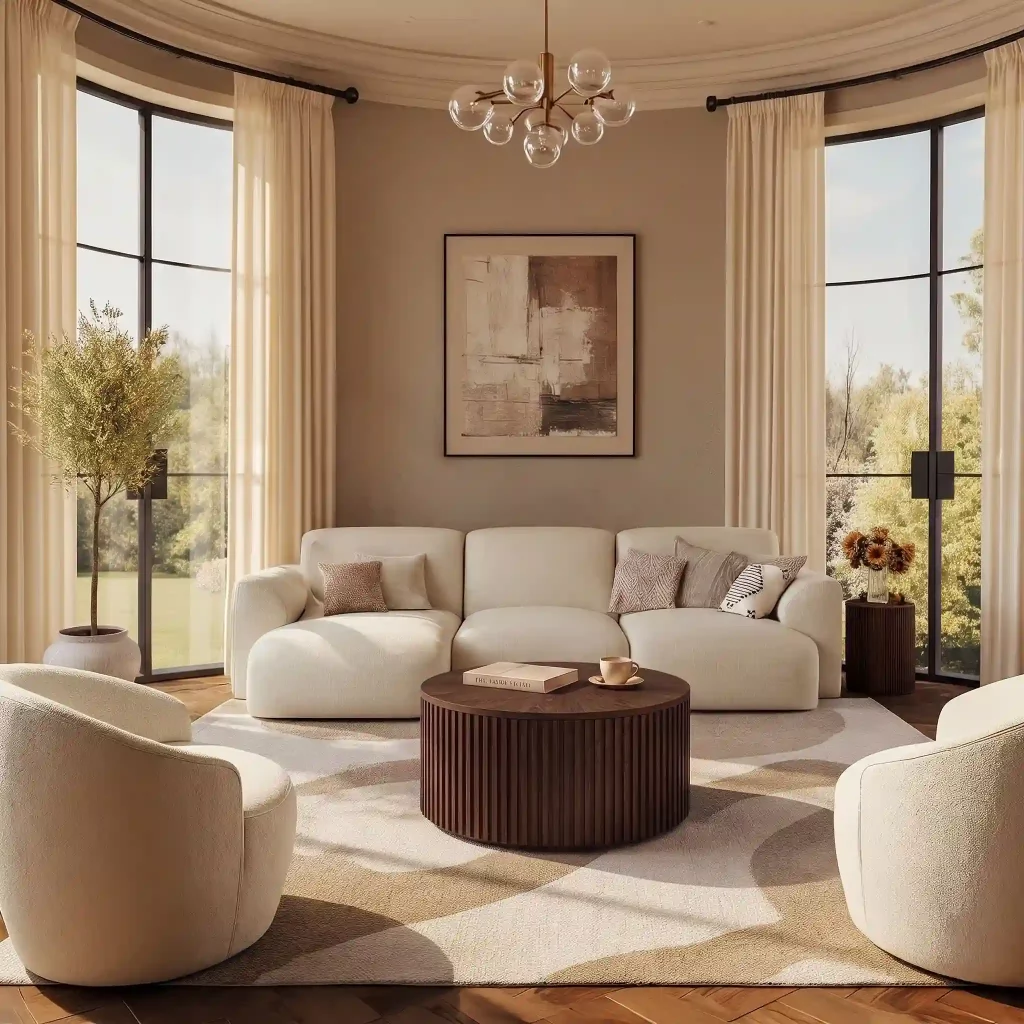
Find the Right Seating for Your Reading Room
Explore comfortable chairs, recliners, and flexible sofas for reading, lounging, and everyday relaxation.
Q&A
Can a reading nook work without a bookshelf?
Yes. A reading nook can work with just a small selection of books stored on a wall shelf, in a basket, or inside a nearby cabinet. If you mainly read one book at a time, keeping your current reads within reach is more useful than dedicating floor space to a full bookcase.
Should a reading chair face a window or a wall?
Choose the direction based on light and distraction. Facing a window can make a reading corner feel open, but side placement is often better when direct sunlight creates glare. Facing a wall may suit readers who prefer fewer visual distractions, especially in shared rooms.
What can replace a side table in a very small reading nook?
A narrow wall-mounted shelf, a slim C-shaped table, or a stable window ledge can provide a place for a book and drink. Choose an option that remains within reach while seated and doesn’t interfere with the chair, curtains, or main walkway.
What upholstery is practical for a reading room used every day?
Look for upholstery that matches your household’s cleaning needs. Removable, washable covers are useful for frequent spills, while documented water-resistant fabrics can help with everyday messes. Homes with pets should also check scratch-resistance claims and follow the manufacturer’s specific care instructions.
How can two people share a reading room comfortably?
Give each reader a suitable seat and, when possible, an individual light source. Position the chairs so neither person blocks the other’s movement or reading light. A shared coffee table can hold books and drinks, but separate side tables offer easier access when both people read regularly.


[…] A reading corner gives the room a quieter purpose without requiring a complete second seating arrangement. Place one accent chair near a window where daylight falls from the side, then add a small side table for books, coffee, or a reading lamp. […]