 By Stephanie
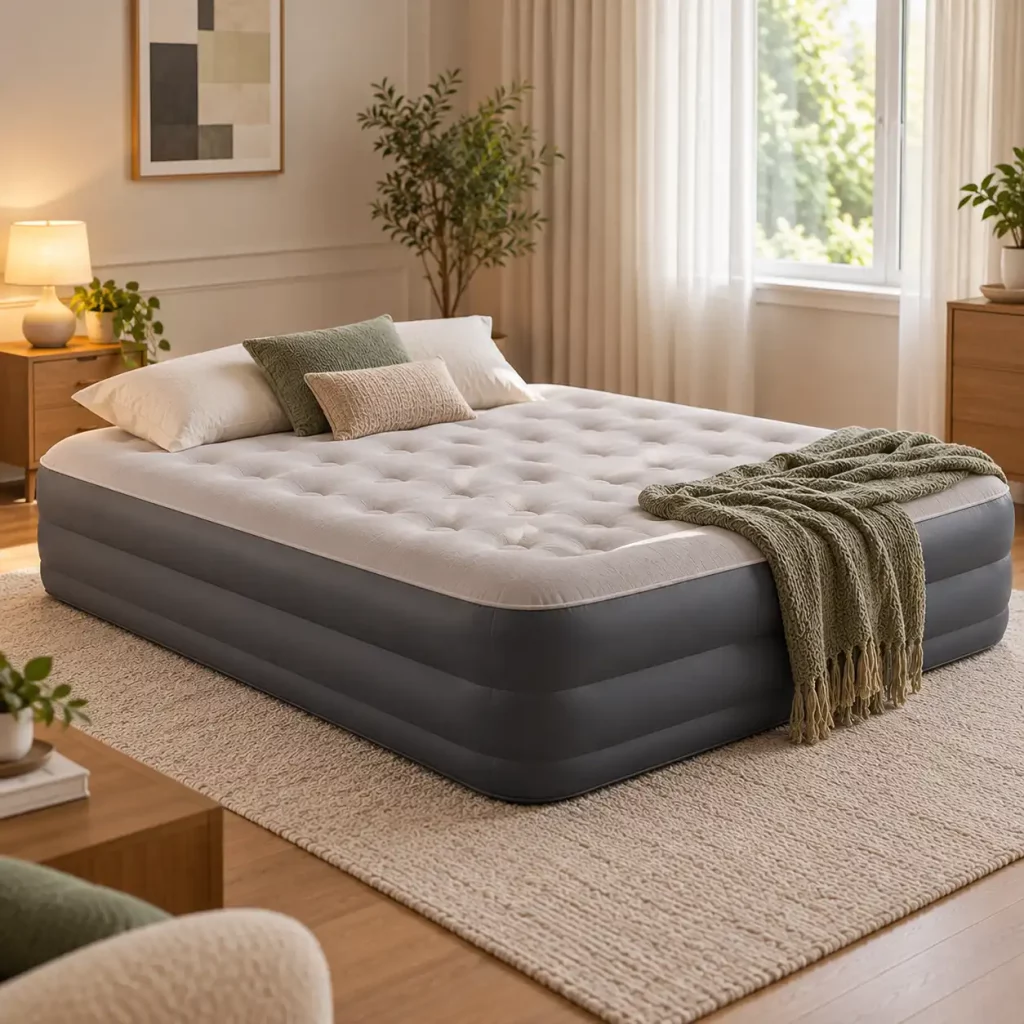
An air mattress that feels too firm, cold, or unstable can make an overnight stay uncomfortable, even when it is fully inflated. If you are looking for how to make an air mattress more comfortable, start by identifying the problem before buying extra bedding. Adjusting air pressure, adding the right comfort layer, improving insulation, and securing the sheets can make a noticeable difference. The right setup also depends on whether the mattress is used in a spare room or at a campsite. If it keeps losing air or hosting requires repeated setup, the next step may be different.
Table of Contents
Why an Air Mattress Feels Uncomfortable
Before adding a topper or changing the bedding, identify what is causing the discomfort. An air mattress can feel uncomfortable because of its pressure, surface texture, temperature, placement, or condition. Each problem calls for a different fix, so start with the symptoms rather than assuming that more padding will solve everything.
| Problem | Possible cause | What to check first |
| The surface feels too firm | Excessive inflation or insufficient cushioning | Air pressure and surface feel |
| Hips sink toward the middle | Low pressure, a leak, or a damaged air chamber | Inflation level, valve, and seams |
| The bed feels cold | Limited insulation between the sleeper and the floor | Bedding and the layer beneath the mattress |
| The mattress slides or squeaks | Friction between the mattress, sheets, and floor | Placement, sheet fit, and floor surface |
| The mattress feels softer by morning | Temperature changes, initial material stretching, or air loss | Whether pressure loss continues after adjustment |
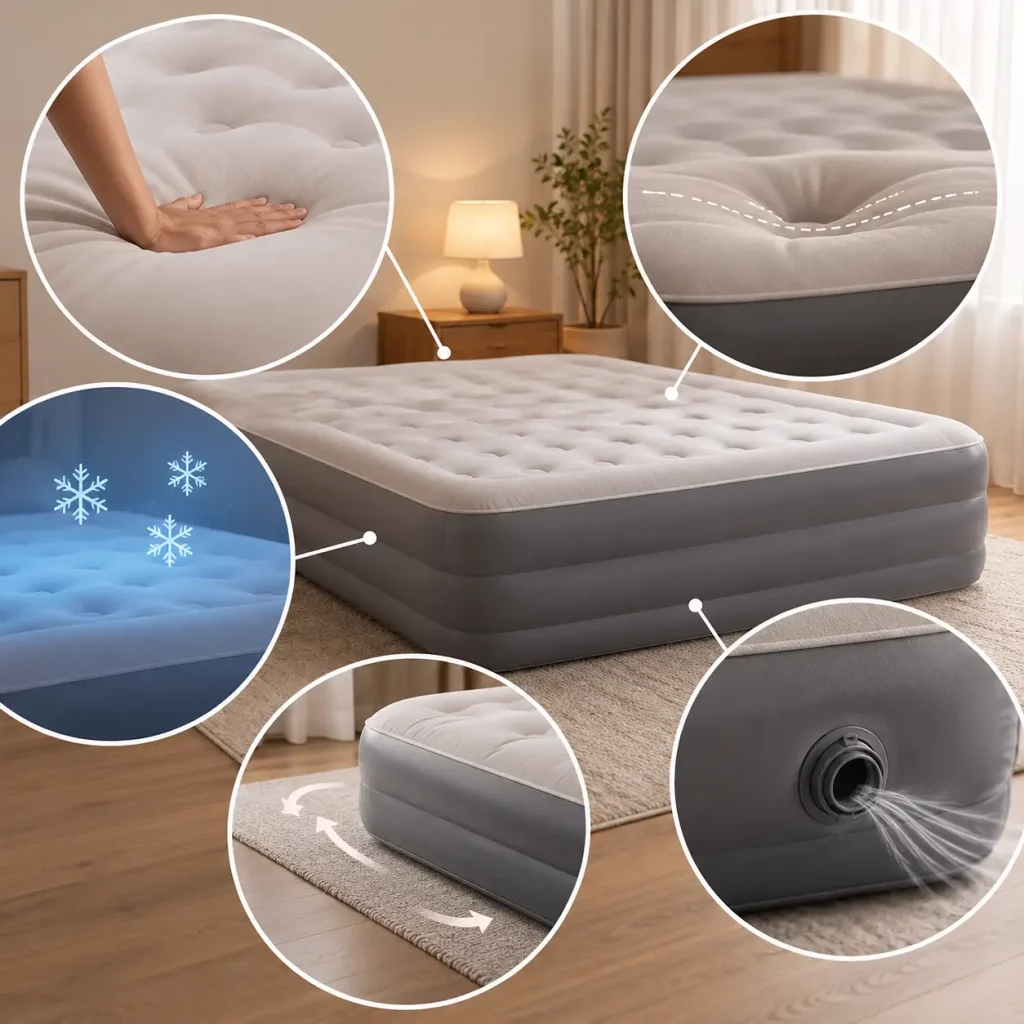
How to Make an Air Mattress More Comfortable Step by Step
Work through these steps in order, beginning with the mattress itself and moving on to the sleep surface. This approach helps you avoid buying several accessories when one adjustment may be enough. After each change, lie down for a few minutes and check whether the original problem has improved.
Step 1: Check the Mattress Before Adding Anything
Place the mattress on a clean, level surface and inspect it for visible damage. Check the air valve, seams, and areas that contact the floor. Remove sharp objects from underneath, and make sure the mattress is not pressed against furniture in a way that causes rubbing or restricts its shape.
If the mattress repeatedly loses pressure, follow the manufacturer’s instructions for leak detection and repair. A thicker topper will not fix a leaking chamber, and an unstable or damaged mattress should not be used as a sleeping surface until the problem is addressed.
Step 2: Adjust the Air Pressure for Better Support
More air does not automatically mean better comfort. An overinflated mattress can feel rigid and bouncy, while an underinflated one may allow the hips to sink too far.
Inflate the mattress according to its manufacturer’s instructions, then lie down in your usual sleeping position. If the surface feels excessively firm, release a small amount of air and test it again. If your body sinks noticeably, add air within the recommended limits and reassess the support.
The goal is a surface that supports your body without feeling like a rigid platform. Avoid using a universal inflation percentage because mattress designs, body weights, and manufacturer recommendations differ.
Step 3: Add One Suitable Comfort Layer
If the mattress has the right pressure but still feels hard or bouncy, add a compatible comfort layer.
Quilted mattress pad: A practical starting point when you want a softer surface without adding much bulk.
Foam mattress topper: Useful when you want more cushioning between your body and the air mattress.
For a typical guest air mattress, a 1–2-inch topper is a reasonable starting point, not a universal requirement. Choose one that fits securely and adds cushioning without creating unstable edges. To make an air mattress feel like a real bed, focus on a well-fitted comfort layer rather than adding thickness that cannot correct poor support.
Step 4: Keep the Sleeping Surface Warm
An air mattress can feel cold because the sleeping surface and the floor beneath it provide limited insulation. Adding bedding directly above the mattress and insulating the underside address different parts of the problem.
Use a warm blanket or comforter above the sheet, and address floor chill separately with a flat insulating layer underneath the mattress if the manufacturer allows it. Avoid uneven materials that could cause the mattress to shift or become unstable.
Step 5: Secure the Sheets and Support Your Head
Loose bedding can bunch up during the night, while an unsuitable pillow can make an otherwise comfortable mattress feel awkward.
Measure the mattress when inflated and choose a fitted sheet with a pocket depth that accommodates its actual height. A sheet that is too shallow may pull off the corners, while one that is too loose may shift as you move. If the mattress surface is slippery, use a compatible mattress pad or bedding straps designed for the setup.
Choose a pillow that keeps your head and neck in a comfortable position for your usual sleeping posture.
For overnight guests, prioritize room layout as well as bedding. In a home office that doubles as a guest room, move chairs and loose cords out of the sleeping area and keep a clear path to the door. This makes the temporary sleeping setup easier to use without interfering with the room’s normal function.
When a Sofa Bed Is a Better Alternative to an Air Mattress
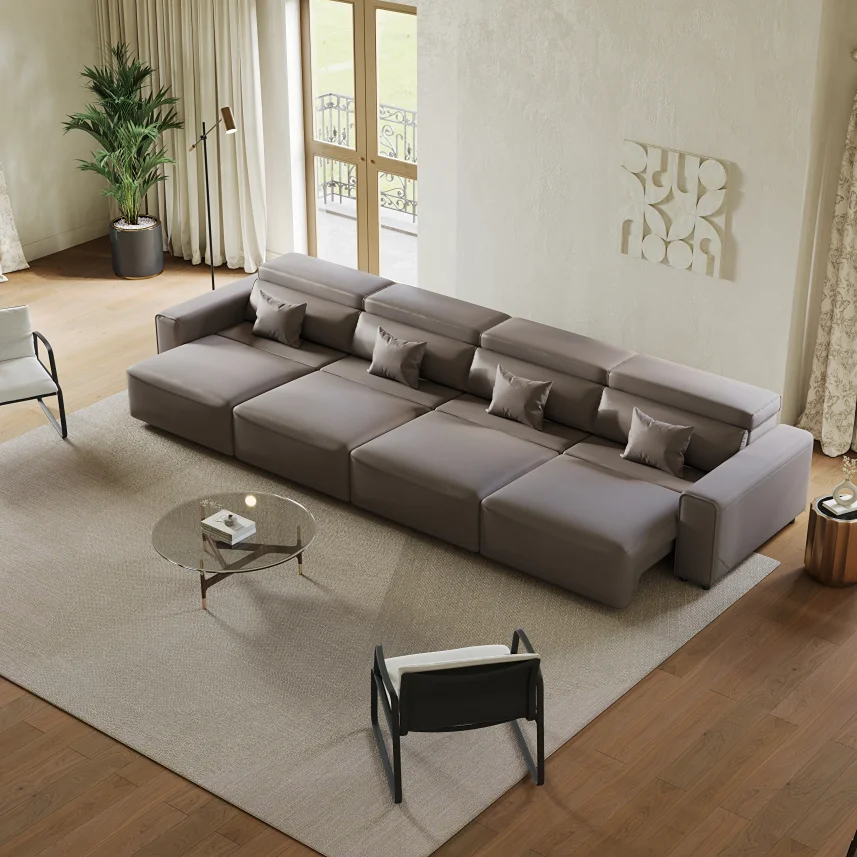
An air mattress works for occasional guests, but frequent hosting means repeatedly clearing floor space, inflating the bed, and storing it afterward. A power sofa bed simplifies the process with one-touch motorized adjustments, allowing you to change the seating position without manually unfolding a bed. It keeps guest accommodation integrated into your everyday furniture rather than requiring a separate temporary setup.
For a multipurpose living room, the POVISION Aurora Power Sofa Bed adapts to both everyday seating and overnight guests. Its motorized seat-depth adjustment ranges from 27 to 45.5 inches, allowing a more compact setup for daily use and a deeper surface for lounging. When guests stay overnight, its convertible design provides a dedicated sleeping option without the need to set up and store a separate air mattress.

Aurora Smart Sofa Bed | $2,599
A smart choice for homes that regularly need extra sleeping space without setting up an air mattress every time.
Conclusion
A comfortable air mattress starts with the right fix for the problem, not the most bedding. For occasional guests, a properly functioning mattress and a well-fitted comfort layer may be enough. Persistent air loss or structural damage calls for repair or replacement, while frequent hosting may justify a different guest-bed arrangement. Choose the solution that fits how often you host, how much space you have, and how the room needs to function between visits.

Beyond the Air Mattress
Explore sofa beds that bring everyday seating, adjustable comfort, and a convenient place to sleep into one space.
FAQ
Do Power Sofa Beds Need to Be Plugged In?
Most power sofa beds need an electrical outlet for motorized adjustments. Before choosing one, check the model’s power requirements and make sure the cord can reach an outlet without crossing a walkway. Whether the sofa remains adjustable without power depends on its design, so check the manufacturer’s instructions.
How Much Space Do You Need for a Power Sofa Bed?
When choosing a sleeper sofa for a small space, measure its footprint in its everyday seating position and check how much clearance it needs when extended for lounging or sleeping. Leave enough room for people to move around it, and avoid blocking doors or walkways. In a multipurpose room, plan the extended position before deciding where to place the sofa.
Can I Put an Air Mattress on a Bed Frame?
Only use a frame that provides stable, even support and is approved for the mattress. Wide gaps, sharp edges, or narrow slats may damage the air chamber or allow it to shift. Check the manufacturer’s setup instructions rather than assuming a standard bed frame is suitable.
How Do I Make an Air Mattress More Comfortable for Two People?
Check the mattress’s stated sleeping capacity and weight limit, then confirm its usable width gives both sleepers enough room. Keep their combined weight within the manufacturer’s limits. A mattress labeled Queen may still feel cramped if both sleepers need more personal space.


