 By Kelvin
When you don’t have a spare bedroom, hosting overnight guests means making part of your everyday home work as a place to sleep. The goal is to give visitors enough comfort and privacy without losing your living room for the entire weekend. If you’re wondering how to host guests without a guest room, start by choosing a suitable sleeping spot, then plan for bedding, personal belongings, and shared routines. These practical steps cover what to prepare before guests arrive, how to manage the stay, and how to return your space to normal afterward.
Table of Contents
Where Should Guests Sleep Without a Spare Bedroom?
The first decision is where guests can sleep without interfering with essential household activities. The largest available area isn’t necessarily the most practical. Consider how quiet the space becomes at night, whether guests can reach the bathroom, and who else needs to use the room.
Living Room: Often the most accessible option for occasional visitors, especially when you have a sofa bed or room for a temporary mattress. However, it may require other household members to stop watching television or using shared seating earlier than usual.
Home Office: A separate office can offer more privacy, particularly if it has a door. Keep the workstation accessible where possible, and avoid placing temporary bedding where it blocks desk storage or essential equipment.
Studio Apartment: When sleeping and living areas share one room, furniture placement becomes especially important. Choose a spot away from the main entrance, with a practical route to the bathroom and enough space for basic belongings.
For a friend staying over after a late flight, the living room may be the simplest solution. If visitors stay more regularly, exploring different guest bed ideas for small spaces can help you find a setup that doesn’t require permanently sacrificing everyday floor space.

How Do You Prepare a Shared Space for Overnight Guests?
Knowing how to host guests without a guest room means preparing more than somewhere to lie down. A shared room also needs a comfortable sleeping surface, reasonable privacy, and a small area for personal belongings. Focus on these three essentials before adding decorative touches or buying furniture that the room doesn’t need.
Prepare a Comfortable Sleeping Surface
Start with the surface your guest will actually sleep on. A sofa, folding mattress, or convertible bed should provide stable support without uncomfortable gaps, hard frame edges, or sagging sections.
Choose clean sheets that fit the sleeping surface, along with a supportive pillow and an extra blanket. Decorative sofa cushions may look inviting but aren’t always comfortable enough for sleeping.
If the existing sleeper feels uneven or too firm, learning how to make a sofa bed more comfortable can help you determine whether better bedding or a suitable mattress topper will improve the experience.
Temperature matters, too. A living room with large windows may feel warmer during the day but cooler overnight. Ask guests about their preferences, provide an adjustable blanket, and make sure nearby heating or cooling controls are accessible.
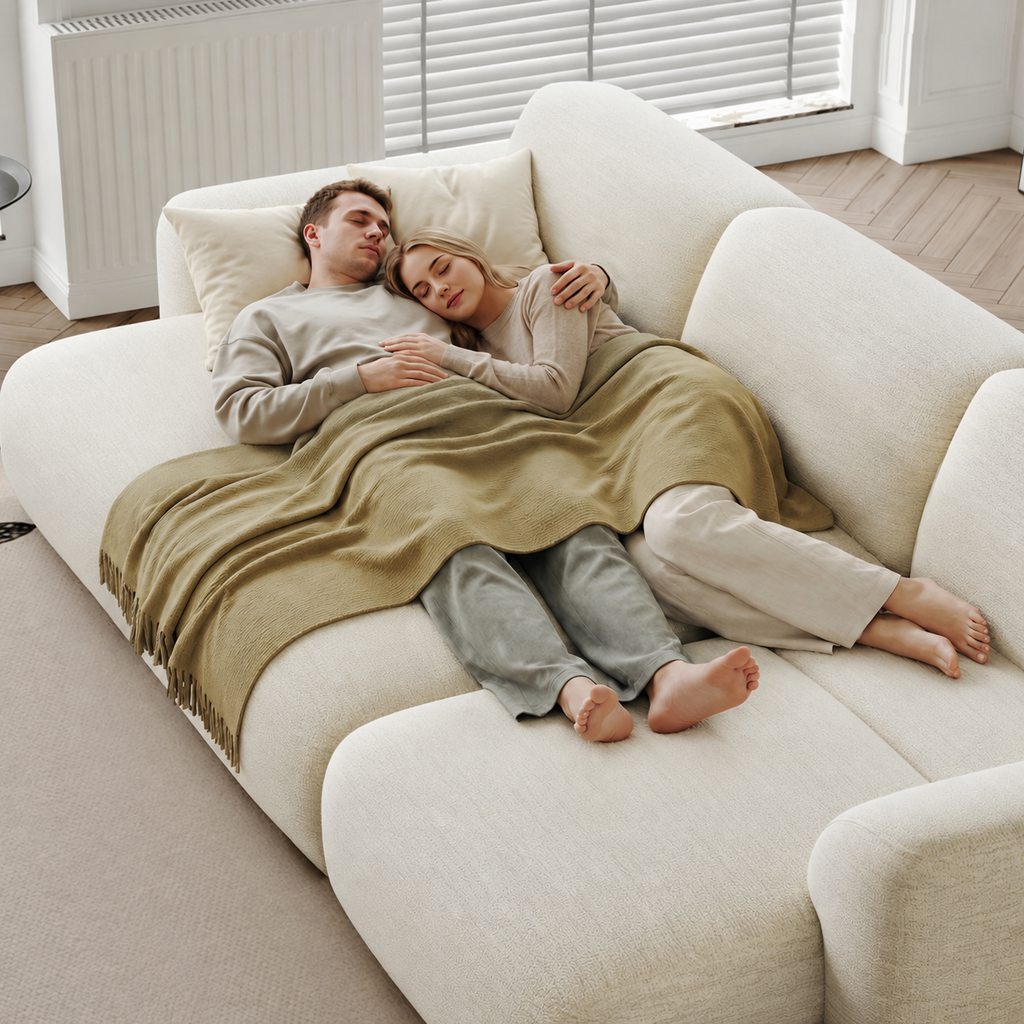
Create Privacy Without a Separate Bedroom
Privacy becomes more complicated when guests sleep somewhere the household normally shares.
A folding screen or curtain can separate the sleeping area visually without requiring permanent changes. Position it so guests aren’t directly visible from the entryway or kitchen, but don’t block exits or essential walkways.
Visual separation doesn’t provide sound insulation. Television volume, kitchen appliances, hallway lighting, and conversations can still disturb someone trying to sleep.
If guests are using the living room, agree on a reasonable quiet period and avoid unnecessary activity in their sleeping area. A small lamp or dimmable light can also reduce the need to switch on bright overhead lighting after bedtime.
The goal isn’t to recreate a separate bedroom. It’s to give visitors reasonable control over their immediate surroundings while respecting the needs of everyone who lives there.

Give Guests a Place for Their Belongings
Guests shouldn’t need to spread their luggage, clothes, and personal items across the living room floor.
Provide a designated place for their suitcase, a hook for hanging clothes, and a clear surface for a phone, glasses, or water bottle. A nearby outlet also makes charging devices easier.
Shared living rooms often have another problem: everyday clutter already occupies the available surfaces.
When the living room doubles as a guest sleeping area, a dedicated bedside surface helps visitors keep essentials within reach. The Povison Selene Slatted Side Table has a compact 17.72-inch footprint, with enclosed storage for small personal items and built-in LED lighting. It provides a convenient spot for water, glasses, and other nighttime necessities without occupying much floor space.
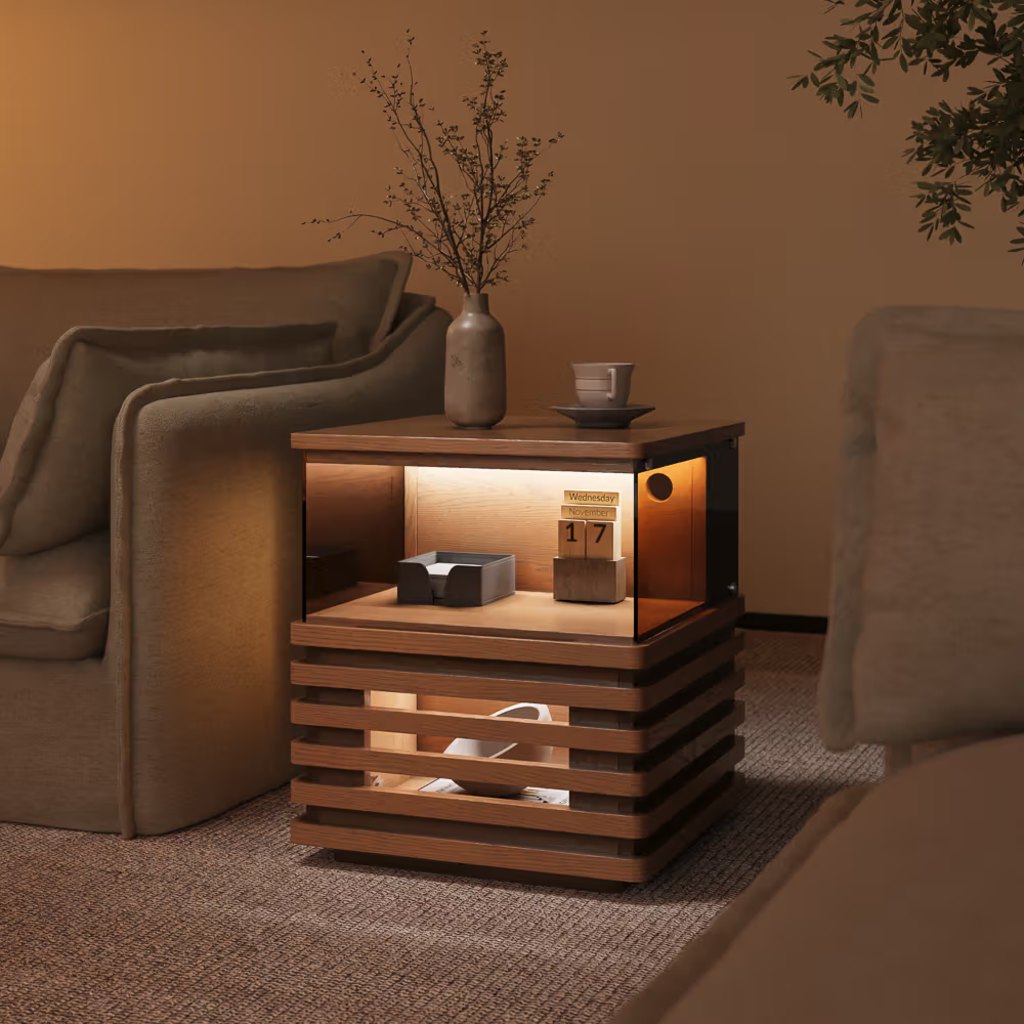
Selene Slatted Side Table
Keeps guest essentials within reach without taking over shared living areas.
✨ Integrated LED lighting with remote
✨ Enclosed storage behind slatted door
✨ Fully assembled, ready to use
How Can Everyone Share the Space During the Visit?
The biggest challenge when hosting guests without a guest room often begins after everyone settles in. A living room may work well as a bedroom at night but still needs to function as shared space during the day.
Instead of making changes whenever someone needs the room, establish a simple routine that accounts for both your guests and the household.
| Time | Guest Needs | Household Adjustment |
| Evening | Seating and social time | Keep the usual living room arrangement until bedtime |
| Bedtime | Quiet and a private sleeping area | Prepare the bed and finish shared entertainment |
| Morning | Bathroom access and time to get ready | Avoid unnecessary activity near the sleeping area |
| Daytime | Access to personal belongings | Restore shared seating without disturbing guest storage |
The schedule doesn’t need to be strict. It simply helps everyone know when the living room is available for normal activities and when someone needs it for rest.
For example, if a guest usually sleeps until 8 a.m. but the household starts preparing breakfast at 6:30, using a noisy coffee grinder beside the sleeping area may not be practical. Moving morning activities to another part of the home can make the arrangement easier for everyone.
For frequent visitors, the daily furniture reset also matters. Pulling out a heavy bed frame, shifting furniture, and storing bedding can become inconvenient when repeated several nights in a row.
The Povison Aurora Power Sofa Bed helps living rooms transition between daily seating and temporary sleeping space through powered seat adjustment. Its 27–45.5-inch adjustable seat depth supports different lounging positions, while the wall-hugging design allows placement close to the wall. You’ll still need to leave enough clearance in front for extension.
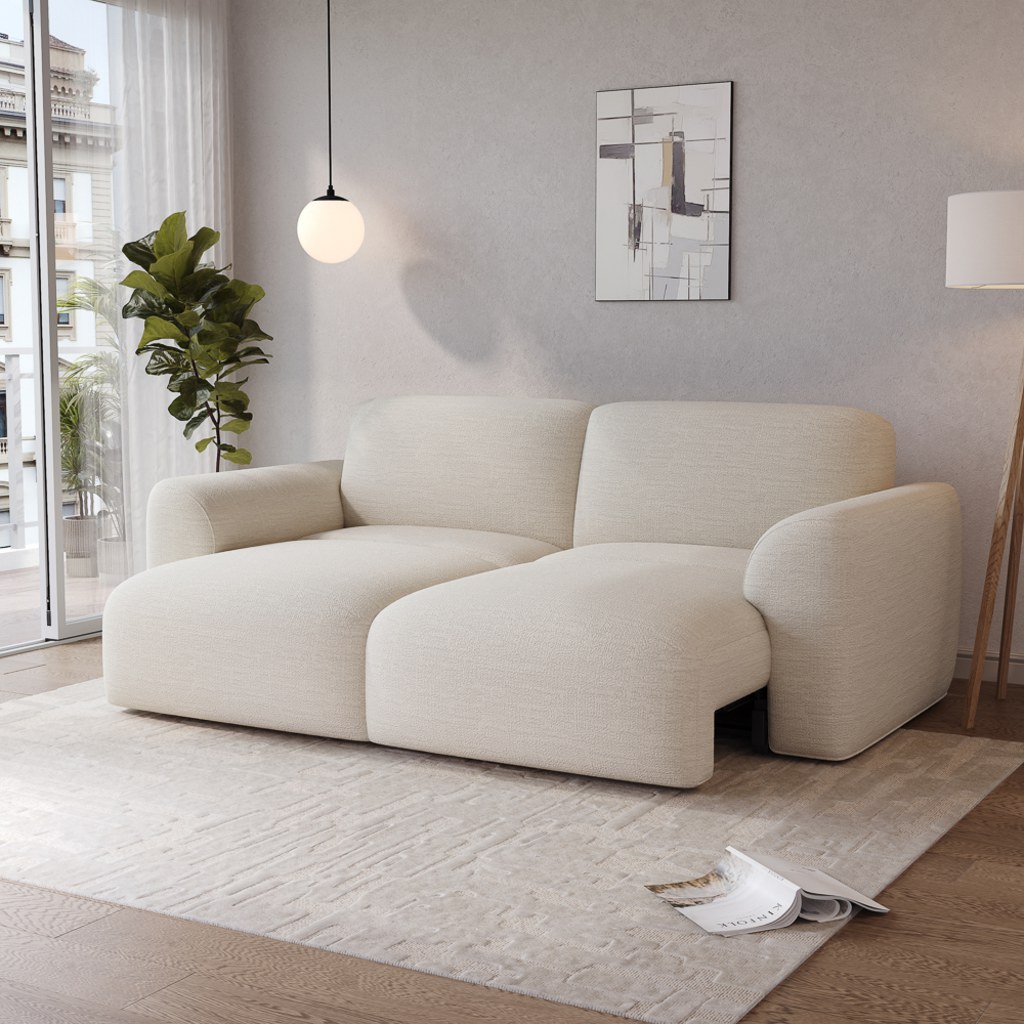
Aurora Power Sofa Bed
Creates overnight sleeping space while keeping the living room useful by day.
👍 Best for: Living rooms hosting frequent visitors
✨ Stepless powered seat adjustment
✨ Wall-hugging placement near the wall
✨ Water-resistant performance chenille upholstery
If the space needs to return to normal each morning, keep the transition simple. Store sheets and blankets in one accessible location, leave guests a consistent place for their belongings, and avoid rearranging large furniture more than necessary.
What Should You Check Before Guests Arrive?
Before your visitors arrive, run through the setup as though you’re the person staying overnight. This can reveal problems that aren’t obvious when the room is arranged for daytime use.
Use this five-point nighttime walkthrough:
- Open the sleeping setup. Test the bed or mattress in its full sleeping position. Confirm that the mechanism works properly and the surface feels stable.
- Walk to the bathroom. Make sure the route remains clear when the bed is open, especially around coffee tables, bags, and power cords.
- Turn off the main lights. Check whether guests can independently reach a lamp or light switch without crossing a dark room.
- Reach the essentials. Lie down briefly and check whether a phone, glasses, water, and other necessities can sit somewhere accessible.
- Check household access. Consider whether other family members can reach essential areas without repeatedly walking through the sleeping space.
For convertible furniture, deciding when to set up a sofa bed for overnight guests also matters. Testing the mechanism ahead of arrival leaves time to resolve problems rather than discovering them when someone is ready for bed.
A short walkthrough is particularly useful in smaller homes, where moving one piece of furniture can affect several different activities.

Conclusion
Learning how to host guests without a guest room is less about creating a temporary bedroom that looks impressive and more about making everyday space work comfortably for everyone. Start with a reliable sleeping location, provide privacy and accessible essentials, and establish routines that respect both guests and household members. A little preparation can prevent common problems with nighttime access, personal storage, and shared activities. If overnight visitors are a regular part of your household, furniture that supports both daytime seating and nighttime rest can make those transitions easier without requiring a dedicated guest bedroom.

Find the Right Sofa Bed for Shared Spaces
Explore power sofa beds that balance everyday comfort, flexible seating, and occasional overnight stays.
Frequently Asked Questions
Should Guests Know About the Sleeping Setup Beforehand?
Yes. Tell guests where they’ll sleep, whether they’ll share a living area, and what privacy the arrangement offers before they arrive. Mention if they’ll use a sofa bed, air mattress, or other temporary surface. This helps them decide whether the setup works for their comfort, mobility, and sleep preferences.
Can Someone Stay in a Shared Living Room for a Week?
A week-long stay can work if the guest has a comfortable sleeping surface, reliable storage, and enough privacy to maintain a reasonable routine. However, repeated disruptions to household activities may become frustrating. For longer visits, discuss schedules in advance and consider whether a more dedicated sleeping arrangement is necessary.
How Do You Host Someone With Pet Allergies?
Ask about the severity of the allergy before confirming the stay. Clean upholstered surfaces, wash bedding, and remove visible pet hair from the sleeping area. Keeping pets elsewhere temporarily may help reduce exposure, but it doesn’t eliminate allergens. Guests with severe allergies may need alternative accommodations.
What if Your Guest Needs Private Work Calls?
Offer access to a room with a closing door when possible, especially for confidential conversations or video meetings. A folding screen provides visual separation but doesn’t block sound. If no separate area exists, coordinate quiet periods or suggest a suitable private workspace outside the home for sensitive calls.
How Should Guests Share One Bathroom?
Discuss morning schedules before the first night, particularly when several people need the bathroom around the same time. Provide separate towels and a designated spot for guest toiletries. Keep spare toilet paper visible and explain where essentials are stored so visitors can use the bathroom without repeatedly asking for help.


[…] do not need to turn the entire living room into a permanent guest room. The goal is simply to make sure the sofa bed is clean, usable, and ready before it is […]