 By Stephanie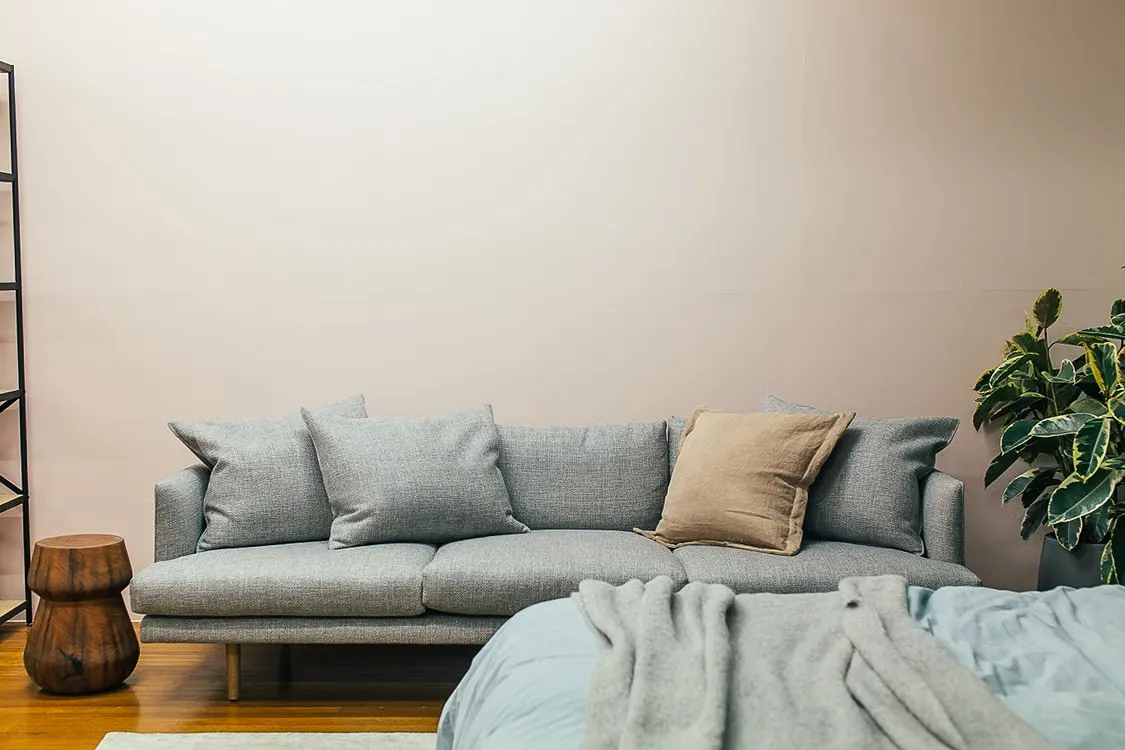
Learning how to make a daybed look like a couch is about more than hiding the bedding. The goal is to create seating that feels intentional for everyday use while keeping the bed practical for overnight guests. The best approach depends on the daybed’s frame, the room’s layout, and how often you switch between sitting and sleeping.
Table of Contents
How to Make a Daybed Look Like a Couch
Start with the base, shape the back with cushions, and finish with a few carefully chosen accents. Each layer should contribute to the sofa-like outline without taking away the space people need to sit comfortably.
Choose a Cover and Create a Neat Base
Use a fitted daybed cover for the cleanest sofa-like outline, or choose a lightweight coverlet or quilt that is easy to remove for overnight guests. Measure the mattress length, width, and thickness, and check the frame height and side rails rather than relying on the “twin” label alone.
Tuck the front edge neatly under the mattress and keep loose sheets out of sight. Avoid bulky folds and comforters that bunch up under cushions or reduce the usable seat depth.
Layer the Back Like a Sofa
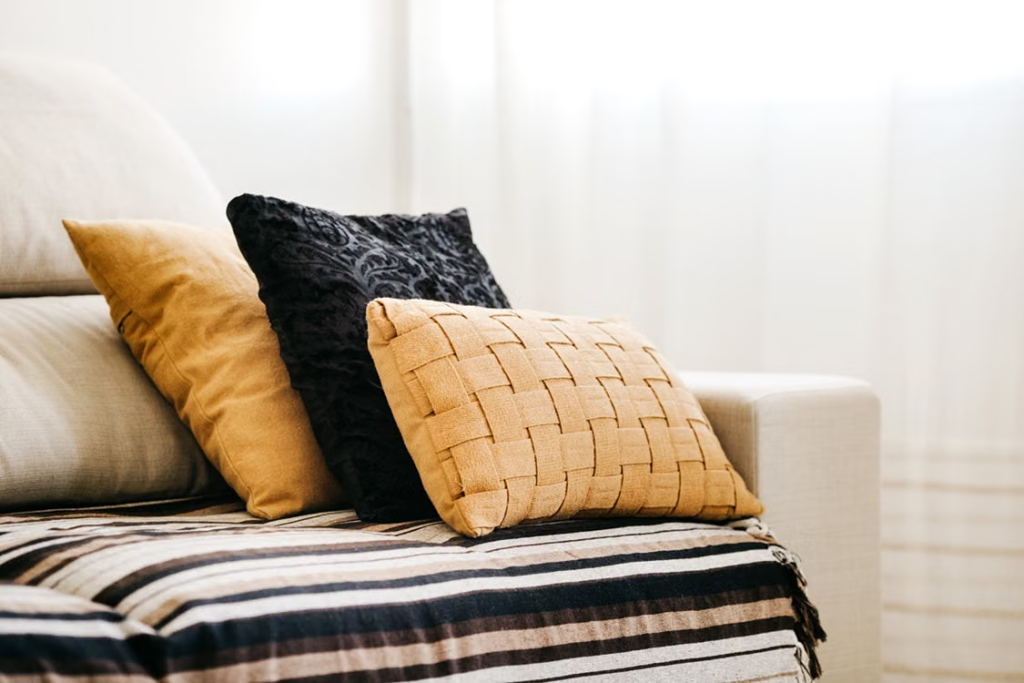
Start with the largest, firmest pillows along the back edge so they function like sofa back cushions. On many twin-size daybeds, two or three substantial pillows create a more intentional foundation than a row of small decorative pillows.
Use bolsters to frame the ends when they suit the daybed shape, or add a single lumbar pillow as a smaller second layer. Keep the largest pillows visually dominant and stable before introducing decorative pieces.
Add a Few Finishing Layers
Add one or two accent pillows and drape a textured throw over one end for color and softness. Choose a base color that connects with the rug, curtains, or nearby furniture, then introduce contrast through one or two complementary textures or patterns.
Leave enough open seat space for people to sit comfortably without moving several decorative pieces.
How to Make a Daybed Comfortable for Sitting
A sofa-like appearance does not guarantee comfortable sitting. Before settling on the pillow arrangement, check how much usable seat depth remains and whether the frame can support the back cushions securely.
Adjust the Effective Seat Depth
Effective seat depth is the usable distance from the front edge of the mattress to the front of the back cushion when the cushion is in place. If that distance is too great, shorter users may lean backward without comfortable foot support. If the rear cushions are too thick, taller users may feel pushed toward the edge.
Before buying permanent back cushions, test the setup with folded blankets or temporary pillows. Sit upright with both feet naturally supported, add thickness behind the back until the shoulders and lower back feel comfortable, then measure the space those layers occupy.
When people of different heights use the daybed, start with one stable rear cushion and add a removable lumbar pillow. This gives the setup more flexibility than several equally soft pillows that collapse into the same position.
Match Back Support to the Frame
The frame determines how much support the pillow layer needs to provide.
- Upholstered or solid-back daybeds usually need less added structure. A padded back may require only a lumbar pillow, while a vertical wood frame may feel better with a firmer rear cushion.
- Metal or open-back daybeds need firm cushions wide enough to bridge the openings without slipping through. A stable back layer generally works better than several small accent pillows.
- Backless or sculptural daybeds work more like chaises or double-sided benches. A bolster and folded throw can preserve the open silhouette, but prolonged upright sitting may still be difficult unless the daybed sits near a supportive wall.

Daybed Setups for Different Daily Routines
Choose the setup based on what the daybed needs to do most often: provide everyday seating, switch quickly between day and night, stay ready for overnight guests, or support relaxed lounging.
| Primary Use | Main Priority | Main Risk |
| Sofa-first | Upright support and open seating | Too many pieces to remove at night |
| Balanced | Fast day-to-night conversion | Bedding may loosen during sitting |
| Sleep-first | A ready-to-use sleep surface | The daybed may continue to look like a bed |
| Lounge-first | Reclined comfort | Limited support for upright sitting |
How to Arrange a Daybed for Seating and Overnight Use
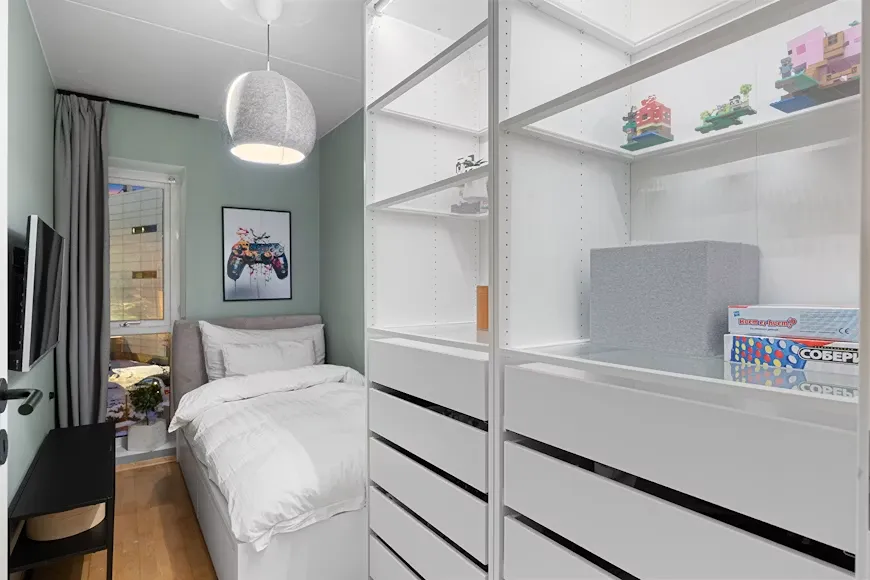
Plan the room around both the daybed’s everyday seating footprint and its fully extended sleeping setup. During the day, a compact side table, reading lamp, or movable C-table can help the daybed function like a sofa without crowding the room.
If the daybed has a trundle or built-in storage, leave enough clearance for the lower bed to roll out or drawers to open. Pull the trundle fully out and push it back in before finalizing the layout. Keep long coverlets clear of wheels and rails, and avoid thick rug edges, baskets, or side tables that obstruct the mechanism.
Before settling on the arrangement, fully extend the sleeping surface and check that doors, closets, outlets, and the main walkway remain accessible. Decide where daytime pillows and bedding will go when guests arrive, so they do not block the path or storage access. Keep movable furniture easy to reposition and avoid raised rug edges along the nighttime route.
Power Sofa Beds: An Alternative to Rearranging a Daybed Every Day
A daybed works well for everyday seating and occasional guests, but switching between the two may mean moving pillows and bedding each time. A power sofa bed offers another option: its motorized seat or backrest adjusts the sofa’s cushioned platform instead of unfolding a separate mattress and frame, as traditional pull-out models typically do.
Aurora Power Sofa Bed: For Adjustable Everyday Seating
The POVISON Aurora Power Sofa Bed adjusts its seat depth from 27 to 45.5 inches, so you can keep a more compact setup for conversation or extend the seat when you want more room to stretch out. This flexibility makes Aurora a practical choice for living rooms where the same sofa needs to accommodate everyday seating, relaxed lounging, and different comfort preferences without taking up extra space with separate furniture.
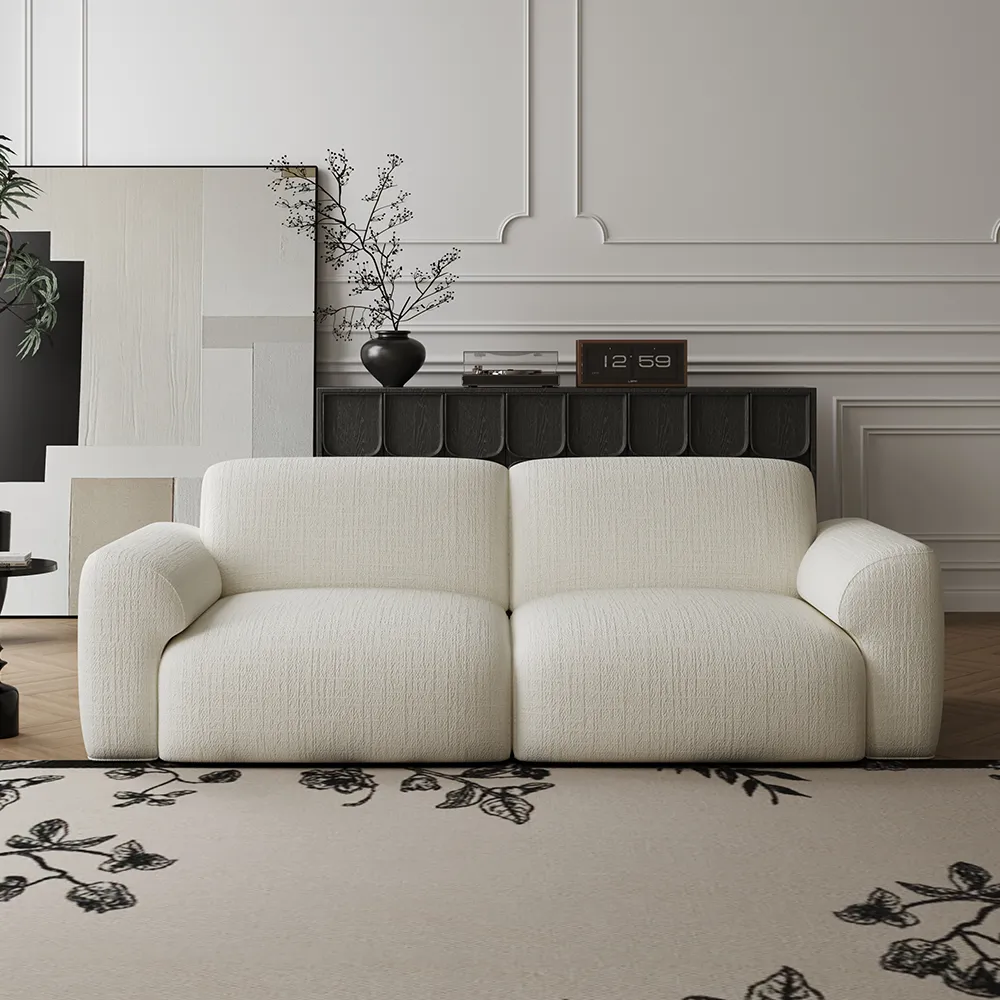
Aurora Power Sofa Bed | $2,699
A strong choice for living rooms where comfortable everyday seating needs to accommodate different ways of relaxing.
Mila Power Sofa Bed: For a More Bed-Like Sleep Surface
The POVISON Mila Power Sleeper Sofa is a better fit when overnight sleeping is a priority. Its adjustable backrest moves from an upright sitting angle to a fully flat position, while the powered seat extension creates a near-king-sized sleep platform. For households that host overnight guests but do not have space for a dedicated guest bed, Mila offers a way to switch from daytime seating to sleeping without keeping a bed permanently set up.
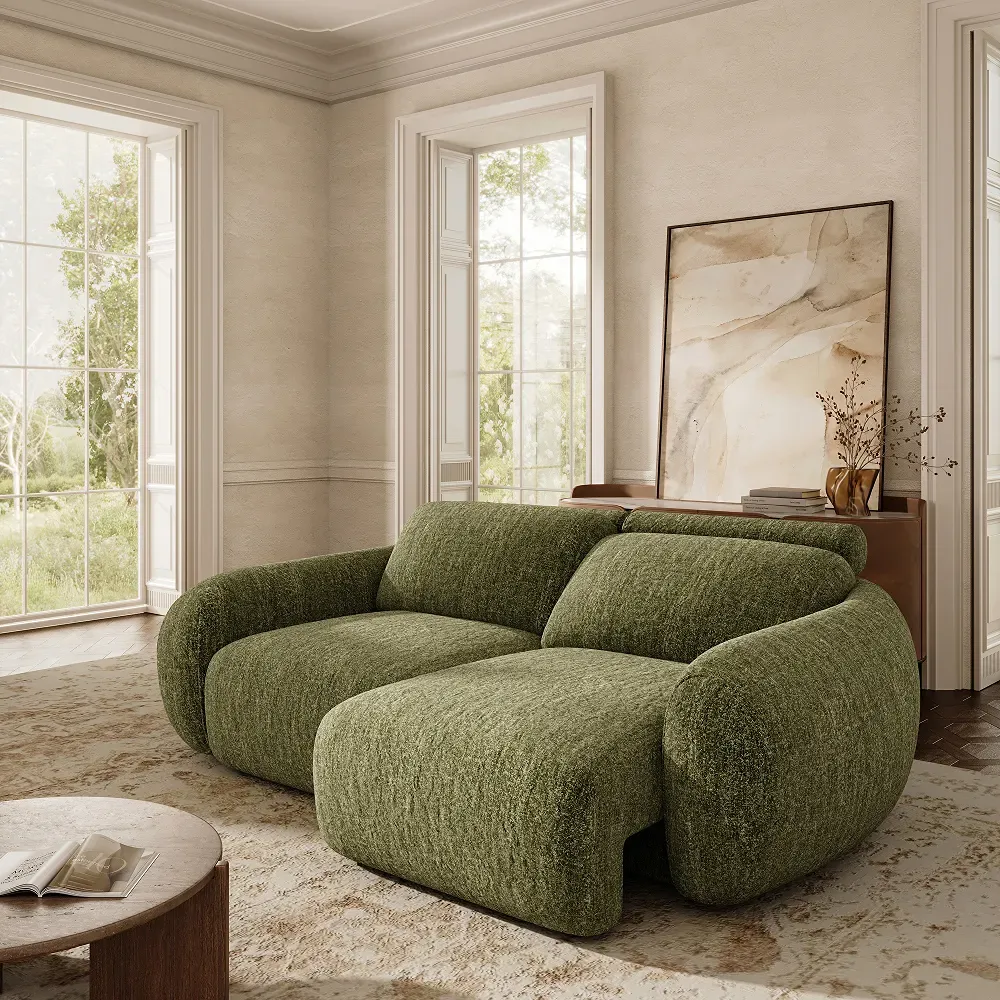
Mila Power Sofa Bed | $3,299
Best for households that host overnight guests regularly enough to make sleep comfort a key part of the buying decision.
Conclusion
Styling a daybed like a couch works best when the arrangement suits the way you actually use the room. A thoughtful setup can make a guest room, den, or multipurpose living space feel more like a finished living area without giving up its sleeping function. If switching between the two uses still feels cumbersome, consider whether a power sofa bed would better suit your household’s routine.
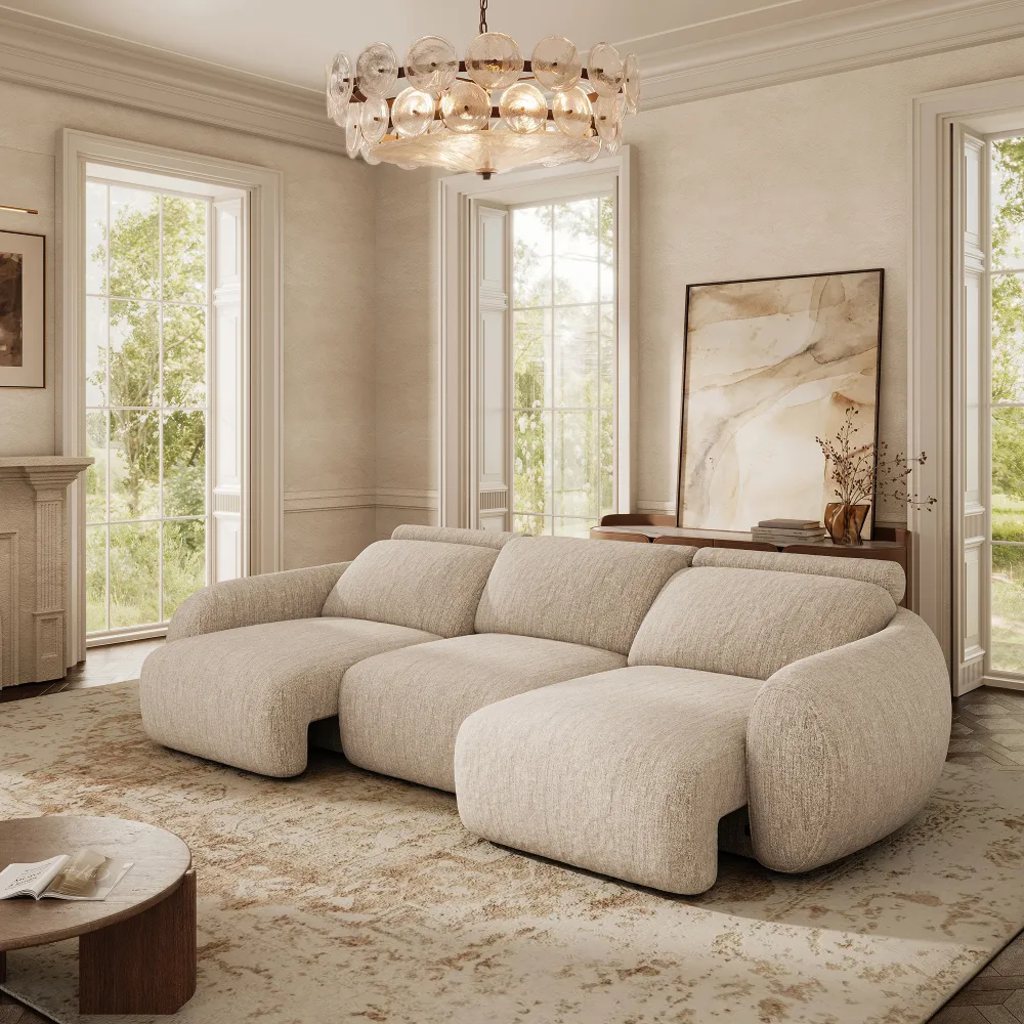
Need a More Flexible Seating Setup?
Explore power sofa beds designed for everyday lounging and overnight use.
FAQs
Should a Daybed Mattress Be Firm for Sitting?
A daybed mattress used for regular sitting should feel supportive at the edge and resist excessive compression. Sit near the front and check whether your hips sink, the surface slopes, or your feet lose contact with the floor. If you also sleep on it, balance sitting support with overnight comfort rather than choosing firmness by feel alone.
Can a Mattress Topper Stay on a Daybed?
Yes, if the topper stays in place, the cover still fits, and the added height does not make the seat awkward. Sit near the edge to check whether it compresses enough to make you slide forward, and confirm that it does not interfere with a trundle. For a sofa-first setup, a removable topper may be easier to store separately.
Is a Daybed or Sofa Bed Better for Overnight Guests?
A daybed is useful when you want a bed-like surface available every day and have room to style it as seating. A sofa bed may suit a living room better if you want a conventional couch most of the time and only need a sleep surface when guests stay. Compare the open footprint, conversion steps, and how often you host before deciding.
What Daybed Covers Work Best With Pets?
Choose a removable, tightly woven cover that suits your pet’s shedding and the care routine you can maintain. A color close to your pet’s fur may make loose hair less noticeable, while low-loop fabrics are less likely to snag claws. Check whether the cover is machine-washable or spot-clean only before buying.


