 By Arnold
 Introduction
Between meetings, school drop-offs, and the rest of a packed week, you barely have time to pick a dining table, let alone style one. The time poor aesthetic is a 2026 design idea built around exactly this problem: rooms that look deliberately chosen, not fussed over. Your dining table carries more visual weight than anything else in the room. Get that one decision right and the whole space feels intentional, even if you never touch a centerpiece.
Table of Contents
What Does an “Intentional” Dining Table Actually Look Like?
The Time-Poor Aesthetic, Explained
The time poor aesthetic doesn’t mean cutting corners. It means choosing fewer, better things that do the design work for you. Livingetc identified it as a defining 2026 trend: rooms that look warm and personal without looking styled or effortful. (Livingetc, 2026)
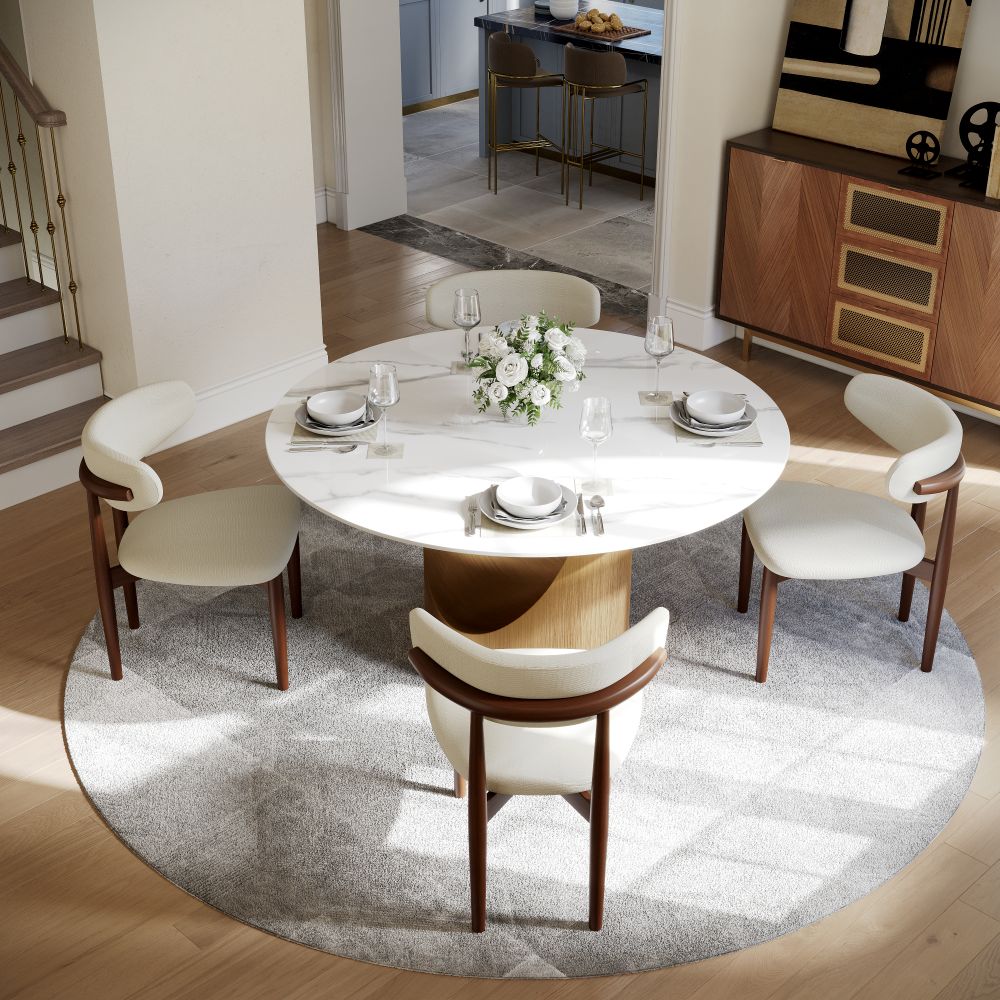
A dining table is a good test case. When the table itself carries enough visual weight through material, silhouette, or proportion, you don’t need a curated centerpiece or matched chairs to make the room feel finished. The table does the heavy lifting. A warm walnut surface with a fluted edge looks intentional the moment you walk in. You spent zero minutes styling it. It just looks right.
Take the 47″ Round Sintered Stone Dining Table. The bronze pedestal base and white stone surface carry enough visual weight to ground the entire room on their own. You don’t need a centerpiece or a runner. For anyone working with a time-poor aesthetic, one well-chosen piece like this replaces a whole checklist of decor.
Why Is Your Dining Table the One Piece You Shouldn’t Rush?
The Real Cost of a “Good Enough” Choice
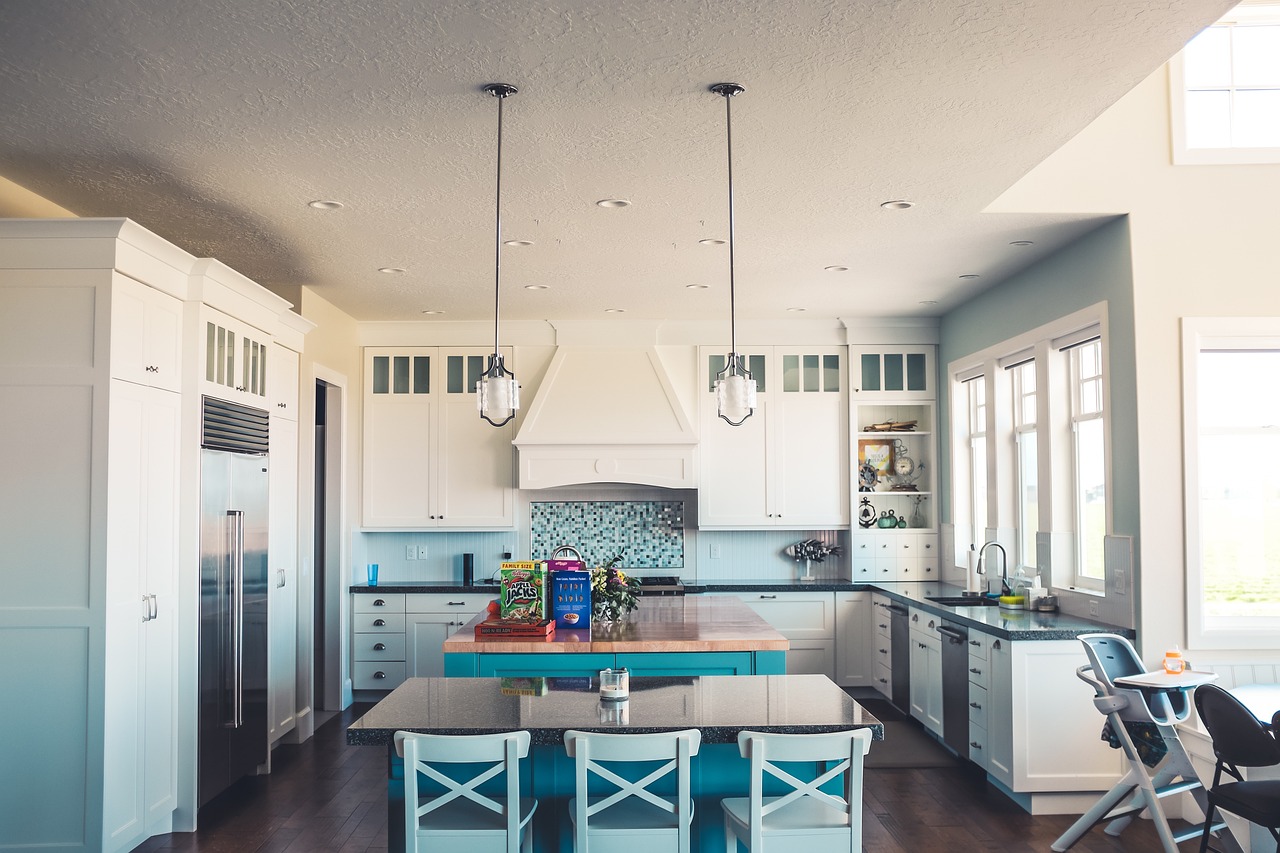
The dining table is the largest horizontal surface in most dining areas, which means it shapes how the entire room feels. A table that’s too small looks lost. One that’s too dark for a low-ceilinged apartment feels heavy. A glass-top table in a warm-toned room feels cold and clinical. Every mismatch adds up.
According to the Houzz & Home Study, dining rooms rank among the top ten most-renovated spaces, with homeowners spending a median of $3,000 on dining room updates, and furniture is the single largest line item. (Houzz, 2024)
When you rush the table decision, you end up compensating everywhere else: buying a rug to warm up a cold table, swapping chairs to fix a height mismatch, or adding a tablecloth to hide a surface you never loved. That’s more time, more money, and more decision fatigue, the exact things the time poor aesthetic tries to skip.
Here’s a quick comparison of how different table choices shape the room:
| Factor | Rushed “Good Enough” Table | Intentionally Chosen Table |
|---|---|---|
| Material feel | Generic, looks flat | Wood or stone adds warmth and texture |
| Proportion | Too big or small for the space | Scaled to room and clearance |
| Styling needed | Constant: centerpieces, runners, cloths | Minimal: the table speaks for itself |
| Longevity | Replaced within 2-3 years | Kept 7-10+ years |
| Room vibe | “Furnished” | “Designed” |
That cascade is exactly what the time poor aesthetic helps you bypass.
How to Choose a Dining Table Shape That Feels Deliberate
Round Tables: Effortless Intimacy
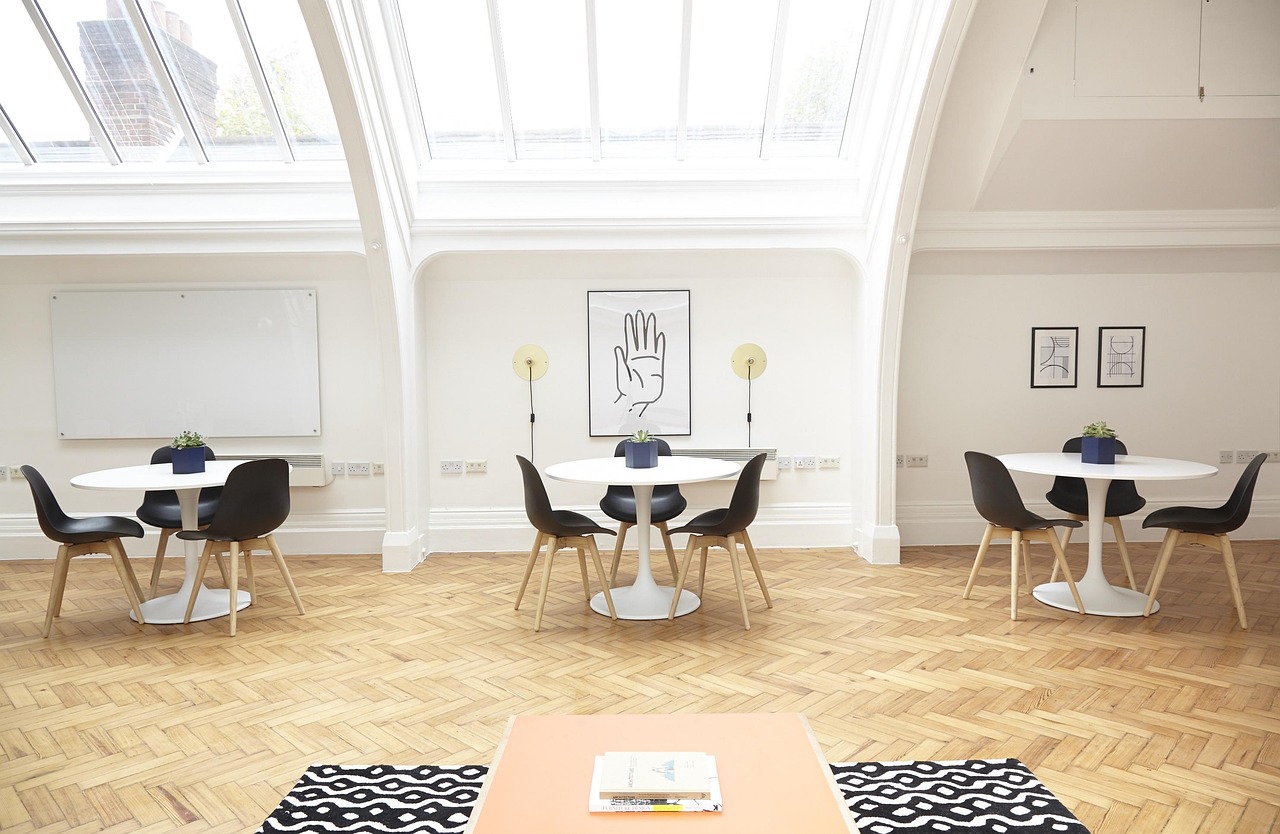
A round dining table is a smart choice for time-poor buyers. With no head of the table and no sharp corners, it softens a room instantly and works in spaces where a rectangular table would feel cramped. Round tables are especially strong in square rooms, open-plan layouts where the dining zone needs to feel distinct but not boxed in, and smaller apartments where traffic flow matters. A 36- to 42-inch round table seats four comfortably and looks deliberate because it shows you chose intimacy over maximum capacity, a thoughtful trade-off rather than a compromise.
Rectangular Tables: Grounded Structure
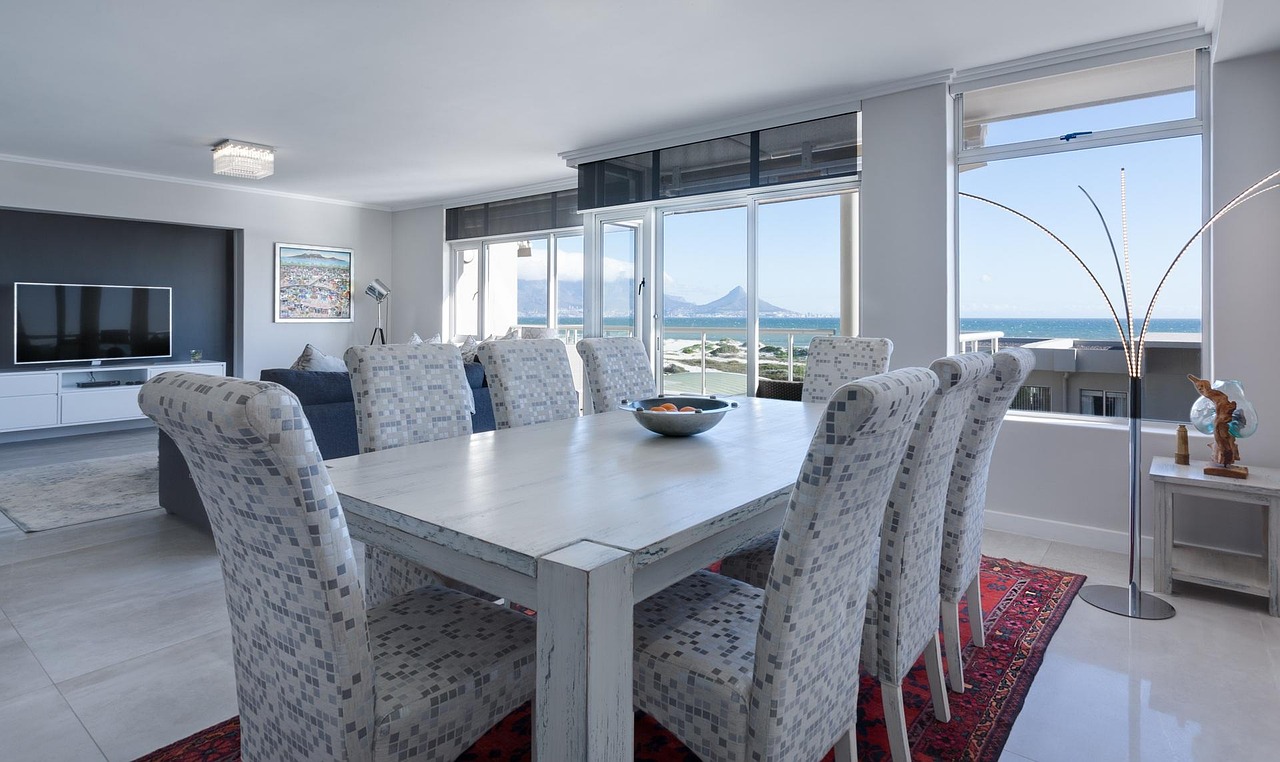
Rectangular tables are the default for good reason: they anchor a long wall, define a dining zone in an open plan, and seat more people per square foot. But “default” is exactly the risk. To keep a rectangular table from feeling generic, lean into proportions and material. A table that’s slightly narrower than expected (30 to 32 inches deep rather than the standard 36) feels considered. A warm wood or sintered stone surface elevates it beyond the mass-produced look. And leaving at least 36 inches of clearance on all sides ensures the table feels placed, not squeezed.
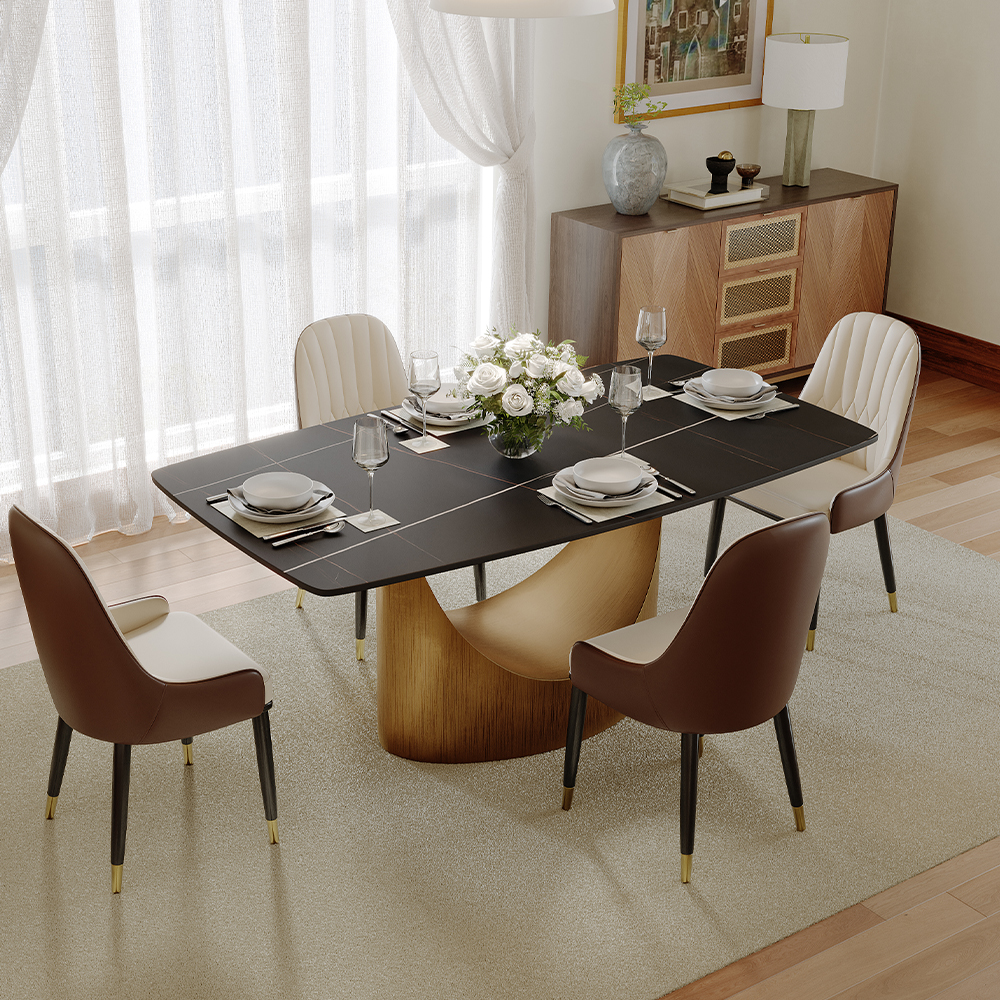
The Hobart Modern Minimalist Dining Table is built around this idea. Its rectangular silhouette grounds the room with clean structure, while the matte sintered stone tabletop adds texture and depth that no styling prop can replicate. The pedestal base adds a sculptural touch that stays visually clean, and at 63 inches it seats four without overwhelming a compact dining area.
Which Materials Make a Table Look Chosen, Not Random?
Wood Tones That Do the Warming for You
If you want a table that looks intentional with zero styling, wood is your strongest starting point. The key is choosing a tone that complements, not matches, the room’s existing palette.
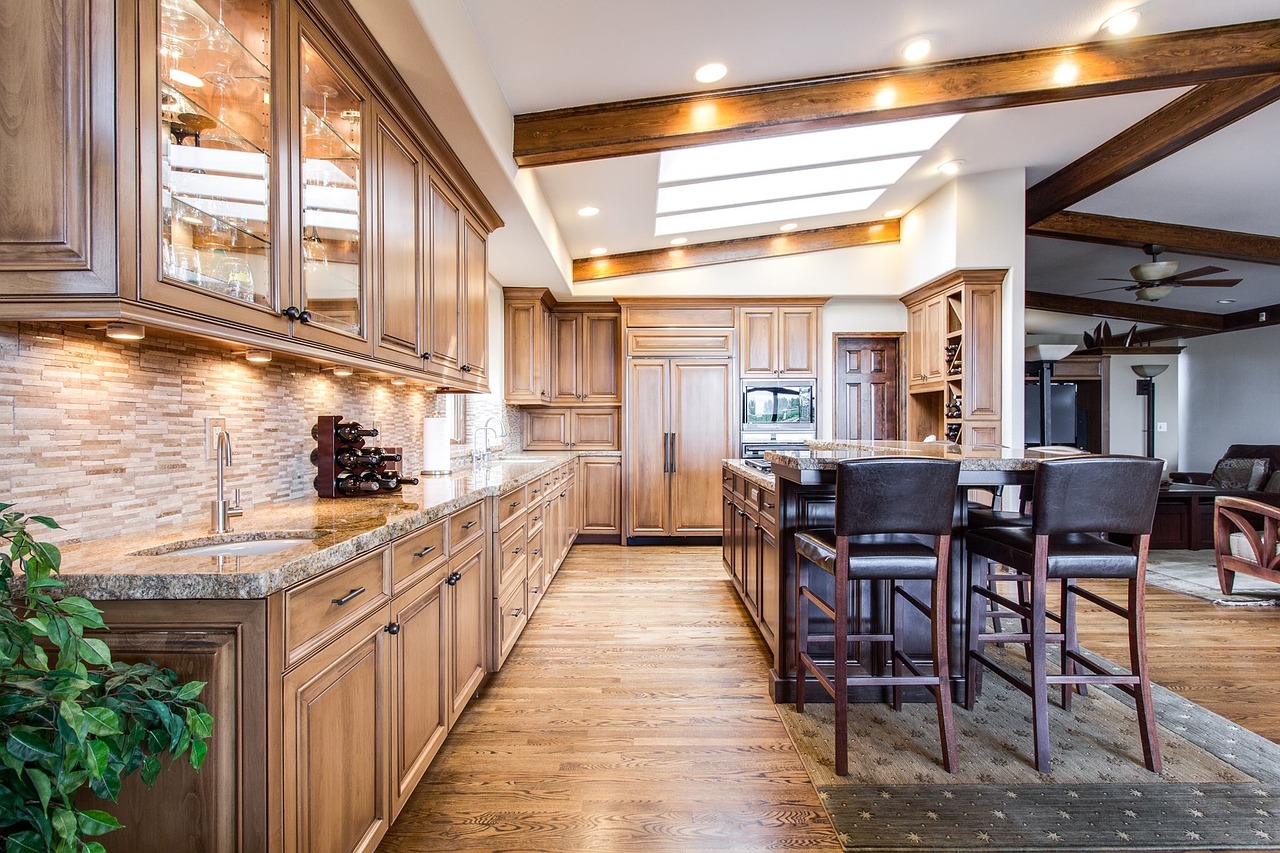
Warm walnut reads rich and contemporary. White oak is lighter and more versatile, working with both cool and warm palettes. A medium oak with visible grain adds organic texture without going rustic. What you want to avoid is the flat, uniformly stained surface that looks mass-produced. It has no grain movement or character.
I once bought a dark-stained “espresso” dining table because it looked sleek online. In person, it absorbed so much light that my dining room felt like a cave, and every plate looked like it was floating on a black hole. I swapped it for a warm walnut table and the entire room felt warmer within an hour. Same chairs, same rug, same everything.
The material you choose affects everything else in the room: the light, the mood, how every other object feels. Choose a surface that does the warming for you.
Stone Surfaces That Ground the Room
Sintered stone is the other material that looks intentional from the start. It has a matte, mineral texture that feels expensive without being precious, and it pairs well with both wood and metal bases. Unlike glass, which feels cold and shows every fingerprint, or marble, which stains if you look at it wrong, sintered stone is genuinely low-maintenance. You can put a hot pan on it. You can spill wine on it. It wipes clean.
For a time-poor buyer, that matters. A surface that looks good and stays looking good without a conditioning routine or a set of coasters is doing the work for you.
Five Mistakes That Make a Dining Table Look Like an Afterthought
You don’t need a styling course to make a dining table look intentional. You just need to avoid the moves that make it look like you stopped caring:
-
Choosing a table that’s the wrong scale. A table that’s too small for the room looks like a placeholder; too large and it dominates. Measure your room, subtract 36 inches of clearance per side, and buy the largest table that fits that footprint.
-
Matching everything. A matching table-and-chair set from a catalog looks furnished, not designed. Mix materials, wood table with upholstered chairs, or stone table with wood chairs, to create the layered look that signals intentionality.
-
Ignoring the base. A beautiful top on a clunky base looks unfinished. Pedestal bases, sculptural legs, and tapered wood details add visual interest that no centerpiece can replace.
-
Over-styling to compensate. If you need a runner, candles, a tray, and a vase just to make the table look “done,” the table isn’t working. In the time poor aesthetic, the table should do the work on its own.
-
Forgetting the chairs. I learned this the hard way: I paired a gorgeous walnut table with cheap, mismatched chairs I’d grabbed on sale. The table looked beautiful in isolation, but the dining set as a whole felt incoherent. Chairs don’t need to match, but they should feel like they belong to the same design language.
Why a Fully Assembled Table Is the Most Intentional Choice You Can Make
From Delivery to Dinner in Zero Steps
A table you have to assemble yourself never quite looks the same as one that arrives whole. Slight misalignments, visible hardware, a wobble that develops over months. These small imperfections accumulate and erode the “chosen, not random” feeling you’re after.
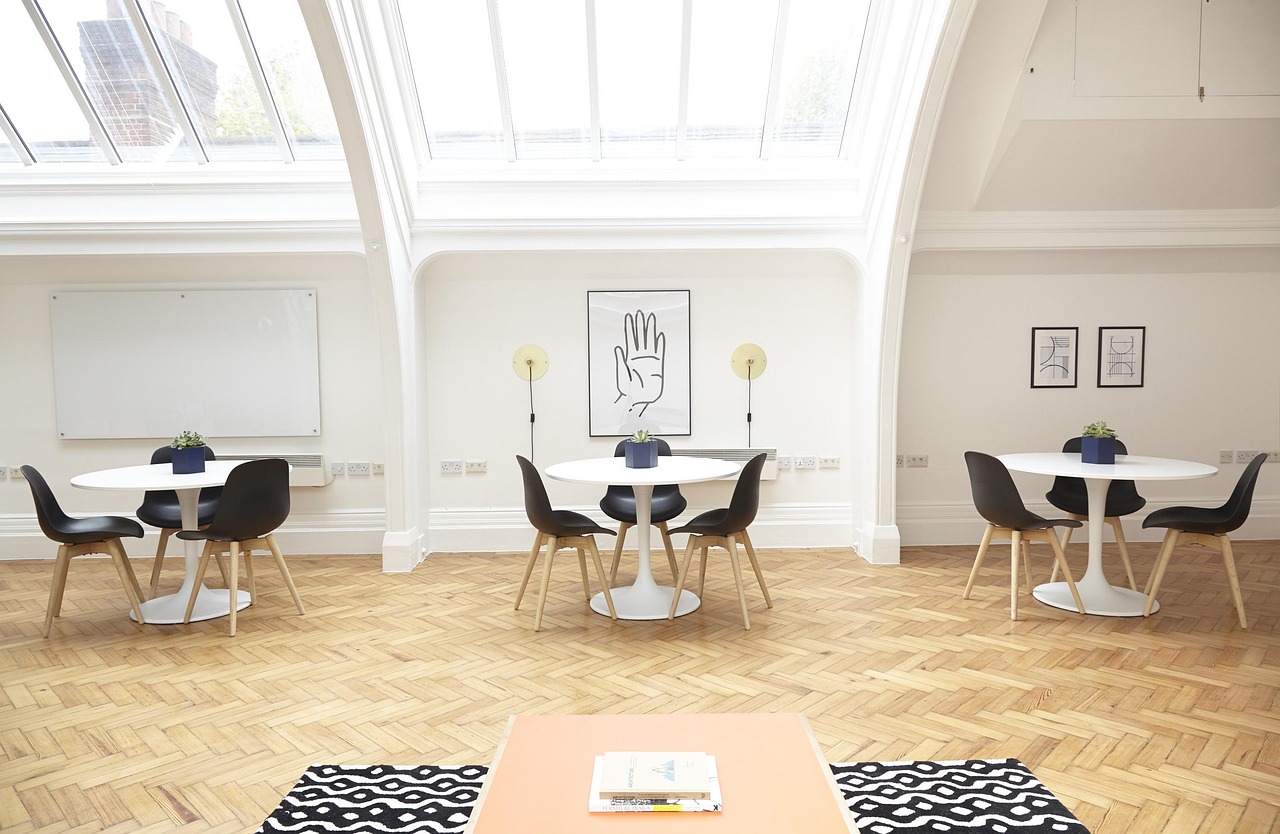
A fully assembled dining table arrives as a finished object. No allen wrench. No two-hour project on a Saturday you already didn’t have. You place it, pull up chairs, and the room feels intentional immediately.
The time poor aesthetic comes down to this: choosing a table that needs no styling, no assembly, and no troubleshooting. The table arrives looking exactly as it was designed to look, and that coherence is what makes a room feel deliberate.
Conclusion
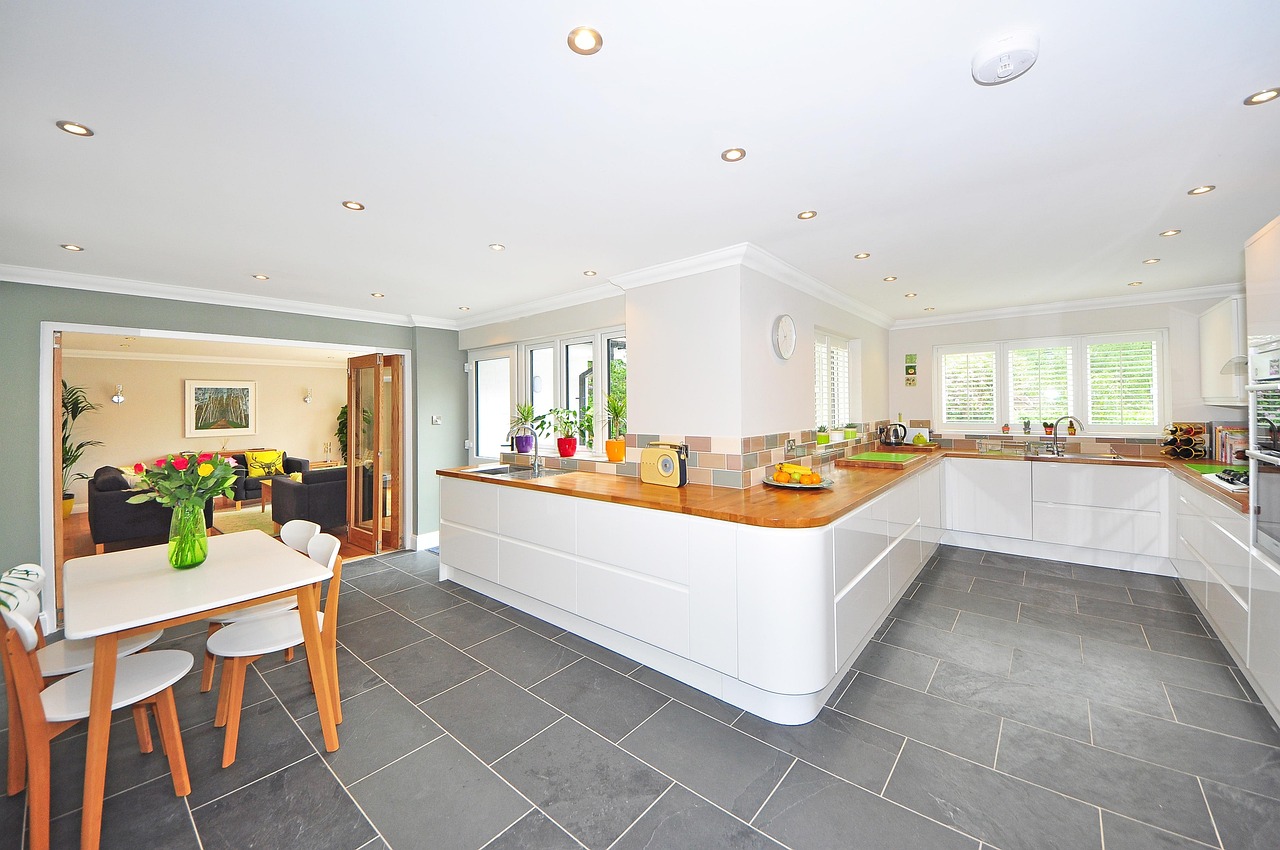
The time poor aesthetic comes down to choosing better so you don’t have to do more. Your dining table is the one piece that defines how the entire room feels, and when you get the shape, material, and presence right, the space feels intentional without a single styling session. Skip the flat-pack. Skip the compensating decor. Choose a table that arrives fully assembled, looks designed from day one, and asks nothing else of you. One deliberate choice and you’re done.
Q&A
How much clearance should I leave between my dining table and the walls?
Aim for at least 36 inches of clearance on every side so chairs pull out comfortably and foot traffic flows freely. In tighter apartments, 30 inches works for occasional use. Measure your room, subtract clearance from each dimension, and the largest table that fits that footprint is your target size.
Can I pair a fully assembled table with mismatched chairs I already own?
Yes, and you should. Pairing a wood table with upholstered chairs, or a stone-top table with wood chairs, creates the layered, designed look that signals intentionality. Avoid buying a matching set, which reads furnished rather than chosen. Keep seat heights within two inches of the table apron for comfort.
What should I measure before ordering a fully assembled dining table?
Check your doorways, hallways, and any stairwells along the delivery path. A fully assembled table cannot be folded or partially disassembled to fit through tight turns. Note the width and height of each opening, then compare them to the table’s full dimensions before you commit to a purchase.
How do I maintain a wood dining table without adding to my to-do list?
Use placemats and trivets for hot dishes, wipe spills quickly with a soft cloth, and skip harsh chemical cleaners. A quality wood table with a durable finish needs minimal upkeep, no regular oiling or polishing required. The grain and tone do the visual work, so you never need to style around imperfections.
Which table shape works best in an open-plan living and dining area?
A round table softens the transition between zones and works well when the dining area shares space with a living room. A rectangular table anchors a dedicated wall and defines the dining zone more clearly. Choose round for flow and intimacy, rectangular for structure and seating capacity.


