 By Stephanie
A power recliner that stops during movie night can feel like a major failure, but the motor is not always the problem. Learning how to fix a power recliner begins by matching the symptoms, then tracing power from the outlet to the moving mechanism. Unplug the chair before touching cords, connectors, or moving parts, and reconnect it only for a brief test. Stop immediately if you notice heat, sparks, melted plastic, or a burning smell. The steps below will help you identify the likely fault and choose a safe, practical next move.
Table of Contents
Power Recliner Symptoms and Likely Faults
When a power recliner is not working, the pattern of the failure often reveals more than the part name. Pay attention to four details: whether the chair has power, whether it makes a sound, which direction still works, and whether other powered features respond. Use the table below to decide where to focus before beginning the step-by-step checks.
| What You Notice | Most Likely Area to Check | What to Do Next | Stop Troubleshooting If |
| No light, sound, or movement | Wall outlet, main cord, transformer, or primary connector | Confirm whether power is reaching the recliner before checking individual controls or motors | You see damaged insulation, melted plastic, sparks, or heat |
| Transformer light is on, but nothing moves | Side button, handset, control cable, wiring connector, or control box | Note whether pressing the control produces a click or activates another powered feature | The control, transformer, or connector becomes unusually warm |
| The motor hums, but the footrest does not move | Obstruction, actuator connection, or mechanical linkage | Check only for visible objects, trapped fabric, or an obviously uneven footrest | You hear grinding, popping, or metal-on-metal movement |
| The recliner opens but will not close, or moves only one way | Switch, handset, or control connection | Record which command fails and whether the problem happens every time | The recliner continues moving after the button is released |
| The chair stops at the same point or moves slowly | Obstruction, pinched cable, inconsistent power, or mechanical resistance | Test the chair once with no one seated and note where it stops | It stalls again, tilts, overheats, or makes a new sound |
| USB, headrest, or lumbar support works, but the seat does not recline | The recline function’s separate control path, connector, or motor | Treat the working feature only as proof that part of the system still has power | Accessing the fault would require opening a motor or control housing |
| One seat works, but another does not | The failed seat’s switch, harness, connector, or actuator | Compare the two seats’ lights, sounds, and available movement without swapping parts | A cable is crushed between modules or the failed seat sits unevenly |
The pattern matters. A completely dead sofa usually points to a component shared by all powered functions. One failed seat or one failed movement direction points farther downstream, closer to that seat’s control or actuator. A motor sound without movement shifts attention toward an obstruction or mechanical connection.
A working USB port does not confirm that the reclining system is healthy. It only shows that one electrical branch still has power. These observations will not identify a failed part with certainty, but they prevent random part replacement and make the next troubleshooting steps more focused.
One Side of a Power Reclining Sofa Is Not Working
Before starting the full troubleshooting steps, check whether the problem affects every powered seat or only one side.
- Both seats have stopped: Start with the shared power path—the outlet, main cord, transformer, and connectors between sofa sections.
- Only one seat has stopped: Compare it with the working side. No light or sound usually points to that seat’s control cable or harness. A click or hum without movement suggests a motor, actuator, or obstruction issue. One-way movement may involve the switch or control connection.
If the problem begins after moving or cleaning the sofa, go directly to Step 3 to inspect the module connections and cable routing. Do not swap electrical parts between seats.
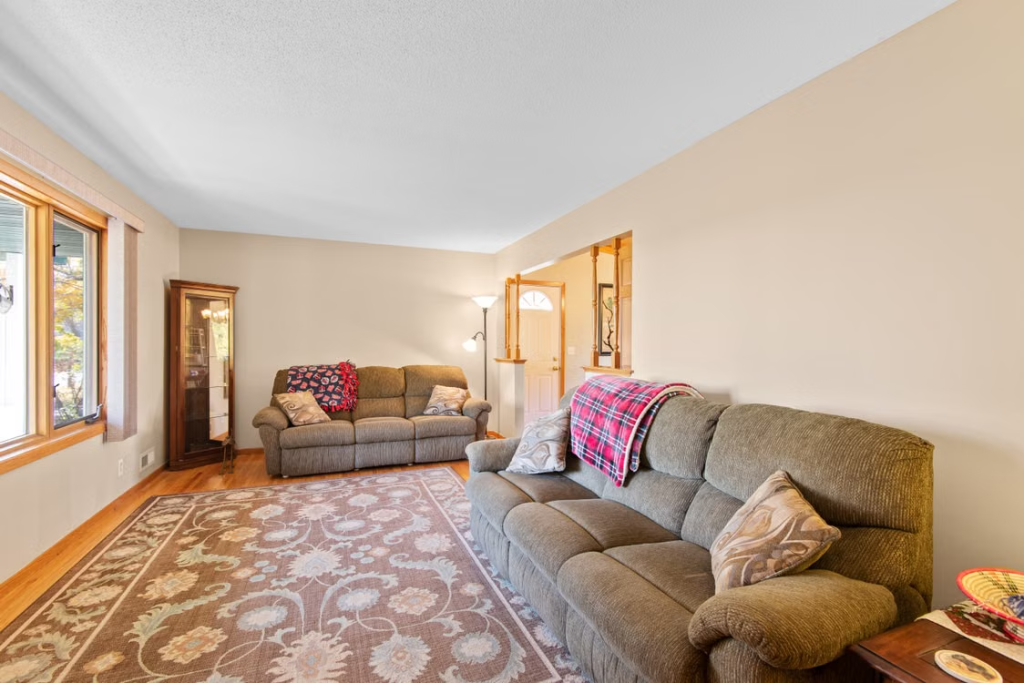
Power Recliner Troubleshooting: Follow These Steps in Order
Once you know whether the fault affects the whole sofa or one seat, follow the power path from the outlet toward the mechanism. Readers with total power loss should begin at Step 1. If one side still works, confirm the shared power source, then focus more closely on Steps 3 and 4.
Step 1: Confirm the Recliner Has a Reliable Power Source
Plug a working lamp or phone charger into the same wall outlet. If it does not turn on, check the wall switch and circuit breaker before troubleshooting the sofa.
If the outlet works, connect the recliner directly to it for one test. Avoid using an overloaded power strip or a loose extension cord. Also check that the recliner plug is fully inserted and the cord is not stretched tightly behind the sofa.
This check matters most after vacuuming, moving the sofa, or rearranging the living room. A plug can look connected while sitting loose enough to interrupt power.
If the outlet and main cord are working, continue with the transformer.
Step 2: Inspect the Transformer and Restart the Recliner
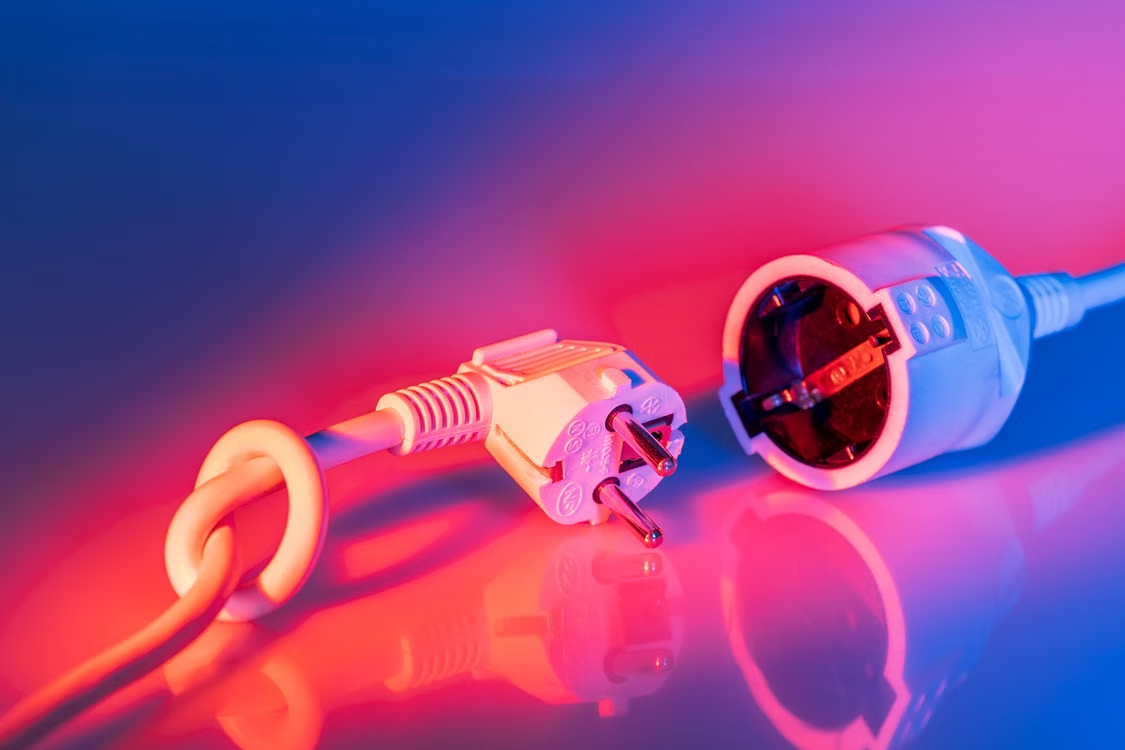
Unplug the chair and leave it disconnected for at least one minute, unless the product manual gives a different restart procedure. Inspect the transformer, also called the power supply or power brick.
Do not reconnect it if you notice:
1. Cracks or melted plastic
2. A burning smell
3. Unusual heat
4. A loose or damaged cord
5. An indicator light that remains off with a working outlet
If the transformer appears undamaged, reconnect it securely and test the recliner once. A steady indicator light confirms that power has reached the transformer, but it does not prove that the switch, wiring, control box, or motor is working.
If the light is on before the transformer is connected to the recliner but turns off immediately after connection, unplug the system. A downstream fault may be causing the power supply to enter protection mode. Do not repeatedly reconnect it to reproduce the problem.
Some recliners have a manufacturer-documented reset procedure, but many do not. Never press a tool into an unlabeled opening in an attempt to reset the system.
Step 3: Secure the Visible Connections
Disconnect the power again. Follow the cables you can see beneath or behind the seat and press each accessible quick-connect plug firmly into place. Hold the plastic connector instead of pulling on the wire.
Pay close attention to areas where cables can become trapped:
1. Between modular sofa sections
2. Beneath a sofa leg
3. Near the wall
4. Along the footrest mechanism
5. Around areas accessible to pets
A connector that came loose during delivery, cleaning, or furniture movement may stop one seat while the rest of the sofa continues working.
Do not open the transformer, motor, or control box. If a cable has exposed copper, crushed insulation, or a scorched connector, leave the recliner unplugged and contact service.
Step 4: Remove Obstructions and Test Each Function Once
Before testing again, clear the footrest path. Remove blankets, toys, remotes, pet items, and loose upholstery fabric. Make sure the footrest is not pressing against a coffee table, wall, storage basket, or another piece of furniture.
Test each powered feature separately:
1. Footrest
2. Backrest
3. Headrest
4. Lumbar support
If the recliner moves normally after the area is cleared, an obstruction or temporary resistance was likely the cause. If the motor hums without movement, the footrest stops at the same point, or the frame makes a grinding or popping sound, stop pressing the control.
Do not force the footrest closed or continue cycling the mechanism. Note the failed movement and move to the service decision section.
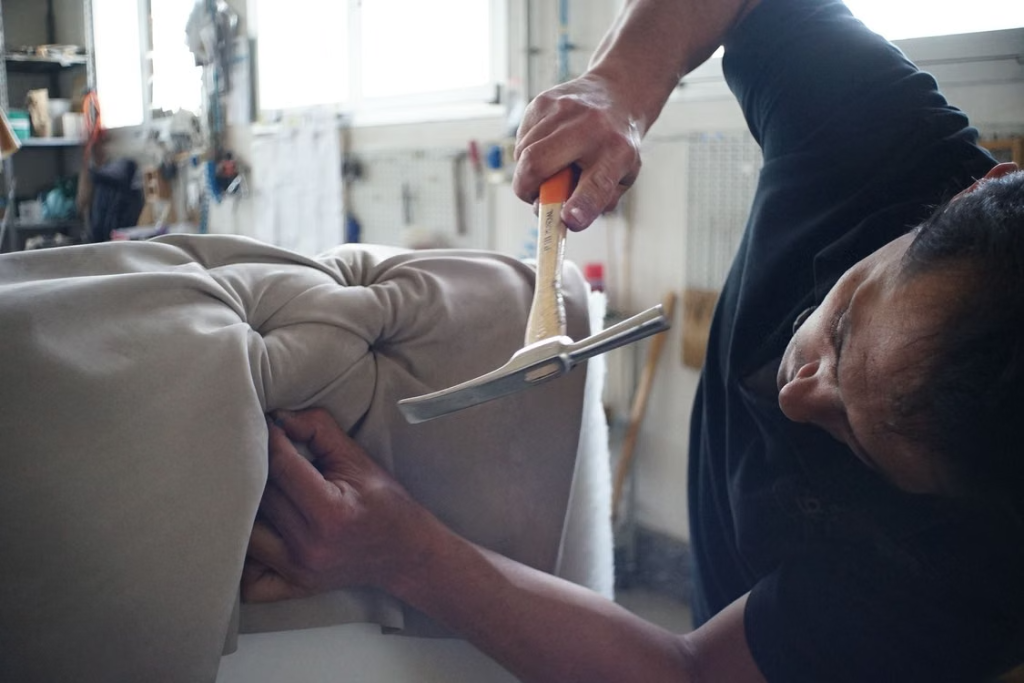
DIY Parts, Professional Repairs, and Warranty Checks
Electric recliner repair should stop at the boundary between visible plug-in components and internal electrical or structural work. A replacement must match the chair, not merely look similar. Before ordering, find the product label and confirm what the warranty allows, who supplies parts, and who pays for labor or shipping.
Reasonable Homeowner-Level Work
When manufacturer instructions allow it, a homeowner may replace an external transformer, detachable cord, or plug-in handset. Match the original part number, electrical ratings, connector shape, pin count, and seat location. Disconnect power first and keep the original component until the chair works correctly.
The Federal Trade Commission recommends checking written coverage, exclusions, claim procedures, and possible labor or shipping costs, while retaining receipts and warranty records.
Work That Belongs With a Technician
Use an authorized service provider or furniture repair technician for live-circuit testing, soldering, internal harness replacement, actuator removal, control-box work, or bent linkage. If access requires how to disassemble a reclining sofa safely, treat disassembly as a separate controlled task rather than quick troubleshooting.
Prepare these details before service:
- Brand, complete model, serial number, and purchase date
- Photos of transformer, motor, connector, and product labels
- A 10–20 second video showing the failure
- The affected seat, direction, sound, and recent moving or cleaning
When to Stop Troubleshooting, Repair, or Replace
Basic checks should end when the problem moves beyond a loose plug, visible connector, or removable obstruction. At that point, continuing to press the controls or open electrical housings can increase the damage, affect warranty coverage, or create a safety risk. Use the condition of the recliner — not just its age—to choose the next step.
Stop Using the Recliner and Call for Service
Unplug the recliner immediately if you notice smoke, sparks, a burning odor, melted plastic, exposed wiring, or an unusually hot switch or transformer. Leave it disconnected if the chair continues moving after the button is released.
Mechanical warning signs also require professional attention:
- A crooked or unstable footrest
- Bent linkage or frame components
- Repeated grinding, popping, or snapping
- A gap that could trap a hand, child, or pet
- A motor that repeatedly stalls or overheats
Do not sit in a recliner that is stuck open if the footrest is crooked, the frame shifts, or the mechanism feels unstable. Added body weight can place more stress on a jammed linkage and make the damage worse.
Leave the recliner unplugged and document only what can be observed without operating it.
A 2026 recall involving about 10,400 powered seats reported switches that could malfunction and overheat. Reported incidents included smoke, burning odors, and two fires (U.S. Consumer Product Safety Commission). Check the brand and model against current recall records before reconnecting a recliner with electrical warning signs.
Choose Repair or Replacement Based on the Whole Sofa
Repair is usually the better decision when:
- The frame, cushions, and upholstery remain in good condition
- The problem is limited to a transformer, switch, connector, or one actuator
- Compatible parts are available from a reliable source
- The recliner is under warranty
- This is the first significant failure
Replacement becomes more practical when the frame or linkage is bent, several powered functions have failed, parts are discontinued, or the recliner has already needed repeated repairs. Also consider whether the remaining upholstery and cushion life justify paying for another service visit.
If replacement is the better decision, do not automatically buy another sofa with the same motion. Consider what the room needs next: everyday upright seating, deeper lounging, an occasional sleep surface, or a combination of all three. Also confirm the available floor space, outlet location, operating clearance, warranty coverage, and access to replacement parts.
In a family room that handles conversation, movie nights, and overnight guests, the Aurora Power Sofa Bed uses remote-controlled, stepless extension and an ultra-quiet motor. It shifts from everyday seating to a deeper lounge or sleep position without requiring another large piece of furniture.

Preventing Another Power Recliner Failure
Route the power cord away from the footrest, sofa legs, and walkways. Keep toys, blankets, storage baskets, and pet items out of the moving area, and unplug the sofa before repositioning it.
After cleaning or moving the furniture, confirm that every connector is secure and tests each powered feature once before regular use. A reliable power recliner sofa setup also leaves enough wall and table clearance for the full motion range while keeping the outlet easy to reach.
Avoid sitting on an extended footrest, forcing a stalled mechanism, or repeatedly pressing a control when the seat stops moving. These habits place unnecessary strain on the actuator, linkage, and wiring.
Conclusion
The safest way to fix a power recliner is to follow the power path instead of guessing at the motor. Confirm the outlet, inspect the transformer, reconnect visible plugs, clear the motion area, and use the symptoms to identify the likely fault. Handle only manufacturer-approved external parts, and stop when the problem involves heat, damaged wiring, internal electronics, or bent metal. A careful diagnosis shows whether the right next step is a simple reconnection, a warranty claim, professional repair, or replacement for safer, more reliable comfort in your living room.
FAQs
Can a Power Recliner Be Closed Manually During an Outage?
Some models include battery backup or a manufacturer-approved emergency release, but there is no universal way to close every power recliner manually. Do not force the footrest or remove an actuator pin without model-specific instructions. If the chair blocks a walkway, keep the area clear and contact the manufacturer.
Should I Call an Electrician or a Furniture Repair Technician?
Call an electrician if the outlet, circuit breaker, or household wiring appears to be the problem. If the outlet works but the chair does not, choose an authorized service provider or motion-furniture technician familiar with actuators, controls, and reclining mechanisms.
Can a Battery Backup Be Added to Any Power Recliner?
No. A battery pack must match the recliner’s voltage, connector, charging system, and manufacturer approval. An incompatible unit can damage the controls or create a safety risk. Ask the manufacturer for an approved part number and keep the battery outside the mechanism’s moving path.
Should a Power Recliner Be Plugged Into a Surge Protector?
Use a grounded surge protector only if the manufacturer allows it and the device is properly rated for the recliner. Do not connect multiple power strips together or place the cord near the moving mechanism. A surge protector may reduce electrical damage, but it cannot correct a loose outlet or damaged wiring.


