 By Kelvin
Introduction
Finding a bed bug on the couch does not mean you should immediately spray, drag the sofa outside, or replace it. Learning how to get rid of bed bugs from sofa upholstery starts with confirming where they are hiding, containing loose items, and treating accessible seams without spreading the infestation. This guide explains the right order, which methods suit different sofa materials, when home treatment is no longer enough, and how to reduce the chance of bed bugs returning. It also separates proven controls from risky shortcuts that may damage furniture.
Table of Contents
How Can You Tell Where Bed Bugs Are Hiding in the Sofa?
Start with physical evidence, not bites alone. Bed bug bites can resemble flea or mosquito bites and may appear days later. Use a flashlight, disposable gloves, and a thin card to inspect where fabric, wood, and hardware meet. The location and amount of evidence help determine how difficult the sofa will be to treat.
Look for Signs of Bed Bug Activity
Look for live reddish-brown bugs, pale eggs, shed skins, dark fecal dots, or rusty blood spots. A sweet, musty odor may occur in a larger infestation, but odor alone is not reliable evidence. Use a flashlight to inspect seams, zipper tracks, cushion undersides, and narrow gaps where fabric meets the sofa frame.
Check Upholstery Seams and Cushion Edges
Remove loose cushions slowly. Inspect piping, zipper tracks, tufting, folds, labels, and cushion undersides. Run a card along tight seams to expose insects or debris. On a family sofa used for evening naps, inspect the favorite seat first, then every adjacent seat instead of assuming the problem ends where the first bug appeared.
Inspect the Frame and Moving Parts
Check the underside dust cover, stapled fabric edges, wood joints, screw holes, and gaps around the legs. Sectionals require checks at module connectors. Sleeper sofas add mattress folds and hinges. Recliners and power sofas add footrest cavities, tracks, wiring channels, and motor housings that may be difficult to reach safely.
What Should You Do First After Finding Bed Bugs on a Sofa?
Once the evidence is confirmed, focus on containment. Do not carry the sofa, cushions, throws, or nearby bags into another room.
- Put removable textiles directly into sealable bags.
- Photograph the evidence or preserve a specimen for identification.
- Check nearby baseboards, rugs, curtains, chairs, beds, and regular resting places.
- Avoid moving to another couch or bed before checking it.
- In a multi-unit property, notify the landlord or manager promptly.
How to Get Rid of Bed Bugs From Sofa Step by Step
No single method reaches every egg, nymph, and adult inside upholstered furniture. A practical plan combines contained fabric handling, slow vacuuming, controlled heat, surrounding-area checks, and monitoring. If you are searching how to clean bed bugs from a sofa, treat the task as pest control rather than an ordinary upholstery refresh.
Step 1: Seal and Heat-Treat Removable Fabrics
Place washable covers, throws, and pillowcases into sealed bags before carrying them through the home. Check each care label, then follow the EPA’s guidance for heat-treating items that can safely go in a dryer. Washing alone may not be enough, so keep treated fabrics sealed until the sofa and surrounding room have been addressed.
Keep treated fabrics in clean, sealed bags until the sofa and surrounding room have been addressed. Do not assume a zippered cushion cover is machine washable, and never place a foam insert in the dryer.
Step 2: Vacuum Every Accessible Crevice
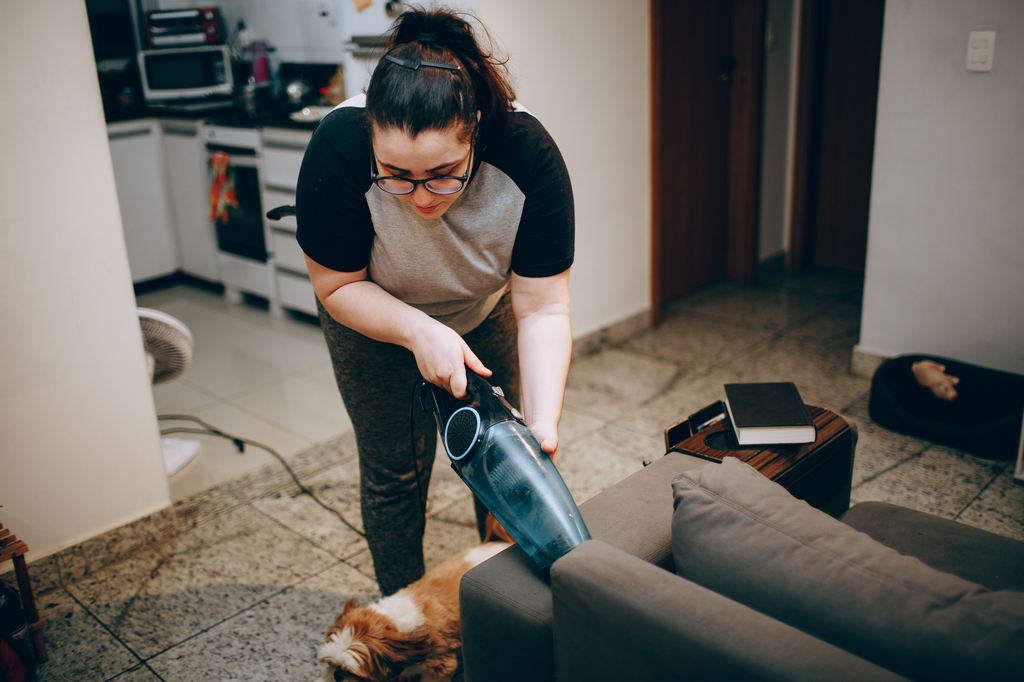
Use a crevice tool along seams, zipper tracks, cushion channels, frame joints, the underside of the sofa, and nearby flooring. Move slowly so the suction can pick up visible bugs, shed skins, and loose debris. Vacuuming reduces the number of pests but may not remove firmly attached eggs or bugs hidden inside closed cavities.
Seal a disposable vacuum bag inside a second bag and place it in an outdoor trash container. Empty a bagless canister outdoors into a sealed bag, then clean the canister according to the manufacturer’s instructions.
Step 3: Steam Only Upholstery That Can Handle It
Check the upholstery care code and test a hidden area before treating any visible surface. S- and X-coded fabrics, leather, suede, and delicate textures may be damaged by heat or moisture. For suitable upholstery, use a broad attachment or diffuser, move slowly, and avoid soaking the padding.
According to the EPA’s guidance for using steam against bed bugs, steam should reach at least 130°F without forceful airflow that could scatter the bugs. Steam kills only the insects and eggs reached by the heat, so it may not clear deep padding or closed frame cavities. Material-specific steps for how to steam clean a sofa can help limit excess moisture and support proper drying.
Step 4: Inspect the Area Around the Sofa
Check floor edges, baseboards, wall cracks, curtains, rugs, nearby furniture, and any beds regularly used by the household. Bed bugs can travel in the seams and folds of clothing, bags, bedding, and upholstered furniture, so finding them on the sofa does not mean the infestation is limited to that one piece.
Reduce clutter carefully, placing loose belongings into sealed bags before moving them. This keeps hidden bugs from being carried into another room during cleanup.
Step 5: Isolate and Monitor the Sofa
Where the design allows, move the sofa a few inches away from the wall and keep throws or blankets from touching the floor. Place interceptor traps beneath stable furniture legs to detect bugs moving toward or away from the sofa. These traps help track activity, but they do not eliminate an infestation on their own.
Record each new sign by date and exact location. A simple log can show whether activity is decreasing, remaining stable, or spreading to another part of the room.
Step 6: Recheck and Escalate
Return to the same seams, frame joints, traps, and surrounding areas after the initial treatment. New bugs or fresh fecal marks may indicate that a hiding place was missed or that previously hidden eggs have hatched.
If activity continues after careful vacuuming, heat treatment, and monitoring, avoid repeating the same method without a new plan. A pest control professional may need to inspect inaccessible padding, fixed backs, mechanical parts, or other areas of the home.
Which Treatment Is Safe for Your Sofa Material?
A method can kill exposed bugs and still damage the sofa. Use the upholstery code, material, construction, and access to hidden spaces to choose a starting point. Before adding water or steam, the checks used for how to clean a couch without ruining it still apply.
| Sofa material or structure | Safer starting point | Main risk |
| W- or WS-coded fabric | Vacuuming, label-approved cover treatment, controlled steam | Rings, shrinkage, wet padding |
| Microfiber | Vacuum first; hidden patch test | Texture changes or water marks |
| Velvet or bouclé | Gentle vacuuming; professional assessment | Crushed pile, discoloration, moisture |
| Leather | Inspect seams and frame; minimal moisture | Drying, cracking, finish damage |
| Sleeper sofa | Inspect folds, hinges, and internal frame | Hidden layers and narrow gaps |
| Power sofa | Unplug first; keep liquids away from wiring | Motor and control-box damage |
If a damaged sofa needs to be replaced after the infestation has been fully cleared, easy-care upholstery can make daily maintenance less demanding. For a family using one sofa for movie nights, lounging, and occasional overnight guests, the Aurora-Power Sofa Bed uses water-resistant, scratch-resistant performance chenille that supports routine spot cleaning while providing a soft, comfortable surface for everyday use.

When Is DIY Treatment Not Enough?
Contact a pest management professional when the infestation cannot be fully inspected or safely reached. Important warning signs include:
- Eggs, nymphs, and adults in several sofa areas.
- Bugs inside fixed backs, thick padding, motors, or closed frame sections.
- Evidence near a bed, in another room, or in an adjoining unit.
- Live bugs after careful treatment and monitoring.
- Upholstery that cannot tolerate suitable heat or moisture.
- Household conditions that make pesticide use difficult to manage safely.
Ask whether the provider offers bed-bug-specific furniture treatment, surrounding-room inspection, and follow-up monitoring. Standard upholstery cleaning may improve the surface without controlling the infestation.
Which Bed Bug Remedies Can Make the Problem Worse?
Avoid methods that create fire, exposure, furniture damage, or insect scattering:
- Rubbing alcohol, gasoline, or kerosene.
- Thermostats, fireplaces, hair dryers, or portable heaters used as heat treatment.
- Bug bombs as the only control method.
- Baking soda or essential oils as the main solution.
- Pool- or food-grade diatomaceous earth.
- Sprays not labeled for bed bugs and the intended upholstered surface.
- Narrow, high-pressure steam jets.
How Can You Protect Your Sofa From Bed Bugs?
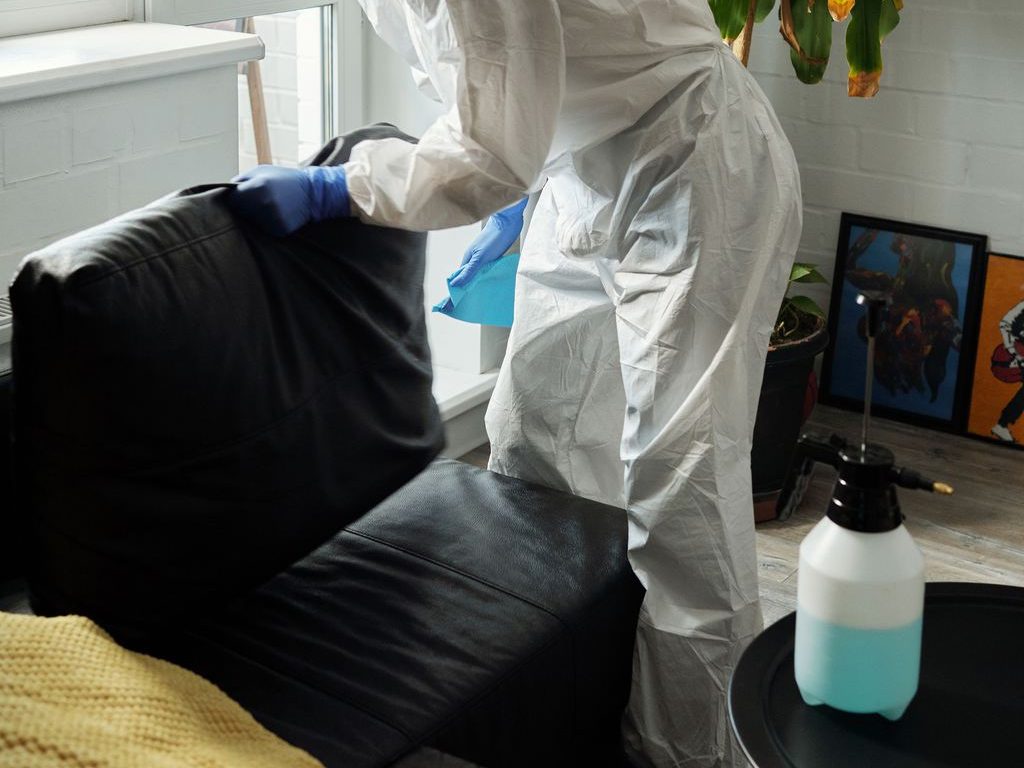
The practical answer to how to prevent bed bugs is early detection and controlled routines, not a spray that makes furniture “bed bug-proof.” Vacuum seams and the floor below regularly, reduce clutter around the frame, repair loose bottom fabric, and inspect sectional connectors, sleeper hinges, and recliner mechanisms.
After travel, keep luggage away from upholstered seating until it has been checked. Inspect secondhand furniture before bringing it indoors, and keep throws from resting continuously on the floor.
Following material-safe steps for how to clean sofa cushions without damage helps preserve seams, zippers, and covers so they remain easier to inspect. Maintenance cannot guarantee prevention, but it can reveal warning signs earlier.
Conclusion
The safest way to approach how to get rid of bed bugs from sofa upholstery is to work in order: confirm the evidence, contain loose items, inspect the full structure, combine vacuuming with material-safe heat, and monitor for renewed activity. Do not let urgency lead to dangerous chemicals, uncontrolled steam, or premature disposal. A sofa with accessible hiding areas may be treatable, but deep or recurring activity calls for professional pest control. Once the infestation is cleared, regular inspection and careful travel habits can help protect everyday seating.
Q&A
When should I throw away a bed bug-infested sofa?
Consider disposal when bed bugs remain inside damaged padding, sealed frame cavities, or electrical mechanisms that cannot be safely inspected or treated, especially after professional treatment has failed. Do not discard a sofa only because one bug was found. If disposal is necessary, wrap, seal, label, and disable it before removal.
Can bed bugs live in a leather sofa?
Yes. Bed bugs can hide in stitching, folds, zipper areas, underside fabric, and the internal frame even when the visible leather is smooth. Because leather may dry, crack, or discolor when exposed to heat and moisture, use leather-safe treatment methods rather than a standard fabric-sofa steam routine.
Can a sofa cover or encasement trap bed bugs?
An ordinary slipcover cannot contain bed bugs because they can escape through zippers, seams, and open edges. A purpose-built, fully sealed furniture encasement may isolate bugs inside the sofa, but it will not remove insects elsewhere in the room. It should support, not replace, a complete treatment plan.
Can bed bugs survive in a sofa that is no longer used?
Yes. Leaving a sofa unused in a spare room, basement, garage, or storage unit is not a reliable treatment. Bed bugs can remain hidden for long periods without feeding and may spread when the furniture is moved again. The sofa still needs inspection, treatment, monitoring, or controlled disposal.
Can I buy a new sofa immediately after throwing the old one away?
Wait until the room and nearby furniture have been treated and monitoring no longer shows activity. A replacement sofa can become reinfested if bugs remain in baseboards, rugs, beds, or wall gaps. Buying too early adds cost without addressing the source of the infestation.


