 By Kelvin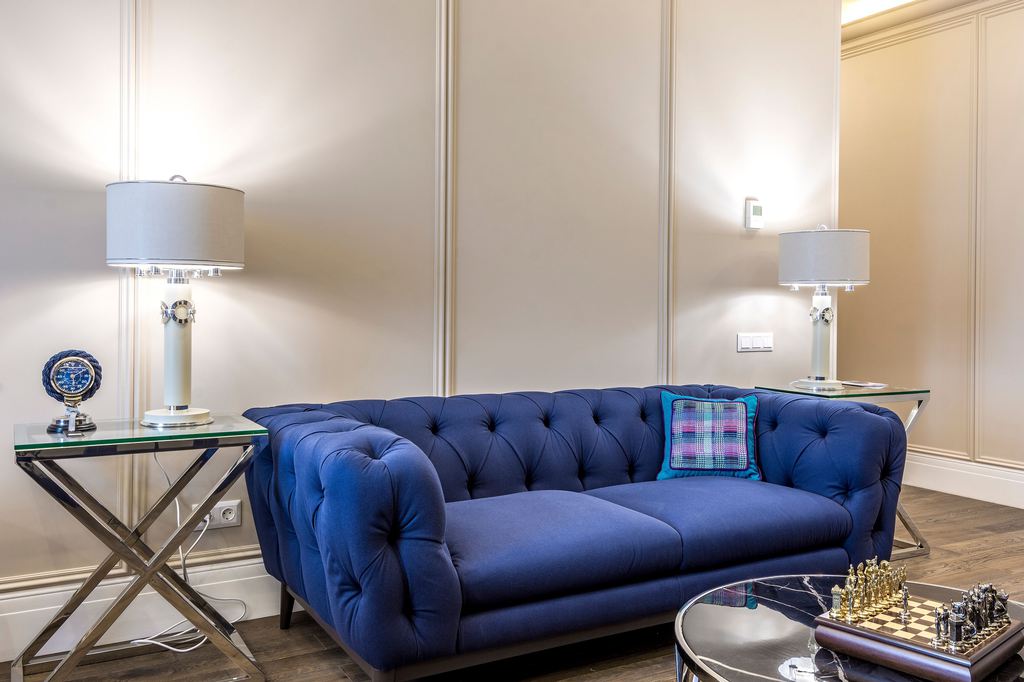
Introduction
Choosing tables is not about filling every open spot around the sofa. People searching for types of tables for living room layouts usually need to know what each table does, where it belongs, and which pieces their room can function without. This guide compares central, side, flexible, and behind-sofa tables by use, reach, size, and clearance. You will be able to choose a practical mix for a small room, a standard sofa arrangement, or a larger sectional without buying surfaces that duplicate one another.
Table of Contents
What Types of Tables Work in a Living Room?
The different types of tables for living room use are easiest to understand by location and job. A central table serves several seats, a side table supports one or two seats, and a console uses wall or behind-sofa space. Flexible designs earn their footprint by changing how or when the surface is used.
| Table type | Placement | Main job | Consider skipping it when |
| Coffee table or cocktail table | In front of seating | Shared surface for drinks, games, and decor | It blocks the main walkway |
| End, side, drink, or C-table | Beside a sofa or chair | Keeps personal items or a lamp within reach | The adjacent seat is rarely used |
| Nesting table | Beside or in front of seating | Adds temporary surfaces that store together | You need one large, stable surface |
| Console table or sofa table | Against a wall or behind a sofa | Adds lighting, display space, storage, or zoning | The sofa is tight against a wall |
| Ottoman table | In the seating area | Provides a footrest, soft surface, or extra perch | Hot drinks or laptops are used there daily |
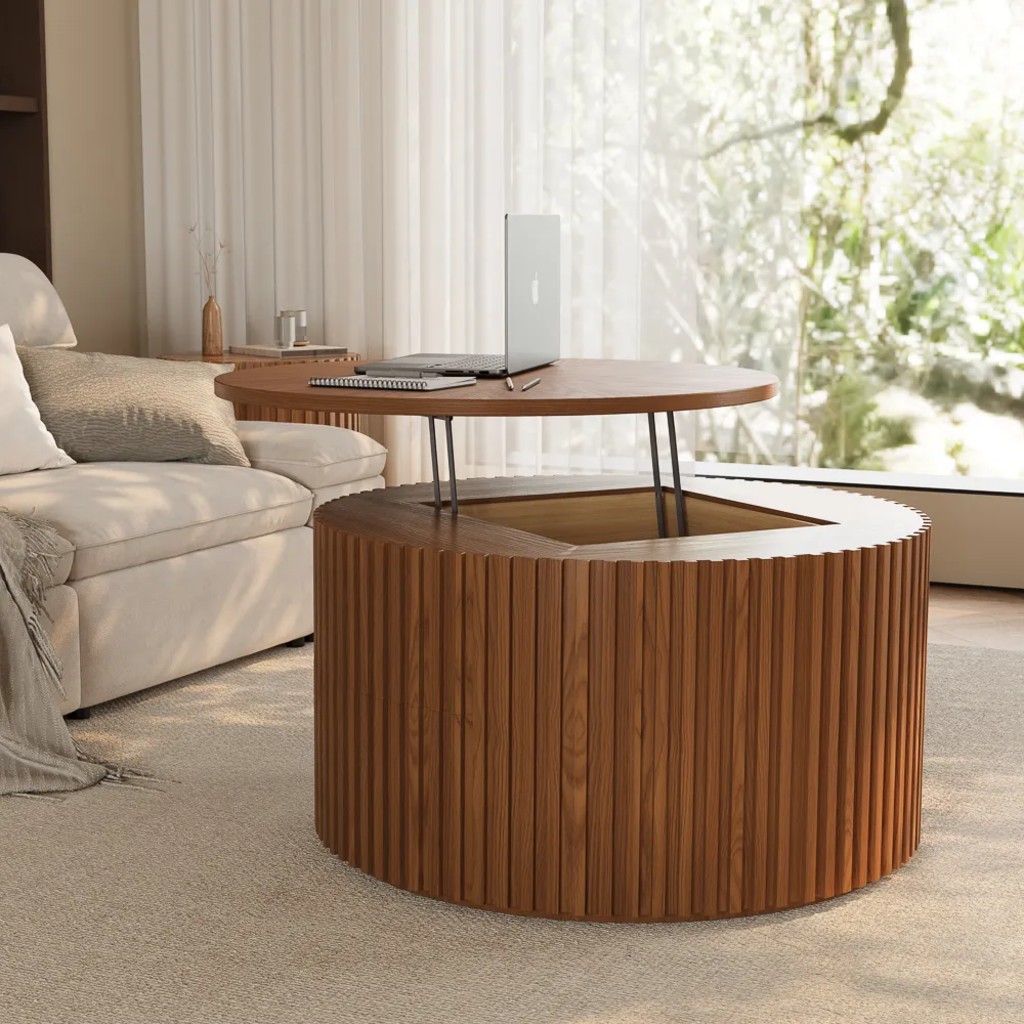
| Lift-top coffee table | In front of a sofa | Raises for meals, laptop use, and storage | The raised top would crowd knees or seats |
Coffee Table or Cocktail Table
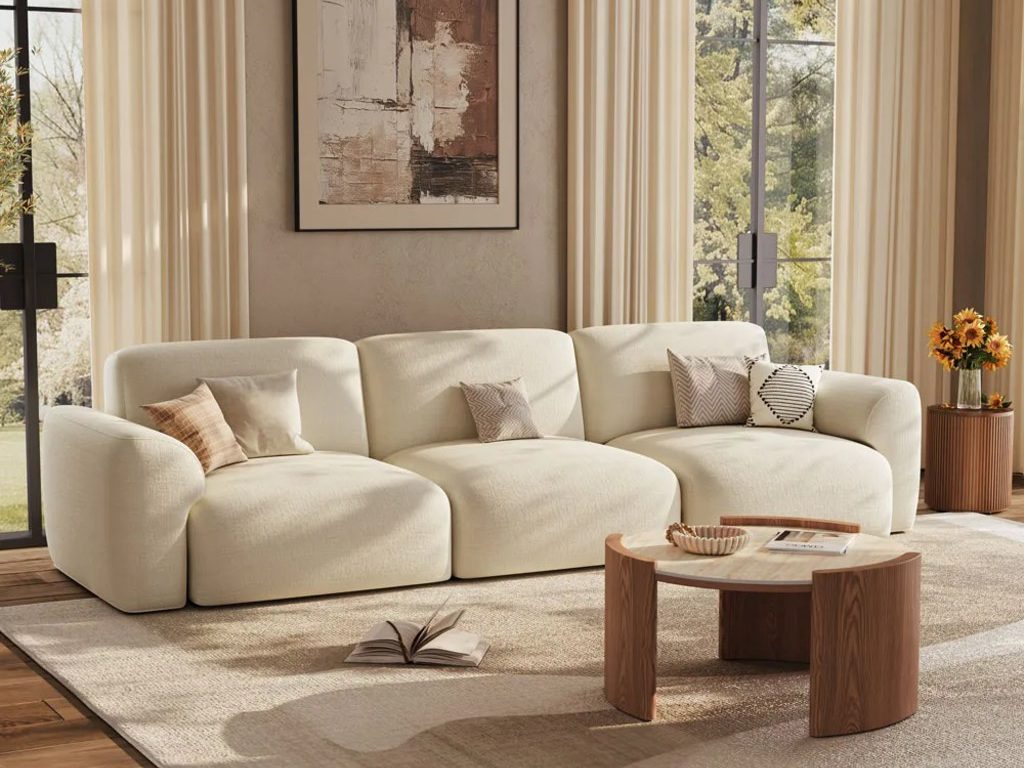
A coffee table is the shared surface in a seating group. “Cocktail table” usually refers to the same category. Choose one when several seats need a stable center surface. Skip it when an open middle improves circulation, play space, or recliner access.
The practical difference between a coffee table and an end table is reach: one serves the group from the center, while the other serves a seat from the side.
End Table, Side Table, Accent Table, and Drink Table
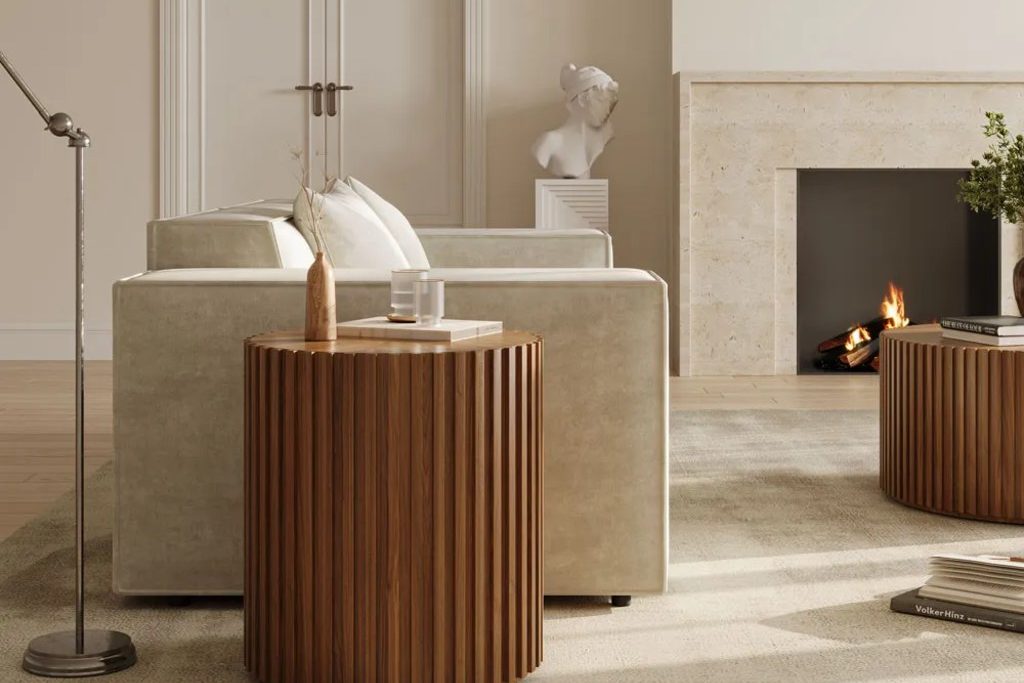
These names overlap. An end table describes placement at the end of a sofa, while “side table” is broader. An accent table often emphasizes design, and a drink table is sized for a cup and phone. A C-table slides closer when its base fits beneath the sofa.
Nesting Table
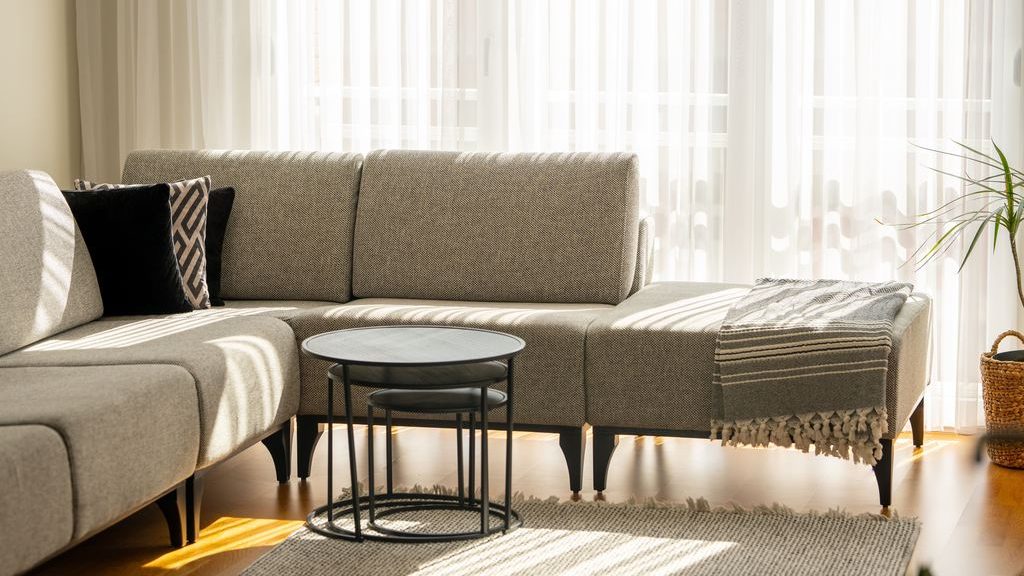
Nesting tables tuck together and separate when extra surfaces are needed. During a movie night, one can move beside a chair while another stays near the sofa. Afterward, they return to one footprint. Check each piece’s stability when separated, not only when nested.
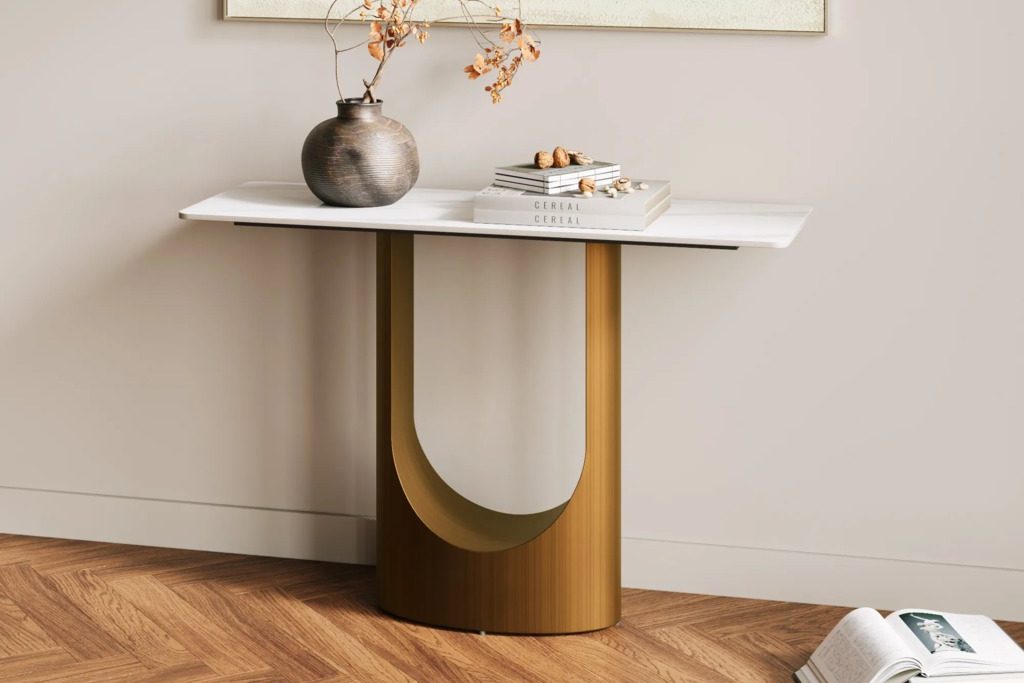
Console Table or Sofa Table
A console table usually sits against a wall; a sofa table describes a similar narrow piece behind a sofa. Use one for a lamp, a drop zone, light storage, or to define a floating seating area. It should have a clear daily purpose rather than becoming a place for loose mail.
Ottoman and Lift-Top Coffee Tables
These replace a standard rigid coffee table in different ways. An ottoman favors feet-up comfort and may need a tray for drinks. A lift-top favors repeated tasks such as eating or laptop use. Both require operating clearance around the sofa.
Which Living Room Table Do You Actually Need?
Start with the activity that currently feels inconvenient, not with a furniture set or an empty corner.
- Choose a coffee table when several seats need one shared surface.
- Choose an end, side, or drink table when one seat needs a lamp, drink, phone, or book.
- Choose a C-table when you want a close surface but need the center open.
- Choose nesting tables when the number or location of surfaces changes.
- Choose a console table when a wall or floating sofa needs lighting, storage, or definition.
- Choose an ottoman when comfort matters more than a hard top.
- Choose a lift-top table when the sofa regularly supports meals, paperwork, or a laptop.
A lift-top should solve a repeated routine, not a hypothetical one. Knowing what a lift-top coffee table does helps you decide whether its raised surface and storage can replace another piece instead of adding more furniture.
How Many Tables Should a Living Room Have?
There is no fixed number. A living room has enough tables when its regularly used seats have practical surface access and the floor still supports walking, opening storage, and using reclining furniture. Use these layouts as starting points, then remove any table that repeats another surface’s job.
Small Living Room
Begin with one flexible surface. A C-table can serve the sofa without occupying the center, while nesting tables can separate when two people need them. Add a coffee table only when a clear route remains through the room. In a narrow apartment, open floor space may be more useful than a traditional arrangement.
Standard Sofa and Chairs
A coffee table plus one or two side tables often covers daily routines. Do not automatically place matching tables at both sofa ends. Add one where a frequent seat needs a lamp or cannot reach the coffee table. Leave the other side open when it forms the main entrance to the seating area.
Sectional or Open-Plan Room
Distribute tables by reach, not symmetry. A center table may serve the middle seats but remain too far from a chaise or outer corner. Add a small side table at that weak point. A console can define a floating sectional, provided it does not narrow the route to the dining or kitchen area.
What Size and Clearance Should Each Table Follow?
Measure the sofa before measuring the open floor. A table can fit the room yet feel wrong when its height, reach, or operating direction conflicts with the seating.
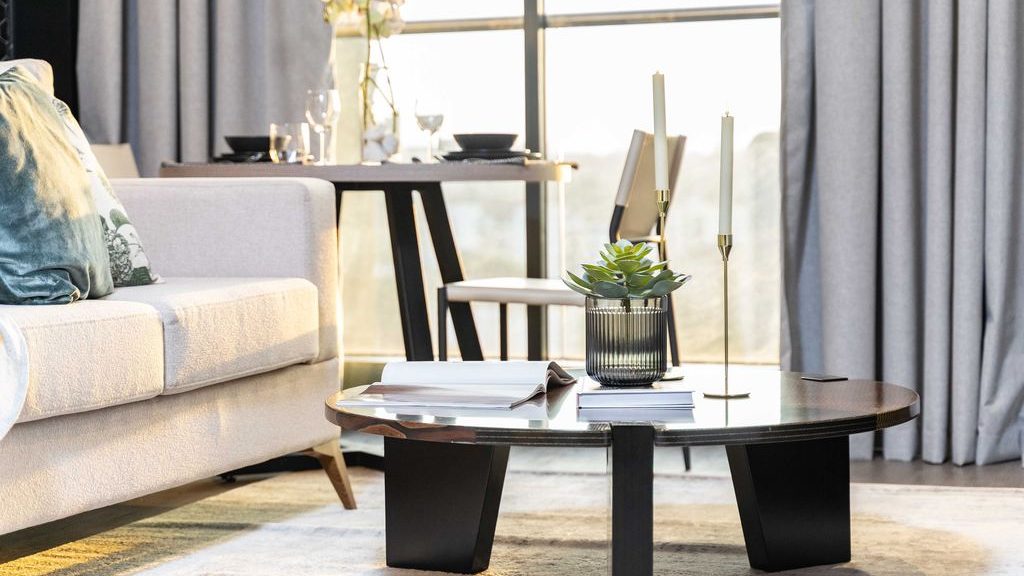
- Coffee table: Use roughly one-half to two-thirds of the sofa’s length. Keep the top level with the seat or 1–2 inches lower, with about 16–18 inches between sofa and table.
- End or side table: Keep the top close to the sofa arm height. It should not project so far forward that it catches knees when someone stands.
- Console or sofa table: Keep it at or below the visible top of the sofa back. When people walk behind it, measure the passage left after placement.
- C-table: Confirm that the base fits beneath the sofa and the top clears the seat or arm. Low rails and power mechanisms can block it.
- Lift-top table: Mark the closed footprint and raised top position. Test knee space, opening direction, and access to nearby chairs.
A coffee table height guide for different sofa seats can refine the central measurement. Outline the full footprint with painter’s tape and live with it for a day before ordering.
How Should Different Living Room Tables Work Together?
Living room tables do not need to match. They need enough visual connection to look intentional and enough functional difference to justify each footprint.
Repeat one or two elements, such as warm wood tones, rounded edges, black metal, or similar visual weight. Then vary another feature. A rectangular wood coffee table can work with a small round metal side table when the finishes relate.
Keep one table visually dominant. More importantly, give each piece a separate job: a center table for shared items, a side table for a reading lamp, and a console for storage. Three surfaces used mainly for decor add cleaning work without improving the room.
What Should You Check Before Buying a Living Room Table?
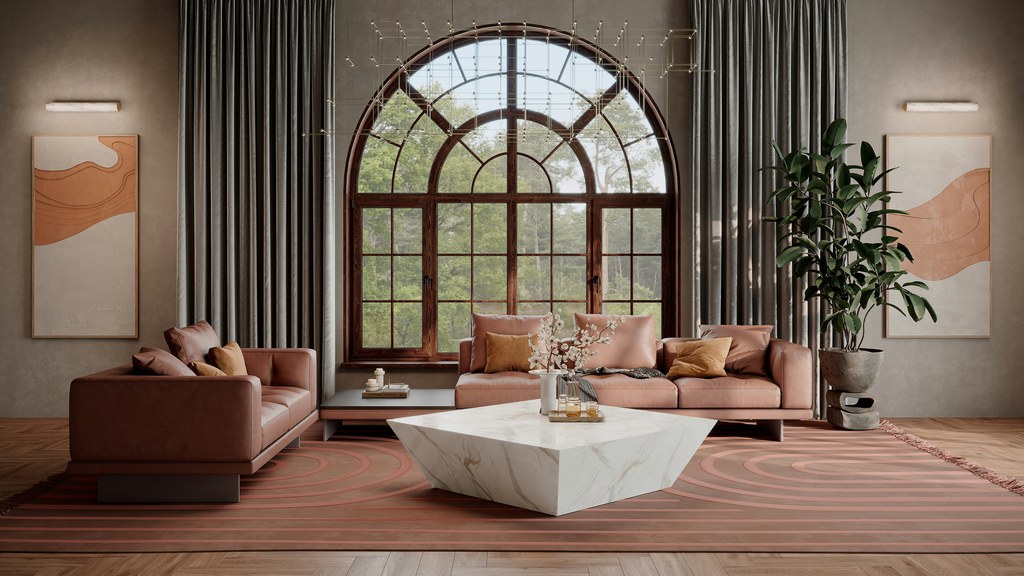
Use the listed dimensions to test real actions, not only whether the table fits inside an open rectangle.
- Sit in each regular seat and check whether the intended surface is naturally reachable.
- Walk the main route without turning sideways around a corner.
- Open drawers, doors, nesting pieces, and lift-tops fully.
- Extend every recliner and keep its footrest clear.
- Check whether a C-table base fits around sofa legs, rails, or a solid platform.
- Press lightly at the edges of a side or nesting table to assess stability.
- Match the surface to hot mugs, children’s activities, pets, and cleaning habits.
- Measure doorways, stair turns, elevators, and packaging before delivery.
The most useful living room table is the one whose surface, storage, and movement work from the seat where it will actually be used.
Conclusion
The right mix of types of tables for living room use depends on reach, routines, and movement—not on completing a standard set. Start with the surface that solves the room’s most frequent problem, whether that is a shared coffee table, a compact side table, flexible nesting pieces, or a console behind the sofa. Measure every table in both its resting and working positions, then add another piece only when it serves a different seat or task. A smaller, purposeful group will usually work better than several underused surfaces.
FAQ
Should a Living Room Table Have Storage or an Open Base?
Choose storage when remotes, chargers, and daily items would otherwise remain visible. An open base works better when the room needs visual space or extra foot clearance. Check the usable interior dimensions, opening direction, and whether drawers or doors remain accessible from the seat you use most.
Can a Living Room Table Sit Partly on an Area Rug?
Avoid placing a table across the edge of a thick rug, because uneven legs can cause wobbling. A coffee table should ideally sit fully on the rug, while a side table should be fully on or off it. Recheck stability when using drawers, nesting pieces, or a lift-top mechanism.
Can a Coffee Table or Side Table Be Used as Extra Seating?
Do not sit on a coffee or side table unless the manufacturer specifically identifies it as seating and provides an appropriate weight rating. A tabletop may support decor but fail under moving body weight. For occasional extra seating, use an ottoman, bench, or stool designed for that purpose.
Can a Console Table Double as a Laptop Desk?
A console can support short laptop sessions if it has enough depth, a suitable height, and open legroom. Drawers, low shelves, and crossbars may prevent a chair from pulling in comfortably. For daily full-length work, a desk with proper depth and ergonomic seating is usually more practical.
What Tabletop Is Easier With Kids or Pets?
Prioritize rounded corners, a stable base, and a sealed surface that tolerates frequent wiping. Matte wood-look or dense stone-look tops usually hide fingerprints better than glossy finishes. Glass is easy to clean but shows smudges and requires clearly visible edges along a busy walkway.


[…] table” may overlap, while a coffee table remains a separate category. Understanding the main types of tables for living room layouts helps prevent buying two pieces that perform the same […]